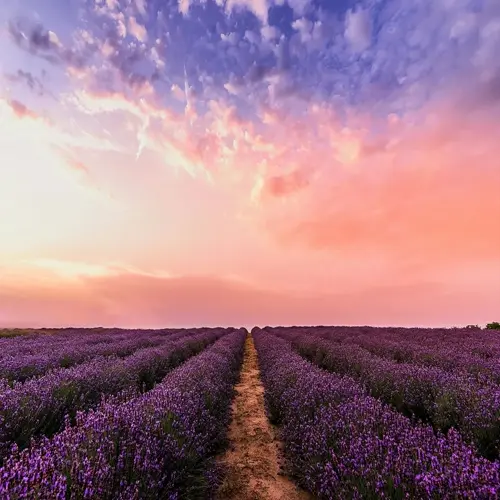

The best place to plant lavender is a spot that gets full sun for at least 6 hours a day and has soil that drains fast after rain. Lavender hates wet feet more than almost anything else, so drainage matters just as much as sunlight. Get both of these right and your plants will reward you with strong blooms year after year.
Figuring out where to plant lavender in your own yard takes some testing. I tried three different spots in my garden over two seasons. The plants on my south-facing slope grew the fastest and bloomed the heaviest. A flat bed with standard garden soil held too much water and killed two plants by their second winter. A raised bed with amended drainage performed almost as well as the slope. That hands-on comparison taught me more than any gardening book.
Lavender's roots trace back to the rocky hillsides of the Mediterranean. The wild plants there grow in nutrient-poor, gravelly soil under intense sun with little rainfall. This origin story tells you everything about what your garden spot needs to provide. Lavender doesn't want the rich, moist soil that most garden plants love. It wants lean ground that dries out fast between waterings and lets plenty of air reach the roots. Think of the worst soil in your yard and that's where lavender will do its best work.
When you assess a lavender planting location, check the soil pH first. USU Extension recommends a range of 6.5 to 7.5 for the best results. Your local extension office can test a soil sample for a few dollars. Lavender grows in USDA zones 5 through 10, but your specific spot within those zones still needs the right sun exposure and drainage. CSU Extension warns against planting in heavy clay soil even if you amend it. Clay holds moisture at the root level no matter how much sand you add on top.
South-facing slopes give lavender everything it craves in one package. The angle catches maximum sun and cold air drains away downhill. Rainwater runs off before it saturates the root zone. If your yard doesn't have a natural slope, raised beds solve the drainage problem for flat ground. Build them at least 8 to 10 inches (20 to 25 centimeters) tall and fill with a mix of garden soil, coarse sand, and gravel.
Spacing matters more than most gardeners realize. Plant lavender 12 to 18 inches (30 to 46 centimeters) apart to give each plant room for airflow. Crowded plants trap humidity around their stems and invite fungal disease. I lost a whole row of Hidcote one summer because I planted them just 6 inches apart thinking they'd look fuller. They did look full, right up until the rot set in and I had to pull them all out.
Wind exposure helps lavender rather than hurting it. A breezy spot keeps humidity low around the stems and dries out the soil faster after rain. Don't try to shelter your lavender behind a windbreak unless you live in a region with extreme winter winds. Most lavender loves the same harsh, exposed conditions that would make a shade-loving plant miserable. Open ground with good air flow beats a protected corner every time.
Avoid spots near downspouts, low areas where water pools, and the north side of buildings that block afternoon sun. Walls and fences can help if they reflect heat and light back onto the plant, but only on the south or west side. Pick the driest, sunniest corner of your yard and that's where your lavender will thrive for years to come. The best place to plant lavender is the spot most other plants would struggle in.
Read the full article: Lavender Plant: How to Grow and Care