
Introduction
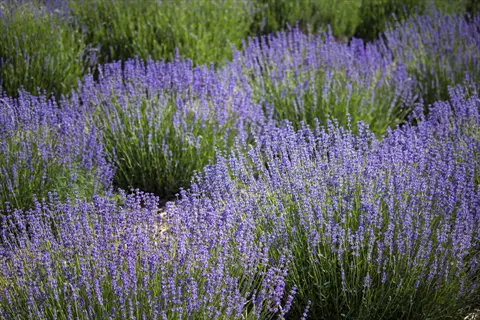
Stand in a lavender flower field during peak bloom and the scent hits you before the color does. Rows of purple stretch in every direction while bees hum between the stalks. That first breath tells you this plant is special. Most people know lavender smells good. Few realize it works just as hard in the kitchen and the medicine cabinet.
I started growing lavender 8 years ago after a trip to Provence. Farmers there showed me how they use every part of the lavender plant. NC State University says the genus holds 47 known species. Some taste great in baked goods. Others produce oils approved in Europe for stress relief.
Think of lavender as the Swiss army knife of your garden. It looks stunning along a border and draws pollinators to your vegetables. It flavors your tea and calms your nerves at bedtime. Most guides cover just one side of this plant. They teach growing lavender or they talk about its health perks, but not both.
This guide gives you everything in one place. You will find the best types of lavender for your climate, plus planting and care steps. You will also get research backed health benefits that make this plant worth every inch of garden space.
7 Popular Lavender Types
Not all lavender varieties look or smell the same. I've grown 6 different types in my own garden over the years and each one surprised me. Some filled the air with sweet perfume while others put on a better visual show. The trick is to match the right type to your climate and your goals.
You might see English lavender and French lavender labels mixed up at your local shop. Spanish lavender gets mixed up as well. Learn the botanical name and you will get what you want. These 7 lavender cultivars cover your needs from cooking to oil production to garden beauty.
English Lavender
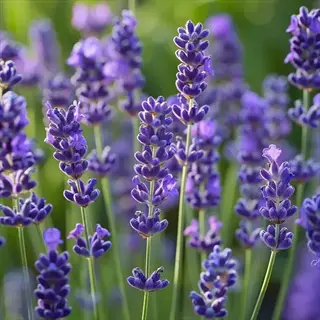
- Botanical Name: Lavandula angustifolia is the classic garden lavender prized for its sweet floral fragrance and compact growth habit reaching 2 feet (61 centimeters) tall.
- Hardiness: Thrives in USDA Zones 5 through 8, making it the most cold-hardy lavender type available and ideal for gardens in cooler northern climates.
- Best Uses: Preferred for culinary applications, essential oil production, and sachets because of its low camphor content and pure sweet lavender flavor profile.
- Bloom Period: Flowers from early to midsummer with dense spikes of purple, blue, pink, or white blooms that attract bees and butterflies to the garden.
- Popular Cultivars: Hidcote offers deep purple flowers on compact plants while Munstead blooms earlier with a lighter blue-violet color and strong fragrance.
- Care Notes: Requires full sun and perfectly drained alkaline soil. Dampness rather than cold is the primary cause of plant death according to university extensions.
French Lavender
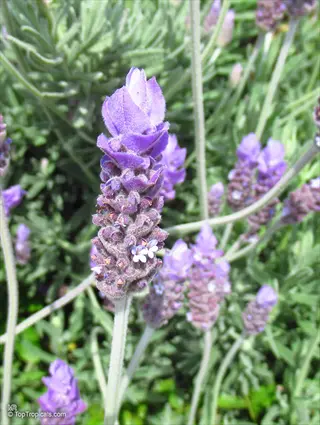
- Botanical Name: Lavandula dentata features distinctive toothed leaves that set it apart from other lavender species and give it a fern-like appearance in the garden.
- Hardiness: Grows best in USDA Zones 8 through 11 and cannot tolerate freezing temperatures, making it suited for warm Mediterranean and subtropical climates only.
- Best Uses: Primarily grown as an ornamental plant for its unique leaf texture and continuous blooming habit rather than for culinary or essential oil production.
- Bloom Period: One of the longest-blooming lavender types, producing flowers from spring through fall in warm climates with distinctive petal-topped flower heads.
- Growth Habit: Reaches 2 to 3 feet (61 to 91 centimeters) tall with a bushy rounded form and gray-green serrated foliage that adds visual texture year-round.
- Care Notes: Needs excellent drainage and warm winters. In colder zones, grow French lavender in containers and bring indoors before the first frost arrives.
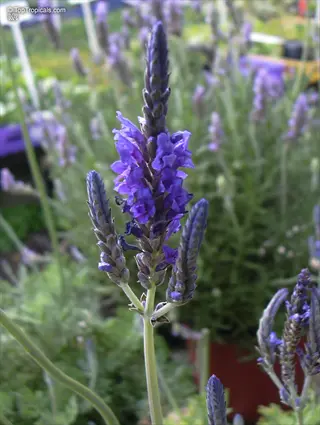
Spanish Lavender
- Botanical Name: Lavandula stoechas is instantly recognizable by its pineapple-shaped flower heads topped with showy petal-like bracts that resemble rabbit ears.
- Hardiness: Best suited for USDA Zones 8 through 11 and tolerates heat and humidity better than English lavender, though it still needs excellent drainage.
- Best Uses: Primarily ornamental, adding dramatic visual interest to gardens, borders, and containers with its unique flower shape and vibrant purple color.
- Bloom Period: Blooms from late spring through summer and may rebloom in fall. The distinctive topped flower heads provide longer visual interest than other types.
- Growth Habit: Compact plants grow 18 to 24 inches (46 to 61 centimeters) tall with silvery-green aromatic foliage that complements the bold flower structure nicely.
- Care Notes: Prefers slightly acidic to neutral soil unlike most lavenders. Prune spent flower heads regularly to encourage continuous blooming through the growing season.
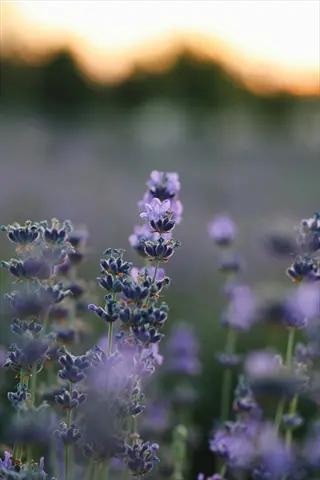
Lavandin
- Botanical Name: Lavandula x intermedia is a natural hybrid between English lavender and spike lavender, combining the best traits of both parent species.
- Hardiness: Grows well in USDA Zones 5 through 9 with good cold tolerance inherited from its English lavender parent and larger size from spike lavender.
- Best Uses: The primary commercial lavender for essential oil production worldwide because it yields significantly more oil per plant than pure English lavender varieties.
- Bloom Period: Flowers slightly later than English lavender in midsummer, producing longer stems with larger flower spikes ideal for cutting and drying in bundles.
- Growth Habit: Larger than English lavender at 2 to 3 feet (61 to 91 centimeters) tall and wide, creating impressive mounds of silvery foliage and purple blooms.
- Popular Cultivars: Grosso is the world's most widely grown commercial cultivar while Phenomenal offers exceptional heat, humidity, and cold tolerance for home gardens.
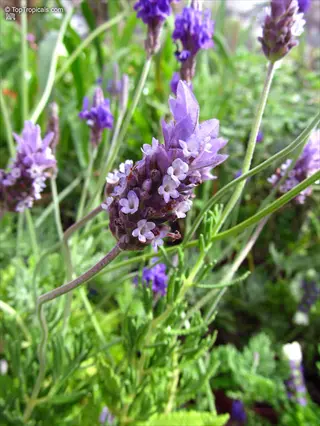
Portuguese Lavender
- Botanical Name: Lavandula latifolia, also called spike lavender or broadleaf lavender, features wider leaves and a stronger camphor-like scent than English lavender.
- Hardiness: Suited for USDA Zones 6 through 9 and tolerates warmer conditions than English lavender while handling moderate cold better than French or Spanish types.
- Best Uses: Valued in aromatherapy and traditional medicine for its high linalool and camphor content, though the stronger scent makes it less popular for cooking.
- Bloom Period: Blooms in mid to late summer, later than English lavender, with tall branching flower spikes that can reach 3 feet (91 centimeters) in height.
- Growth Habit: Produces wider, greener leaves than other lavenders with a more open branching structure that gives it a wilder, less compact garden appearance.
- Care Notes: One parent species of lavandin hybrids. Thrives in poor, rocky, alkaline soils and full sun, mirroring its native Mediterranean mountainside habitat.
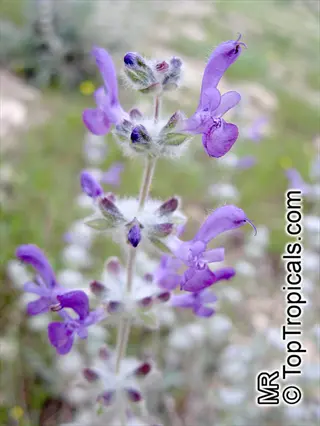
Wooly Lavender
- Botanical Name: Lavandula lanata is named for the dense white woolly hairs covering its leaves, giving it a distinctive silvery-white appearance unlike any other lavender.
- Hardiness: Best in USDA Zones 7 through 9 and native to southern Spain's mountain regions where it grows on dry rocky limestone slopes at high elevations.
- Best Uses: Prized as an ornamental specimen plant for its striking silvery foliage texture that provides year-round visual interest even when not in bloom.
- Bloom Period: Produces tall dark purple flower spikes in midsummer that create a dramatic contrast against the white woolly foliage underneath the blooms.
- Growth Habit: Compact plants grow 18 to 30 inches (46 to 76 centimeters) tall with densely felted leaves that feel soft and woolen when touched by hand.
- Care Notes: Extremely sensitive to humidity and wet conditions. Requires the best drainage of all lavender types and performs poorly in regions with summer rainfall.
Fernleaf Lavender
- Botanical Name: Lavandula multifida stands out with deeply divided, fern-like leaves that look completely different from the narrow gray leaves of most lavender species.
- Hardiness: Suited for USDA Zones 8 through 11 only and treated as an annual in colder climates. Native to the western Mediterranean and northern Africa regions.
- Best Uses: Grown primarily as an ornamental container plant or annual bedding plant, valued for its unusual leaf shape and nearly year-round flowering in warm climates.
- Bloom Period: One of the longest and most continuous bloomers among lavender species, producing blue-violet flowers on tall stems from spring through late fall.
- Growth Habit: Reaches 18 to 24 inches (46 to 61 centimeters) tall with a spreading habit and bright green lacy foliage that provides a softer texture in gardens.
- Care Notes: More tolerant of humidity than many lavenders but still requires well-drained soil. Makes an excellent container plant that can overwinter indoors near a sunny window.
Your climate zone matters most when picking a lavender type. If you live in a cold area, stick with English lavender or Lavandin for the best survival rate. Warmer zones open up Spanish and French options that bloom for longer stretches of the year.
How to Plant Lavender
Knowing how to plant lavender starts with thinking like the plant itself. Picture a vacationer on the Mediterranean coast who wants sandy ground and endless sunshine. That is what your lavender needs. Give it full sun lavender conditions with at least 6 hours of direct light each day and well-drained soil lavender can thrive in.
I learned the hard way that lavender soil requirements matter more than most people think. My first batch died in 2 months because I planted them in rich garden soil that held too much water. Lavender wants lean, gritty ground with a pH between 6.5 and 7.5. If your soil runs acidic, mix in some lime before you plant.
Your planting time depends on where you live. In USDA Zones 5 and 6, plant in spring after the soil warms up. Zones 7 and 8 give you a choice of spring or fall planting. If you garden in Zones 9 through 11, fall is your best bet so roots can settle before summer heat hits.
Growing lavender from seed takes patience. Seeds need 2 to 3 months of cold treatment before they sprout. Most growers save time and buy small nursery plants instead. Either way, wait until the soil hits 60°F before you put anything in the ground.
Lavender Care Essentials
Good lavender care sounds backwards at first. The best thing you can do for this plant is leave it alone most of the time. I killed more lavender with kindness than neglect in my first 3 years of growing it. Too much water, too much food, and too much rich soil are the top killers.
NC State Extension puts it best. Dampness rather than cold kills lavender plants. Overwatering lavender is the number one mistake new growers make. Once your plants settle in, drought tolerant lavender needs water only during long dry spells that last more than 2 weeks. First year plants need a drink once a week until their roots grab hold.
Pruning lavender is the other skill you need to master. Never cut into the old woody stems at the base of your plant. Lavender cannot grow back from bare wood. Trim about one third of last year's growth each spring and cut just above the green leaves. Deadheading lavender after the first bloom can push a second flush of flowers in late summer.
Lavender winter care depends on your zone. In cold areas, pile 2 inches of gravel around the base and cover with evergreen branches after the ground freezes. The seasonal guide below walks you through every task from spring cleanup to winter prep.
Spring Care Tasks
- Inspect Plants: Check for winter damage in early spring and remove any dead or broken stems once new green growth appears at the base of each plant.
- Light Pruning: Shape plants by trimming back one-third of the previous year's growth, cutting just above the lowest set of new green leaves on each stem.
- Soil Check: Test soil drainage by watering thoroughly and observing how quickly water drains away. If puddles remain after 30 minutes, amend with coarse sand or gravel.
- Mulch Update: Replace organic mulch with gravel or small stones around the base to reflect heat upward and keep the crown dry during spring rain.
Summer Care Tasks
- Watering Schedule: Water established plants only during extended dry spells lasting more than two weeks. New plants need water once weekly until roots are established.
- Deadheading: Remove spent flower spikes promptly by cutting stems back to the first set of leaves. This encourages a possible second flush of blooms in late summer.
- Harvesting Time: Cut stems for drying when about half the flower buds on each spike have opened, which is when essential oil concentration reaches its peak level.
- Pest Watch: Monitor for spittlebugs and whiteflies, the most common lavender pests. A strong spray of water from a hose usually controls minor infestations effectively.
Fall Care Tasks
- Final Harvest: Complete all harvesting before the first frost. Late-season pruning stimulates tender new growth that cannot survive freezing winter temperatures.
- Stop Fertilizing: Do not feed lavender in fall. Any fertilizer now would push soft new growth that is vulnerable to frost damage and weakens the plant overall.
- Drainage Check: Clear fallen leaves and debris from around plant bases. Wet organic matter trapped against stems during fall rains creates the perfect conditions for root rot.
- Container Plants: Move potted lavender to a protected spot near a south-facing wall or bring indoors to a cool bright room before nighttime temperatures drop below freezing.
Winter Care Tasks
- Cold Protection: In USDA Zones 5 and 6, mound 2 inches (5 centimeters) of gravel around plant bases and cover with evergreen boughs after the ground freezes solid.
- Avoid Wet Soil: Ensure winter drainage is excellent because cold wet soil kills more lavender than freezing temperatures alone, according to university extension research.
- Indoor Plants: Provide at least 6 hours of bright light daily for lavender wintering indoors. Reduce watering to once every two to three weeks during dormancy.
- Planning Ahead: Order new plants in late winter for spring delivery. Review which varieties performed best in your garden and replace any plants that did not survive.
Lavender Health Benefits
Most garden plants look pretty and stop there. Lavender benefits reach much further than the flower bed. Europe's medical agency now backs lavender essential oil as a stress treatment. That puts your garden lavender in rare company among plants you can grow at home.
A 2023 review looked at 11 studies with 972 people total. Breathing in lavender aromatherapy helped people feel less anxious in 10 of those tests. The lavender calming effects come from 2 key compounds in the oil. These make up almost half the oil and drive the lavender stress relief you feel when you breathe it in.
In my experience, a bottle of lavender essential oil on the nightstand works wonders before bed. The lavender for anxiety research is strong but not perfect. The NIH says lavender aromatherapy proof needs more work. Use it as a helpful tool alongside your normal health routine, not as a swap for medical care.
Lavender medicinal uses reach past calming too. Lab research shows the oil has antioxidant power and may help with soreness. The table below shows what science says about each lavender benefit area right now.
Harvesting and Using Lavender
Harvesting lavender at the right time makes all the difference in how your dried buds smell and taste. I tested this over 3 seasons and found the sweet spot. Cut your stems when about half the buds on each spike have opened. That is when the essential oil content peaks and you get the strongest scent for drying lavender or making crafts.
Pick your stems in the morning after the dew dries but before the midday heat kicks in. Use sharp shears and cut long stems down to the first set of leaves. Culinary lavender works best as edible lavender when you pick English types that taste sweet. Lavandin makes more lavender essential oil per plant but can taste bitter in food.
Drying lavender is simple. Tie 20 to 30 stems in a bundle with twine and hang them upside down in a dark, dry room. They need about 2 weeks to dry out all the way. Once dry, you can strip the buds for lavender tea, lavender crafts, sachets, or cooking. The dried lavender uses below will give you ideas for every room in your house.
Culinary Applications
- Baking: Add 1 to 2 teaspoons of dried culinary lavender buds to shortbread, scone, and cake recipes for a subtle floral flavor that pairs beautifully with lemon and honey.
- Beverages: Steep fresh or dried buds in hot water for 5 minutes to make lavender tea, or infuse simple syrup with lavender for cocktails, lemonade, and sparkling water.
- Herbes de Provence: Lavender is a traditional ingredient in this French herb blend alongside thyme, rosemary, and oregano used for seasoning meats, vegetables, and bread.
- Infused Honey: Place 2 tablespoons of dried buds in a jar of warm honey and let it steep for one week. The resulting floral honey enhances cheese boards and morning toast.
Aromatherapy and Wellness
- Sachets: Fill small fabric pouches with dried lavender buds and place them in dresser drawers, closets, and under pillows for a natural calming scent that lasts several months.
- Bath Soaks: Mix one cup of Epsom salts with a quarter cup of dried lavender buds and a few drops of lavender oil for a relaxing bath soak at the end of a long day.
- Linen Spray: Combine distilled water with a few drops of lavender essential oil in a spray bottle to mist pillows and sheets before bedtime for a soothing sleep environment.
- Eye Pillow: Sew a small rectangular pillow filled with dried buds and flaxseed. Heat slightly in the microwave and place over eyes for tension relief and gentle aromatherapy.
Home Crafts and Decor
- Dried Bundles: Gather 20 to 30 stems, tie with twine, and hang upside down in a dark dry room for two weeks. Display finished bundles in vases or tie to gift packages.
- Wreaths: Attach dried lavender bundles to a wire or grapevine wreath form using floral wire. A finished wreath provides fragrance and visual appeal for up to one year.
- Candles: Melt soy wax, add lavender essential oil at 150°F, and pour into containers with a few dried buds pressed against the glass edges.
- Potpourri: Combine dried lavender buds with dried rose petals, whole cloves, and cinnamon sticks in a decorative bowl. Add a few drops of oil monthly to refresh the scent.
Garden and Household Uses
- Natural Moth Repellent: Place sachets of dried lavender in wardrobes and storage boxes to deter moths naturally without chemical mothballs that leave an unpleasant odor on clothing.
- Cut Flowers: Harvest stems in the morning after dew dries for the longest vase life. Fresh lavender arrangements last 7 to 10 days in water with daily stem trimming.
- Companion Planting: Scatter dried lavender trimmings around vegetable beds as a light mulch. The residual scent may help discourage some pest insects from the garden area.
- Pressed Flowers: Press individual lavender sprigs between parchment paper in a heavy book for two weeks. Use the flat preserved stems in handmade cards, bookmarks, and framed artwork.
Garden Design with Lavender
Lavender garden design works in more spaces than you might expect. I've used it in cottage borders, herb spirals, and even a formal lavender hedge along my front walk. The silver green foliage and purple blooms fit almost any style. Your lavender landscape plan starts with picking the right spot and the right lavender companion plants.
What sets lavender apart is its pull on pollinators. A good lavender pollinator garden brings in bees and butterflies all season. You can build a lavender border along a path and watch it buzz with life every summer morning. The 4 design ideas below show you how to use lavender for bees and beauty in any yard.
Cottage Garden Border
- Plant Pairing: Line garden paths with low-growing English lavender varieties like Munstead alongside pink roses, salvia, and catmint for a classic cottage garden color palette.
- Layout Tip: Plant lavender in groups of three or five at the front of borders where its compact mounding shape creates a soft natural edge along walkways and garden beds.
- Color Strategy: Mix purple lavender with white flowering companions like Shasta daisies and baby's breath to create visual contrast that highlights the lavender's deep color.
- Seasonal Interest: Pair with spring bulbs planted between lavender mounds so the emerging lavender foliage hides dying bulb leaves as the season transitions to summer blooms.
Mediterranean Herb Garden
- Companion Herbs: Group lavender with rosemary, thyme, oregano, and sage in a dedicated herb section. All share the same needs for sun, drainage, and lean soil conditions.
- Gravel Mulch: Use pea gravel or crushed stone as mulch throughout the bed. This reflects heat, improves drainage, and creates the look of a Mediterranean hillside garden.
- Container Option: Plant different lavender types in large terracotta pots arranged on a sunny patio. Containers allow perfect drainage control and easy rearrangement as needed.
- Pollinator Benefit: A mixed Mediterranean herb garden with lavender as the centerpiece provides continuous nectar sources for bees from spring through late fall across different bloom times.
Formal Lavender Hedge
- Variety Choice: Hidcote or Munstead English lavender creates the most uniform low hedges at 12 to 18 inches (30 to 46 centimeters) tall when planted and pruned consistently.
- Spacing Guide: Plant hedge lavender 12 to 15 inches (30 to 38 centimeters) apart for a dense continuous line. Closer spacing fills in faster but requires more plants.
- Maintenance Shape: Trim hedges twice per year in early spring and after flowering. Use hand shears for a rounded dome shape that follows the natural growth pattern.
- Design Uses: Use lavender hedges to edge formal garden rooms, line driveway approaches, border raised vegetable beds, or create fragrant pathways that release scent when brushed.
Pollinator Wildlife Garden
- Bee Magnet: Lavender is among the top nectar plants for honeybees and bumblebees. A single mature plant can attract dozens of pollinators during its peak bloom period.
- Butterfly Appeal: Painted ladies, swallowtails, and skipper butterflies frequently visit lavender blooms. Plant near butterfly host plants like milkweed to support their full life cycle.
- Succession Planting: Combine early-blooming English lavender with later-blooming lavandin varieties to extend the nectar season from early June through August for visiting pollinators.
- Habitat Support: Leave some spent flower heads in fall rather than cutting all back. Dried seed heads provide winter food for small birds and shelter for beneficial insects.
No matter which style you choose, a lavender hedge or border gives you color, scent, and wildlife all from one tough plant. Start small with 3 to 5 plants and expand as you see what works best in your space.
5 Common Myths
Lavender needs constant watering to grow healthy and produce abundant blooms in the garden.
Lavender is drought tolerant once established and overwatering causes root rot, which is the number one killer of lavender plants.
All lavender varieties survive cold winters equally well, so any type works in any climate zone.
English lavender handles cold down to USDA Zone 5, but French and Spanish types need Zone 8 or warmer to survive winter.
You should cut lavender all the way down to the woody base each year for the best regrowth.
Cutting into old wood often kills lavender because it cannot regenerate from bare woody stems. Always leave green growth above the wood.
Lavender grows best in rich, fertile soil with plenty of organic compost mixed in for nutrients.
Lavender prefers lean, alkaline, well-drained soil and too much organic matter retains moisture that promotes root rot and fungal disease.
Lavender essential oil is scientifically proven to cure anxiety and replace prescription medications.
While 10 of 11 studies show lavender oil reduces anxiety symptoms, the NIH states evidence remains unclear and it should not replace medical treatment.
Conclusion
You now know more about the lavender flower than most gardeners learn in years of growing it. With 47 species to choose from, you can find a lavender plant that fits your climate zone and your goals. Whether you want fresh herbs for the kitchen or calming oil for your nightstand, there is a type for you.
The biggest lesson from this guide is that lavender care rewards you for doing less. Skip the extra water. Forget the rich compost. Give your plants lean soil, full sun, and good drainage. That simple formula keeps lavender alive for 10 to 15 years in most gardens. In my experience, the oldest plants come back stronger each spring when you just leave them alone.
The lavender benefits go past the garden gate too. Few plants in your yard come with research showing real effects on stress and anxiety. Growing lavender gives you a beautiful, useful, and healing plant all in one. That is hard to beat for any single spot in your garden.
Close your eyes and picture that lavender field again. The purple rows, the warm breeze, the hum of bees on every bloom. You can bring a piece of that scene home with just a few plants and the tips from this guide. Start small, pick the right type for your zone, and enjoy everything this lavender plant has to offer.
External Sources
Frequently Asked Questions
What does the lavender flower symbolize?
The lavender flower symbolizes purity, devotion, serenity, and grace. It has carried these meanings since ancient Roman and Egyptian times.
Does lavender increase gaba?
Research suggests lavender essential oil may influence GABA receptors, contributing to its calming and anxiolytic effects.
Does lavender flower all year?
Lavender does not flower all year. Most varieties bloom from late spring through summer, with some reblooming in early fall if deadheaded.
Does lavender tea lower cortisol?
Some preliminary studies suggest lavender tea may help lower cortisol levels, though more research is needed for definitive claims.
Why is lavender a queer symbol?
Lavender became a queer symbol in the early 20th century, associated with same-sex love through literary and cultural references dating to Sappho.
What is the 888 rule for lavender?
The 888 rule refers to pruning lavender by cutting back 8 inches of growth, 8 weeks after flowering, leaving 8 inches of green growth above the woody base.
Why do men like lavender?
Men appreciate lavender for its calming scent, stress-relieving properties, and its presence in modern grooming products like aftershaves and colognes.
Who should not use lavender?
People taking sedative medications, pregnant women, and those with hormone-sensitive conditions should consult a doctor before using lavender products.
What does the Bible say about lavender?
While lavender is not mentioned by name in the Bible, scholars believe the plant spikenard referenced in the Song of Solomon and John 12 may refer to a lavender relative.
What is the lifespan of lavender?
A healthy lavender plant typically lives 10 to 15 years with proper pruning and care, though some varieties may decline sooner in humid climates.