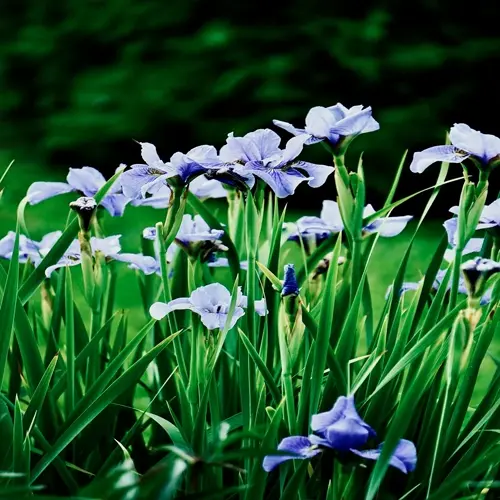

The lavender queer symbol goes back over a hundred years. By the 1920s, the color lavender had become linked to same-sex love in the West. The shade sits between pink and blue. That gave it a natural tie to lives that crossed rigid gender lines. If you have ever seen lavender at a pride event, you were looking at one of the oldest symbols in LGBTQ culture.
When I first saw lavender sprigs sold next to rainbow flags at a pride fair, I had to learn why. One booth showed a full timeline of lavender LGBTQ history that went back over 100 years. Older folks at the event wore lavender pins with pride. They told me stories about what the color meant to them in harder decades. That day changed how I see this simple plant and its deep roots in a whole community's story.
Some scholars trace the first link to the poet Sappho. She wrote about lovers crowned in lavender on the island of Lesbos in ancient Greece. By the early 1900s, literary circles used the color as code for same-sex love. The term "lavender marriage" came into use for unions that hid one partner's true self. Film stars and public figures used these setups to guard their careers. The lavender color meaning queer grew from these quiet acts of survival.
The lavender scare of the 1950s turned the symbol dark. This campaign ran alongside the Red Scare. It went after LGBTQ federal workers across the country. Officials fired thousands of people based on who they loved. They used the word "lavender" as a label for people they called risks. It was one of the cruelest chapters in American civil rights.
But the community took that pain and turned it into power. In my experience reading about this era, you find stories of courage at every turn. In the 1970s, activists in Boston created the lavender rhino as a protest symbol. They picked the rhino because it is strong and charges hard when pushed. Lavender flags and pins became your tools of pride, not shame. You can see that shift at any pride event today. Taking back a color used as a weapon gave it even more weight.
Today you see lavender all through LGBTQ culture. It shows up in your pride banners, queer gardens, and shirts that nod to the Lavender Menace era. Artists put the color on book covers and album art. Same-sex couples weave it into their wedding decor. You can grow lavender in your own yard as a way to honor this rich history. The plant that once marked people now blooms as a sign of love and strength.
If you want to learn more about this history, visit your local LGBTQ center or look for books on the lavender scare era. You will find a story of courage and reclaiming that runs deeper than most people know. Every purple bloom in your garden can remind you of the people who fought to turn a mark of shame into a badge of honor. That is the real power behind the lavender queer symbol today.
Read the full article: Lavender Flower Guide: Types, Care and Uses