
Introduction
Landscape fabric promises to end your weed problems for good. But the truth is far more complex than what the box says. Every garden center sells this weed barrier as an easy fix. NC State Extension research dating to the 1980s tells a very different story about what happens after you lay it down.
I spent over 8 years working with home garden beds and saw the same pattern play out dozens of times. Homeowners put down fabric, added mulch on top, and felt great about the choice for one season. Then the calls started about weeds growing right through the material they trusted to protect them.
Landscape fabric is like a band aid on a broken bone. It covers the problem for a short time but does nothing to fix the root cause of weeds in your yard. That NC State research showed fabric with organic mulch on top becomes just as weedy as bare ground. The weeds don't stop, and your soil health takes a hit too.
This guide shows you when landscape fabric works and when it fails. All of the advice here comes from university extension research at Penn State, UNH, and NC State. You'll learn which type to buy, how to install it right, and which weed control options give you better results.
Landscape Fabric Pros and Cons
The landscape fabric pros and cons debate gets heated in gardening circles. I've seen both sides play out in real yards over the years. The short term gains look solid, but university research shows a much darker picture down the road.
Weed suppression works great in year one. The fabric blocks annual weeds and keeps beds clean with little effort. It also helps with moisture retention by slowing surface water loss from the soil. Erosion control on gentle slopes gives you real value too. The fabric holds soil in place while your new plants get their roots set.
I once helped a client remove fabric that had been down for over 12 years. The soil beneath felt like wet clay pottery. Penn State Extension found the same thing after 20 years of fabric use. Soil compaction at that level kills the earthworms and fungi your plants need. That Penn State removal took 2 workers and 2 full days to finish.
Easy first year maintenance turns into a maintenance nightmare fast. Weeds root through the fabric and you can't pull them out clean. The fabric pokes up above your mulch line and looks awful. Your plants grow weaker because water and air can't pass through the clogged pores to reach their roots below.
Woven vs Non-Woven Fabric
Most people grab whatever fabric roll sits on the shelf without checking whether it's woven or non woven. That single choice makes or breaks your project. I've seen homeowners use non-woven landscape fabric under gravel paths only to watch it tear apart within 2 years.
Woven landscape fabric is made from polypropylene strips laced into a tight grid. This is the heavy-duty landscape fabric you want under gravel and stone paths. It handles foot traffic and heavy loads without tearing. Woven fabric can last 10 to 25 years when covered and protected from the sun.
Non-woven fabric bonds polyester fibers together into a felt like sheet. It lets water pass through much faster, with fabric permeability rates near 100 gallons per minute. That makes it a better fit for garden beds where roots need water and air flow. But it tears more under stress and lasts only 3 to 10 years at best.
Dr. Chalker Scott at WSU found that all geotextiles degrade in as little as 1 year without sun protection. Material type controls how fast this happens. Match the right fabric to your project and you avoid wasting money on a product that fails early.
Where to Use Landscape Fabric
Not every project calls for landscape fabric. Picking the wrong spot wastes your time and money. In my experience, most homeowners lay fabric in places where it's bound to fail. NC State Extension limits the right uses to paths, nursery ground cover, and spots with no plant roots below.
The list below covers every common use case with a clear verdict. You'll find landscape fabric under rock and landscape fabric for pathways in the green zone. Landscape fabric for vegetable garden rows works on a seasonal basis per SDSU Extension. Landscape fabric around trees and in permanent beds gets a firm no from every university source out there. Raised beds follow the same rules as regular garden beds for fabric. Use landscape fabric for slopes only as a short term fix while ground cover plants take root.
Under Gravel or Stone Paths
- Verdict: Recommended. Gravel pathways and decorative stone areas are the strongest use case for landscape fabric because no plant roots need to penetrate the barrier.
- Why it works: The gravel layer protects fabric from sunlight degradation, and there is no organic mulch to decompose and create a weed-friendly layer on top of the fabric.
- Installation tip: Use woven polypropylene fabric for maximum strength, and secure edges with 6-inch (15-centimeter) landscape staples every 2 to 3 feet (61 to 91 centimeters).
Seasonal Vegetable Rows
- Verdict: Acceptable with caveats. South Dakota State University Extension supports fabric for seasonal flower and vegetable production where it can be removed and replaced each year.
- Why it works: Seasonal use avoids long-term soil compaction, and fabric suppresses weeds between crop rows while drip irrigation beneath delivers water directly to roots.
- Key requirement: Cut planting holes at 2 to 3 inches (5 to 7.6 centimeters) in diameter to minimize weed intrusion, and apply all soil amendments before installing the fabric.
Permanent Flower Beds
- Verdict: Not recommended. University of New Hampshire Extension warns that fabric in permanent beds becomes a maintenance nightmare as perennial roots grow through it and become impossible to remove.
- Why it fails: Organic mulch on top decomposes into fine particles that clog fabric pores, block water, and create a new growing medium for weed seeds landing on the surface.
- Better option: Apply 3 to 6 inches (7.6 to 15 centimeters) of organic mulch directly on soil, refreshing once or twice per year for effective weed suppression without fabric.
Around Trees and Shrubs
- Verdict: Not recommended. NC State Extension specifically states you should avoid covering the roots of desirable plants with landscape fabric because it restricts gas exchange and water flow.
- Why it fails: Tree and shrub roots colonize the fabric over years, and removing old fabric risks severe root damage that can stress or kill established plants.
- Better option: Apply a thick ring of arborist wood chips or shredded bark mulch around trees, keeping mulch 3 to 4 inches (7.6 to 10 centimeters) away from the trunk base.
Slopes and Hillsides
- Verdict: Acceptable short-term only. Fabric can stabilize soil on slopes during establishment of ground cover plants, but Penn State Extension documented how mulch slides off fabric on slopes into stormwater ditches.
- Why caution is needed: The smooth fabric surface prevents mulch from gripping the slope, causing erosion of the very material meant to protect the fabric from sunlight damage.
- Better long-term approach: Plant ground cover species like creeping thyme or sedum that form a living mat, combined with biodegradable erosion blankets that break down as plants establish.
How to Install Landscape Fabric
Learning how to install landscape fabric the right way saves you from ripping it all out a year later. I've fixed bad installs where the homeowner skipped soil prep and used cheap staples. Every failure traced back to one or two skipped steps. SDSU Extension lists exact numbers for landscape staples, overlap seams, and planting holes that work.
The key rule here is simple: add all your compost, fertilizer, and soil fixes before the fabric goes down. You can't work nutrients into the ground after the barrier is in place. Set up your drip irrigation under fabric lines at this stage too. That way water reaches roots without pooling on top.
When I first started doing installs, I skipped the soil prep step and paid for it later. The plants grew weak because they sat in poor soil with no way to feed them. Now I spend a full day on prep work alone before any fabric touches the ground.
Prepare the Soil Surface
- Clear the area: Remove all existing weeds, rocks, and debris from the soil surface, then rake the ground smooth and level before laying any fabric.
- Amend soil first: Apply all compost, fertilizer, and soil amendments before installation because you cannot work nutrients into soil after fabric is in place.
- Grade for drainage: Make sure the ground slopes a bit away from structures at about 1 inch (2.5 centimeters) per foot to prevent water from pooling on top of the fabric.
Roll Out and Cut Fabric
- Measure first: Measure the area and add 6 to 12 inches (15 to 30 centimeters) extra on each side so you have enough material to overlap edges and tuck under borders.
- Orient the right way: Lay the fabric smooth side up with no wrinkles, and ensure the labeled side faces upward if the manufacturer indicates a specific orientation for water flow.
- Cut planting holes: If planting through fabric, cut X-shaped slits or circles of 2 to 3 inches (5 to 7.6 centimeters) in diameter to minimize exposed soil where weeds can sprout.
Secure With Landscape Staples
- Staple spacing: Use metal landscape staples at least 6 inches (15 centimeters) long, placing them every 2 to 3 feet (61 to 91 centimeters) along all edges and seams.
- Overlap seams right: Where two pieces of fabric meet, overlap them by at least 12 inches (30 centimeters) and staple through both layers to prevent weeds from pushing through gaps.
- Pin corners and edges: Place extra staples at all corners, around planting holes, and along any curves where fabric might lift or shift over time.
Add Covering Material
- For gravel paths: Spread 2 to 3 inches (5 to 7.6 centimeters) of gravel or stone in an even layer over the fabric, ensuring complete coverage to protect against sunlight degradation.
- For garden areas: If using mulch over fabric, apply only 1 to 2 inches (2.5 to 5 centimeters) because thick organic mulch on fabric decomposes and creates a weed-friendly layer.
- For drip irrigation: Install drip tape underneath the fabric before adding cover material so water reaches plant roots directly without being intercepted by the fabric surface.
Securing landscape fabric the right way means no shortcuts on staple count or overlap seams. The spots where fabric pulls loose or gaps form are exactly where weeds find their way in. Spend the extra 20 minutes on proper stapling now and you'll save hours of weeding later.
Alternatives to Landscape Fabric
The best alternatives to landscape fabric give you better weed control without harming your soil. I tested most of these options in my own beds before suggesting them to clients. Organic mulch is the top pick at every university.
NC State Extension says organic mulch at 3 to 6 inches deep applied once or twice per year beats fabric in every garden setting. UNH Extension adds that shredded wood chips may only need a refresh every other season. These options cost less, work better, and improve your soil instead of destroying it.
Wood Chip Mulch
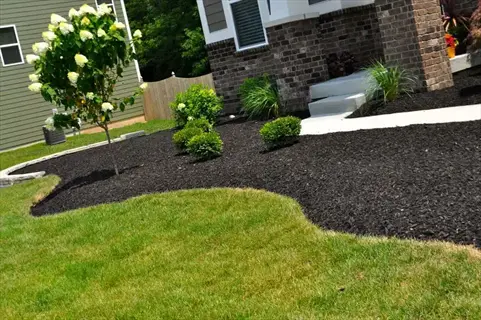
- How it works: A 3 to 6 inch (7.6 to 15 centimeter) layer of wood chips blocks sunlight from reaching weed seeds while slowly decomposing to feed the soil and beneficial organisms beneath.
- Effectiveness: Wood chips suppress weeds as effectively as landscape fabric in the first year and outperform it in following years because they improve soil health rather than degrading it.
- Maintenance: Shredded wood mulch may only need replacing every other growing season according to University of New Hampshire Extension, making upkeep simple and infrequent.
- Soil benefits: Unlike fabric, wood chips add organic matter to soil as they break down, supporting earthworms, beneficial fungi, and healthy microbial communities that fight plant disease.
- Best for: Permanent flower beds, shrub borders, tree rings, and any planting area where you want long-term weed suppression without harming plant root health over time.
- Cost factor: Many municipalities and tree service companies offer free wood chips, making this one of the most affordable ground cover options available to homeowners.
Cardboard Sheet Mulching
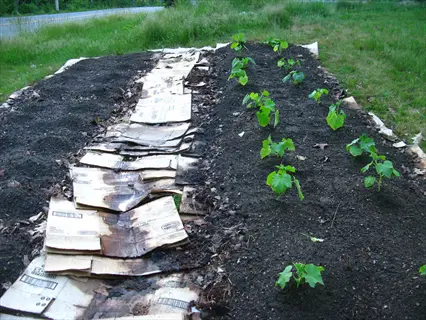
- How it works: Lay overlapping sheets of plain corrugated cardboard directly on soil, then cover with 3 to 4 inches (7.6 to 10 centimeters) of mulch to smother existing weeds and grass underneath.
- Effectiveness: Cardboard blocks light completely for 6 to 12 months while it decomposes, killing most annual and perennial weeds by the time it breaks down into the soil.
- Maintenance: This is a one-time application that requires no removal because the cardboard biodegrades naturally, unlike landscape fabric which becomes a permanent maintenance burden.
- Soil benefits: Cardboard attracts earthworms that break it down and aerate the soil beneath, creating ideal growing conditions by the time you are ready to plant through the decomposed layer.
- Best for: Converting lawn to garden beds, smothering invasive weeds, starting new planting areas, and any situation where you want temporary weed suppression that improves rather than harms soil.
- Cost factor: Cardboard is essentially free if you save shipping boxes, making it the most budget-friendly weed barrier method available for home gardens and landscapes.
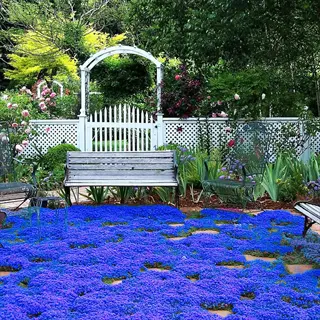
Ground Cover Plants
- How it works: Low-growing perennial plants like creeping thyme, sedum, and clover spread to form a living carpet that shades out weeds while providing habitat for pollinators and beneficial insects.
- Effectiveness: Once established, a dense ground cover outperforms any synthetic barrier because it actively competes with weeds for sunlight, water, and nutrients instead of passively blocking them.
- Maintenance: Ground covers need watering during the first season to establish, but after that they require minimal care and many varieties tolerate foot traffic and poor soil conditions.
- Soil benefits: Living ground covers build soil health through root activity, prevent erosion far better than fabric on slopes, and support the full ecosystem of organisms that healthy gardens need.
- Best for: Slopes and hillsides prone to erosion, areas between stepping stones, under trees where grass struggles to grow, and any spot where you want a permanent living weed barrier.
- Cost factor: Initial plant cost is higher than other alternatives, but ground covers spread over time to fill large areas and never need replacing once they are fully established.
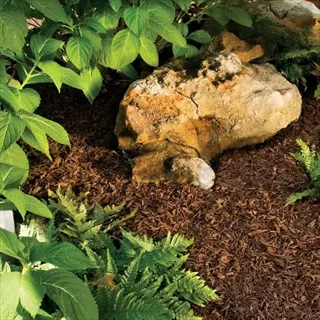
Shredded Leaf Mulch
- How it works: Run fallen autumn leaves through a lawn mower or shredder and spread the pieces 3 to 4 inches (7.6 to 10 centimeters) deep around plants to block weed growth and retain soil moisture.
- Effectiveness: Shredded leaves form a dense mat that suppresses weeds effectively for one growing season, and they decompose faster than wood chips to deliver nutrients directly to plant roots.
- Maintenance: Leaf mulch needs refreshing each year since it breaks down within a single growing season, but the decomposition is a feature rather than a flaw because it constantly enriches the soil.
- Soil benefits: Leaves are a natural source of carbon, trace minerals, and organic matter that feed soil organisms, and unlike landscape fabric they improve drainage and soil structure as they break down.
- Best for: Vegetable gardens, annual flower beds, and any area where you replant each season and want a mulch that enriches the soil before the next round of planting begins.
- Cost factor: Leaf mulch costs nothing if you collect leaves from your own yard or neighbors, making it the most sustainable and economical seasonal mulch option available.
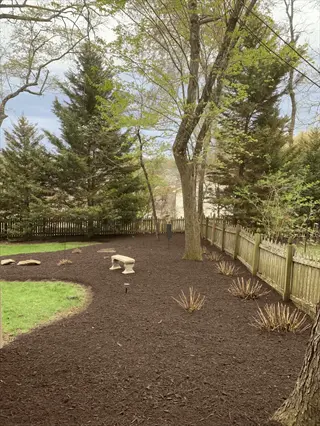
Pine Straw Mulch
- How it works: Pine straw needles interlock to form a thick weed-blocking mat that stays in place on slopes better than any other organic mulch because the needles grip each other and the soil surface.
- Effectiveness: A 3 to 4 inch (7.6 to 10 centimeter) layer of pine straw suppresses annual weeds effectively for one full growing season and resists washing away in heavy rain or on inclines.
- Maintenance: Pine straw decomposes slowly compared to leaf mulch, typically lasting 6 to 12 months before needing a fresh top layer, and it does not compact or form a crust like some wood mulches.
- Soil benefits: Contrary to popular belief, pine straw does not significantly acidify most soils, and it supports healthy soil biology while allowing excellent water penetration and air circulation to roots.
- Best for: Slopes where other mulches slide or wash away, acid-loving plants like azaleas and blueberries, and large landscape areas where you need affordable coverage that stays put.
- Cost factor: Pine straw is widely available and affordable in regions with pine trees, and a single bale covers roughly 30 to 40 square feet (2.8 to 3.7 square meters) at proper depth.
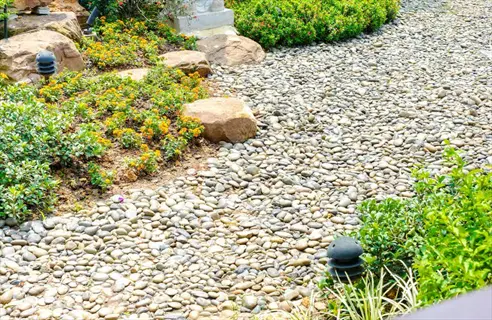
Gravel or Crushed Stone
- How it works: A 2 to 3 inch (5 to 7.6 centimeter) layer of gravel or crushed stone creates a permanent inorganic ground cover that blocks sunlight and provides excellent drainage in areas where plants are not growing.
- Effectiveness: Gravel suppresses weeds well in non-planted areas like pathways and driveways, though windblown seeds can eventually sprout in dust that accumulates between stones over many years.
- Maintenance: Gravel is essentially permanent and requires no replacement, but you may need to rake it level periodically and pull the occasional weed that roots in surface debris.
- Soil benefits: Gravel does not improve soil health, but it also does not degrade it the way landscape fabric does because it allows full air and water circulation to the ground beneath.
- Best for: Pathways, driveways, dry creek beds, xeriscaping projects, and any non-planted area where you want a clean permanent surface that handles foot traffic and heavy rain.
- Cost factor: Gravel has a higher upfront cost than organic mulches but it never needs replacing, making it the most economical long-term option for permanent non-planted ground cover areas.
Sheet mulching with cardboard weed barrier layers topped by wood chips is my personal go to method for new beds. It costs almost nothing and builds great soil. For permanent ground cover plants, allow one full growing season before judging results. The shredded leaves you rake each fall work great as free seasonal mulch too.
Environmental Impact of Fabric
No other guide on this topic covers the landscape fabric environmental impact, and that's a big problem. The damage goes far beyond your garden beds. In my experience, landscape fabric microplastics alone are reason enough to think twice.
Here's what happens over time. The polypropylene in landscape fabric breaks down from sun, heat, and water exposure. As it degrades, it sheds tiny plastic fragments into the soil around it. Published studies show these microplastics change soil and hurt plant growth. The cycle gets worse each year.
Your soil microbiome takes a direct hit from this process. The fungi, bacteria, and organisms that keep your garden alive struggle in soil loaded with plastic bits. Earthworms avoid these areas, which means less natural aeration and fewer nutrients moving through the ground. I've dug up beds where the soil under old fabric was almost lifeless compared to bare ground 10 feet away.
The damage reaches beyond soil. Ground-nesting bees make up about 70% of native bee species, and they need bare or lightly covered soil to build nests. Fabric creates a barrier they can't dig through. When you lose these pollinators, your whole garden suffers from poor fruit and flower production.
Landscape fabric is non-biodegradable and creates lasting plastic waste. Every piece you rip out ends up in a landfill for hundreds of years. Organic mulch feeds your soil when it breaks down. Fabric gives nothing back. The full landscape fabric environmental impact makes it a bad fit for eco minded yards.
5 Common Myths
Landscape fabric permanently stops all weeds from growing in your garden beds and eliminates the need for any weeding.
University research since the 1980s proves that once organic mulch is placed on top, fabric becomes just as weedy as bare ground within a few years.
Landscape fabric is a set-it-and-forget-it solution that never needs replacement or maintenance once installed.
Fabric degrades in as little as one year in sunlight, and even under mulch it clogs with soil particles, surfaces above ground, and traps roots over time.
Putting landscape fabric under mulch in flower beds helps plants grow healthier by keeping moisture in the soil.
Fabric actually reduces water infiltration, blocks gas exchange, raises soil temperature, and produces less vigorous plants according to university extension research.
All types of landscape fabric perform the same way, so the cheapest option at the hardware store works fine.
Woven and non-woven fabrics differ significantly in strength, water permeability, and lifespan, and choosing the wrong type leads to premature failure.
Landscape fabric is safe for the environment because it stays in the ground and does not create any pollution or waste.
Polypropylene fabric releases microplastics as it degrades, harms ground-nesting bees, disrupts soil microbiomes, and creates non-biodegradable waste in landfills.
Conclusion
Landscape fabric has a place in your yard, but that place is much smaller than most people think. Use woven fabric under gravel paths and stone areas where no plants grow. Use it for seasonal vegetable rows that you pull up each year. Skip it for every other weed control situation.
The research from Penn State, NC State, and UNH all points to the same truth. Fabric hurts soil health over time, traps roots, blocks water, and becomes a weed barrier that stops working within a few seasons. I've seen this play out in hundreds of yards over my career. The short term gains never outweigh the long term pain.
For permanent beds, trees, and shrubs, switch to organic mulch at 3 to 6 inches deep. NC State Extension calls this the preferred option for any area where plants grow. Wood chips, shredded leaves, and pine straw all beat fabric for weed control while feeding your soil at the same time.
Your decision comes down to one simple question. Does your project have plants growing in the ground? If yes, skip the landscape fabric and use organic mulch. If no, grab a roll of woven weed barrier and install it under your gravel or stone. That single choice saves you years of frustration and keeps your garden soil alive.
External Sources
Frequently Asked Questions
What is landscape fabric?
Landscape fabric is a synthetic textile made from polypropylene or polyester that is placed on soil to suppress weed growth while allowing water and air to pass through.
What are the disadvantages of landscape fabric?
Landscape fabric compacts soil, reduces water infiltration, harms beneficial organisms, traps plant roots, and becomes a maintenance problem as weeds eventually grow through it.
What is a substitute for landscape fabric?
The best substitutes include organic mulch at 3 to 6 inches deep, cardboard sheet mulching, ground cover plants, and shredded leaves or wood chips.
What type of landscape fabric is best?
Woven polypropylene fabric is best for heavy-duty applications like under gravel, while non-woven fabric is better for garden beds needing water drainage.
How long will landscape fabric last?
Landscape fabric lasts 1 to 15 years depending on material quality, sunlight exposure, and whether it is covered with mulch or gravel.
Is landscape fabric a waste?
For permanent garden beds, university research suggests landscape fabric is a waste because it causes long-term soil and plant health problems that outweigh short-term weed control.
Can I use old sheets as landscape fabric?
Old cotton sheets can work as a temporary weed barrier but they decompose within one growing season and offer far less durability than purpose-made fabric.
What is the cheapest way to cover the ground?
Cardboard layered with wood chips or shredded leaves is the cheapest ground cover method, costing little to nothing if you source materials locally.
Can I use cardboard instead of landscape fabric under gravel?
Cardboard works under gravel temporarily but decomposes within 1 to 2 years, making it unsuitable for permanent gravel paths where woven fabric performs better.
What landscape fabric do nurseries use?
Commercial nurseries typically use heavy-duty woven polypropylene ground cover fabric rated for 40 or more years of use in high-traffic areas.