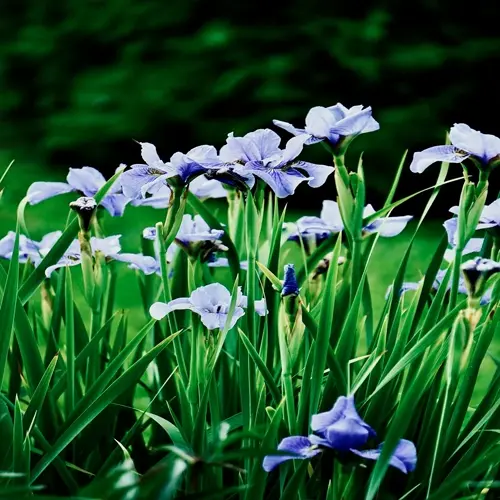

What does the lavender flower symbolize at its core? Four big ideas stand behind this bloom: purity, devotion, serenity, and grace. These meanings go back thousands of years. They still shape how you use lavender in bouquets and gifts today.
I first grasped the lavender flower meaning on a trip to Provence about six years ago. Purple blooms stretched to the horizon in every direction. A local farmer said his family put lavender in wedding bouquets for three generations. They saw it as a sign of faithful love. That moment showed me why this plant means so much to people all over the world.
The roots of lavender symbolism go all the way back to Rome and Egypt. Romans added lavender to their baths. The plant's name comes from the Latin word lavare, meaning "to wash." That ritual gave lavender its strong tie to purity and cleanliness. The Egyptians went even further. They added lavender to their burial rites. For them, the plant meant devotion that goes beyond death. It was a way to honor the dead with care and love.
Victorian England gave you another layer of meaning. In the language of flowers that Victorians loved, lavender had a double edge. It could mean deep devotion from one sender. From another, it hinted at quiet distrust. The shade of purple mattered too. Light hues meant tender love. Darker tones meant caution. Modern brides kept the positive side going. You now see lavender paired with roses in bridal bouquets to show loyalty and lasting love.
Weddings and Engagements
- Core message: Devotion and faithful love between partners, making it a top pick for your bridal bouquets and table settings.
- How to use it: Mix fresh lavender stems with white roses for a classic look that smells great and carries deep meaning.
- Cultural note: French and English wedding customs both use lavender as a good luck charm for newlyweds.
Sympathy and Remembrance
- Core message: Serenity and peaceful rest for those grieving a loss, bringing comfort through a gentle fragrance.
- How to use it: Place dried lavender sachets with sympathy cards or add sprigs to memorial wreaths for a calming touch.
- Cultural note: The Egyptian link to the afterlife makes lavender a fitting choice for honoring someone you have lost.
Housewarming and Friendship
- Core message: Purity and calm energy for a new space, welcoming fresh starts with a clean and peaceful feel.
- How to use it: Gift a potted lavender plant or a bundle of dried stems tied with ribbon as a thoughtful present.
- Cultural note: The Roman bathing tradition links lavender to a clean sanctuary, which fits a new home gift well.
In my experience, the lavender spiritual meaning hits you the moment you walk into a garden full of it. Monks grew lavender in their gardens during the Middle Ages for healing and prayer. Herbalists in many cultures burned dried lavender to clear out bad energy. This thread ties back to the same core idea of purity that Romans valued long ago. You can still feel that power when you brush past the blooms and breathe in.
Your choice of lavender color also shifts the message you send. Light purple blooms carry a softer tone of young love and tenderness. Deep violet shades speak to mature devotion and deep respect. White lavender stands for purity in its most direct form. Keep these color codes in mind when you pick stems for your next bouquet or gift arrangement.
Pick lavender for your next wedding to say "my love is faithful." Add it to a sympathy gift when you want to send peace. Bring a potted plant to a friend's new home for calm and purity. You can also tuck dried sprigs into your own pillow each night for a dose of serenity and better sleep. Few flowers carry this many layers of meaning in one stem. That depth shows what the lavender flower symbolize across all these traditions. Once you know the stories behind this bloom, you will never look at a purple sprig the same way again.
Read the full article: Lavender Flower Guide: Types, Care and Uses