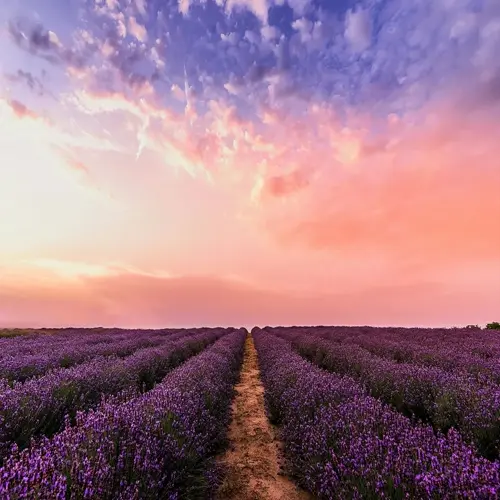

Yes, lavender is a lavender perennial plant that comes back year after year when it gets the care it needs. It's not an annual you have to replant each spring. Pick the right variety for your climate and give it basic care. A single lavender perennial can live for over a decade in your garden.
The short answer to does lavender come back is a solid yes, but the full answer depends on your growing zone and how you prepare for winter. I've watched my English lavender plants survive five straight winters in zone 6 with nothing more than a layer of gravel mulch around the base. A friend in zone 5 lost hers two years in a row because she didn't protect the crown from ice and standing water. Same plant type, different results based on care.
Most people think of lavender as a flower, but it's a woody subshrub. This distinction matters because herbaceous perennials die back to the ground each winter and send up fresh green shoots in spring. Lavender keeps its woody stems above ground all year long. Those stems look gray and bare in winter, which fools people into thinking the plant died. Give it time and you'll see green growth push out from the woody branches once the soil warms up.
USU Extension data shows that lavender can survive 10 to 15 years with proper care. English lavender handles USDA zones 5 through 10 and is the hardiest choice for cold climates. French and Spanish types need zone 7 or warmer to make it through winter. Picking the wrong variety for your zone is the fastest way to turn a perennial plant into a one-season disappointment.
Making your lavender grow back yearly comes down to a few key factors. Winter drainage tops the list. Wet, frozen soil around the roots kills more lavender than cold air ever does. A plant that sits in soggy ground through January won't make it to April no matter how cold-hardy the variety claims to be.
Annual pruning is the other secret to long-term survival. Cut your lavender back by about one-third right after it finishes blooming in late summer. This keeps the plant from getting too woody at the base. Without pruning, the center splits open and dies outward. Never cut into old wood that has no green growth on it. Lavender won't sprout new shoots from bare woody stems.
In my experience, skipping pruning leads to disaster. I left one of my Munstead plants unpruned for two full years to see what would happen. By the third spring, the center had turned into a dead, woody ring with green growth only at the tips. The plant looked terrible and bloomed half as much as its pruned neighbors. I cut it back hard that summer and it never recovered. That experiment proved to me that annual pruning isn't optional if you want lavender to stay healthy long term.
Winter protection helps in colder zones. Spread a 2-inch layer of gravel or pea stone around the base of the plant in late fall. Gravel works better than bark mulch because it doesn't hold moisture against the stems. If you get heavy snow, don't worry about the weight on the branches. The real danger is ice sitting at the crown where the stems meet the soil. Clear away any ice buildup you notice during winter thaws.
Match your variety to your zone, keep drainage sharp through winter, and prune every year after flowering. Do these three things and your lavender perennial will keep showing up each spring with fresh growth and plenty of blooms for years to come.
Read the full article: Lavender Plant: How to Grow and Care