

Introduction
A lilac bush brings something special to your yard that few other flowering shrubs can match. That sweet perfume hits you every spring. Purple and lavender blooms fill every branch while pollinators buzz through the clusters. People have grown Syringa vulgaris for centuries. It still serves as New Hampshire's state flower today.
A lilac bush is like a loyal neighbor. It shows up every spring without fail and fills the air with something wonderful. I've grown lilacs in 3 different gardens over 15 years. Each time they became the plant visitors asked about most. These shrubs give you 10 to 14 days of spring blooms each season with just 6 hours of daily sunlight in USDA zones 3 through 7.
Most guides won't tell you that lilac flowers do far more than look pretty. They draw in butterflies, hummingbirds, and long tongued bees when few other nectar sources exist. The leaves host caterpillars of the Promethea silkmoth too. Lilac flowers are also edible and work great in syrups, fritters, and salad garnishes.
This guide covers what you need to grow lilacs that reward you with bold spring blooms year after year. You'll find the best varieties for your space and proven pruning methods. You'll also learn creative ways to use your harvest in the kitchen.
8 Best Lilac Bush Varieties
Picking the right lilac varieties makes all the difference in how your garden looks and performs. I plant a mix of early, mid, and late blooming types in my own yard. This bloom sequencing trick stretches your lilac season from a quick 2 weeks into a full 6 weeks of color and fragrance.
The 8 varieties below cover every garden size and style you might need. You'll find compact dwarf lilac options like Miss Kim lilac for your small spaces. Reblooming lilacs like the Bloomerang lilac give you flowers well past spring. The Japanese tree lilac works great if you want shade too. I've tested each disease resistant lilac on this list, and they all earned their spot through real garden performance.
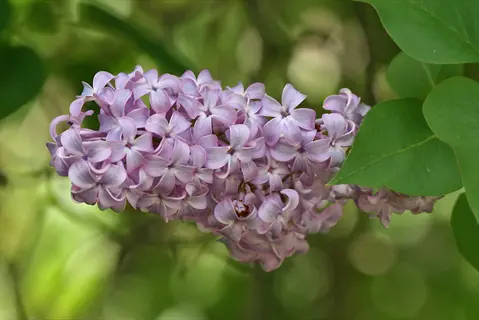
Common Lilac (Syringa vulgaris)
- Height and Spread: Grows 8 to 16 feet (2.4 to 4.9 meters) tall with a spread of 6 to 12 feet (1.8 to 3.7 meters), forming a dense upright multi-stemmed shrub.
- Fragrance: Produces the classic intense lilac fragrance that most gardeners associate with this genus, making it a top choice for cut flower arrangements.
- Hardiness: Thrives in USDA zones 3 through 7 and tolerates cold winters down to minus 40 degrees Fahrenheit (minus 40 degrees Celsius) without damage.
- Bloom Color: Offers purple to lavender panicles up to 8 inches (20 centimeters) long that appear in mid to late spring on previous year's wood.
- Maintenance: Rated low maintenance by NC State Extension but benefits from annual renewal pruning to remove one-third of the thickest stems at the base.
- Best Use: Ideal for hedgerows, property borders, and large foundation plantings where its full size and strong fragrance can be appreciated from a distance.
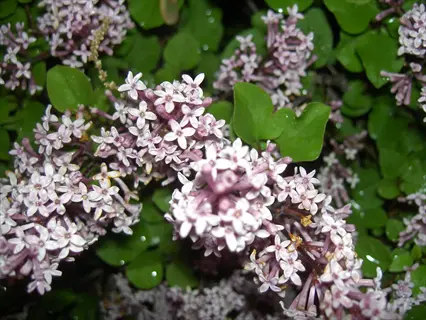
Dwarf Korean Lilac (Miss Kim)
- Height and Spread: Reaches only 4 to 9 feet (1.2 to 2.7 meters) tall, making it one of the most compact lilac options for small gardens and tight spaces.
- Disease Resistance: Academic research from a 4-year study found that S. meyeri Dwarf Korean displays resistance to powdery mildew, bacterial blight, and Alternaria blight.
- Fragrance: Delivers a lighter, sweeter scent compared to common lilac with pale lavender buds that open to ice-blue flowers in late spring.
- Fall Color: Unlike most lilacs, Miss Kim develops attractive burgundy-red fall foliage that adds a second season of visual interest to the landscape.
- Container Growing: Its compact size makes it well suited for large containers on patios or balconies, needing at least a 24 inch (61 centimeter) diameter pot.
- Best Use: Perfect for small gardens, foundation plantings, low hedges, and mixed perennial borders where a full-size lilac would overwhelm the space.
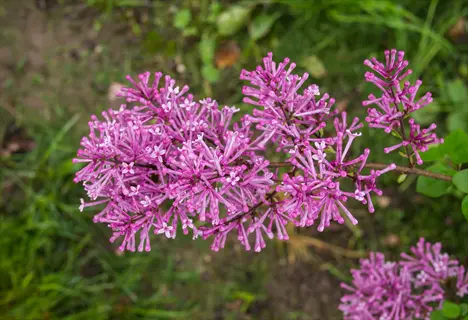
Bloomerang Dark Purple Lilac
- Reblooming Trait: The standout feature of this variety is its ability to rebloom from midsummer through fall after the initial spring flush, extending lilac season by months.
- Height and Spread: Stays compact at 4 to 6 feet (1.2 to 1.8 meters) tall and wide, fitting neatly into smaller landscape designs without heavy pruning.
- Fragrance: Produces strong fragrant dark purple flowers on both old and new wood, unlike traditional lilacs that only bloom on previous year's growth.
- Hardiness: Grows well in USDA zones 3 through 7 and maintains its reblooming habit even in colder northern climates with proper winter chill.
- Maintenance: Benefits from deadheading spent spring blooms to encourage faster summer rebloom, but otherwise requires the same low care as standard lilacs.
- Best Use: Excellent choice for gardeners who want lilac fragrance beyond the typical two-week spring window, ideal for entryways and sitting areas.
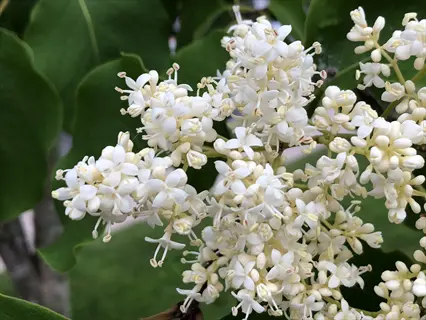
Japanese Tree Lilac (Syringa reticulata)
- Growth Form: Grows as a single-trunk small tree reaching 20 to 30 feet (6.1 to 9.1 meters) tall rather than the typical multi-stemmed shrub form of common lilacs.
- Bloom Timing: Flowers appear in early summer, about 2 to 3 weeks after common lilacs finish, extending the overall lilac season when planted alongside shrub varieties.
- Flower Appearance: Produces large creamy white flower panicles up to 12 inches (30 centimeters) long with a honey-like fragrance that differs from the classic lilac scent.
- Bark Interest: Features attractive glossy reddish-brown bark similar to cherry trees that provides year-round visual appeal even after leaves drop in fall.
- Tolerance: Shows strong tolerance for urban conditions including air pollution, compacted soil, and road salt, making it popular as a street or parking lot tree.
- Best Use: Works well as a specimen tree, street tree, or focal point in larger landscapes where its tree form provides structure and shade.
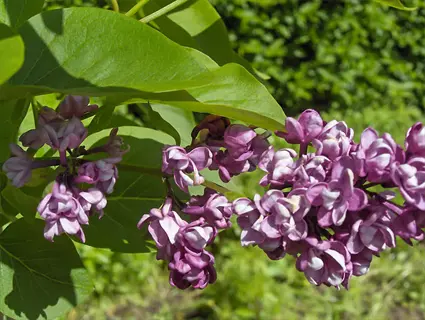
Charles Joly Lilac
- Bloom Type: Produces double-flowered blooms in a deep magenta-purple color that stands out from the lighter shades of most common lilac cultivars.
- Height and Spread: Grows 8 to 12 feet (2.4 to 3.7 meters) tall with a similar spread, forming a dense rounded shape that works well in formal garden settings.
- Fragrance: Delivers an intense classic lilac fragrance that carries well across a garden, often considered one of the most fragrant named cultivars.
- Heritage: Bred in France in 1896, this heirloom variety has proven its reliability over more than a century of cultivation across Europe and North America.
- Bloom Timing: Flowers in mid-spring with panicles that are much fuller and more layered than single-flowered varieties due to the doubled petal count.
- Best Use: Outstanding as a specimen shrub, in cottage gardens, or along walkways where visitors can appreciate the rich color and intense fragrance up close.
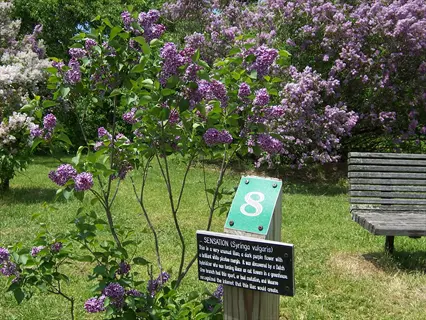
Sensation Lilac
- Unique Flowers: The only widely available lilac with bicolor blooms featuring single purple petals edged in white, creating a striking picotee pattern unlike any other variety.
- Height and Spread: Grows 8 to 15 feet (2.4 to 4.6 meters) tall and 6 to 12 feet (1.8 to 3.7 meters) wide with a classic upright vase-shaped growth habit.
- Fragrance: Offers a moderate lilac fragrance that is lighter than varieties like Charles Joly but still noticeably sweet during peak bloom in mid-spring.
- History: Found as a natural sport in the Netherlands in 1938, this variety remains one of the most striking lilacs available to home gardeners.
- Cut Flowers: The unique bicolor blooms make outstanding and memorable cut flower arrangements that stand apart from solid-colored lilac bouquets.
- Best Use: Works as an eye-catching specimen plant, conversation piece, or focal point in mixed borders where its unusual coloring draws attention.
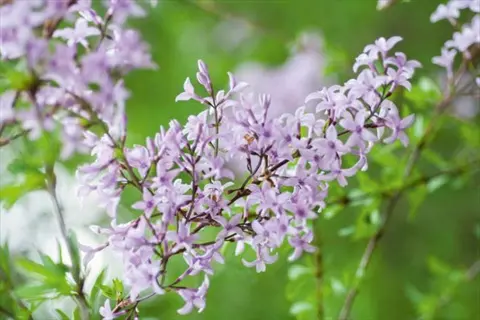
Cutleaf Lilac (Syringa laciniata)
- Unique Foliage: Features deep lobed, fine cut leaves that give the shrub a delicate, almost fern-like texture unlike the smooth heart-shaped leaves of common lilacs.
- Warm Climate Tolerance: Requires less winter chill than common lilac, making it one of the best choices for gardeners in warmer USDA zones 4 through 8.
- Height and Spread: Stays moderate at 6 to 8 feet (1.8 to 2.4 meters) tall with a graceful arching growth habit that lends itself to informal garden designs.
- Bloom Color: Produces small clusters of pale lavender flowers in mid-spring with a light pleasant fragrance that attracts butterflies and pollinators.
- Drought Tolerance: Shows better drought resistance than many other lilac species once established, making it well suited for drier climates and water-conscious gardens.
- Best Use: Excellent for southern and transitional climates where common lilacs struggle, and for gardeners who want a more refined textural look in the landscape.
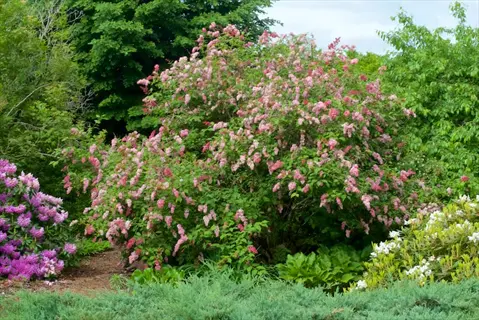
Miss Canada Lilac
- Bloom Color: Produces bright reddish-pink flower panicles that are among the most vibrant of all lilac cultivars, standing out in any spring garden.
- Late Blooming: Flowers about 2 weeks after common lilacs, extending the lilac season when planted alongside earlier varieties for a planned bloom succession.
- Cold Hardiness: Bred as a Preston hybrid in Canada, this variety tolerates extremely cold winters in USDA zones 2 through 7, thriving where others may struggle.
- Height and Spread: Grows 6 to 9 feet (1.8 to 2.7 meters) tall with an upright oval form that is a bit more compact than common lilac cultivars.
- Disease Resistance: Preston hybrids including Miss Canada tend to show improved resistance to powdery mildew compared to common lilac varieties.
- Best Use: Ideal for northern gardens, mixed shrub borders, and for extending the lilac season by planting alongside earlier-blooming common and Korean varieties.
Smart variety choices give you the longest bloom season with the fewest problems. I suggest you start with a common lilac for fragrance and add a dwarf type for your small spots. Then plant a late bloomer like Miss Canada to keep flowers going for weeks past the normal window.
Planting and Soil Preparation
Knowing how to plant lilac bush starts with getting your soil right before anything goes into the ground. Think of soil pH lilacs need like a thermostat for your plant. Set it to neutral and your lilac runs well. Go too acidic and it can't absorb nutrients no matter how much you feed it.
The best soil for lilacs falls in a pH range of 6.0 to 8.0 based on NC State Extension data. UMN Extension points to 7.0 or a bit above as the sweet spot. I tested my soil every spring with a $15 probe meter from any garden center and found the results are worth the effort. If your reading comes in below 6.5, work garden lime into the top 6 inches at about 5 pounds per 100 square feet. Give it 2 to 3 months to adjust before planting lilac bushes.
Your planting site needs well-drained soil and at least 6 hours of full sun each day. Lilacs hate wet feet, so avoid low spots where water pools after rain. I always dig a hole twice as wide as the root ball but no deeper. Set the crown right at the soil line and backfill with the same dirt you dug out. Fall planting lilacs works best because roots get settled before winter sets in. Just don't expect much the first year since the USDA notes new plants produce few or no blooms while they adapt.
Your local climate matters beyond just the hardiness zone on the tag. Lilacs prefer low humidity and can struggle in the Southeast where muggy summers fuel disease. If you live in a hot dry region, water deep once a week instead of light daily sprinkles. Watch for microclimates in your yard too. A south facing wall reflects heat and can stress your lilac, while a frost pocket on the north side of your house may delay blooms. Pick a spot with good air flow and morning sun for the best results.
Pruning and Maintenance
Pruning lilacs at the wrong time is the number one reason gardeners lose a whole season of blooms. I learned this the hard way when I cut back my first lilac in late fall and got zero flowers the next spring. Lilacs are old wood blooming shrubs, so they set next year's buds right after the current flowers fade. The golden rule for when to prune lilacs is simple. Do it within 2 to 3 weeks after the last petals drop and never later than mid June.
Think of pruning lilacs like giving the shrub a haircut. Trim right after it finishes blooming in spring and it has all summer to grow back and set new buds. UMN Extension lists 4 main causes of bloom failure for lilacs. Those are lack of establishment, not enough sun, excess nitrogen from lawn fertilizer, and wrong pruning time. You can fix 3 of those yourself with good timing and smart feeding habits. Deadheading lilacs after bloom also helps your plant push energy into next year's buds instead of making seeds.
Annual Renewal Pruning
- When to Do It: Perform renewal pruning right after spring flowers fade, in late May or early June, before the plant begins setting next year's buds.
- How It Works: Remove about one-third of the oldest and thickest stems by cutting them all the way down to ground level to encourage fresh new growth.
- Why It Matters: This method keeps the shrub producing strong young stems that flower more than old woody branches, and maintains bloom quality year after year.
Rejuvenation Pruning
- When to Do It: Use this method in late winter before spring growth begins, but save it for severe cases where the lilac bush looks overgrown or neglected.
- How It Works: Cut the entire plant down to 6 to 12 inches from the ground, which forces a full flush of new growth from the root system.
- Important Note: UMN Extension recommends this approach for Korean and Meyer lilac types, and you should expect to lose 1 to 3 years of blooms during regrowth.
Deadheading Spent Blooms
- When to Do It: Snip off faded flower clusters as soon as petals brown and drop, within 2 weeks of bloom ending to redirect energy away from seed production.
- How It Works: Cut the spent panicle back to the first set of leaves or lateral branch below it using clean sharp pruners to avoid tearing the stem.
- Benefit for Rebloomers: Deadheading is extra important for reblooming varieties like Bloomerang, as removing spent spring flowers speeds up the summer rebloom cycle.
Sucker Management
- When to Do It: Remove unwanted root suckers through the growing season as they appear around the base. Keep just the stems you want as part of the main shrub.
- How It Works: Pull or cut suckers at their point of origin from the root or base stem rather than just trimming at ground level, which prevents regrowth.
- When to Keep Them: If your lilac grows on its own roots rather than a graft, healthy suckers can fill in a hedge or you can dig them up and transplant as new plants.
Lilac suckers removal takes just a few minutes each month during the growing season. I walk around my bushes every 2 weeks and pull any new shoots that pop up where I don't want them. This small habit keeps your lilac looking tidy and puts all the plant's energy into making flowers instead of spreading out.
Pests and Disease Solutions
Most lilac bush problems look worse than they are. I spent years worrying about powdery mildew lilac issues on my older bushes before I learned the truth. Treating powdery mildew on lilacs is like treating a surface stain on fabric. It sits on top rather than soaking through, so your plant is not in real danger. That said, lilac diseases like bacterial blight lilac and lilac borers need fast action to prevent real damage.
A 4 year study tested 56 lilac types against the 3 worst diseases. Dwarf Korean and Palibin stood out as disease resistant lilac varieties. They fought off powdery mildew, bacterial blight, and Alternaria blight in every test. A BMC Chemistry study also found 302 natural compounds in lilac plants that boost their defenses. The table below helps you spot symptoms and fix them fast.
Your best defense is picking the right variety from the start. I switched to disease resistant types in my second garden and noticed a huge change. If you grow an older common lilac, focus on good air flow and clean pruning tools to keep problems small.
Pollinator and Wildlife Value
A lilac bush does more for your yard than just look and smell great. It turns your space into a working pollinator garden that feeds dozens of species during a tough time of year. Lilacs bloom during a gap between early spring bulbs and summer flowers when beneficial insects and birds struggle to find food. I noticed this in my own garden when I planted my first lilac and watched the whole yard come alive with wings within days.
NC State Extension shows that lilac attracts butterflies. Your lilac attracts hummingbirds as well as long tongued bees and moths. The tubular flower shape fits their feeding tools just right. Your lilac also serves as a host plant for caterpillars of the Promethea silkmoth, Royal Walnut Moth, and Laurel sphinx. On the flip side, lilacs work great as deer resistant shrubs since deer and rabbits leave them alone. That makes them a smart pick for your wildlife garden if you deal with heavy animal traffic.
Butterflies and Moths
- Spring Nectar Source: Lilac panicles provide abundant nectar during mid to late spring when butterflies like swallowtails and painted ladies are foraging and breeding.
- Caterpillar Host Plant: NC State Extension documents that lilac foliage hosts caterpillars of the Promethea silkmoth, Royal Walnut Moth, and Laurel sphinx moth.
- Tubular Flower Shape: The individual flowers have a tubular corolla with 4 spreading lobes, shaped just right for butterfly feeding tubes and long tongued moth visits.
Hummingbirds
- Bloom Timing: Lilacs flower just as ruby throated hummingbirds return from migration in mid spring, providing a crucial early nectar source during territory setup.
- Flower Color: The purple, pink, and lavender tones of lilac blooms fall within the color range that most attracts hummingbird attention and feeding visits.
- Fragrance Signal: The strong scent of lilac flowers signals nectar from a distance, guiding hummingbirds and other pollinators to the blooms with ease.
Bees and Pollinators
- Long Tongued Bees: The tubular flower structure suits long tongued bee species like bumblebees that can reach the nectar deep inside each floret.
- Early Season Importance: Lilacs bloom during a critical window between early spring bulbs and summer perennials when pollinator food sources are often scarce.
- Pollen and Nectar: Each lilac panicle contains hundreds of individual florets, providing a dense food source that allows pollinators to feed without long flights.
Deer and Rabbit Resistance
- Natural Resistance: NC State Extension confirms that lilacs resist both deer and rabbit browsing, making them reliable choices for gardens in areas with heavy wildlife pressure.
- Salt Tolerance: Lilacs also handle salt damage well, which makes them practical for roadside plantings and gardens in cold climates where road salt goes down in winter.
- Year Round Protection: Unlike many flowering shrubs that deer target for tender new growth, lilacs stay safe even during harsh winters when food is scarce.
Edible Lilac Flower Uses
Most people don't know that edible lilac flowers taste as good as they smell. I tried my first raw lilac petal 5 years ago and the flavor caught me off guard. It's floral with a slight citrus note and a sweet finish that works in both drinks and food. NC State Extension confirms that cooking with lilacs is safe when you use blooms from gardens free of sprays and chemicals. The USDA also notes that lilac essential oil goes into perfume, which tells you how rich these flowers are.
Lilac recipes have taken off thanks to the growing edible landscaping trend. You can make lilac syrup for cocktails, candy the petals for cake toppers, or toss fresh florets into a spring salad. Candied lilac flowers look stunning on desserts and take just 20 minutes to prepare at home. The key is to pick your blooms in the morning after dew dries but before the afternoon heat pulls out the oils.
Lilac Simple Syrup
- Method: Steep fresh lilac florets in a warm sugar and water solution for 12 to 24 hours, then strain through cheesecloth for a fragrant purple tinted sweetener.
- Uses: Add to lemonade, cocktails, sparkling water, iced tea, or drizzle over pancakes and waffles for a floral spring flavor that pairs well with citrus.
- Storage: Keeps in the fridge in a sealed glass jar for up to 2 weeks, or freeze in ice cube trays for individual portions that last several months.
Lilac Sugar
- Method: Layer fresh clean lilac florets with granulated sugar in a sealed jar and let sit for 1 to 2 weeks, shaking each day until the sugar absorbs the floral oils.
- Uses: Use lilac sugar to rim cocktail glasses, sprinkle on fresh fruit, fold into cookie and scone doughs, or stir into tea for a delicate floral sweetness.
- Harvesting Tip: Pick florets in the morning after dew has dried but before afternoon heat, and shake each cluster to remove any small insects before using.
Fried Lilac Fritters
- Method: Dip whole lilac panicle clusters in a light batter of flour, egg, and milk, then fry in oil at 350°F (175°C) until golden and crisp.
- Serving: Dust with powdered sugar or drizzle with honey and serve warm as a unique spring appetizer or dessert that showcases the floral fragrance in every bite.
- NC State Confirmation: NC State Extension notes that lilac flowers are edible raw or fried as fritters, confirming this traditional culinary method.
Fresh Lilac Garnishes
- Salad Topping: Scatter individual lilac florets over green salads, fruit salads, or grain bowls for a burst of color and a subtle floral note that pairs well with spring produce.
- Drink Garnish: Float a small cluster of fresh lilac flowers on cocktails, mocktails, or sparkling water for an elegant presentation at spring gatherings and garden parties.
- Safety Note: Use lilacs from gardens that have not been treated with pesticides or chemical sprays, and wash florets with care before eating them.
5 Common Myths
Lilac bushes need heavy fertilizing each spring to produce the most flowers and stay healthy throughout the growing season.
Lilacs actually need very little fertilizer, and excessive nitrogen from lawn fertilizers reduces flowering while promoting leaf growth instead.
You can prune a lilac bush at any time of year without affecting next season's blooms or the overall health of the plant.
Lilacs bloom on old wood and set buds shortly after flowering, so pruning in late summer, fall, or winter removes next year's flower buds.
Powdery mildew on lilac leaves is a serious disease that will kill the plant if it is not treated with fungicides right away.
Powdery mildew on lilacs is mostly cosmetic, growing on the leaf surface rather than inside it, and rarely causes lasting damage to the plant.
All lilac varieties need cold northern winters and cannot survive or bloom properly in warmer southern climates at all.
While common lilacs need winter chill, varieties like Cutleaf Lilac and some hybrids are bred for lower chill requirements and warmer zones.
Lilac bushes are purely ornamental and have no practical uses beyond providing flowers for decoration in the garden or home.
Lilac flowers are edible raw or fried as fritters, the essential oil is used in perfumery, and traditional medicine used bark and leaves for various treatments.
Conclusion
Good lilac bush care comes down to a few basics that pay off for decades. Give your plants 6 hours of sunlight each day in USDA zones 3 through 7 and keep the soil near neutral pH. Prune right after the spring blooming window closes to protect next year's buds. Disease resistant varieties like Dwarf Korean cut your effort even more. They fight off the most common lilac problems on their own.
Growing lilacs gives you more than just a pretty yard for that 10 to 14 day bloom period each spring. Your lilac garden feeds pollinators during a tough gap when other food sources run short. The edible flowers open up kitchen uses from syrups to fritters that most gardeners never try. I've found that these flowering shrubs bring more joy per effort than almost anything else I've planted.
A lilac bush can live for over 100 years with the right care. That means the one you plant this fall could still bloom for your grandkids someday. Few other garden plants offer that kind of lasting value.
Picture yourself on a warm spring morning with the scent of lilac drifting through your open windows. Bees hum through the purple clusters while you snip a few stems for the kitchen table. That scene starts with one good plant in the right spot. Your lilac garden is worth every bit of the small effort it takes to grow.
External Sources
Frequently Asked Questions
Where do lilac bushes grow best?
Lilac bushes grow best in USDA hardiness zones 3 through 7, in full sun with well-drained, neutral to slightly alkaline soil.
What's the difference between a lilac tree and a lilac bush?
A lilac bush is a multi-stemmed deciduous shrub growing 8 to 16 feet tall, while a lilac tree like the Japanese tree lilac has a single trunk and can reach 25 to 30 feet.
Are lilac bushes hard to grow?
Lilac bushes are rated low maintenance by university extension services and are one of the easiest flowering shrubs to grow.
How many years does it take for a lilac bush to bloom?
Most lilac bushes take 2 to 3 years after planting to produce their first significant blooms, though some may flower lightly in the first year.
Do lilacs lose their leaves in winter?
Yes, lilacs are deciduous shrubs that drop all their leaves in fall and remain bare through winter before leafing out again in spring.
Are lilacs toxic to pets?
Common lilacs (Syringa vulgaris) are generally considered non-toxic to dogs, cats, and horses according to the ASPCA.
Where should you not plant lilac bushes?
Avoid planting lilacs in heavy shade, poorly drained soil, areas with restricted air circulation, or near lawns that receive high-nitrogen fertilizers.
Is lilac fast growing?
Lilacs have a medium growth rate, typically adding 12 to 24 inches of new growth per year once established.
What is the Old Wives tale about lilacs?
A common Old Wives tale warns that bringing lilac blooms indoors brings bad luck, rooted in Victorian-era superstitions linking the flowers to death and mourning.
What are the downsides of lilacs?
Downsides include a short bloom period of only 10 to 14 days, susceptibility to powdery mildew, aggressive suckering, and the need for annual pruning.