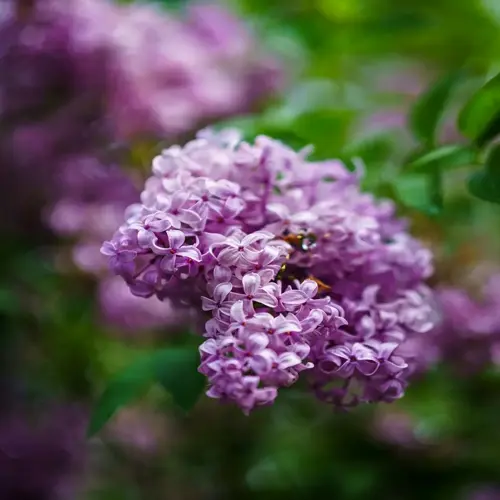

The biggest downsides of lilacs are a short 10 to 14 day bloom, suckers that spread too far, powdery mildew in late summer, and strict climate needs. These lilac disadvantages don't make them bad plants. But you should know about them before you put one in your yard. Knowing the lilac drawbacks up front helps you plan better.
The sucker problem hit me hard with my first common lilac. Within three years of planting, new shoots started popping up 2 to 3 feet away from the main plant in every direction. They came up through the lawn, through the mulch bed, and even pushed against the edge of my garden path. I spent a full weekend each spring cutting them back at ground level. Skip this chore for one season and you end up with a thicket instead of a single plant. Sucker removal became my least favorite garden task, and it never stopped.
That 10 to 14 day bloom window per UMN Extension is the most common complaint from lilac owners. You wait all year for those fragrant flowers, and they're gone before the month is out. Hot weather or heavy rain can shorten that window to under a week. The rest of the year, lilacs offer green leaves in summer, modest yellow fall color, and bare branches in winter. Compared to plants that bloom for months, the short show can feel like a letdown for the garden space they occupy.
Among the most visible problems with lilac trees, powdery mildew ranks near the top. This fungal disease coats leaves with a white powdery film starting in late July or August. It looks terrible but rarely kills the plant. The bigger issue is that it makes your lilac look sick for the last two months of the growing season. Lilac borers can also tunnel into older stems and weaken the plant from inside. Scale insects sometimes appear on branches and feed on sap. None of these pests are fatal on their own, but together they add maintenance hours to what many people expect to be a carefree plant.
Short Bloom Period
- The problem: Flowers last only 10 to 14 days in spring, leaving the plant without ornamental interest for most of the year.
- Quick fix: Plant Bloomerang or Josee reblooming varieties that flower in spring and again in late summer for extended color.
- Extend the show: Plant early, mid, and late-blooming cultivars together to stretch the total lilac season to 4 to 6 weeks.
Aggressive Suckering
- The problem: Common lilacs send root suckers several feet from the parent plant, creating unwanted new growth in lawns and beds.
- Quick fix: Cut suckers at ground level every spring and install a root barrier around the planting area to contain spread.
- Better option: Choose grafted or non-suckering varieties like Japanese tree lilac, which produces far fewer root shoots.
Powdery Mildew Disease
- The problem: White fungal coating covers leaves in late summer, making the plant look unhealthy through early fall.
- Quick fix: Improve air circulation by thinning old interior branches and spacing plants 8 to 10 feet apart.
- Resistant picks: Varieties like 'Pocahontas' and most Japanese tree lilacs resist powdery mildew much better than common types.
Climate Restrictions
- The problem: Lilacs need 1,000+ chill hours below 45°F (7°C) and fail to bloom in USDA Zones 8 and warmer.
- Limited reach: Gardeners in the Deep South, coastal California, and desert Southwest cannot grow most lilac varieties well.
- Low-chill options: 'Lavender Lady' and 'Excel' tolerate milder winters but still need more cold than most warm-climate gardens offer.
These downsides of lilacs add up to more work than you might expect. You'll spend time on sucker removal, mildew checks, and deadheading to keep your plant looking its best. Every garden plant has tradeoffs though. Roses need spraying. Hydrangeas need acidic soil. Your lilacs need pruning and patience.
Go in with open eyes about what lilacs demand and you won't feel disappointed. The fragrance alone convinces most growers that the extra work is worth the payoff each spring. Just don't expect a maintenance-free experience.
Read the full article: Lilac Tree: A Complete Growing Guide