
Introduction
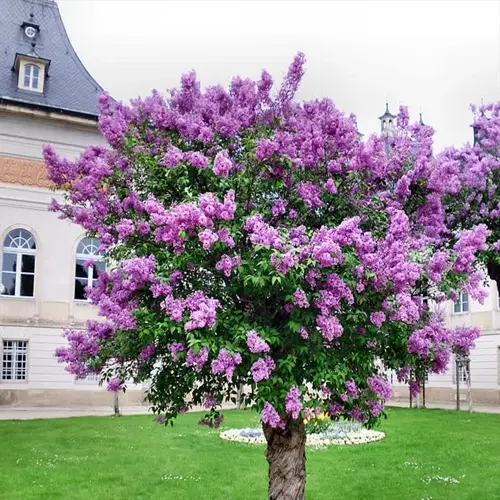
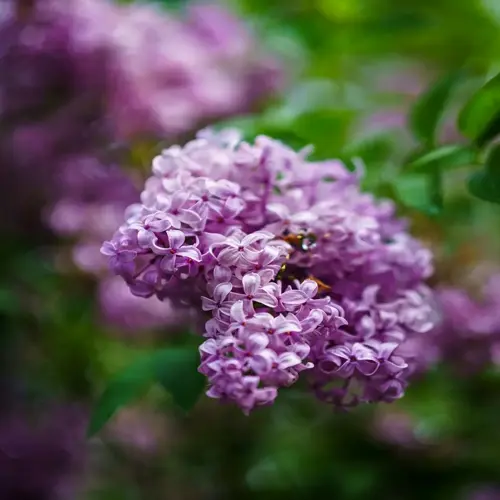
That warm rush of lilac fragrance on a spring breeze stops you in your tracks. The lilac tree is one of the most loved plants in home gardens today. Over 1,000 cultivars exist across 7 color groups, from pure white to deep purple. Few plants bring back memories the way a blooming lilac does.
I grew my first lilac tree about 8 years ago from a cutting my neighbor gave me. The plant goes by Syringa vulgaris and belongs to the olive family. It comes from the Balkan region and gardeners have grown this spring flowering shrub for centuries. Many people link lilacs to their grandparents' yards and old family homes.
Lilacs are the gateway plant for new gardeners. They're easy to grow and hard to forget once you catch that first spring scent. The lilac fragrance alone earned this plant the 2025 National Flowering Shrub of the Year title. That award shows how much people still love this classic bloom.
This guide covers what you need to grow a healthy lilac tree in your yard. You'll find the best varieties for your space and smart planting tips. I also share seasonal care advice and fixes for problems that trip up many growers.
8 Popular Lilac Varieties
Picking the right lilac varieties for your yard is the most important choice you'll make. I've grown 5 types of lilac trees over the years and each one has a unique look and scent. Some stay short enough for a small patio while others grow into full shade trees over time.
This list covers 8 popular picks from the compact dwarf lilac to the tall Japanese tree lilac. I added the Miss Kim lilac and Bloomerang lilac because they fix common grower complaints. You'll also find a reblooming lilac that flowers twice per season instead of once.
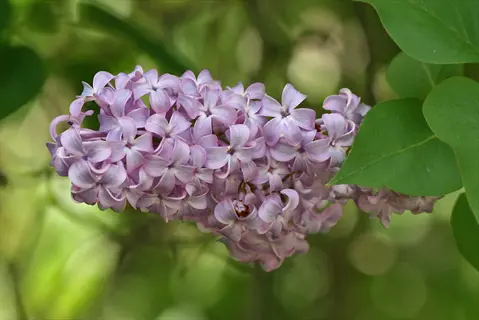
Common Lilac (Syringa vulgaris)
- Height and Spread: Grows 8 to 16 feet (2.4 to 4.9 meters) tall and 6 to 12 feet (1.8 to 3.7 meters) wide, forming a large upright multi-stemmed shrub over time.
- Bloom Color: Available in all 7 official color classifications including white, pink, violet, blue, magenta, lilac, and deep purple single or double flowers.
- Fragrance: Delivers the classic, intensely sweet lilac scent that most people associate with the genus, strongest during warm afternoon hours.
- Hardiness: Thrives in USDA Zones 3 through 7 and requires a long period of winter chill for proper bud maturation and reliable spring flowering.
- Best Use: Works as a specimen plant, informal hedge, or foundation planting, with spacing of 10 to 15 feet (3 to 4.6 meters) apart for full displays.
- Care Note: Blooms on old wood, so prune immediately after flowering to avoid removing next year's buds that form by midsummer.
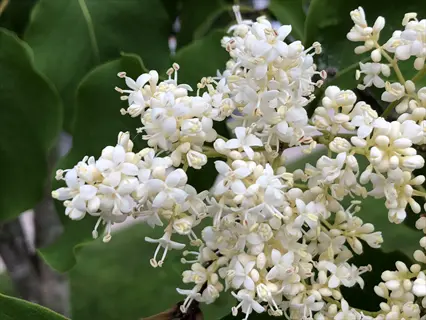
Japanese Tree Lilac (Syringa reticulata)
- Height and Spread: Reaches 20 to 30 feet (6 to 9 meters) tall with a spread of 15 to 25 feet (4.6 to 7.6 meters), making it the largest lilac species.
- Bloom Color: Produces large creamy white flower panicles up to 12 inches (30 centimeters) long in early to midsummer, later than common lilacs.
- Fragrance: Has a milder, honey-like scent that is less sweet than common lilac, with some describing it as slightly musky or privet-like.
- Hardiness: Performs well in USDA Zones 3 through 7 and tolerates urban pollution, heat, and a wider range of soil conditions than most lilacs.
- Best Use: Ideal as a single-trunk specimen tree, street tree, or focal point in large landscapes where a true tree form is desired.
- Care Note: More resistant to powdery mildew and lilac borer than common lilac, requiring less disease management overall.
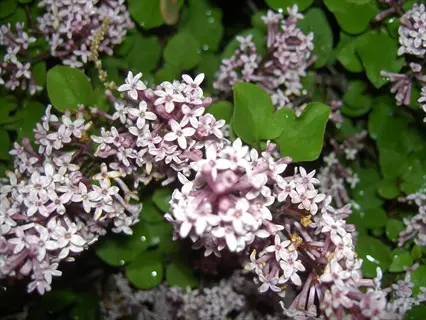
Dwarf Korean Lilac (Syringa meyeri)
- Height and Spread: Stays compact at 4 to 5 feet (1.2 to 1.5 meters) tall and 5 to 7 feet (1.5 to 2.1 meters) wide, perfect for small gardens and containers.
- Bloom Color: Produces abundant pale lavender to pink flower clusters in mid to late spring, covering the entire rounded canopy in color.
- Fragrance: Offers a lighter, sweeter fragrance than common lilac that is pleasant without being overpowering in small garden spaces.
- Hardiness: Hardy in USDA Zones 3 through 7 and handles rejuvenation pruning well, recovering from a hard cut to the ground within two seasons.
- Best Use: Excellent for borders, low hedges, foundation plantings, or large containers on patios and balconies where space is limited.
- Care Note: Naturally maintains a tidy rounded shape and requires less pruning than larger lilac species to stay attractive.
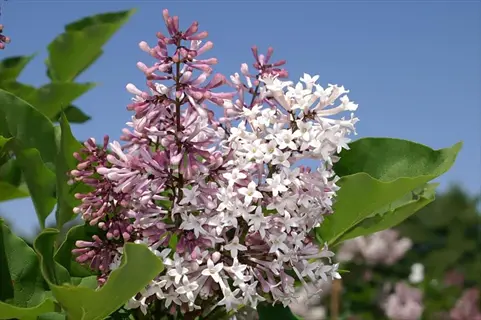
Miss Kim Lilac (Syringa patula)
- Height and Spread: Grows 4 to 9 feet (1.2 to 2.7 meters) tall and 5 to 7 feet (1.5 to 2.1 meters) wide with a dense, upright oval growth habit.
- Bloom Color: Opens icy lavender-blue buds that fade to pale lavender-white, blooming about two weeks later than common lilac for extended garden interest.
- Fragrance: Produces an exceptionally sweet, spicy fragrance that many gardeners rank among the most pleasant of all lilac cultivars available.
- Hardiness: Performs reliably in USDA Zones 3 through 8, tolerating slightly warmer conditions than many other lilac species and cultivars.
- Best Use: Works beautifully as a foundation shrub, mixed border accent, or informal hedge, with burgundy-red fall foliage adding autumn color.
- Care Note: Shows strong resistance to powdery mildew compared to common lilac, making it a lower-maintenance choice for humid regions.

Bloomerang Lilac (Syringa hybrid)
- Height and Spread: Reaches 4 to 6 feet (1.2 to 1.8 meters) tall and wide, forming a compact rounded shrub suitable for smaller landscape spaces.
- Bloom Color: First flush of purple flowers arrives in mid-spring, followed by a second round of blooms from midsummer through the first hard frost.
- Fragrance: Carries the traditional sweet lilac scent during both its spring and summer bloom periods, a rare trait among reblooming cultivars.
- Hardiness: Grows in USDA Zones 3 through 7 and requires full sun for the best rebloom performance throughout the growing season.
- Best Use: Solves the biggest lilac complaint -- short bloom time -- making it ideal for gardeners who want months of color instead of two weeks.
- Care Note: Deadheading spent spring flowers encourages the second bloom cycle, but avoid heavy pruning that removes developing summer flower buds.

Chinese Lilac (Syringa x chinensis)
- Height and Spread: Grows 8 to 15 feet (2.4 to 4.6 meters) tall with gracefully arching branches that spread 8 to 12 feet (2.4 to 3.7 meters) wide.
- Bloom Color: Produces abundant lavender-purple flower panicles that are longer and more open than common lilac, creating an airy, romantic appearance.
- Fragrance: Delivers a delicate, refined scent that is softer than common lilac, making it a favorite for gardeners who prefer subtle fragrance.
- Hardiness: Thrives in USDA Zones 3 through 7 and adapts well to a range of soil types as long as drainage is adequate.
- Best Use: Makes an elegant informal hedge, screen, or background plant, with its arching habit providing a softer look than upright common lilac.
- Care Note: This natural hybrid between common lilac and Persian lilac produces fewer suckers than common lilac, reducing maintenance and spread.

Ivory Silk Japanese Lilac
- Height and Spread: Reaches 20 to 25 feet (6 to 7.6 meters) tall and 15 to 20 feet (4.6 to 6 meters) wide with a symmetrical oval canopy on a single trunk.
- Bloom Color: Produces massive creamy white flower clusters up to 12 inches (30 centimeters) long in early summer, about a month after common lilacs finish.
- Fragrance: Carries a mild honey-like scent that is less intense than common lilac but still noticeable when standing near the tree during peak bloom.
- Hardiness: Grows well in USDA Zones 3 through 7 and handles urban conditions including pollution, compacted soil, and reflected heat from pavement.
- Best Use: The most widely planted Japanese tree lilac cultivar, valued as a street tree, shade tree, or elegant focal point in medium to large yards.
- Care Note: Attractive reddish-brown bark resembling cherry tree bark provides year-round visual interest even after the flowers and leaves have dropped.
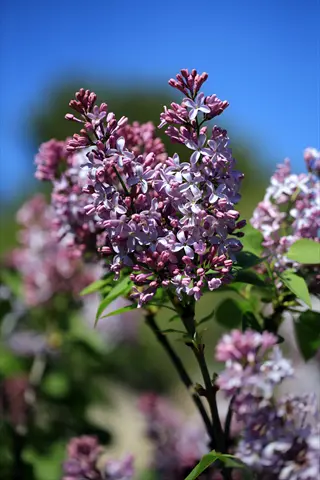
Preston Lilac (Syringa x prestoniae)
- Height and Spread: Grows 7 to 12 feet (2.1 to 3.7 meters) tall and 6 to 10 feet (1.8 to 3 meters) wide with an upright, vase-shaped growth habit.
- Bloom Color: Blooms in pink, magenta, or deep rose shades about two weeks after common lilac, extending the total lilac season in your garden.
- Fragrance: Has a lighter, slightly spicy scent that differs from the heavy sweetness of common lilac, appealing to those who prefer subtler fragrances.
- Hardiness: Extremely cold-hardy in USDA Zones 2 through 7, making it one of the best choices for gardeners in the coldest northern climates.
- Best Use: Ideal for extending lilac bloom season when planted alongside common lilacs, and works well as a screening hedge or windbreak plant.
- Care Note: Developed by Canadian hybridist Isabella Preston for extreme cold tolerance, these hybrids are more resistant to bacterial blight than common lilac.
Your best bet is to match the variety to your yard size and climate zone. I planted a dwarf Korean lilac in a tight side yard and it fit the space much better than the common lilac I tried first. Start with one or two types and expand from there as you learn what grows best in your area.
Planting and Soil Needs
Think of planting lilacs like setting up a long term roommate. Get the soil and sun right from day one and they'll reward you for decades. I've seen too many new growers skip the basics and wonder why their plant looks sad after a year. The good news is that lilac soil requirements are simple once you know them.
Your lilac needs well-drained soil with a soil pH for lilacs between 6.0 and 8.0. That means neutral to a bit on the alkaline side. Test your dirt before you dig the hole because acidic soil below 5.5 will stunt your plant fast. You can raise the pH with garden lime if your test comes back too low.
Knowing when to plant lilac matters just as much as where to plant lilacs. Early fall gives roots time to settle in before the ground freezes. Early spring works too if you missed the fall window. Stay away from planting in the heat of summer because the stress can set your lilac back a full year.
Space your lilacs 10 to 15 feet apart for specimen plants or 5 to 8 feet apart for hedges per Iowa State Extension. Lilacs take 2 to 3 years to get settled in their new spot. Don't panic if blooms are light or missing during that time. I had one plant that gave me zero flowers for 2 springs and then exploded with color in year 3.
One tip most guides skip is to buy lilacs grown on their own roots instead of grafted ones. Own root plants handle cold winters better and won't send up random shoots from a different rootstock. Ask your nursery about this before you buy, especially if you garden in zones 3 or 4 where cold snaps hit hard.
Lilac Tree Care Essentials
Lilac tree care gets easier once you learn the seasonal rhythm. Your plant's needs shift from spring feeding to summer watching to fall prep and winter rest. I follow this pattern every year and my lilacs have bloomed without fail for the past 6 seasons straight.
The biggest lilac care mistake I see is too much nitrogen from lawn fertilizer near the plant. The UMN Extension warns that excess nitrogen boosts leaf growth but kills flower output. Keep your lawn feed at least 3 feet away from lilac roots. Give your lilac 1 to 1.5 inches of water each week and make sure it gets the full sun requirement of 6 or more hours per day.
Watering lilacs and fertilizing lilacs are the two tasks that matter most in the growing season. Add 2 to 3 inches of mulching around the base to hold moisture and block weeds. For overwintering lilacs, wrap young trunks with burlap in the coldest zones to stop frost cracks. If you grow yours in a pot, repot it every 2 years so the roots don't get cramped.
Spring Care (March to May)
- Feeding: Apply a balanced slow-release fertilizer low in nitrogen once in early spring before new growth begins to support blooms without excessive leaf growth.
- Watering: Provide 1 to 1.5 inches (2.5 to 3.8 centimeters) of water per week through rain or irrigation as buds swell and flowers open.
- Monitoring: Watch for bacterial blight in cool, wet weather, removing any affected shoots by cutting 6 inches (15 centimeters) below visible damage.
- Mulching: Spread 2 to 3 inches (5 to 7.6 centimeters) of organic mulch around the base to retain moisture and suppress weeds while keeping mulch away from the trunk.
Summer Care (June to August)
- Pruning Window: Prune immediately after the last flowers fade in late spring or early summer, since next year's flower buds begin forming by midsummer.
- Watering: Continue providing 1 to 1.5 inches (2.5 to 3.8 centimeters) of water weekly during dry spells, especially for newly planted lilacs in their 2-3 year establishment period.
- Pest Watch: Inspect for lilac borer damage (sawdust-like frass at the base) and treat early before larvae cause structural damage to main stems.
- Propagation: Take softwood cuttings from late May through early July for the best rooting success, dipping cut ends in rooting hormone before planting.
Fall Care (September to November)
- Fertilizer Stop: Do not fertilize after midsummer, as late feeding stimulates tender new growth that is vulnerable to early frost damage.
- Leaf Cleanup: Rake and dispose of fallen leaves showing signs of powdery mildew or fungal leaf spot to reduce disease pressure the following spring.
- Planting Time: Early fall is an excellent time to plant new lilacs, giving root systems several weeks to establish before the ground freezes.
- Sucker Management: Remove unwanted root suckers around the base to maintain shape, or transplant healthy suckers to start new plants elsewhere.
Winter Care (December to February)
- Chill Requirement: Lilacs need a sustained cold period for proper bud maturation, which is why they perform poorly in warm-winter climates below Zone 7.
- Protection: In the coldest zones, wrap young trunks with burlap or tree guards to prevent frost cracks and reduce wind damage to exposed branches.
- Planning: Use the dormant season to plan any major rejuvenation pruning for early spring, following the one-third rule to avoid eliminating all blooms at once.
- Soil Testing: Test soil pH during winter so you can amend with lime if the reading falls below 6.0 before the spring growing season begins.
Pruning Your Lilac Tree
Pruning lilacs is like editing a rough draft. You cut out what's old and overgrown so the best new growth can shine through next season. I put off pruning my first lilac for 3 years and it turned into a tangled mess with barely any flowers. Once I learned how to prune lilac tree stems the right way, blooms came back strong.
The key fact about when to prune lilacs is this: lilacs bloom on old wood. That means next year's flower buds start forming by midsummer right after the current flowers fade. If you prune in fall or winter, you'll chop off those buds and get zero blooms come spring. Always prune right after the flowers drop and never later than early July.
You have 3 main methods for pruning lilacs. Deadheading lilacs means snipping off spent flower heads right after bloom. Renewal pruning removes one third of the thickest old stems at ground level each year. Rejuvenation pruning is the extreme option where you cut the whole plant down to 6 to 12 inches above the soil. Expect 1 to 2 years with no blooms after that big cut.
Iowa State Extension suggests a full size reduction prune every 3 to 5 years for most lilacs. Between those big cuts, stick to deadheading and sucker removal to keep things tidy. I do my renewal pruning on a 3 year cycle and mark the stems I plan to cut with tape each winter so I don't lose track.
Pests, Diseases, and Fixes
Most lilac diseases look scary but won't kill your plant. I've dealt with powdery mildew lilac issues on 3 of my own plants and not one of them suffered any lasting damage. The trick to lilac troubleshooting is knowing which problems are cosmetic and which ones need fast action.
NC State Extension lists several lilac pests and diseases you should watch for. The big ones include bacterial blight lilac infections, lilac borer damage, and leaf spots. Yellowing lilac leaves can signal anything from poor drainage to a root issue. Below is a guide to help you spot each problem and fix it before things get worse.
Powdery Mildew
- What You See: A white or grayish powdery coating appears on leaf surfaces during late summer, often starting on lower and interior leaves where air circulation is poorest.
- What Causes It: Fungal spores thrive in warm days, cool nights, and high humidity above 60%, spreading quickly in crowded plantings with limited airflow between branches.
- What To Do: Improve air circulation by thinning interior branches, avoid overhead watering, and remove affected leaves at the end of the season to reduce spore load for next year.
- Severity Level: Almost entirely cosmetic and rarely affects overall plant health, vigor, or the following year's bloom production on established lilac trees.
Bacterial Blight
- What You See: Brown or black water-soaked spots appear on young leaves and shoots in spring, often progressing to wilt and dieback of entire new growth within days.
- What Causes It: The bacterium Pseudomonas syringae spreads during cool, rainy spring weather, entering through wounds, pruning cuts, or natural leaf openings.
- What To Do: Prune all infected shoots at least 6 inches (15 centimeters) below visible damage, sterilize tools between cuts, and avoid pruning during wet conditions.
- Severity Level: Can cause significant damage to young shoots and reduce flowering if left unchecked, but rarely kills established mature lilac plants.
Lilac Borer
- What You See: Sawdust-like frass (waste material) accumulates at the base of stems, branches wilt unexpectedly, and exit holes appear in the bark of older woody stems.
- What Causes It: The clearwing wasp moth lays eggs on damaged or stressed bark, and the larvae bore into stems where they feed internally for up to two years.
- What To Do: Keep plants healthy through proper watering and pruning, remove and destroy heavily infested stems, and apply targeted treatments in early spring before adult emergence.
- Severity Level: Can cause structural damage and branch death in stressed or neglected plants, but well-maintained lilacs with vigorous growth are less susceptible.
Leaf Miners and Scale Insects
- What You See: Leaf miners create winding trails or blotches inside leaves, while scale insects appear as small brown or white bumps attached to stems and leaf undersides.
- What Causes It: These pests are attracted to stressed plants and thrive when natural predators like ladybugs and parasitic wasps are absent from the garden ecosystem.
- What To Do: Remove heavily affected leaves, encourage beneficial insects by avoiding broad-spectrum pesticides, and use horticultural oil sprays during the dormant season for scale control.
- Severity Level: Usually causes cosmetic damage only and does not threaten the overall health of an established lilac tree with good growing conditions.
Don't panic if you spot white fuzz on your lilac leaves in August. That's almost always just powdery mildew and it won't hurt your plant. Save your energy for the real threats like bacterial blight and borers that need quick action to prevent lasting harm.
History and Cultural Roots
You might be surprised by how far back the lilac history goes. The genus name Syringa comes from the Greek word syrinks, meaning pipe or tube. Ancient Greeks told a story of Pan chasing a nymph named Syringa until she turned into a hollow reed. In my experience growing lilacs for years, that myth changed how I see my own backyard plants.
When I visited old colonial gardens in Virginia, I saw lilacs that traced back to the 1700s. Ottoman gardens brought Syringa vulgaris to Europe during the 1500s. The plant then spread fast to the American colonies. George Washington and Thomas Jefferson both grew lilacs on their estates. New Hampshire picked the lilac as its state flower back in 1919.
You'll find deep lilac symbolism in Victorian flower language if you look into it. Purple blooms stood for the first emotions of love while white ones meant purity. Walt Whitman wrote about lilacs after Lincoln died. That poem shaped the lilac cultural significance you can still feel today. It turned the bloom into a symbol of loss and memory.
Your lilac carries a medical history too. The lilac fragrance drew folk healers who brewed bark teas to fight fevers and coughs in Europe. Chinese healers used the leaves for pain and swelling. A 2018 study from PMC found that Syringa vulgaris extracts show real antioxidant effects. That research backs up what folk healers knew long before your garden existed.
You might not know that edible lilac flowers have a long kitchen history too. Cooks use the blooms in syrups, salads, and baked treats. The flavor is floral with a hint of citrus that pairs well with spring dishes. Try tossing a few fresh petals into your next salad for a tasty finish you won't forget.
5 Common Myths
Lilac trees need acidic soil like azaleas and blueberries to produce the best blooms each spring.
Lilacs prefer neutral to slightly alkaline soil with a pH between 6.0 and 8.0, and acidic conditions actually harm their growth.
You should prune your lilac tree in late fall or winter to keep it tidy and encourage spring flowers.
Pruning in fall or winter removes the old wood where next year's flower buds have already formed, resulting in no blooms the following spring.
All lilac trees eventually grow over 15 feet (4.6 meters) tall and are too large for small yards.
Dwarf varieties like the Korean lilac stay between 4 and 5 feet (1.2 to 1.5 meters) tall, making them ideal for compact spaces.
Powdery mildew on lilac leaves is a deadly disease that will kill the entire plant if left untreated.
Powdery mildew on lilacs is almost entirely cosmetic, rarely affecting overall plant health, and improved air circulation helps prevent it.
Adding extra fertilizer will make your lilac tree produce more flowers and grow faster each season.
Excess nitrogen fertilizer actually increases leaf production at the expense of flowers, so minimal or no fertilization is often best.
Conclusion
Growing a healthy lilac tree comes down to 3 big choices. First, pick the right lilac varieties for your yard size and climate zone. Second, plant in full sun with alkaline soil so roots get the best start. Third, prune right after the flowers fade to protect next year's buds on the old wood.
Lilac care gets simple once your plant settles in after 2 to 3 years. After that window, you'll enjoy decades of blooms with little extra work. I've watched my oldest lilac grow from a skinny stick into a 10 foot wall of purple flowers. That kind of payoff makes the early patience worth every minute.
This spring flowering shrub also connects you to centuries of garden history. The same plant that grew in Ottoman gardens and on colonial estates now blooms in your yard. With over 1,000 cultivars to choose from, you can find the perfect fit no matter your space or style.
In my experience, the fragrance of your first spring bloom makes every bit of care worth it. A compact dwarf Korean or a tall Japanese tree lilac will both fill your yard with that scent. Pick your variety and give your garden a plant that rewards you for years.
External Sources
Frequently Asked Questions
Where do lilac trees grow best?
Lilac trees grow best in USDA Hardiness Zones 3 through 7, in full sun with well-drained, neutral to slightly alkaline soil.
Is there a difference between a lilac bush and a lilac tree?
The main difference is growth form: lilac bushes produce multiple stems from the base, while lilac trees are trained to a single trunk.
How big will a lilac tree grow?
Common lilacs reach 8 to 16 feet tall and 6 to 12 feet wide, while Japanese tree lilacs can grow 20 to 30 feet tall.
What is a lilac tree?
A lilac tree is a deciduous flowering plant in the genus Syringa, prized for fragrant spring blooms in colors from white to deep purple.
Does a lilac tree bloom every year?
Yes, established lilac trees bloom every year in spring, though improper pruning or excess nitrogen can prevent flowering.
Why can't you bring lilac into the house?
An old superstition warns that bringing lilac indoors invites bad luck or death, rooted in Victorian funeral traditions.
What are the downsides of lilacs?
Lilacs have a short bloom period of 10 to 14 days, are prone to powdery mildew, spread by suckers, and need winter chill to flower.
Can you eat lilac flowers?
Yes, common lilac (Syringa vulgaris) flowers are edible and can be used in syrups, salads, baked goods, and infused drinks.
Where should you not plant lilac bushes?
Avoid planting lilacs in heavy shade, poorly drained soil, very acidic ground, or too close to lawns treated with high-nitrogen fertilizer.
Do lilac trees have a big root system?
Lilac root systems are moderately spreading but not aggressive or invasive, typically staying within the drip line of the canopy.