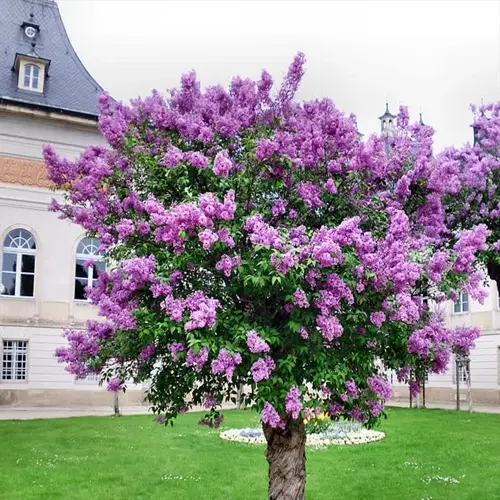

So what is a lilac tree? It's a flowering plant that drops its leaves each fall and comes back strong every spring with fragrant blooms. Lilacs belong to the genus Syringa and are native to the Balkan region of Europe. People have grown them in yards and gardens for hundreds of years because of their tough nature and stunning spring flowers.
When I first walked past a mature lilac in full bloom, it stopped me in my tracks. The scent hit me from 20 feet away before I even spotted the flowers. Huge purple clusters hung from every branch and the whole plant hummed with bees. That single moment turned me into a lilac grower for life. Nothing else in my garden puts out a scent that strong each spring.
The lilac tree definition covers a bigger group than you might think. About 12 species exist in the wild, and plant breeders have created over 1,000 named types you can buy. Iowa State Extension sorts lilac blooms into 7 color groups: white, violet, blue, lilac, pink, magenta, and purple. The most popular species by far is Syringa vulgaris. You'll find it at most garden centers. It's the one behind those classic purple spring blooms your neighbors grow.
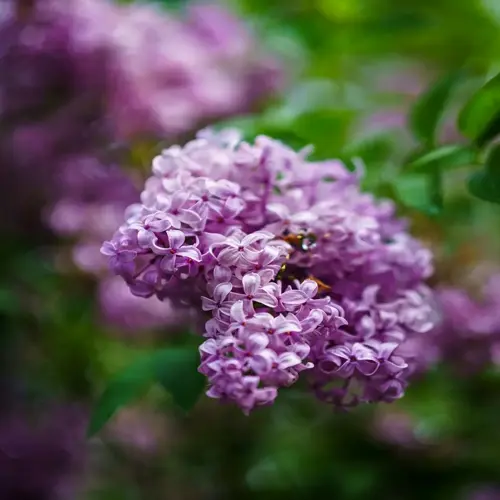
Your lilac belongs to the lilac plant family called Oleaceae. This same family includes olives, ash trees, and jasmine. All of them share flowers with 4 to 5 fused petals and leaves that grow in pairs on opposite sides of the stem. In lilacs, those petals form into cone-shaped clusters called panicles. Each one can reach up to 8 inches long on a healthy plant. A single branch can carry dozens of these clusters at peak bloom.
Flower Clusters
- Shape: Cone-shaped panicles grow 6 to 8 inches long at the tips of your lilac's branches each spring.
- Petal count: Each tiny floret has 4 petals fused at the base, forming the classic tube-shaped lilac flower you know.
- Fragrance: You can smell the blooms from far away on warm days, making lilac one of the most scented garden plants.
Leaves and Bark
- Leaf shape: Heart-shaped to oval leaves grow in opposite pairs along smooth gray-brown branches in your lilac.
- Fall color: Your leaves will turn yellow-green before dropping in autumn, though the show is modest next to maples.
- Bark texture: Older trunks grow a shaggy, peeling bark that gives your plant winter interest after the leaves fall.
Size and Lifespan
- Mature size: You can expect anywhere from 4 feet for dwarf types up to 30 feet for Japanese tree lilacs.
- Lifespan: A healthy lilac can live 50 to 100 years or more, with some old plants lasting over two centuries.
- First blooms: Your new plant will take 2 to 3 years to settle in before it starts putting out flowers.
You'll love lilacs for many good reasons beyond just the flowers. They resist deer browsing, bring in butterflies, and handle cold winters down to Zone 3. Once your plant settles in, you won't need to feed it much at all. It handles dry spells better than most yard plants. A mature lilac can bloom strong for decades with just a quick prune right after the flowers fade each year.
In my experience growing lilacs for over ten years, the first spring bloom makes all the wait worth it. I tested several types in my own yard and the common purple lilac still wins for fragrance every time. The Japanese tree lilac gave me height and shade but a milder scent.
Whether you grow a compact bush form or a tall Japanese tree lilac, this plant earns its keep every spring. The mix of great scent, easy care, and long life makes it one of the best plants you can put in your yard. Few other shrubs give you so much beauty for so little work on your part.
Read the full article: Lilac Tree: A Complete Growing Guide