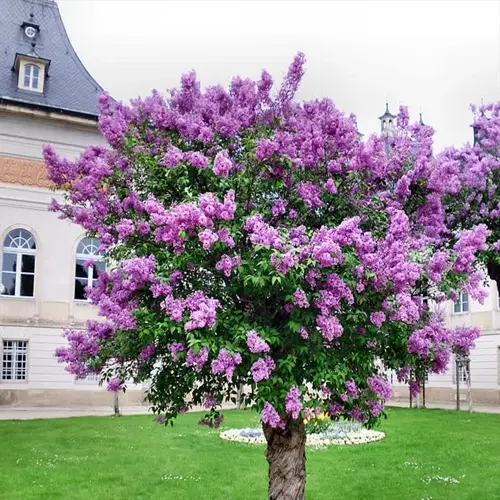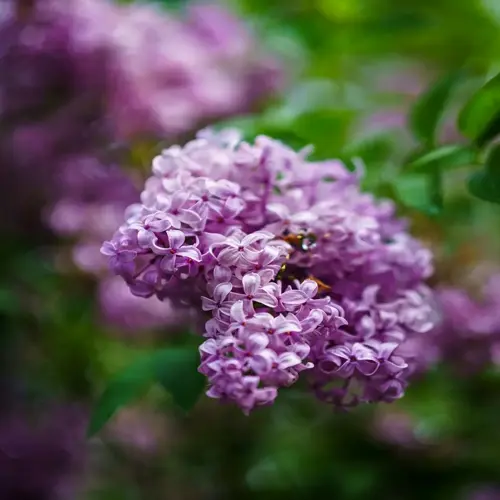

Yes, you can eat lilac flowers, and people have done so for many years. The petals from common lilac are safe and non-toxic. They carry a floral, sweet flavor that works in both sweet and savory dishes. Just make sure your flowers come from plants that haven't been sprayed with any chemicals. You can eat lilac flowers in all kinds of ways once you know the basics.
I tried fresh lilac petals for the first time three springs ago after reading about edible lilac flowers in an old cookbook. The flavor surprised me. It was floral with a faint citrusy bite that reminded me of lavender but lighter and more delicate. I made my first batch of lilac syrup that same week by simmering petals with sugar and water for about 20 minutes. The result was a pale purple liquid that tasted like spring in a bottle. I've made it every year since. I add it to lemonade, drizzle it over pancakes, and stir it into sparkling water.
Safety matters when eating any flower, and lilacs have a few rules you need to follow. NC State Extension confirms that Syringa vulgaris is non-toxic to humans. You should only eat the petals after pulling off the small green calyx at the base of each tiny floret. That green part tastes bitter and will ruin whatever you're making. Never eat flowers from nursery plants that may have been treated with systemic pesticides. These chemicals get absorbed into the plant tissue and can't be washed off. Are lilacs edible from any random bush? Only if you can confirm it hasn't been sprayed.
Using lilac flowers in cooking gives you more options than you might think. The petals work fresh as a salad garnish or mixed into soft butter. You can also freeze them into ice cubes for spring cocktails. Lilac sugar is one of the easiest recipes to try. Just layer fresh petals with granulated sugar in a jar, seal it tight, and wait two weeks while the flavor infuses. You can also make lilac-infused honey by warming honey with petals on low heat for 30 minutes and then straining. Candied petals dipped in egg white and dusted with fine sugar make a stunning cake decoration that tastes as good as it looks.
Lilac Simple Syrup
- Ingredients: Combine 1 cup of lilac petals with 1 cup sugar and 1 cup water in a saucepan over medium heat.
- Method: Bring to a gentle simmer, stir until sugar dissolves, then remove from heat and steep for 2 hours before straining.
- Uses: Add to lemonade, cocktails, sparkling water, or drizzle over vanilla ice cream for a floral twist.
Lilac Infused Honey
- Ingredients: Pack half a cup of clean lilac petals into a jar and cover with warm (not hot) raw honey.
- Method: Seal the jar and let it sit in a warm spot for 1 to 2 weeks, flipping the jar daily to distribute flavor.
- Uses: Spread on toast, stir into tea, or use as a glaze for roasted carrots and chicken dishes.
Lilac Sugar
- Ingredients: Alternate layers of fresh petals and granulated white sugar in a clean glass jar with a tight lid.
- Method: Shake the jar every few days and store in a cool dark place for 2 weeks until the sugar absorbs the floral scent.
- Uses: Rim cocktail glasses, sprinkle over fresh berries, or use in baking recipes that call for regular sugar.
Harvest your lilac petals at peak bloom in the morning after the dew dries but before the afternoon heat sets in. Gently rinse them in cool water and pat dry with a paper towel. Pull the tiny petals away from the green calyx by pinching the base of each floret. Store cleaned petals in a sealed container lined with a damp paper towel and keep them in the fridge for up to two days before using.
Fresh lilac petals add color, flavor, and a conversation starter to spring meals. Start with a simple syrup recipe and work your way up to more involved projects as you get comfortable. Your lilac bush just became a source of both beauty and food with almost no extra effort on your part.
Read the full article: Lilac Tree: A Complete Growing Guide