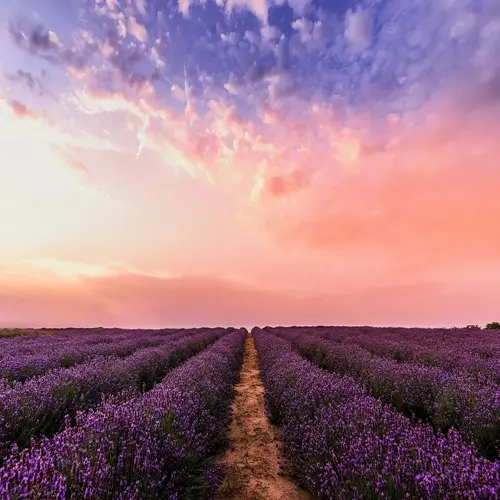

What does the purple flower mean in LGBT culture? If you see lavender or purple flowers at a Pride event, you're looking at a symbol of queer strength and the long fight for equal rights. This link between a color, a flower, and a community goes back to the early 1900s. It runs much deeper than you might expect.
The story started with the color itself. People in the early 1900s used "lavender" as a code word for being gay. The logic made sense in its time. Purple sits between blue and pink on your color wheel. Blue was coded as male and pink as female. A blend of both felt like a fit for people who lived outside strict norms. That gave the lavender symbol LGBT groups claimed its first roots in your culture's history.
But the symbol went through dark periods before it became a source of pride for you or anyone else. During the 1950s Lavender Scare, the U.S. government fired thousands of workers it suspected of being gay. Officials treated them as security risks. In the 1970s, some feminists used the term "lavender menace" to push lesbian women out of their movement. Both events tried to turn the symbol into something ugly.
The community took it back though. Activists turned lavender into a badge of honor instead. That act of claiming a slur as a source of purple flower queer identity gave the symbol new power. If you wore lavender or planted purple flowers, you made a quiet act of courage. You didn't need words to explain what you stood for. The color spoke for you.
When I first started going to Pride events, I noticed purple flowers showing up in ways both big and small. Parade floats covered in lavender roll down your city streets every June. In my experience, community gardens in LGBTQ areas plant purple blooms as living memorials. They honor those who came before you. A friend of mine puts purple flowers at a memorial bench in our park each spring. She honors people your community has lost. Those plants come back each year, just like the community keeps growing stronger around you.
The lavender pride meaning you see today focuses on joy rather than survival. Purple flowers show up in your Pride Month bouquets and in wedding displays for same-sex couples. Florists report a jump in orders for purple blooms every June. You can find lavender at fundraising galas and community dinners. The flower has moved from a secret code to an open statement of love and belonging for everyone who claims it.
Giving someone a purple flower during Pride Month carries real weight for you and the person who gets it. It says you see them and you support them in who they are. You can plant lavender in your own garden as a quiet sign of being an ally. Or you can gift a purple bouquet to someone celebrating their truth. The gesture ties you to over a century of history. A simple flower helped people find courage and a sense of home when the world gave them neither.
Read the full article: Lilac Flower: Types, Growing Tips and Uses