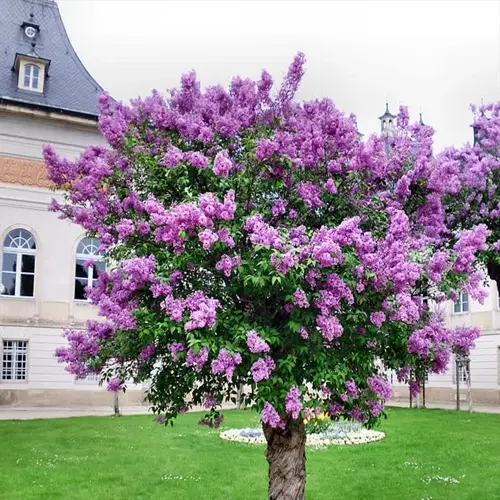

What does the Bible say about lilacs? Nothing at all. You won't find lilac flowers in any verse or any book of scripture. No Bible passage names the Syringa plant in any form. This surprises many people who link lilacs to church services and Easter. But the bond between lilacs and your faith grew outside of the Bible.
The botanical reason is simple. Syringa vulgaris grows wild in the rocky hills of the Balkans in southeast Europe. The Middle East had a very different climate during ancient times. Lilacs would not have grown in Jerusalem or along the roads where Jesus walked. The Bible writers described the plants they saw around them. Lilacs were not part of that world.
Your Bible does mention other flowers that carry deep spiritual weight. The lily of the valley appears in the Song of Solomon as a sign of beauty. The rose of Sharon shows up in the same book as a mark of love. Jesus talked about wildflowers in Matthew 6:28-29. He said "consider the lilies of the field" to teach about trust in God. These blooms hold direct scriptural ties that lilacs don't share.
So how did lilacs end up in churches across the Western world? The answer is timing. Lilacs bloom in mid-April through May in your part of the Northern Hemisphere. That window falls right around Easter Sunday in many years. Churches needed fresh flowers for their services. Lilacs were the best option blooming right outside their doors. This happy match turned the lilac into a beloved lilac Easter flower over hundreds of years.
When I first noticed this pattern, I started paying attention at every church service I attended in spring. People fill their altars with purple and white lilac branches during Holy Week. The scent fills your whole space and creates a mood that feels sacred. Kids in Sunday school learn to link that sweet smell with Easter morning. They carry that memory well into their adult years, just like you might carry yours.
Lilac Christian symbolism grew from lived practice rather than written law. In my experience, pastors notice how a lilac bush spends all winter looking bare and dead. Then it bursts into full bloom each spring. That shift mirrors your Easter story of death giving way to new life. Many church leaders use this image in their sermons. The lilac sits right there in the room as a living visual aid for you and your family.
The broader lilac spiritual meaning ties into themes of hope and fresh starts that you find all through the Christian calendar. You won't find a verse about lilacs no matter how hard you search your Bible. But the flower earned its place in the faith through centuries of spring blooming that lined up with Easter. That bond is strong even without a biblical text behind it.
Plant a lilac near your home or your church and watch it become part of your own spring story. The blooms arrive right when the season calls for renewal. You get to enjoy a custom that goes back hundreds of years. Every spring, those fragrant purple clusters will remind you that new life follows even the longest winter.
Read the full article: Lilac Flower: Types, Growing Tips and Uses