
Introduction
Your fruit trees flowered like crazy last spring but you still ended up with a weak harvest. That gap between blossoms and fruit often comes down to one missing piece: mason bees. These small native pollinators punch far above their weight at every single flower they touch.
Think of them as the solo artists of the pollination world. No hive, no queen, just one female doing the work of hundreds of honey bees per flower visit. The USDA Forest Service reports that 250 to 300 females can pollinate an entire acre of fruit trees. That same job would take 60,000 to 90,000 honey bees to finish.
I started keeping these solitary bees in my backyard 4 years ago after watching my apple trees produce half the fruit they should have. Within one season my yields jumped. New research from Osterman et al. shows both bee types must work together for the best fruit set. That finding changes how we think about garden pollination for the better.
This guide walks you through the species worth knowing and how to build a proper bee house. You'll learn the full lifecycle from cocoon to cocoon and which plants keep your bees fed. I also cover the pest threats that can wipe out a population fast.
Mason Bee Species in America
The USDA Forest Service counts 140 mason bee species in North America within the genus Osmia. Most folks only know about 2 of them. That huge range shows just how varied these native bees are across the continent.
The blue orchard bee stands out as the star here in the States. Osmia lignaria sports a metallic blue black body and works hard in apple, cherry, and almond orchards out west. I've watched these bees tear through my cherry blossoms faster than any honey bee crew could manage.
The Japanese orchard bee takes a different path. Osmia cornifrons is a reddish brown species that farmers in Japan have used on their apple crops for more than 80 years. It came to the U.S. decades ago and now thrives in eastern states where the blue orchard bee is less common.
The Mid Atlantic region alone has over 500 wild solitary bee species per Penn State Extension. We've barely scratched the surface of what's out there. The USDA is now testing 4 new Osmia mason bee species for berry crop work in Utah and Oregon.
I learned the hard way that you should source your bees from your local area. Bringing in bees from far away can spread disease to local populations. A supplier in your own region gives you bees that already match your climate and bloom timing.
Setting Up a Mason Bee House
Your mason bee house setup makes or breaks your whole season. I tried a cheap drilled block in my first year and it looked great on my fence but turned into a disease factory by fall. The right bee house setup starts with picking your nesting materials and ends with a good mud source close by.
Mount your house on a wall or post that faces south and gets morning sun to warm the bees up fast. Keep it at eye level so you can check on activity without a ladder. These are cavity-nesting bees so they need tunnels that measure 5/16 inch wide and 6 inches deep. Here's why depth matters: females lay female eggs at the back of each tunnel and male eggs near the front. Deeper tunnels mean more female cells and a bigger population next year.
Don't forget the mud. Mason bees seal each egg cell with a thin wall of clay mud. Put a patch of clay rich soil within 10 to 20 feet of your house and keep it damp during nesting season. Without a close mud source your bees will waste energy flying far to find building material. I keep a small tray of garden clay near my house and add water every few days during peak nesting tubes activity.
Stackable Wooden Trays
- Why best: You can pull stackable trays apart for easy inspection, cleaning, and cocoon harvesting each fall season. This prevents disease buildup over multiple years.
- Tunnel specs: Trays feature grooved channels at 5/16 inch (8 millimeters) diameter and 6 inches (15 centimeters) deep for optimal female production.
- Maintenance: Pull trays apart after nesting season, remove cocoons, wash trays in mild bleach solution, and dry them out before storage for next year.
Natural Hollow Reeds
- Why good: Reeds give mason bees a natural cavity they accept right away. You can swap them out each year to maintain nest hygiene and prevent mite buildup.
- Tunnel specs: Select reeds with inner diameters close to 5/16 inch (8 millimeters) and cut to 6 inches (15 centimeters) in length for best results and female ratio.
- Maintenance: Swap all reeds each season rather than reusing them. Cleaning individual reeds is tough and leftover debris harbors chalkbrood fungus inside the tubes.
Rolled Paper Tubes
- Why decent: Paper tubes cost little and you can find them at most garden stores. They make a solid starter option for beginners who want to try mason bee keeping.
- Tunnel specs: Choose tubes with 5/16 inch (8 millimeters) inner diameter and 6 inch (15 centimeter) length. Shorter tubes produce more males and fewer females overall.
- Maintenance: Toss paper tubes after one season and replace them with fresh ones. You can't clean them well enough and old tubes will harbor parasites over time.
Drilled Solid Wood Blocks
- Why least ideal: You can't open solid wood blocks for cleaning or cocoon removal. That makes them breeding grounds for pollen mites and chalkbrood fungus over time.
- Tunnel specs: Drill holes at 5/16 inch (8 millimeters) diameter and 6 inches (15 centimeters) deep into untreated hardwood. Avoid pressure treated or cedar lumber.
- Maintenance: Replace blocks every 1 to 2 seasons. Reusing dirty blocks can kill most of the developing bee larvae inside them within a couple of years.
Your choice of mason bee nesting materials sets the tone for how healthy your population stays over time. When I switched from drilled blocks to stackable trays after my second year, my cocoon survival rate jumped. The extra cost pays for itself when you stop losing bees to mites and fungus.
Mason Bee Lifecycle Stages
The mason bee lifecycle packs an entire year into a tight schedule. Adults fly for just 6 to 8 weeks in spring and spend the rest of the year developing inside sealed mud cells. I find this lifecycle fascinating because so much happens behind closed doors where you can't see it.
One detail most guides skip is the nest cell arrangement. Females place female eggs deepest in each tunnel and male eggs near the entrance. Scientists believe this acts as a predation buffer since anything that breaks into the tunnel from the front hits the males first. That clever trick protects the more valuable females who will build next year's population.
Penn State Extension reports that populations can grow almost tenfold in a single year under good conditions. Near sprayed orchards that number drops to 2 to 3 times growth. I've seen both results in my own setup. My first year away from any sprayed fields gave me a huge jump in mason bee cocoons at harvest time.
Spring Emergence and Mating
- Timing: Males emerge first from the outermost nest cells when temperatures consistently reach 55°F (13°C), typically in mid April in temperate regions of North America.
- Mating behavior: Males wait near the nest entrance for females to emerge from deeper cells, mate within the first few days, and then die shortly after fulfilling their reproductive role.
- Female activity: After mating, each female begins scouting for suitable nesting cavities, mud sources, and abundant flower patches within a 300 foot foraging range of her chosen nest.
Nesting and Egg Laying
- Cell construction: The female builds each cell by first packing a pollen and nectar food ball at the back, laying a single egg on top, then sealing the cell with a thin wall of mud.
- Nest composition: Each completed nest tunnel contains 5 to 8 individual cells arranged in a line, with mason bee eggs for females placed deepest and male eggs positioned closest to the entrance.
- Daily output: A single female can complete 1 to 2 cells per day during peak nesting season, visiting hundreds of flowers to gather enough pollen for each food provision ball.
Summer Larval Development
- Feeding stage: After hatching, each larva consumes its food ball over several weeks inside the sealed mud cell, growing through multiple molting stages before it pupates.
- Transformation: By late summer the larva spins a silk cocoon and transforms into a fully formed adult bee that stays dormant within the cocoon through fall and winter months.
- Hidden process: This entire development happens inside sealed nest tubes. Disturbing nests during summer months can destroy an entire generation of developing mason bees.
Fall Harvest and Winter Dormancy
- Cocoon harvesting: In early fall, open your nest tubes to remove individual cocoons, inspect them for mite damage or chalkbrood disease, and discard any compromised specimens you find.
- Storage conditions: Store healthy cocoons at about 36°F (2°C) with 50% to 75% humidity. A refrigerator with a moist paper towel nearby works well for overwintering bees through the cold months.
- Population tracking: Count your harvested cocoons to estimate next year's numbers. Under ideal conditions you may see an almost tenfold increase from your original starter population each year.
The spring emergence window is short so timing matters. Set your cocoons outside when daytime temps hit 55°F (13°C) and early flowers start to open. Put them out too early and your bees emerge with nothing to eat. Put them out too late and you miss the prime bloom window for your fruit trees.
Best Plants for Mason Bees
Your mason bee plants need to bloom during the right 6 to 8 week window or your bees won't have enough food. I learned this the hard way when I planted flowers that bloomed too late and my bees starved during their first weeks out. A smart pollinator garden mixes early, mid, and late spring-blooming flowers so food is always available.
Your bees forage within about 300 feet of their nest so every plant you pick must sit close to the house. Focus on the rose family for your fruit trees since mason bees prefer apples, cherries, plums, and pears. Fill in the gaps with native plants and spring bulbs to build a bee-friendly garden that covers the full season. These 8 plants will keep your bees fed as reliable mason bee forage options all spring.
Apple Trees
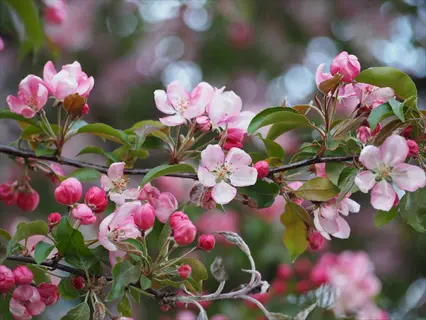
- Bloom timing: Apple trees flower in mid spring, lining up with the peak mason bee emergence and nesting period across most temperate growing regions in North America.
- Pollination benefit: Mason bees are strong apple pollinators because their belly carried pollen transfers to each blossom they visit, reaching close to 95% contact rates.
- Growing conditions: Apple trees thrive in full sun with well drained soil and need a compatible partner variety planted within 50 feet for proper cross pollination to occur.
- Varieties to consider: Choose disease resistant varieties like Liberty, Freedom, or Enterprise that need fewer pesticide sprays, which protects mason bees nesting near your garden.
- Garden integration: Even dwarf apple trees produce abundant blossoms that feed dozens of mason bees. They're a great choice for small backyard pollinator gardens with limited space.
- Harvest bonus: With mason bees pollinating your apple trees, you can expect improved fruit set and more uniform apple shapes compared to wind or occasional honey bee visits.
Cherry Trees
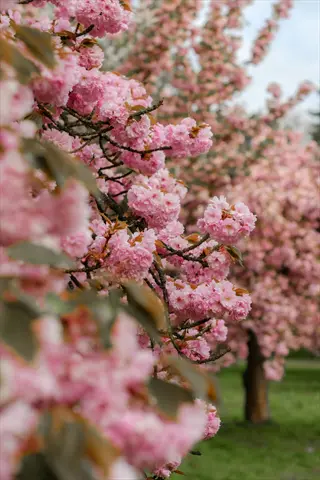
- Bloom timing: Cherry trees flower in early to mid spring, providing one of the first major food sources for newly emerged mason bees hungry after months of winter dormancy.
- Research backing: The Osterman et al. study found that mason bees and honey bees together enhanced sweet cherry fruit set across 17 orchards studied in Central Germany.
- Growing conditions: Plant cherry trees in full sun with good air circulation and well drained soil. They need at least 6 hours of direct sunlight daily during the growing season.
- Varieties to consider: Sweet cherry varieties like Stella, Lapins, or Sweetheart are self pollinating, but fruit set still improves when mason bees provide active cross pollination assistance.
- Garden integration: A single cherry tree produces thousands of blossoms that can sustain a robust mason bee population throughout early spring before other garden flowers begin blooming.
- Yield improvement: Research shows insect pollinated cherry flowers set fruit at 28% compared to 39% for hand pollinated, showing significant room for mason bee driven improvement.
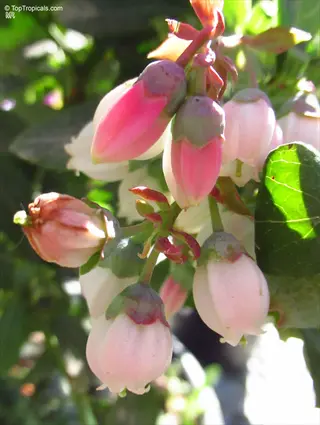
Blueberry Bushes
- Bloom timing: Blueberries flower in mid spring with bell shaped blossoms that coincide with peak mason bee foraging activity in most growing regions across the country.
- Research potential: The USDA Agricultural Research Service is studying 4 mason bee species for berry crop pollination in Utah and Oregon research programs right now.
- Growing conditions: Blueberries require acidic soil with a pH between 4.5 and 5.5, full sun exposure, and consistent moisture throughout the growing and fruiting season.
- Varieties to consider: Plant at least 2 different blueberry varieties that bloom at similar times to maximize cross pollination opportunities when mason bees carry pollen between plants.
- Garden integration: Blueberry bushes work as attractive landscape plants near mason bee houses. They provide both food for bees and delicious harvests for gardeners in a compact footprint.
- Future outlook: USDA research aims to find cost effective bee crop pairings for berries. Managed mason bees may become a standard part of commercial blueberry production in coming years.
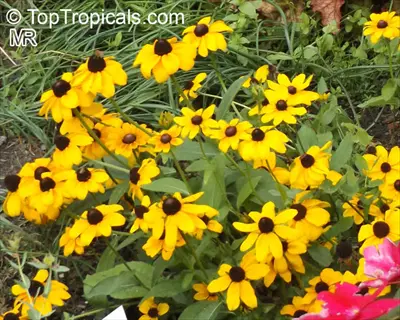
Black-Eyed Susans
- Bloom timing: Early blooming varieties of black eyed Susans can overlap with the tail end of mason bee season in late May and early June for extra late season forage.
- Pollinator appeal: These bright yellow composite flowers offer abundant pollen and nectar on open, flat flower heads that make foraging easy and efficient for mason bees.
- Growing conditions: Black eyed Susans are drought tolerant native wildflowers that grow in full sun to partial shade and adapt to most soil types found in typical garden settings.
- Varieties to consider: Choose Rudbeckia hirta for earlier blooms or Rudbeckia fulgida for a reliable perennial that returns year after year without replanting or special winter care.
- Garden integration: Mass plantings near mason bee houses create a visible foraging patch that bees can locate from within their 300 foot range without wasting energy searching.
- Native advantage: As a North American native wildflower, black eyed Susans support mason bees along with other native pollinators and beneficial insects throughout the garden season.
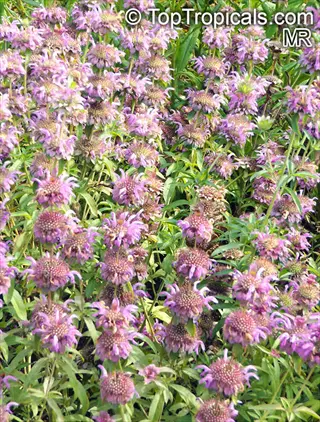
Bee Balm
- Bloom timing: Bee balm begins flowering in late spring and continues into summer, bridging the gap between early spring tree blossoms and later summer wildflower availability.
- Pollinator appeal: The tubular flowers of bee balm are rich in nectar and pollen. They attract mason bees along with hummingbirds, butterflies, and many other beneficial garden pollinators.
- Growing conditions: Bee balm prefers full sun to partial shade with moist, well drained soil and good air circulation to reduce the risk of powdery mildew on its fragrant leaves.
- Varieties to consider: Monarda fistulosa is a native species more resistant to mildew than garden hybrids and provides reliable forage in naturalized pollinator plantings across most regions.
- Garden integration: Plant bee balm in clusters within 50 feet of your mason bee house to create a concentrated food source that cuts down on long foraging trips for your bees.
- Bonus benefit: Bee balm leaves can be harvested for herbal tea, giving you both a pollinator support plant and a useful culinary herb from the same easy to grow perennial clump.
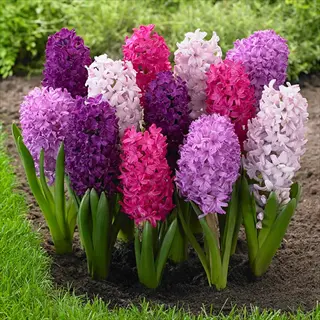
Hyacinth
- Bloom timing: Hyacinths are among the earliest spring bulbs to flower. They often bloom in March and April just as mason bees begin emerging from their winter dormancy cocoons.
- Pollinator appeal: The dense clusters of fragrant flowers on each hyacinth spike offer concentrated pollen and nectar rewards that help mason bees refuel fast after their long rest.
- Growing conditions: Plant hyacinth bulbs in fall at a depth of 4 to 6 inches in well drained soil with full sun exposure for reliable spring blooming year after year.
- Varieties to consider: Choose a mix of early and mid season hyacinth varieties in different colors to extend the bloom window and provide food throughout the mason bee emergence period.
- Garden integration: Scatter hyacinth plantings in beds near your mason bee house entrance so emerging bees find food sources right away without needing to search far from their nest.
- Easy care: Hyacinths are low maintenance perennial bulbs that spread over time. They create larger patches of early season bee forage each passing spring with zero extra work from you.
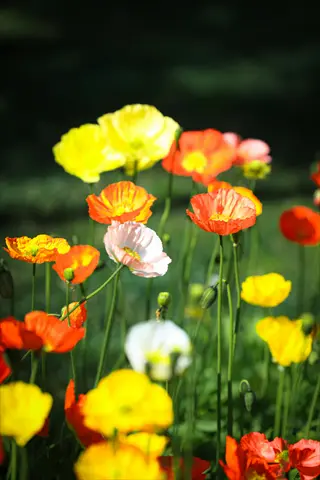
Poppies
- Bloom timing: Poppies flower in mid to late spring, providing abundant pollen during the peak of mason bee nesting activity when females need maximum food resources for their eggs.
- Pollinator appeal: Poppy flowers produce large amounts of protein rich pollen on open, bowl shaped blooms that mason bees can load onto their abdominal scopa hairs with ease.
- Growing conditions: Sow poppy seeds in fall or early spring in full sun with well drained soil. They dislike transplanting and grow best when direct seeded where they will bloom.
- Varieties to consider: California poppies and corn poppies are both excellent mason bee forage plants that self seed each year in most climates without any help from you.
- Garden integration: Plant drifts of poppies along pathways or borders near mason bee houses to create a stunning visual display that also serves as a critical mid spring food source.
- Self seeding habit: Once established, poppies drop seeds that germinate the next year. They create a self sustaining annual food source for mason bees without any replanting effort.
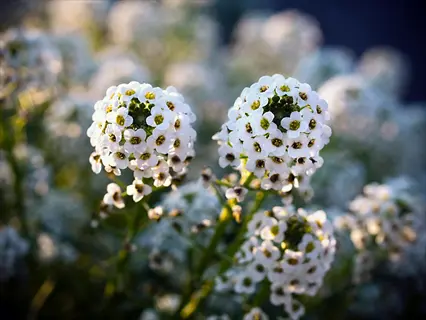
Alyssum
- Bloom timing: Sweet alyssum blooms from spring through fall, providing one of the longest lasting nectar sources that overlaps with the entire mason bee active foraging season.
- Pollinator appeal: The tiny clustered flowers of alyssum produce steady nectar flow throughout the day. They offer mason bees a reliable food source even during cooler spring mornings.
- Growing conditions: Alyssum grows from seed in full sun to partial shade, tolerates poor soil, and stays compact at 4 to 6 inches tall as a ground cover in any garden.
- Varieties to consider: White flowered varieties tend to produce the most nectar, while purple and pink cultivars add visual interest. Mix colors for both beauty and extended bloom.
- Garden integration: Use alyssum as a ground cover beneath mason bee houses or along garden bed edges to create a low carpet of flowers that bees access on cool mornings.
- Companion planting: Alyssum works as an underplanting beneath fruit trees. It attracts mason bees to pollinate the tree blossoms overhead while covering bare soil below the canopy.
Pests and Disease Prevention
Mason bee pests and disease are the number one reason populations crash within 2 to 3 seasons. I lost over half my cocoons in my second year because I reused old nesting tubes without cleaning them first. That mistake taught me that nest sanitation matters more than any other part of mason bee keeping.
Penn State Extension names chalkbrood fungus and pollen mites as the 2 biggest threats your bees face. Chalkbrood turns larvae into chalky gray or black lumps inside the cocoon. Pollen mites leave dusty brown residue all over your cocoons. They eat the food your larvae need to survive. Both problems get worse each year if you skip cleaning.
The fix is simple but you must do it every fall. Open your nests and pull out each cocoon. Inspect them one by one. Soak healthy cocoons in cold water to knock off mites. Then dip them in a mild bleach solution for about 50 seconds to kill fungal spores. Toss any cocoons that look gray, black, or dusty brown. I found this annual routine is the best mason bee diseases defense you can run.
Watch for parasites like parasitic wasps that drill tiny holes through the mud walls of sealed nest cells. Birds and woodpeckers can also tear apart exposed nesting tubes. A wire mesh guard around your bee house stops most of these problems before they start. Keep all pesticide spraying at least 300 feet from your nesting sites during bloom season to protect your bees from chemical exposure.
Mason Bees in Agriculture
Mason bees aren't just for your backyard garden. They play a real role in commercial pollination on farms across the globe. Japan has used the Japanese orchard bee for fruit tree pollination on apple crops for more than 80 years. That track record proves these bees can perform at a farm scale.
The biggest shock I found in my research on mason bees agriculture came from Osterman et al. in 2023. Their team tracked 10,021 flower visits across 17 sweet cherry orchards in Germany. Here's the key finding: fruit set only went up when both honey bees and mason bees showed up at the same time. Neither species alone was enough.
That synergistic pollination result flips the old story on its head. You can't just swap mason bees in for honey bees and call it a day. Honey bees made 70.2% of flower visits in the study. Mason bees made up 15.6%. But that smaller share made all the difference for your actual fruit yields. About 82% of those cherry farmers used honey bee hives. And 76% also set up mason bee nesting boxes.
The USDA is taking orchard pollination further right now. They're testing 4 Osmia species for berry crop pollination in Utah and Oregon. The goal is to find pairings that cut your need for a single pollinator species. Cherry flowers that insects pollinate set fruit at just 28% versus 39% when you hand pollinate them. That 11 point gap is lost money you can get back with better bees.
If you grow fruit on any scale, adding mason bee boxes next to your honey bee hives is a smart move. You only need 2 to 3 nesting boxes per hectare to cover the area. I've seen small orchard owners boost their yields by adding just one mason bee house to their setup. The cost is tiny compared to renting more honey bee hives each spring.
5 Common Myths
Mason bees produce honey just like honey bees, only in smaller amounts inside their nesting tubes.
Mason bees do not produce any honey at all. They are solitary bees that provision each egg with a ball of pollen and nectar, which the larva consumes as it develops.
You only need mason bees to pollinate your garden and do not need honey bees at all for good fruit yields.
Research from Osterman et al. shows fruit set only increases when both mason bees and honey bees are present together, as neither species alone is sufficient to enhance yields.
Mason bee houses never need cleaning because the bees naturally keep their nesting tubes sanitized each season.
Reusing nests without proper sanitation can kill the majority of developing bees within a couple of seasons due to chalkbrood fungus and pollen mite buildup.
All mason bees are the same species, so it does not matter where you source them from geographically.
There are 140 species of mason bees in North America alone, and sourcing bees from your local ecoregion is important to prevent pathogen spread and ensure proper adaptation.
Mason bees are dangerous and will sting you aggressively if you get near their nesting area or house.
Mason bees are among the gentlest bees and rarely sting. Females can sting but almost never do, and males cannot sting at all because they lack a stinger.
Conclusion
Mason bees bring garden pollination power that few other insects can match. Just 250 to 300 females can cover an entire acre of fruit trees. Your population can grow almost tenfold each year with the right housing, clean nests, and good forage close by. These native pollinators reward a small time investment with huge returns in your garden.
I've learned from my own setup that mason bees and honey bees work best as partners. That finding from the Osterman study changed how I manage my backyard. I now keep both bee types and my fruit set has never been better. Annual nest cleaning keeps my mason bee population healthy year after year. It takes me less than an hour each fall to get it done.
The USDA is testing new Osmia species for berry crops right now. More farmers add mason bee boxes next to their honey bee hives every season. Your small backyard bee house connects to this bigger push for sustainable agriculture and food system strength across the country.
Start with a stackable tray house, a patch of clay mud, and some spring blooming plants near your setup. You'll watch your first mason bees emerge, forage, and build nests within days of putting cocoons outside. There's nothing quite like seeing a solitary bee pick your garden as her home for the season.
External Sources
Frequently Asked Questions
Are mason bees good or bad?
Mason bees are highly beneficial garden allies that pollinate flowers far more efficiently than honey bees and rarely sting.
What is the difference between mason bees and honey bees?
Mason bees are solitary, carry pollen on their bellies, do not produce honey, and rarely sting, while honey bees are social colony insects.
What is the purpose of the mason bee?
Mason bees serve as exceptional pollinators for fruit trees, wildflowers, and garden crops, boosting yields significantly.
When should I put out mason bees?
Put out mason bees in early spring when daytime temperatures consistently reach 55°F (13°C) and flowers begin blooming.
Why do people buy mason bees?
People buy mason bees to boost garden and orchard pollination, support native bee populations, and enjoy a low-maintenance hobby.
What's the most aggressive type of bee?
Africanized honey bees are the most aggressive bee type, while mason bees are among the gentlest and almost never sting.
What is the lifespan of a mason bee?
A mason bee lives about one year total, with adults actively flying and nesting for roughly six to eight weeks in spring.
Why should you not wear black around bees?
Bees may perceive dark colors like black as a threat because natural predators such as bears and skunks have dark fur.
Can I feed mason bees?
Mason bees feed themselves by foraging pollen and nectar from flowers, so providing diverse spring-blooming plants is the best support.
What smell do bees hate?
Bees dislike strong scents such as peppermint, citronella, eucalyptus, and vinegar, which can deter them from certain areas.