
Introduction
Spider plants have earned their spot as one of the most loved indoor greens you can own. These tough growers clean your air, look great in your hanging basket, and won't harm your pets. You spend about 85% to 90% of your time indoors. Filling your home with a plant that works as decor and air cleaner just makes sense for you.
I've grown Chlorophytum comosum for over 10 years now. No other houseplant beats it for ease. A coworker snipped a baby off her desk plant and handed it to me in a paper cup. That single cutting turned into dozens of plants in every room of my house. I think of them as the golden retriever of the houseplant world. They're friendly, forgiving, and fun to watch with their dangling babies.
You might not know these plants have a long history. Victorian homes kept them in parlor windows as prized decor. They made a huge comeback during the 1970s macrame movement when trailing plants were the trend. Today they sit in the top 5 searched houseplants online, and their pet safe status keeps driving new owners to grab one.
This guide shows you how to turn one beginner houseplant into a full collection. You'll learn which varieties look best in your home. You'll also get the real science behind their air cleaning power and the best way to water your plants right.
8 Popular Spider Plant Varieties
You'll find a wide range of spider plant varieties when you visit your local garden center. NC State Extension lists 8 named spider plant cultivars and each one has a look of its own. Some have bold stripes, others show off curly leaves, and a few glow with golden tones.
I've grown most of these varieties at some point and I can tell you they each have their own personality. The classic variegated spider plant is the one you see most often on store shelves. Want something trendy? The Bonnie spider plant and its curly spider plant leaves have taken over social media. Here's what you need to know about each one.
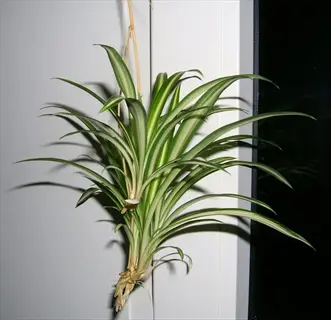
Vittatum (Classic Variegated)
- Appearance: The most recognized spider plant variety featuring long, arching green leaves with a bold white or cream stripe running down the center of each leaf blade.
- Growth Habit: Produces abundant runners with spiderettes, making it one of the most prolific varieties for propagation and sharing with friends and family.
- Size: Mature plants reach 12 to 18 inches (30 to 46 centimeters) tall with a spread of 12 to 24 inches (30 to 61 centimeters) when grown in a standard pot.
- Care Level: Extremely forgiving and tolerant of neglect, occasional missed waterings, and varying light conditions from bright indirect to moderate shade.
- Best Display: Looks stunning in hanging baskets where its cascading runners and babies can dangle freely, creating a dramatic waterfall effect.
- Availability: Found at nearly every garden center, grocery store, and home improvement store year-round, making it the easiest variety to find and purchase.
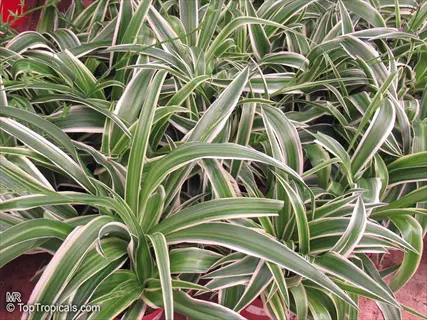
Variegatum (Reverse Variegated)
- Appearance: Features the opposite color pattern of Vittatum, with dark green center stripes bordered by creamy white or yellow edges along each leaf margin.
- Growth Habit: Slightly slower growing than Vittatum and produces fewer runners, but the dramatic leaf pattern makes it a favorite among collectors who prefer subtle differences.
- Size: Reaches similar dimensions to Vittatum at 12 to 18 inches (30 to 46 centimeters) tall with slightly narrower overall spread in most growing conditions.
- Care Level: Needs slightly brighter light than solid green types to maintain strong variegation, as low light causes the white margins to fade toward green.
- Best Display: Makes an excellent tabletop or shelf plant where its reverse variegation pattern can be appreciated up close at eye level.
- Availability: Widely available at most garden centers though slightly less common than Vittatum, and often labeled simply as variegated spider plant.
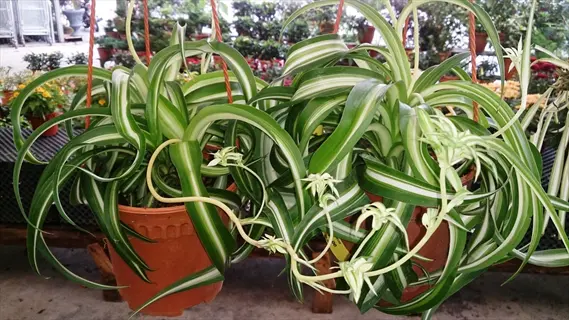
Bonnie (Curly Spider Plant)
- Appearance: Features tightly curled and twisted leaves that spiral outward from the center, creating a playful and whimsical look that sets it apart from straight-leaf varieties.
- Growth Habit: More compact than standard varieties with shorter, curlier runners that produce equally curly baby plants, giving the whole arrangement a bouncy appearance.
- Size: Stays more compact at 8 to 12 inches (20 to 30 centimeters) tall, making it ideal for smaller spaces, desks, and tight shelving arrangements.
- Care Level: Requires the same basic care as other spider plants but its curly leaves can trap dust more easily, benefiting from occasional gentle leaf washing.
- Best Display: Perfect for small hanging pots, macrame hangers, and elevated plant stands where the curly foliage and twisted runners can cascade freely.
- Availability: Increasingly popular and now widely stocked at garden centers, though it may sell out faster than standard varieties due to high demand.

Milky Way
- Appearance: Displays subtle white speckling or dots scattered across dark green leaves, creating a pattern that resembles stars in a night sky and gives this variety its name.
- Growth Habit: Grows at a moderate pace with a slightly more upright habit compared to the arching form of Vittatum, producing runners with similarly speckled baby plants.
- Size: Reaches 10 to 14 inches (25 to 36 centimeters) tall with a moderate spread, fitting nicely between compact and full-sized spider plant varieties.
- Care Level: Thrives in bright indirect light which enhances its speckled pattern, and benefits from the same watering and soil requirements as other varieties.
- Best Display: Best appreciated on tabletops, windowsills, or plant shelves where the delicate speckling pattern is visible and can catch natural light beautifully.
- Availability: Less commonly found than Vittatum or Bonnie but available through specialty nurseries, online plant shops, and plant swap communities.
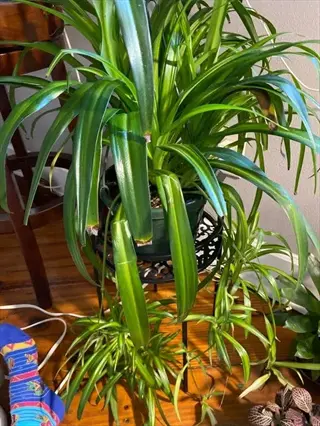
Hawaiian (Golden Glow)
- Appearance: Features champagne or golden yellow coloring on its leaves, offering a warm-toned alternative to the typical green and white palette of standard spider plants.
- Growth Habit: Compact grower that produces fewer but showier runners, with baby plants carrying the same golden tones that make the mother plant distinctive.
- Size: Stays relatively small at 8 to 12 inches (20 to 30 centimeters) tall, making it suitable for desk arrangements, small pots, and grouped plant displays.
- Care Level: Needs bright indirect light to maintain its golden coloring, as insufficient light causes the warm tones to revert toward plain green over time.
- Best Display: Pairs beautifully with darker green houseplants in grouped arrangements where its golden hues provide a warm contrast and visual interest.
- Availability: Considered a specialty variety and typically found through online retailers, plant collectors, or specialty nurseries rather than mainstream garden centers.
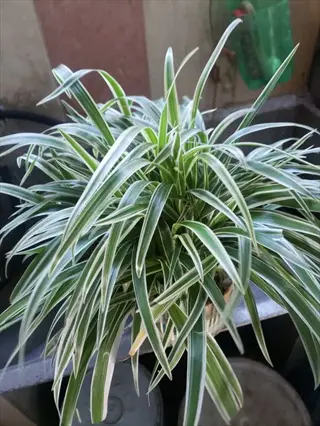
White Stripe
- Appearance: Showcases narrow, elegant white stripes running along the center of each leaf with a clean contrast against the deep green leaf margins on either side.
- Growth Habit: Produces long graceful runners with numerous plantlets and grows steadily throughout the growing season when provided with adequate light and moisture.
- Size: Reaches 12 to 16 inches (30 to 41 centimeters) tall with a moderate spread, similar in stature to the classic Vittatum but with a more refined stripe pattern.
- Care Level: Maintains its variegation well in bright indirect light and tolerates moderate light better than some other variegated types without losing its distinctive pattern.
- Best Display: Excellent in hanging baskets or elevated containers where the clean white striping is visible from below against the green leaf background.
- Availability: Available at many garden centers, often grouped with or mistaken for Vittatum, though the stripe pattern is noticeably thinner and more precise.
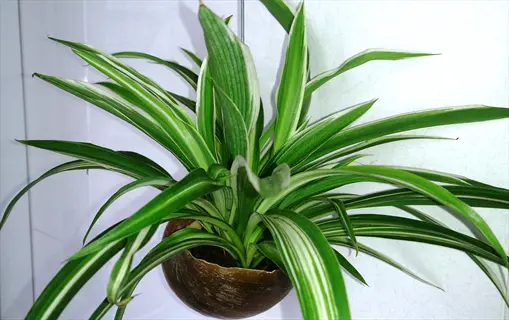
Picturatum
- Appearance: Features a prominent yellow or light green central stripe surrounded by darker green margins, creating a bold and eye-catching two-tone color pattern.
- Growth Habit: Grows vigorously with an upright to slightly arching habit and produces runners freely once mature, making it another excellent choice for easy propagation.
- Size: Reaches 12 to 18 inches (30 to 46 centimeters) tall with a full spread of up to 20 inches (51 centimeters) when given room to grow in a spacious pot.
- Care Level: Benefits from consistent bright indirect light to maintain the yellow stripe intensity, and requires standard spider plant watering with filtered or distilled water.
- Best Display: Works well as a floor plant in a decorative pot or in a hanging arrangement where its yellow central stripes catch the light from a nearby window.
- Availability: Less commonly stocked at mainstream retailers but available through specialty plant nurseries and online shops that carry a wider range of spider plant types.
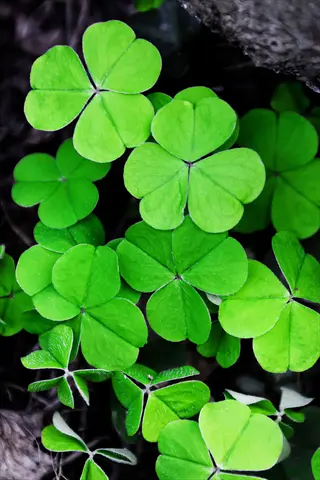
Shamrock (Solid Green)
- Appearance: Displays solid, uniform dark green leaves without any variegation or striping, offering a lush and simple appearance that complements busier plant arrangements.
- Growth Habit: Often more vigorous and faster growing than variegated types because all of its leaf tissue contains chlorophyll for energy production without any non-green areas.
- Size: Can grow slightly larger than variegated varieties, reaching up to 18 inches (46 centimeters) tall with a generous spread when given adequate root space.
- Care Level: The most tolerant of low light conditions among all spider plant varieties since it does not need bright light to maintain leaf coloring or patterns.
- Best Display: Ideal for offices, bathrooms, and low-light corners where variegated types might lose their patterns, providing reliable greenery in challenging spots.
- Availability: Sometimes harder to find than variegated types because many shoppers prefer patterned leaves, but available through online sellers and some garden centers.
Your best bet as a new grower is to start with Vittatum or Bonnie. Both are easy to find and hard to kill. Once you build your confidence, you can hunt for the rarer types like Hawaiian or Milky Way at specialty shops.
Spider Plant Care Essentials
Good spider plant care comes down to a few basics that you can master in a week. Your plant stores water in its thick fleshy roots and rhizomes, so it forgives you when you forget to water for a few days. Overwatering is a bigger risk than underwatering for these plants.
When I first started, I killed 2 spider plants by overwatering them. Now I follow a simple rule for spider plant watering: stick your finger 1 inch into the soil and water only when it feels dry. Use filtered or distilled water to avoid brown tips. Fluoride sensitivity is the main cause of that issue. Your spider plant light requirements are easy too. Bright indirect light works best, but these plants handle low light rooms just fine.
The table below gives you every spider plant care detail in one spot. Bookmark this page so you can check it fast when you need a quick answer. Your plant does best in well-draining soil with a pH between 6.0 and 8.0, which covers most potting mixes you'll find at the store.
How to Propagate Spider Plants
Spider plant propagation is one of the most fun parts of owning these plants. Your mother plant sends out long runners with spider plant babies hanging at the tips. These spiderettes root fast and give you free plants to fill your home or share with friends.
Here's a fact most guides skip: your plant needs less than 12 hours of light per day for at least 3 weeks before it starts making plantlets. This short day cycle triggers baby production. If your spider plant has never made babies, it's getting too much light each day. I moved one of mine to a darker corner and it started pushing out runners within a month.
I've tested both water propagation and soil rooting over the years. Water gives you visible roots faster, but soil produces stronger starter plants that skip transplant shock. Pick your method based on how patient you are and what tools you have at hand.
Water Rooting Spiderettes
- How It Works: Cut a spiderette from the runner once it shows small root nubs, then place it in a jar of clean water with just the base submerged and the leaves above the waterline.
- Timeline: Visible white roots typically appear within 7 to 14 days, and the plantlet is ready for potting once roots reach 2 to 3 inches (5 to 8 centimeters) in length.
- Best For: Beginners who want to watch the rooting process happen in real time and enjoy the visual appeal of plantlets growing in glass jars on a windowsill.
Soil Rooting Spiderettes
- How It Works: Pin a still-attached spiderette onto moist potting mix in a small pot placed next to the mother plant, keeping the runner connected until roots establish in the new soil.
- Timeline: Roots develop within 2 to 4 weeks while the baby remains connected to the mother plant, and you can cut the runner once gentle tugging meets resistance from new roots.
- Best For: Gardeners who prefer a hands-off approach and want stronger initial root systems, since soil-rooted plants skip the transplant shock of moving from water to soil.
Division of Mature Plants
- How It Works: Remove the entire plant from its pot, gently separate the root ball into two or more sections ensuring each division has healthy roots and several leaf clusters attached.
- Timeline: Divided sections recover and show new growth within 2 to 3 weeks when planted in fresh well-draining potting mix and kept in bright indirect light.
- Best For: Older plants that have become overgrown, root-bound, or have developed a bare center, giving you multiple established plants instantly rather than waiting for babies to grow.
Seed Propagation
- How It Works: Collect seeds from the small green seed pods that develop after spider plant flowers fade, then sow them on the surface of moist seed-starting mix and cover lightly.
- Timeline: Seeds germinate in 2 to 4 weeks under warm conditions of 65°F to 75°F (18°C to 24°C) with consistent moisture, but seedlings grow slow in their first months.
- Best For: Experienced plant enthusiasts looking for a rewarding challenge, as seed-grown spider plants may produce unique variations and take longer to reach mature size.
For most people, water propagation or soil rooting gives you the best results with spiderettes. Division works great when your plant gets too big for its pot. Save seed propagation for when you want a fun project on a rainy day.
Air Purification Science
You've seen spider plants on every "best air purifying plants" list out there. The claims trace back to a 1989 NASA study that tested plants in sealed chambers. Spider plants removed 95% of formaldehyde from a closed test space in just 24 hours. They also absorb xylene, benzene, and carbon monoxide.
Here's the honest truth about the spider plant air purifier hype. Those NASA results came from small sealed chambers, not real rooms with doors and windows. Your home has open vents and air flow that changes the math. You'd need hundreds of plants per room to match a basic air filter. I tested this with an air quality monitor and 3 plants in my office. The readings didn't shift at all.
Newer research paints a better picture of indoor air quality gains. Gawronska and Bakera ran a study in 2015 on particulate matter. Spider plant leaves trapped 13.62 to 19.79 micrograms of particles per square centimeter in 5 test rooms. The leaf waxes caught fine particulate matter at 58.13%. Those tiny particles harm your lungs the most.
Your indoor pollution can reach levels 10 times higher than what you breathe outside. A single spider plant won't replace your HVAC system for formaldehyde removal. But every plant adds a small boost to your overall air quality plan.
I keep spider plants in every room and I like knowing they do some good. Just don't expect miracles from a few pots on your shelf. Pair your plants with good air flow and a quality filter for the best results in your home.
Troubleshooting Common Issues
Even the toughest plants run into trouble now and then. When I first started growing spider plants, I panicked every time a leaf turned brown. Now I can spot the cause in seconds and fix it fast. You can too once you learn the most common signs and what they mean.
I ranked these issues from most common to least common based on my own experience and what readers ask me about the most. Spider plant brown tips top the list by far. Fluoride in tap water is almost always the real cause, and the fix is simple. Check the list below to find your plant's symptoms and get the right solution for each problem.
Brown Leaf Tips
- Primary Cause: Fluoride and chlorine in tap water accumulate in leaf tips over time, causing progressive browning that starts at the very ends and works inward along the leaf edges.
- Quick Fix: Switch to distilled, filtered, or rainwater immediately and trim brown tips at an angle with clean scissors to restore the plant's tidy appearance without harming healthy tissue.
- Prevention: Let tap water sit uncovered for 24 hours to allow chlorine to evaporate, or install a simple carbon filter on your watering source to remove both fluoride and chlorine.
Yellowing Leaves
- Primary Cause: Overwatering and poor drainage trap excess moisture around roots, reducing oxygen availability and causing leaves to turn yellow starting from the base of the plant upward.
- Quick Fix: Allow the soil to dry completely between waterings, check that drainage holes are not blocked, and consider repotting into fresh well-draining mix if soil stays wet for days.
- Prevention: Use pots with drainage holes, add perlite or pumice to the potting mix for better aeration, and water only when the top inch (2.5 centimeters) of soil feels dry to the touch.
Drooping or Wilting Leaves
- Primary Cause: Underwatering causes the thick fleshy roots to deplete their stored water reserves, resulting in soft drooping leaves that lose their characteristic arching form.
- Quick Fix: Give the plant a thorough watering until water flows from the drainage holes, and the leaves should perk back up within a few hours as the roots rehydrate.
- Prevention: Check soil moisture at least once per week, keep in mind that spider plants in terracotta pots or warm rooms dry out faster than those in plastic containers or cooler spaces.
Root Rot
- Primary Cause: Persistently waterlogged soil creates anaerobic conditions that allow fungal pathogens to attack the fleshy root system, turning healthy white roots brown and mushy.
- Quick Fix: Remove the plant from its pot, trim away all brown mushy roots with sterile scissors, let the remaining roots air dry briefly, then repot in fresh dry potting mix.
- Prevention: Always use containers with drainage holes, never let pots sit in standing water for more than 30 minutes, and choose a chunky well-draining potting mix with perlite.
Faded Variegation
- Primary Cause: Insufficient light causes variegated spider plants to produce more chlorophyll to compensate, gradually turning white or cream stripes green as the plant prioritizes energy production.
- Quick Fix: Move the plant to a brighter location with indirect sunlight, such as near an east or north-facing window, and new growth should display the original variegation pattern.
- Prevention: Rotate the pot a quarter turn each week so all sides receive equal light exposure, and avoid placing variegated types more than 6 feet (1.8 meters) from a window.
Most spider plant problems trace back to water quality or watering habits. Fix those 2 things and you'll avoid 90% of the issues that drive new plant owners crazy. Salt buildup from fertilizer can also cause leaf scorch, so flush your soil with clean water every few months. Spider plant yellow leaves, a drooping spider plant, and spider plant root rot are all easy fixes once you know the cause.
Seasonal Care Calendar
Your spider plant care indoors changes with the seasons and most guides miss this detail. I adjust my watering frequency and fertilizing schedule 4 times a year to match what my plants need. This seasonal plant care approach keeps your spider plants green and strong all year.
If you live in USDA Hardiness Zones 9a through 11b, you can move your spider plant outdoors during warm months. Bring it back inside before frost hits. The table below gives you a clear care plan for each season so you know when to water, feed, and consider repotting spider plant roots.
The biggest mistake I see people make is keeping the same watering frequency year round. Your plant drinks less in winter and more in summer. Match your care to the season and you'll see healthier growth and more babies from your spider plants.
5 Common Myths
A few spider plants can completely purify the air in your entire home just like an air filter would.
While spider plants absorb formaldehyde and trap particulate matter, real-world air purification requires hundreds of plants per room to match mechanical ventilation.
Spider plants need direct sunlight to grow well and produce the most vibrant leaf coloring and patterns.
Direct sunlight actually scorches spider plant leaves. They thrive in bright indirect light and can tolerate low light conditions, though variegation may fade in deep shade.
Brown tips on spider plant leaves mean you are overwatering the plant and need to reduce watering frequency.
Brown tips are most commonly caused by fluoride and chlorine in tap water, low humidity, or salt buildup in the soil rather than overwatering.
Spider plants are toxic to cats and dogs, so pet owners should keep these plants out of their homes entirely.
Spider plants are confirmed non-toxic to cats, dogs, and horses by veterinary databases. Pets may experience mild stomach upset if they eat large amounts, but there is no toxicity risk.
Spider plants only live for a few years before they need to be replaced with new plants from their babies.
Spider plants can live 30 to 40 years or longer with proper care. Periodic repotting and division can rejuvenate older plants for continued growth.
Conclusion
Spider plants give you more value than almost any other beginner houseplant you can buy. Your Chlorophytum comosum cleans your air, looks great on a shelf, and stays safe around your pets. These pet safe plants ask for very little in return. Just give them clean water and bright indirect light and they'll reward you for years.
The spider plant care basics in this guide give you a real edge over most plant owners. You now know the truth about air cleaning claims, backed by actual research instead of hype. You know how to spot and fix brown tips, yellow leaves, and root rot before they get worse. That kind of knowledge saves you time, money, and stress down the road.
In my experience, what excites me most about spider plants is their long life span. These tough growers can live 30 to 40 years or longer with the right care. The plant you bring home today could still be growing and making babies when your kids have kids of their own.
Start with one spider plant and watch it fill your home with green over time. Take proper care of it now, and you'll enjoy decades of fresh growth from a single pot. Few houseplants can match that kind of return on such a small effort.
External Sources
Frequently Asked Questions
What is a spider plant good for?
Spider plants absorb formaldehyde, xylene, benzene, and carbon monoxide from indoor air, and they are non-toxic to pets.
Where is the best place to put a spider plant?
Place spider plants in bright indirect light near an east or north-facing window, away from direct sunlight that can scorch leaves.
What are the disadvantages of spider plants?
Spider plants develop brown tips from tap water chemicals, need regular pruning of runners, and can outgrow pots quickly.
How do you take care of a spider plant indoors?
Provide bright indirect light, water when the top inch of soil dries, use well-draining potting mix, and fertilize every few months.
Can you sleep with a spider plant?
Yes, spider plants are safe for bedrooms and release oxygen while absorbing carbon dioxide during the day.
What is the lifespan of a spider plant?
Spider plants can live 30 to 40 years or longer with proper care, making them one of the longest-lived houseplants.
What is the healthiest plant to have indoors?
Spider plants rank among the healthiest indoor plants due to their air-cleaning properties, pet safety, and low-maintenance nature.
Do spider plants like bathrooms?
Spider plants enjoy bathroom humidity but need adequate light, making bathrooms with windows a good choice.
Can spider plants purify your house?
Spider plants absorb certain chemicals and trap particulate matter on their leaves, though real-world air cleaning is modest.
What plants should I avoid in my bedroom?
Avoid plants that release strong fragrances at night, produce excessive pollen, or are toxic to pets and children.