
You can't feed mason bees the way you'd feed honey bees with a sugar water feeder. Mason bees collect their own food by foraging pollen and nectar from flowers. The best way to feed them is to plant plenty of spring-blooming flowers within easy flying distance of their nesting house. Give them the right plants and they'll take care of the rest on their own.
I tested this myself when I moved a mason bee house to a new spot in my yard. The first location sat near a bare fence with no flowers within sight. My bees nested there but the tubes filled up slowly over the season. The next year, I relocated the house next to my cherry trees and a patch of California poppies. My nesting activity went up three times over. The bees emerged, spotted food right outside their door, and got to work filling tubes at twice the pace.
The reason sugar water and artificial feeders don't work comes down to what do mason bees eat and why. Adult mason bees sip nectar for quick energy to power their flights. But the real food requirement is pollen protein. Each female gathers pollen and nectar, mixes them into a food ball, and puts it inside a cell before laying one egg on top. The larva eats that food ball as its only meal for the entire growth phase. No fake substitute gives your bees the right mix of nutrients, fats, and proteins that real pollen does.
Your mason bee food sources need to sit close to the nest because these bees don't fly far to feed. Research shows mason bees forage within about 300 feet (91 meters) of their nesting site. That's a short radius compared to honey bees that travel two to three miles from their hive. If you want to feed mason bees well, every food plant must fall inside that 300-foot circle or they won't bother with it.
Early Spring Bloomers
- Top picks: Crocuses, dandelions, and willows open first in spring and give newly emerged bees their earliest pollen and nectar meals.
- Why they matter: Bees burn stored energy while chewing out of cocoons, so having food available on day one of emergence prevents starvation.
- Planting tip: Scatter crocus bulbs and let dandelions grow within 50 feet of the bee house for instant food access in early spring.
Peak Season Bloomers
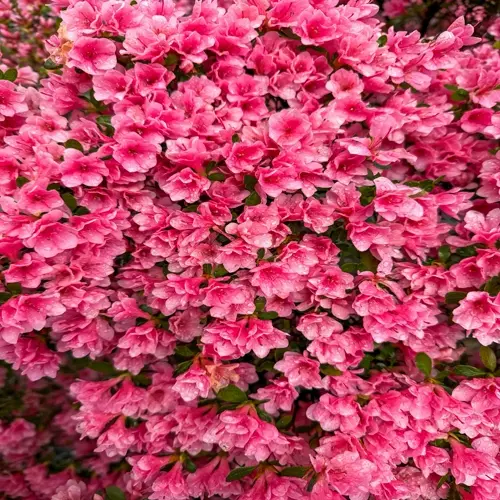
- Top picks: Apple trees, cherry trees, blueberry bushes, and poppies bloom during the heart of mason bee season from late April through May.
- Pollen quality: Fruit tree blossoms provide dense, protein-rich pollen that mason bees prefer for provisioning their larval food stores.
- Double benefit: You feed your bees and they pollinate your fruit crops, creating a loop that improves harvests and bee populations together.
Late Season Bloomers
- Top picks: Bee balm, catmint, and native wildflowers extend the food supply into June when the last mason bees are still finishing their nests.
- Coverage strategy: Late bloomers keep food available for bees that emerged in the second wave of a staggered release schedule.
- Planting placement: Group these flowers within the 300-foot foraging range so late-season bees don't have to search far for their final meals.
Beyond flowers, mason bees need one more resource you should provide. A source of clay-rich mud within 50 feet (15 meters) of the nesting house gives females the material they use to build walls between each egg cell. A small dish of garden soil mixed with water works fine. Keep it damp throughout the active season so your bees always have building material handy.
Plant a mix of early, mid, and late spring bloomers to cover the entire 6 to 8 week active season. This rolling buffet keeps your bees fed from the moment they emerge until the last female seals her final nesting tube. You'll see your nests fill up faster and a larger bee population coming back the next spring. Your flowers do the feeding work for you.
Read the full article: Mason Bees: Your Garden Pollinator