
Introduction
Not all nematodes cause harm in your garden. Some species destroy plant roots and ruin crops. Beneficial nematodes help you fight back. These tiny roundworms hunt down and kill pest insects hiding in your soil. Think of them as microscopic search and destroy teams that patrol your garden beds for pest larvae around the clock.
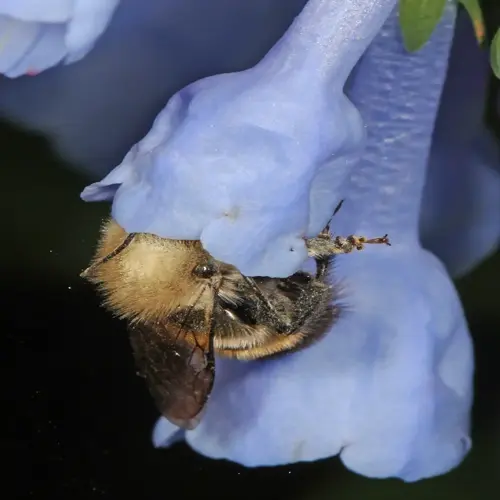
You might see them called entomopathogenic nematodes, a fancy term that means they make bugs sick. In my experience, most gardeners have never heard that name before. Researchers found them in the 1920s. Companies began selling them in the 1980s once mass production became possible. I started using them in my own garden about 8 years ago because chemical sprays kept killing my bees along with the pests.
One species alone can infect over 200 pest insect species across 10 orders. You can now buy 13 species that serve as biological control agents for organic pest control. When I tested them on my lawn grubs, the results matched what studies show: 80 to 100% control rates with the right nematode for the job.
This guide shows you the best nematode species for common pests and how to apply them the right way. You'll also learn what to do when results fall short and how nematodes compare to chemical options for your yard.
7 Best Beneficial Nematodes
Picking the right nematode species matters more than anything else. Each one hunts in a different way. That style determines which pests it can reach. In my experience, choosing wrong wastes a whole season, so watch the foraging strategy for each species below.
Ambush types like Steinernema carpocapsae wait near the surface for bugs. The deep hunter called Heterorhabditis bacteriophora digs down to find grubs in your soil. Steinernema feltiae works at both depths. These 7 species cover your needs from nematodes for fungus gnats in pots to nematodes for grubs in your lawn.
Steinernema carpocapsae
- Foraging Style: Ambush hunter that waits near the soil surface for passing insects, making it ideal for pests in the top 1 to 2 inches (2.5 to 5 centimeters) of soil
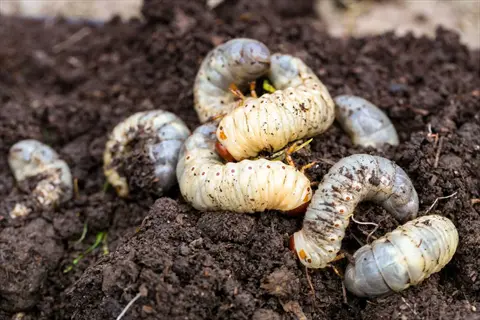
- Target Pests: Crushes fleas, cutworms, armyworms, sod webworms, and other surface dwelling larvae in lawns and garden beds
- Proven Efficacy: Three seasonal applications over two years reduced pecan weevil survival by 99% in peer reviewed orchard trials
- Host Range: Can infect over 200 insect species across 10 orders in laboratory conditions, making it the most versatile commercial species available
- Optimal Conditions: Performs best at soil temperatures between 72 and 82°F (22 to 28°C) with consistent moisture
- Best For: Home gardeners dealing with flea infestations in yards, cutworm damage in vegetable beds, or sod webworm damage in lawns
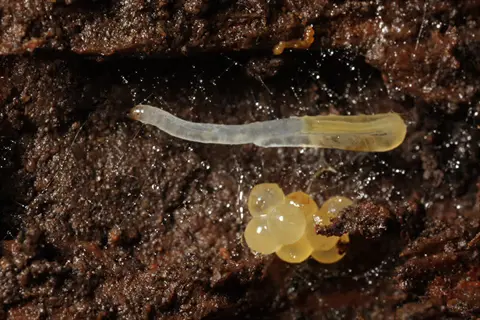
Steinernema feltiae
- Foraging Style: Intermediate forager that uses both ambush and cruiser strategies, allowing it to target pests at multiple soil depths with ease
- Target Pests: Exceptional against fungus gnats, shore flies, thrips pupae, and leaf miner larvae found in garden soil and greenhouse environments
- Proven Efficacy: Achieves 80 to 100% control of fungus gnats at standard application rates in peer reviewed greenhouse and garden trials
- Temperature Range: Tolerates cooler conditions than most species, remaining active at soil temperatures as low as 50°F (10°C)
- Indoor Use: The top choice for houseplant and greenhouse growers because it controls fungus gnats without harming plant roots or beneficial soil microbes
- Best For: Gardeners struggling with fungus gnats in potted plants, raised beds, or greenhouse operations where chemical free control is preferred
Heterorhabditis bacteriophora
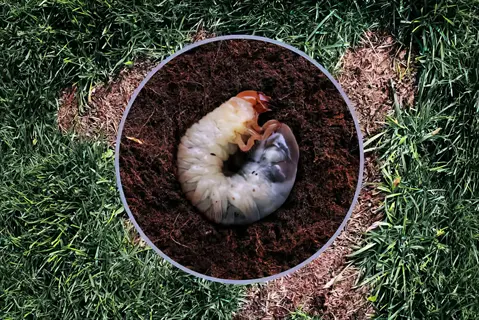
- Foraging Style: Active cruiser that digs deep into soil to hunt grubs and beetle larvae, reaching pests that ambush nematodes cannot access
- Target Pests: The go-to species for white grubs, Japanese beetle larvae, June beetle larvae, and other root feeding beetle pests in lawns
- Proven Efficacy: Provided corn rootworm control similar to soil insecticides at 30 to 80% in agricultural field trials across multiple studies
- Unique Ability: The only commercial genus where infective juveniles can penetrate host insects directly through the cuticle without needing a natural opening
- Optimal Conditions: Thrives in warm soil between 68 and 86°F (20 to 30°C) and needs steady moisture without waterlogged conditions
- Best For: Homeowners battling grub damage in lawns, Japanese beetle infestations, or root weevil problems in ornamental garden beds
Steinernema riobrave
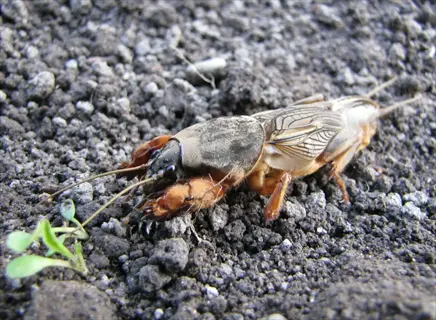
- Foraging Style: Ambush style hunter with a broad host range that does its best work in warm climates and sandy or loamy soil conditions
- Target Pests: Proven against plum curculio, mole crickets, citrus root weevils, and various beetle larvae that damage fruit trees and warm season turf
- Proven Efficacy: Achieves 80 to 100% control of plum curculio in peer reviewed orchard trials across multiple growing seasons
- Climate Preference: Does best in southern and warm climate gardens where soil temperatures often exceed 77°F (25°C)
- Soil Type: Works best in sandy and well drained soils where it can move with ease and locate host insects faster than in heavy clay
- Best For: Fruit tree growers in warm regions dealing with curculio, mole cricket damage in southern lawns, or citrus pest management
Steinernema kraussei
- Foraging Style: Cold adapted cruiser that remains active at lower temperatures than any other commercial beneficial nematode species
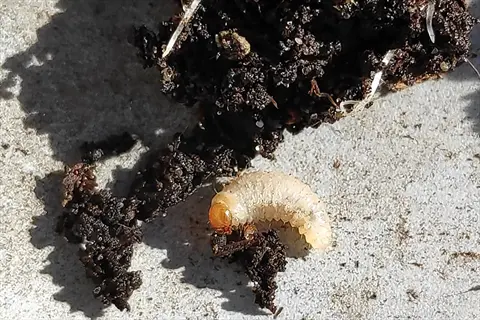
- Target Pests: Effective against black vine weevil larvae, otiorhynchus weevils, and other cold season pests that feed on roots of ornamental plants
- Cold Tolerance: Remains active at soil temperatures as low as 41°F (5°C), allowing early spring and late fall applications
- Seasonal Advantage: The only reliable option for gardeners in northern climates who need pest control during cool shoulder seasons when other species are inactive
- Application Window: Can be applied from early March through late November in most temperate regions, extending your biological control season by several months
- Best For: Northern gardeners dealing with vine weevil damage in container plants, berry bushes, or ornamental shrubs during cool weather periods

Heterorhabditis indica
- Foraging Style: Warm climate cruiser that thrives in tropical and subtropical soils where other nematode species struggle with high heat and humidity
- Target Pests: Controls white grubs, beetle larvae, fungus gnats, and various root feeding pests found in warm climate gardens and nurseries
- Heat Tolerance: Stays active at soil temperatures up to 95°F (35°C), far exceeding most other commercial species
- Regional Fit: Ideal for gardeners in the southern United States, coastal regions, and tropical areas where summer soil temperatures stay high all season
- Root Protection: Great for protecting ornamental plants, palms, and tropical fruit trees from soil dwelling beetle larvae and grubs
- Best For: Tropical and subtropical gardeners who need a heat tolerant grub control option that remains effective during hot summer growing seasons
Heterorhabditis megidis
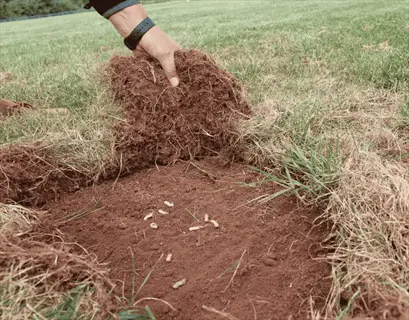
- Foraging Style: Deep burrowing cruiser that searches through soil for grubs and beetle larvae at depths other nematode species cannot reach
- Target Pests: Crushes large white grubs, chafer beetle larvae, and other deep feeding root pests found 3 to 6 inches below the surface
- European Heritage: Common in European biological control programs and now available in North American markets for professional and home gardener use
- Moderate Climate: Performs best at soil temperatures between 59 and 77°F (15 to 25°C), filling the gap between cold and warm species
- Persistence: Shows better soil survival rates than some other cruiser species, giving you longer lasting control before you need to reapply
- Best For: Gardeners in moderate climates dealing with persistent grub problems in established lawns, meadows, or perennial garden beds
How Nematodes Kill Pests
You need to know how nematodes kill pests to see why they beat most other options. Each nematode carries special gut bacteria. These infective juveniles use that bacteria to kill your pests and breed inside the dead host. When I first watched this happen under a microscope at a workshop, it changed how I think about pest control for good.
Each stage of the kill process happens fast. From the moment a nematode finds a pest larva to host insect death takes just 24 to 48 hours. Here's how your nematode life cycle works step by step.
Sensing the Host
- Detection: Infective juveniles detect carbon dioxide, heat, and vibrations produced by insect larvae moving through the soil around plant roots
- Strategy Split: Ambush species like S. carpocapsae wait near the surface for passing prey, while cruiser species like H. bacteriophora actively track hosts through deeper soil layers
- Precision: Nematodes can distinguish between healthy insect hosts and already infected cadavers, ensuring they target only viable prey in the surrounding soil
Entering the Insect
- Entry Points: Steinernema species enter through natural body openings such as the mouth, anus, and breathing spiracles of the insect larva
- Direct Penetration: Heterorhabditis species have a special tooth like structure that allows them to penetrate directly through the insect cuticle, bypassing natural openings entirely
- Speed: Once a suitable host is located, nematodes can enter the insect body within minutes and begin the infection process immediately
Releasing Lethal Bacteria
- Bacterial Partners: Steinernema nematodes carry Xenorhabdus bacteria in their gut, while Heterorhabditis carry Photorhabdus bacteria, both deadly to insects
- Unique Relationship: These symbiotic bacteria are not known to exist anywhere in nature except inside the gut of these specific nematode species
- Release Trigger: Once inside the insect body cavity, nematodes regurgitate their bacterial payload directly into the host blood, triggering rapid infection
Host Death in 24 to 48 Hours
- Septicemia: The released bacteria multiply rapidly inside the insect, causing fatal blood poisoning that kills the host within 24 to 48 hours of initial entry
- Cadaver Signs: Infected cadavers remain firm and intact for 8 to 12 days rather than decomposing within 1 to 2 days like insects killed by other causes
- Color Change: Heterorhabditis killed insects often turn brick red or orange due to Photorhabdus bacteria, while Steinernema killed insects turn brown or tan
Reproduction and Recycling
- Population Boom: The bacteria convert the insect body into food for nematodes, which reproduce through 2 to 3 complete generations inside a single cadaver
- Massive Output: Tens of thousands of new infective juveniles emerge from one infected insect, ready to seek out additional pest larvae in surrounding soil
- Self Sustaining Cycle: This reproduction cycle means a single successful infection creates thousands of new nematodes that continue hunting pests for weeks
This whole process gives you a self multiplying form of pest control. Every pest they kill in your garden produces thousands of new hunters that spread through your soil. No chemical pesticide can do that for you.
Nematode Application Guide
Good application is what gets you results. I made all the mistakes at first. Here's how to apply beneficial nematodes the right way. After 20 plus applications, I know that timing and soil moisture matter the most.
Your nematode application rate depends on the area you need to cover. Research sets the standard dose at 25 infective juveniles per square centimeter. Check the soil temperature for nematodes before you start. You want readings between 68 and 86°F (20 to 30°C) from a thermometer pushed 2 to 3 inches into the ground.
Here's the tip most guides skip. UV radiation from sunlight kills nematodes within minutes on the soil surface. You need to know when to apply nematodes: always in the evening after sunset or on cloudy days. This one change alone can double your success rate. Keep soil moisture steady for 10 to 14 days after you apply them.
Mix your nematodes in room temperature water and stir gently. Use a watering can for small areas or a pump sprayer for larger lawns. Then water the treated area right away to wash them into the soil.
Troubleshooting Failed Results
If you search for beneficial nematodes not working, you'll find plenty of company. Losses can reach 50% within hours of soil application. Only about 1% of your nematodes survive after 1 to 6 weeks. That's normal and expected. But if you see zero pest control at all, something went wrong that you can fix.
I've had 2 failed rounds in my years of nematode troubleshooting. Both times I found the cause and fixed it for the next try. Most gardeners want to know why nematodes fail, and the answer falls into 5 common causes. First check for signs nematodes are working: fewer pests within 2 to 3 weeks, firm tan cadavers in soil, and less plant damage from larvae.
Expired or Dead Nematodes
- Symptom: No reduction in pest activity 2 to 3 weeks after you applied them despite good soil conditions and proper moisture levels
- Cause: Nematodes were dead before application due to bad shipping, storage above 77°F (25°C), or going past the 3 week shelf life
- Fix: Run a nematode viability test before applying by placing a small sample in warm water under a magnifying lens and watching for curling movement
Daytime Application and UV Damage
- Symptom: Nematodes appeared healthy during mixing but pest numbers stayed the same despite good soil moisture and temperature
- Cause: UV radiation from sunlight can kill infective juveniles within minutes of exposure on soil surfaces or plant leaves
- Fix: Always apply nematodes in the evening after sunset or on cloudy days, and water them into the soil right away to cut UV exposure
Wrong Soil Temperature
- Symptom: Your nematodes were alive and you applied them right but pest control results are poor over the expected 2 to 8 week window
- Cause: Soil temps below 50°F (10°C) make nematodes sluggish, while temps above 95°F (35°C) can kill them before they find hosts
- Fix: Use a soil thermometer to check that temps are between 68 and 86°F (20 to 30°C) before you apply for the best activity
Wrong Species for the Pest
- Symptom: Nematodes are alive and conditions are right but the target pest won't go away despite repeated treatments in that area
- Cause: Using an ambush species like S. carpocapsae for deep soil grubs that need a cruiser species like H. bacteriophora to reach them
- Fix: Identify your target pest first, then match it to the right nematode species based on foraging style from the species guide above
Dry Soil After Application
- Symptom: Initial pest drop followed by a fast rebound within 1 to 2 weeks instead of the expected 2 to 8 weeks of control
- Cause: Nematodes need moist soil to survive and move through the ground, and dry conditions kill the applied population fast
- Fix: Water your treated area lightly for 10 to 14 days after you apply, keeping soil damp but not flooded during dry or windy weather
Nematodes vs Chemical Pesticides
You've heard the talk about nematodes vs chemical pesticides in the garden. It boils down to cost versus safety. The nematodes cost about 10 times more per treatment than synthetic options. That's a fact worth knowing up front. But the nematodes cost story changes when you count what chemicals do to your soil, your pets, and your bees.
In my experience, switching to biological pest control paid off within one season. My bees came back. My dog could roll on the grass the same day I treated it. Nematodes are EPA exempt in the United States. The government considers them safe enough to skip registration. No chemical pesticide gets that kind of pass.
For eco-friendly lawn care over a full season, organic pest control with nematodes wins. Chemicals kill earthworms, bees, and other allies that keep your soil healthy. Nematodes leave all of those garden helpers alone while targeting only the pests you want gone.
Storage and Viability Tips
Knowing how to store nematodes is just as important as knowing how to apply them. These are living creatures with a short nematode shelf life, and bad storage is the number one reason gardeners get poor results. I lost an entire batch once because I left the package in my car for a few hours on a warm day. In my experience, that mistake cost me about $25 and a full month of pest control.
You need to refrigerate nematodes as soon as they arrive at your door. The best nematode storage temperature is 37 to 45°F (3 to 7°C), which is your normal kitchen fridge. Use stored nematodes within 3 weeks for best results. Run a quick nematode viability test before you apply by checking for movement in water.
Refrigerate Immediately on Arrival
- Action: Place nematode packages in your refrigerator at 37 to 45°F (3 to 7°C) as soon as they arrive from the supplier
- Warning: Never store nematodes in a freezer, garage, or room temperature shelf, as temperatures outside the refrigerated range reduce viability rapidly within days
- Timing: Open and inspect the package right away to check for damage during shipping and confirm the nematodes are in their expected form such as sponge, gel, or granules
Use Within Three Weeks
- Shelf Life: Research confirms nematodes should be used within 3 weeks of purchase for best pest control results, as viability declines steadily after that point
- Planning Tip: Order nematodes only when you are ready to apply them within the next 1 to 2 weeks, timing your purchase with favorable weather forecasts
- Bulk Storage: If you purchased more than you need for one application, keep the remainder refrigerated and apply within the 3 week window for the second treatment
Test Viability Before Applying
- Quick Test: Put a small pinch of nematode product in a flat dish of lukewarm water and wait 2 to 3 minutes for the nematodes to separate and start moving
- What to Look For: Living nematodes appear as tiny, thread like organisms that curl and uncurl actively, while dead nematodes remain straight and motionless in the water
- Magnification Help: Use a smartphone camera zoom or a basic magnifying glass to see the nematodes clearly, as they are barely visible to the naked eye at around 0.02 inches long
Avoid Common Storage Mistakes
- Heat Exposure: Even brief exposure to temperatures above 86°F (30°C) during shipping or storage can kill a significant portion of the nematode population
- Direct Sunlight: Keep packages away from windows and direct light, as UV radiation penetrates packaging and damages nematodes even before you open the container for use
- Airtight Sealing: Do not seal nematode packages in airtight containers or plastic bags, as the organisms need minimal air exchange to survive during their refrigerated storage period
5 Common Myths
Beneficial nematodes are dangerous parasites that can spread to humans, pets, and other animals in the garden.
Beneficial nematodes only target insects and are EPA-exempt in the United States due to their documented safety for humans, pets, and vertebrates.
One application of nematodes will permanently protect your garden from all soil pests for the entire season.
Effective nematode control lasts only 2 to 8 weeks in soil, and roughly 99 percent of applied nematodes die within 1 to 6 weeks, requiring reapplication.
All nematode species work the same way and you can use any species for any pest problem in your garden.
Different species use distinct foraging strategies: ambush nematodes like S. carpocapsae target surface pests while cruisers like H. bacteriophora hunt deep soil larvae.
Beneficial nematodes will kill earthworms, bees, butterflies, and other helpful organisms in your garden soil.
Beneficial nematodes specifically target insect pests and research confirms they are safe for earthworms, pollinators, plants, and all beneficial organisms.
You can store beneficial nematodes for months in your garage or shed and they will still work when you apply them.
Nematodes are living organisms that should be refrigerated and used within three weeks of purchase for best results, as viability declines rapidly.
Conclusion
Beneficial nematodes give you a proven way to kill soil pests without chemicals. Studies show 80 to 100% control rates when you match the right species to your target pest. Kills happen in just 24 to 48 hours. No other form of biological pest control gives you that kind of speed.
Your success comes down to 3 steps you now know how to follow. Pick the right nematode species for your pest. Apply them in the evening when soil temps sit between 68 and 86°F (20 to 30°C). Keep the soil damp for 2 weeks after nematode application to give them time to work.
In my experience, beneficial nematodes have become my first choice for any soil pest issue. They're EPA exempt, safe for kids and pets, and they leave earthworms and bees alone. These facts come from decades of peer reviewed organic pest control research.
Start with a small test area in your garden to see results for yourself. Watch them clear out a grub problem and you'll see why so many gardeners now pick biological pest control over sprays. Your soil and your garden will thank you for making the switch.
Follow this guide from species selection through proper storage and you'll get real results backed by science. Nematodes are one of the best tools any home gardener can add to their pest control plan today.
External Sources
Frequently Asked Questions
Do beneficial nematodes really work?
Yes, peer-reviewed research shows beneficial nematodes achieve 80 to 100 percent control rates against specific pests like fungus gnats and plum curculio.
Is there a downside to using nematodes?
Nematodes have a short shelf life of about three weeks, cost roughly ten times more than synthetic pesticides, and require specific soil conditions to work.
What is a beneficial nematode?
A beneficial nematode is a microscopic soil-dwelling roundworm that kills insect pests through a symbiotic relationship with gut bacteria.
Do nematodes get rid of fleas?
Yes, Steinernema carpocapsae nematodes are effective at controlling flea larvae in soil and yard areas.
Can I apply nematodes in fall?
You can apply nematodes in fall if soil temperatures remain above 50 degrees Fahrenheit (10 degrees Celsius), which varies by region.
Can you put too many nematodes in soil?
Overapplying nematodes wastes money but does not harm plants or soil organisms, as excess nematodes simply die off naturally.
Can humans be infected with nematodes?
Beneficial nematodes cannot infect humans. They only target insects and are EPA-exempt due to their documented safety.
Do beneficial nematodes hurt earthworms?
No, beneficial nematodes do not harm earthworms. They specifically target insect hosts and leave other soil organisms unaffected.
What time of year to apply beneficial nematodes?
Apply beneficial nematodes in spring or early fall when soil temperatures are consistently between 68 and 86 degrees Fahrenheit (20 to 30 degrees Celsius).
Do beneficial nematodes hurt bees?
No, beneficial nematodes do not hurt bees. They only target soil-dwelling insect larvae and are safe for all pollinators.