
What does the hydrangea flower symbolize? These bold blooms stand for gratitude, heartfelt emotion, and abundance. Few flowers carry as many layers of hydrangea meaning across so many cultures around the world.
When I first started growing hydrangeas, I had no idea the same flower could mean opposite things in different countries. Japanese temples plant them along stone paths as signs of sincere thanks. Monks tie the blooms to apology rituals during the rainy season called tsuyu. In Korea, people see them as symbols of endurance because they thrive through weeks of heavy rain.
Victorian England told a very different story. Their flower language called floriography gave hydrangeas a harsh label. The plant makes hundreds of blooms but very few seeds. Victorians saw that as a sign of vanity and empty show. Sending someone hydrangeas back then was an insult, not a gift.
Modern Western culture has dropped that old reading. These days, hydrangea symbolism points to grace and togetherness. Brides pick them for wedding centerpieces because one stem fills a whole vase. You'll spot them at baby showers and housewarming parties too. The big round clusters feel like a warm hug in flower form. In my own garden, I've watched guests gravitate toward the hydrangeas before any other plant.
What sets hydrangeas apart in flower symbolism is their range. Roses mean love. Sunflowers mean joy. But what does the hydrangea flower symbolize? A full spectrum of emotion based on color alone. That range makes them one of the most flexible gifts you can choose for any occasion.
Pink Hydrangeas
- Emotion: Romance and warm affection toward someone you care about on a personal level.
- Best for: Anniversaries, Mother's Day, and gestures where you want to show genuine love without the weight of red roses.
- Cultural note: In many Asian traditions, pink hydrangeas signal that your feelings come straight from the heart.
Blue Hydrangeas
- Emotion: Apology, calm reassurance, and empathy during tough moments between people.
- Best for: Saying sorry, offering comfort during grief, or showing a friend you care during a hard time in their life.
- Cultural note: Japanese temples favor blue types because the color ties to honest reflection and sincere regret.
White Hydrangeas
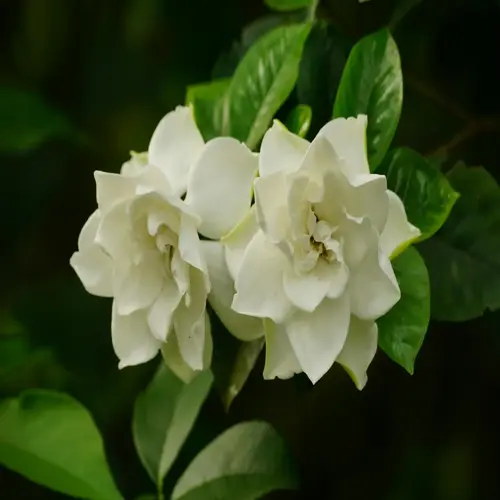
- Emotion: Purity, grace, and fresh starts that mark a new chapter in life or a bond.
- Best for: Weddings, christenings, and housewarming gifts where the focus sits on clean intentions and new beginnings.
- Cultural note: White hydrangeas pair with almost any flower and remain the top pick for bridal bouquets.
Purple Hydrangeas
- Emotion: Abundance, royalty, and deep respect for someone whose character you admire.
- Best for: Graduations, promotions, and milestones where you want to honor big achievements with a regal touch.
- Cultural note: Purple types are rarer in gardens, which adds an extra layer of meaning when given as a gift.
Pick your color based on the message you want to send. Pink or blue works for personal thanks and close bonds. White keeps things elegant for formal events like weddings or christenings. Purple fits moments of deep respect. Mix colors in one vase and you cover gratitude, love, and admiration all at once.
I gave a friend blue hydrangeas after a rough patch between us. She knew right away what they meant without me saying a word. That's the power of these blooms. They speak for you when words feel too hard to find.
No matter which shade you choose, hydrangeas tell the receiver that you put real thought into your gift. These flowers don't just fill a room with beauty. They hold deep meaning behind every petal and make any occasion feel more personal. Few other blooms give you that kind of reach across cultures and emotions.
Read the full article: Hydrangea Flower: A Complete Growing Guide