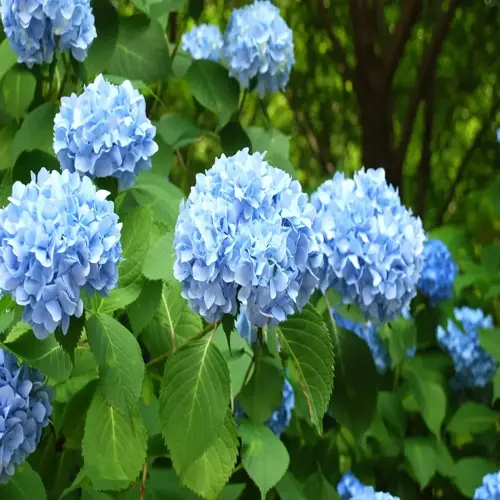

People ask why say goodbye to hydrangeas when these plants seem so popular. The truth is that winter dieback, disease, tight spaces, and weak blooms give gardeners good reasons to pull a hydrangea out. Not every plant works in every yard. Sometimes the best move is to admit a tree isn't doing well and make a change.
I've faced that choice twice in my own garden. The first was a grafted tree that cracked at the graft union during its third winter. The trunk split and half the canopy died. No amount of pruning could fix it. The second was a panicle shrub planted too close to my front porch. It grew so wide it blocked the walkway and pushed against the railing. Both were hydrangea tree problems that had no fix short of removing the plant and starting over.
Several hydrangea tree problems lead to decline you can't turn around. Grafted trees carry a built-in weak point where two plants join at the graft union. Ice, wind, or age can cause that spot to fail. Bacterial wilt is another big issue. Once it gets into the plant's water system, no treatment will clear it. NC State Extension notes that wilt and bud blight stick around in some regions for years. Trees that sat root-bound in nursery pots too long may never build a healthy root network even after you plant them in good soil.
Pet safety pushes some owners toward removing hydrangea trees too. All parts of the plant contain compounds that are toxic to dogs and cats if eaten in large amounts. If your pets chew on garden plants and you can't fence off the area, replacing hydrangea with a pet-safe option makes sense. NC State Extension confirms the risk. Severe reactions are rare since the bitter taste stops most animals from eating much. But if you have a pup that eats everything in sight, it's worth the swap.
Before you grab a shovel, give your tree a fair shot at bouncing back. A tree with weak blooms may just need better pruning or a dose of balanced food. Mild leaf spot clears up with better air flow and a spray of fungicide. But if you've tried fixes for two full growing seasons with no results, removal is the right call. Don't let a dying plant drag down the rest of your garden.
When replacing hydrangea trees, toss diseased plants in the trash and not your compost pile. Composting spreads disease back into your soil. Dig out the old root ball and fill the hole with fresh compost before you plant something new. Crape myrtle works great in warm zones as a swap. Japanese tree lilac fits cold zones well. Rose of Sharon gives you low upkeep with big summer blooms. Each one offers that showy flower display without the same set of issues.
In my experience, the hardest part of removing a hydrangea is the feeling of giving up on a plant you cared for. But your garden space is limited. A tree that takes up room without giving you blooms or beauty is costing you the chance to grow something better in that same spot. Making the swap often turns a problem corner of your yard into the best-looking part of your whole garden within just one or two seasons.
Read the full article: Hydrangea Tree: Complete Growing Guide