
Introduction
The sage plant takes its name from the Latin word Salvia. That word means "to heal." Romans called sage "the herb of immortality" and trusted it to cure all kinds of illness. Today the genus holds over 900 species around the world. The one you want for cooking is Salvia officinalis.
When I first planted sage in my herb garden 8 years ago, I had no idea how useful it would be. In my experience, this perennial herb seasons a roasted chicken just as well as it soothes a sore throat as tea. Sage works in the kitchen, the medicine cabinet, and the flower bed all at once.
Most online guides give you a quick list of tips and stop there. This guide covers 8 sage varieties, growing steps, pruning methods, pest fixes, and real science behind sage's health claims. You will also learn which common myths about sage are wrong.
You might be planting your first Salvia officinalis or saving a woody old plant. Either way, the answers you need are right here.
8 Popular Sage Varieties
Not all sage varieties taste the same or grow in the same climate. Some types of sage are best for cooking while others serve as ornamental sage in flower beds. The list below covers 8 cultivars with details on hardiness zones, flavor, and the best use for each one.
When I first started growing sage, I stuck with common sage and missed out on great options like berggarten sage and purple sage. I tested all 8 of these varieties in my own garden over the years. Each one has a clear strength that sets it apart from the rest. Tricolor sage and golden sage add color that makes any herb patch look alive.
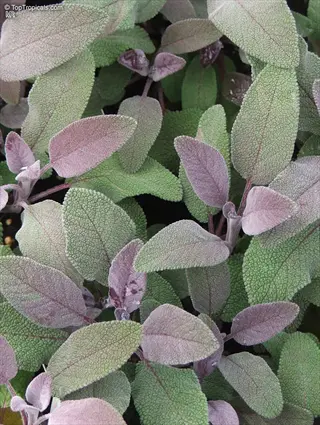
Common Sage (Salvia officinalis)
- Hardiness: Grows well in USDA zones 4 through 10, making it the most cold-tolerant sage cultivar you can find as a home gardener in North America and Europe.
- Appearance: Features gray-green oval leaves with a pebbly texture and produces spikes of violet-blue flowers in late spring that attract pollinators to your garden.
- Flavor: Delivers the classic warm, earthy, peppery sage flavor that sets the standard for poultry stuffing, sausage seasoning, and traditional European cooking.
- Growth Habit: Reaches 24 to 30 inches (60 to 76 centimeters) tall with a bushy, upright form that becomes woody at the base after the second growing season.
- Best Use: The go-to choice for any kitchen garden because it is the easiest to source from nurseries and the most versatile for both fresh and dried culinary applications.
- Propagation: Can be started from seed, stem cuttings, or division, with seeds germinating in 10 to 21 days at a soil temperature of 60 to 70 degrees Fahrenheit (15 to 21 degrees Celsius).
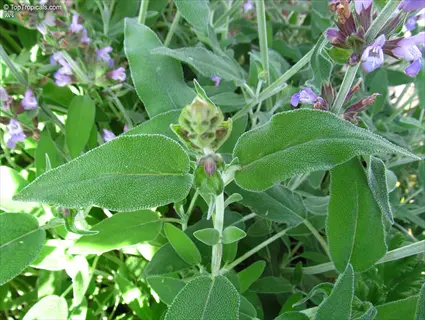
Berggarten Sage
- Hardiness: Thrives in USDA zones 5 through 8 and resists powdery mildew better than almost every other sage cultivar you can grow in humid climates.
- Appearance: Produces large, rounded leaves that are broader and more oval than common sage, with a silver-green color and velvety texture that makes it popular in ornamental plantings.
- Flavor: Offers a flavor close to common sage but with a milder, sweeter edge that works great in butter sauces and light poultry dishes you make at home.
- Growth Habit: Stays more compact than common sage, reaching about 18 to 24 inches (45 to 60 centimeters) in height, and seldom flowers, which keeps the plant focused on leaf production.
- Best Use: Ideal if you live in an area with higher humidity and struggle with mildew on other sage cultivars, and excellent for nonstop culinary harvesting due to minimal flowering.
- Origin: First found at the Berggarten Mansion gardens in Hannover, Germany, and valued by European gardeners for its disease resistance and ornamental leaf shape.
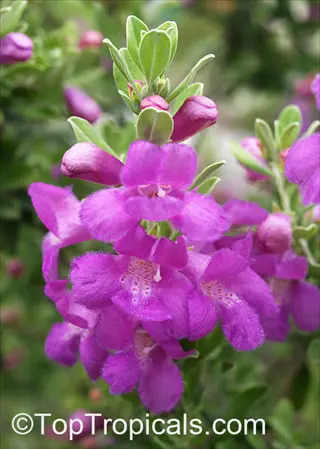
Purple Sage (Purpurea)
- Hardiness: Hardy in USDA zones 6 through 9, making it a bit less cold-tolerant than common sage but a reliable perennial in most temperate gardens with good winter drainage.
- Appearance: Displays striking purple-gray foliage that deepens in color during cooler weather, creating a bold visual contrast when planted alongside green herbs like basil or parsley.
- Flavor: Carries a milder taste than common sage with subtle earthy undertones, making it great for both cooking and as a decorative garnish on your finished dishes.
- Growth Habit: Grows 18 to 24 inches (45 to 60 centimeters) tall with a more open branching pattern, and the purple coloring is most intense on newer leaves at the branch tips.
- Best Use: Serves double duty as both a culinary herb and an ornamental garden accent, and it looks great in mixed herb borders alongside your rosemary and thyme.
- Care Note: Give it extra protection in winter compared to common sage, with a layer of mulch around the base to help it survive cold snaps in zone 6 gardens.
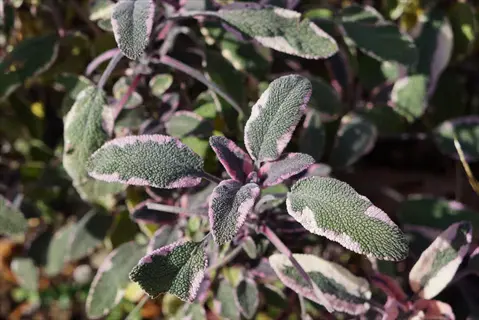
Tricolor Sage
- Hardiness: Grows in USDA zones 6 through 9 but ranks as one of the less hardy sage cultivars, so you may need to treat it as an annual or bring it indoors before the first frost.
- Appearance: Features eye-catching leaves with green, white, and purple-pink variegation that makes it one of the most ornamental sage plants available at garden centers and nurseries.
- Flavor: Has a milder sage flavor than the common variety, which makes it best used fresh as a garnish or in dishes where you want a subtle herb presence.
- Growth Habit: Stays compact at 12 to 18 inches (30 to 45 centimeters) tall and grows at a slower pace than other cultivars, requiring patience but rewarding you with striking foliage color.
- Best Use: Grown for its ornamental value in container gardens, window boxes, and herb borders where its colorful foliage adds visual interest throughout your growing season.
- Propagation: Must be propagated from cuttings or division because seeds do not produce plants true to the parent's variegated coloring, making cuttings the only reliable method.
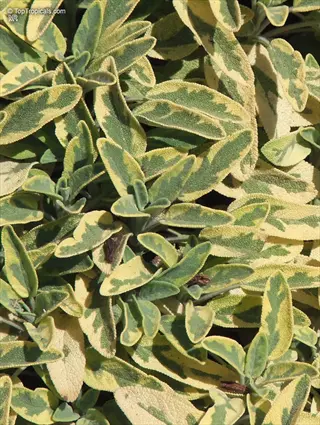
Golden Sage (Icterina)
- Hardiness: Reliable in USDA zones 5 through 8 with good winter drainage, and its golden-edged leaves brighten up even during the shorter days of early spring and late autumn.
- Appearance: Displays green leaves edged with golden-yellow variegation that becomes more vivid in full sun, creating a warm color accent in herb gardens and mixed perennial borders.
- Flavor: Tastes similar to common sage with a lighter aromatic quality, making it a solid culinary herb that also looks beautiful on the plate.
- Growth Habit: Reaches 18 to 24 inches (45 to 60 centimeters) tall with a rounded mounding form, and the golden coloring intensifies when the plant receives a full day of sunlight.
- Best Use: Works well in both kitchen gardens and ornamental plantings, offering gardeners a dual-purpose variety that provides color without sacrificing culinary utility in the herb patch.
- Care Note: Requires full sun to maintain the best golden leaf coloring, as plants grown in partial shade tend to revert toward plain green leaves and lose their ornamental appeal.
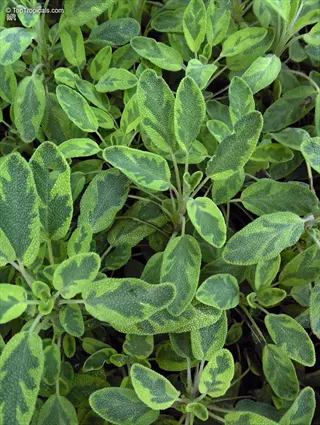
Holt's Mammoth Sage
- Hardiness: Hardy in USDA zones 5 through 8 and produces some of the largest leaves of any sage cultivar, which makes it the top choice for gardeners who harvest sage in bulk.
- Appearance: Grows large, elongated gray-green leaves that can reach 3 to 4 inches (7 to 10 centimeters) in length, much bigger than common sage leaves and very aromatic.
- Flavor: Delivers a strong, full-bodied sage flavor that holds up well to drying and long cooking, making it the preferred cultivar for producing dried sage for winter pantry stocks.
- Growth Habit: Reaches up to 36 inches (91 centimeters) tall and wide with a vigorous, spreading growth pattern that gives it a larger garden footprint than most other cultivars.
- Best Use: Best suited for gardeners who want to harvest and dry large quantities of sage leaves for year-round culinary use, teas, or homemade herb blends and seasoning mixes.
- Propagation: Seldom sets viable seed and is best propagated through stem cuttings taken in late summer or early fall, rooting fast in a well-drained potting mix within four weeks.
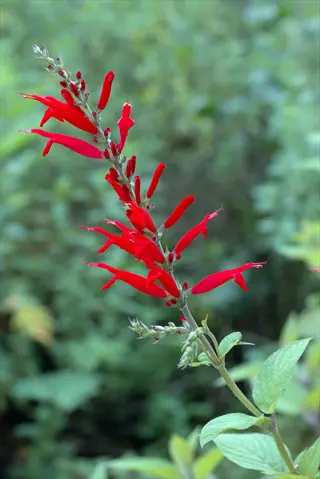
Pineapple Sage (Salvia elegans)
- Hardiness: Hardy in USDA zones 8 through 11 and grown as an annual in cooler climates, making it the most cold-sensitive sage variety sold at garden centers.
- Appearance: Produces bright green pointed leaves and stunning tubular red flowers in late summer through fall that hummingbirds and butterflies find irresistible in the garden landscape.
- Flavor: Offers a sweet, fruity pineapple scent and taste that differs from culinary sage in every way, making it a novelty herb for fruit salads, desserts, and cocktails.
- Growth Habit: Shoots up to 36 to 48 inches (91 to 122 centimeters) tall in a single season, with soft herbaceous stems that do not become woody like common sage plants do.
- Best Use: Grown for its unique pineapple aroma in drinks and desserts. You will also love its ornamental value as a pollinator magnet with vivid red flowers in the late season garden.
- Care Note: Needs consistent moisture compared to other sage varieties and benefits from regular feeding, behaving more like a tropical herb than a Mediterranean drought-tolerant plant.
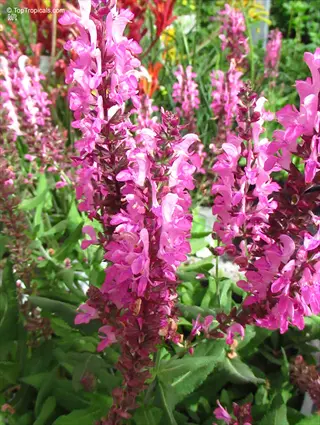
Compacta Sage
- Hardiness: Grows in USDA zones 5 through 8 and maintains a tight, dense growth habit that makes it the best sage cultivar for small gardens, containers, and raised bed edges.
- Appearance: Features standard gray-green sage leaves on a dwarf plant that stays tidy and mounded without the sprawling habit of larger cultivars you might see in the garden.
- Flavor: Provides the same classic sage flavor as common sage in a much smaller package, so gardeners with limited space do not have to compromise on culinary quality.
- Growth Habit: Stays under 18 inches (45 centimeters) tall and wide with a compact form that requires minimal pruning to maintain its shape throughout the growing season.
- Best Use: Perfect for container gardens, balcony herb planters, and front-of-border plantings where a full-sized sage plant would overwhelm the available space or crowd neighboring herbs.
- Propagation: You can propagate it through stem cuttings because it does not produce viable seeds, so nursery plants or cuttings from an existing plant are the only options.
Growing Sage From Scratch
Growing sage starts with picking the right spot in your yard. Sage needs full sun sage lovers know means at least 6 to 8 hours of direct light each day. More sun gives you stronger oils in the leaves and better flavor in your food. I tested sage in partial shade once and the plants grew leggy with almost no taste.
Your soil matters just as much as sunlight when planting sage. Aim for a sage soil pH between 6.0 and 7.0 in sandy or loamy ground. Well-drained soil keeps the roots dry and stops rot from killing your plant over winter. Sage roots sit in wet clay and die fast, so mix in sand or gravel if your soil holds water.
If you want to learn how to grow sage from seed, plant them 1/4 inch deep in soil that stays between 60°F and 70°F (15°C to 21°C). Seeds take 10 to 21 days to sprout. You can also skip seeds and try propagating sage through stem cuttings taken in late summer. I find sage cuttings root faster and give you stronger plants than seeds do.
Space your sage plants 18 to 24 inches apart so air can move between them. Good sage spacing cuts down on mildew and lets each plant spread out without crowding. You should see your first harvest about 75 days after planting if the plant gets enough sun and water.
Sage also does great as one of your container herbs on a patio or balcony. Use a pot that is at least 12 inches wide with drainage holes in the bottom. Fill it with a gritty, fast draining mix and water only when the top inch of soil feels dry. In my experience, container sage needs a bit more water than garden sage but still hates soggy roots.
Pruning, Harvest, and Storage
Pruning sage the right way keeps your plant full of fresh leaves instead of bare woody stems. In spring, cut back about a third of the plant to shape it up and push new growth from the base. In my experience, doing this every March makes a huge difference in how thick my sage grows that season. Learn how to prune sage at the right time and your plant will last years longer.
When to harvest sage matters more than most people think. Pick your leaves before or at blooming when the essential oils are at their peak. The best time of day for harvesting sage is in the morning after the dew dries but before the sun gets hot. This is when you get the strongest flavor from every leaf you cut.
After blooming ends in summer, cut the plant back again to remove spent flowers. This tells the plant to put energy back into leaves instead of seeds. In fall, give it one light trim but don't cut too hard or it won't survive winter. When I first started, I pruned too late in fall and lost 2 plants to frost damage that year.
Storing fresh sage is simple if you wrap the stems in a damp paper towel and keep them in your fridge for up to a week. For longer storage, drying sage and freezing both work well. Dried sage keeps its flavor for about 12 months in a sealed glass jar stored away from light. The list below walks you through each method so you can pick the one that fits your kitchen.
Air Drying Sage Bundles
- Method: Gather 5 to 8 sage stems into a small bundle, tie them with kitchen twine at the base, and hang them upside down in a warm, dark room with good air flow for two weeks.
- Temperature: Keep the drying area between 68°F and 77°F (20°C to 25°C) with low humidity to prevent mold growth on the leaves during the drying process.
- Storage: Once dry and crumbly to the touch, strip leaves from stems and store in an airtight glass jar away from direct light, where dried sage keeps its flavor for up to one year.
- Best For: Gardeners who harvest large batches at once and want a simple, low cost method that requires no special gear beyond twine and a warm room.
Freezing Fresh Sage Leaves
- Method: Lay individual sage leaves flat on a parchment lined baking sheet, freeze for two hours until solid, then transfer to a freezer safe bag or container for long term storage.
- Alternative: Chop fresh sage leaves fine, pack them into ice cube trays, cover with olive oil or melted butter, and freeze to create ready to use herb cubes for cooking.
- Shelf Life: Frozen sage keeps good flavor and color for up to six months in a standard household freezer, after which the taste and aroma start to fade.
- Best For: Cooks who prefer the bright, fresh flavor of sage over the more intense taste of dried sage and want quick access to herbs all year without drying.
Dehydrator Drying
- Method: Spread single sage leaves on dehydrator trays without overlap and dry at 95°F to 105°F (35°C to 40°C) for one to four hours until leaves snap when you bend them.
- Advantage: Produces a more even result than air drying because the controlled temperature prevents moisture swings that can lead to uneven drying or mold.
- Storage: Store dehydrator dried sage in airtight containers in a cool, dark cabinet and check for leftover moisture within the first week by looking for condensation inside the jar.
- Best For: Gardeners in humid climates where air drying fails, or anyone who wants to process a large batch of sage fast and even in a single afternoon.
Sage Infused Oil or Vinegar
- Method: Pack a clean glass jar with fresh sage leaves, fill with olive oil or white wine vinegar, seal tight, and store in a cool dark spot for two to four weeks.
- Safety: When making oil infusions, keep the jar in the fridge and use within two weeks, or heat the oil to 180°F (82°C) before adding herbs to cut bacterial risk.
- Flavor Result: Creates a mellow, aromatic sage flavored base that works great drizzled over roasted vegetables, pasta, or used as a finishing oil for soups and grilled meats.
- Best For: Home cooks who want to stretch the sage harvest into a flexible kitchen ingredient that adds herb flavor without leaf pieces in the finished dish.
Sage Pests and Diseases
Most sage plant problems come from too much water or too little air flow around the leaves. I have dealt with every issue on the list below at some point in my garden. The good news is that sage pests and sage diseases are easy to beat if you catch them early and use the right fix.
Powdery mildew sage growers deal with most often shows up as a white dusty coating on the leaves. Root rot sage plants get from wet soil turns the roots dark and makes the plant wilt even when the ground is damp. Aphids on sage cluster on new growth and spider mites sage plants attract leave fine webs on the underside of leaves. A bottle of neem oil sage spray handles most of these issues in just a few treatments.
Prevention works better than any treatment. Space your plants well, water at the base instead of overhead, and check your sage every few days for the first signs of trouble. When I first started growing sage, I lost a whole row to root rot because I watered it like my basil. That mistake taught me sage wants dry feet above all else.
Culinary and Medicinal Uses
Cooking with sage goes far beyond Thanksgiving stuffing. Fresh sage leaves have a warm, earthy bite that pairs well with rich meats, pasta, and even desserts. Dried sage packs a stronger punch, so use about one teaspoon of dried for every tablespoon of fresh you swap out. In my experience, sage butter made with fresh leaves is the fastest way to fall in love with this herb.
The sage culinary uses below cover the main ways to put this herb to work in your kitchen. From sage butter over pasta to crispy leaves on pork chops, there is a use for every meal. Sage health benefits go beyond flavor too. I share the real research on sage tea benefits and sage medicinal properties below the recipes.
Sage Brown Butter Sauce
- Preparation: Melt 4 tablespoons of unsalted butter over medium heat until it foams and turns golden brown, then add 8 to 10 fresh sage leaves and cook for 30 seconds until crisp.
- Pairing: Drizzle this classic Italian sauce over fresh ravioli, gnocchi, roasted butternut squash, or pan seared pork chops for a rich, nutty herb flavor that lifts simple dishes.
- Fresh vs Dried: Use fresh sage leaves for this recipe because dried sage crumbles do not crisp up right and produce a gritty texture instead of the delicate crunch you want.
- Tip: Remove the sage leaves with a slotted spoon once crisp and use them as a garnish on top of your finished dish for both visual appeal and strong sage flavor.
Poultry and Stuffing Seasoning
- Classic Use: Sage is the traditional herb in Thanksgiving turkey stuffing and pairs well with poultry because its strong earthy flavor cuts through the richness of roasted bird skin and gravy.
- Ratio: When you swap dried sage for fresh in stuffing recipes, use one teaspoon of dried rubbed sage for every tablespoon of chopped fresh sage to avoid too much flavor.
- Method: Rub fresh sage leaves under the skin of chicken or turkey before roasting to infuse the meat with herb flavor while the leaves crisp and create an aromatic layer.
- Pairing Herbs: Combine sage with thyme, rosemary, and a pinch of marjoram for a traditional poultry herb blend that works in stuffings, roasted chicken, and homemade sausage.
Sage in Pork and Sausage
- Traditional Role: Sage has been the defining flavor in pork sausage recipes across European and American kitchens for centuries, adding a warm, savory depth that balances rich, fatty pork.
- Homemade Sausage: Mix 2 teaspoons of chopped fresh sage per pound (450 grams) of ground pork along with salt, pepper, and a pinch of nutmeg for a classic breakfast sausage blend.
- Pork Chops: Press whole fresh sage leaves onto pork chops before pan searing in butter, letting the leaves become crisp while the pork gets a golden crust with herb infused flavor.
- Tip: Dried sage works better than fresh in sausage making because its stronger flavor spreads more even through the ground meat mixture during the blending process.
Sage Tea and Herbal Uses
- Preparation: Steep 4 to 6 fresh sage leaves or one teaspoon of dried sage in 10 ounces (300 ml) of hot water for 5 to 7 minutes, then strain and drink warm with or without honey.
- Research: A peer reviewed study in the Journal of Traditional and Complementary Medicine found that drinking 300 ml of sage tea twice a day improved antioxidant defenses within 2 weeks.
- Caution: The National Center for Complementary and Integrative Health notes that sage is safe in food amounts but contains thujone, which can cause harm in large doses or with long term use.
- Traditional Use: Sage tea has been used for centuries as a gargle for sore throats, a digestive aid after heavy meals, and a folk remedy for hot flashes and excess sweating.
Sage in Desserts and Drinks
- Sweet Pairings: Fresh sage leaves add a savory sweet twist to desserts like shortbread cookies, honey ice cream, buttercream frosting, and caramelized apple tarts.
- Cocktails: Muddle 2 or 3 fresh sage leaves with simple syrup and citrus juice to create an herbal base for craft cocktails, or float a crispy fried sage leaf as an aromatic garnish.
- Infused Honey: Warm raw honey with fresh sage sprigs for 20 minutes, then strain and cool to create sage infused honey that pairs well with cheese boards and fresh biscuits.
- Tip: Use pineapple sage rather than common sage for sweet recipes because its fruity, tropical aroma fits desserts and drinks better than the earthy common variety.
Sage contains over 160 distinct polyphenols and has shown real promise in early research. But the NCCIH states that the evidence remains small and limited with no firm conclusions on any health claim. Talk to your doctor before using sage as medicine, and avoid large amounts if you are pregnant or on blood thinning drugs.
5 Common Myths
Sage needs frequent watering just like most kitchen herbs because it is commonly grown alongside basil and parsley.
Sage is a drought-tolerant Mediterranean herb that prefers dry conditions and can develop root rot if watered too often.
All sage plants are safe to eat because they belong to the same plant family and share a similar appearance.
Many ornamental Salvia species are not edible, and only Salvia officinalis and a few related species are used for cooking.
Sage plants last forever once established because they are classified as a hardy perennial herb.
Sage stems become woody after three to four years, reducing leaf production and flavor, so plants should be replaced regularly.
You should let sage bloom freely because the flowers are attractive and do not affect the plant at all.
Allowing sage to flower redirects energy from leaf production and can reduce the flavor intensity of the harvested foliage.
Sage grows best in rich, heavily composted garden soil with lots of organic matter and moisture retention.
Sage performs best in lean, well-drained sandy or loamy soil and too much richness leads to weak, leggy growth with less aroma.
Conclusion
The sage plant has earned its place in gardens around the world for good reason. With over 900 species in the genus, you have plenty of sage varieties to choose from based on your climate zone and cooking needs. The growing basics are simple too. Give your sage full sun, well-drained soil, and room to breathe.
Good sage care comes down to smart pruning, timely harvests, and keeping an eye out for pests before they spread. In my experience, the gardeners who succeed with sage are the ones who water less and prune more. Cut back woody stems in spring, harvest before blooms, and your plant will reward you with fresh leaves for years.
If you plan to use sage for tea or health purposes, keep in mind that the research is still limited. The NCCIH warns that sage contains thujone, which can be harmful in large amounts. Pregnant women and people on blood thinning drugs should be extra careful. When I first started brewing sage tea, I stuck to small amounts and talked to my doctor first.
Start with one or two sage varieties that fit your zone and grow from there. A simple herb garden with common sage and one colorful variety like purple or golden sage gives you both flavor and beauty. Growing sage gets easier every season, and you will wonder why you did not plant it sooner.
External Sources
Frequently Asked Questions
What is the sage plant used for?
Sage is used for cooking, herbal medicine, ornamental gardening, and ceremonial purposes, with culinary use being the most common worldwide.
What is sage called in Germany?
Sage is called Salbei in German, derived from the Latin word Salvia meaning to heal or to save.
Does sage need full sun or shade?
Sage needs full sun with at least six to eight hours of direct sunlight each day for the best growth and flavor.
Is sage good for the scalp?
Sage has been traditionally used in hair rinses and scalp treatments due to its antimicrobial and anti-inflammatory properties.
What is so special about sage?
Sage contains over 160 distinct polyphenols and has been revered for centuries as a symbol of wisdom, health, and immortality.
Does sage grow in Germany?
Yes, sage grows well across most of Germany and has been cultivated in German gardens since the medieval period.
What bugs does sage keep away?
Sage repels cabbage moths, carrot flies, flea beetles, and several other garden pests through its strong aromatic oils.
When to avoid sage?
Avoid consuming sage in large amounts during pregnancy, while breastfeeding, or if you take blood-thinning or diabetes medications.
Why is sage hard to grow?
Sage struggles in humid climates, wet soil, and heavy shade, which cause root rot, mildew, and poor essential oil production.
Where not to plant sage?
Do not plant sage in low-lying areas with poor drainage, heavy clay soil, or shaded spots near taller plants.