
The bugs sage keep away include cabbage moths, carrot flies, flea beetles, and cabbage loopers. Sage also deters some slug species. All of this happens through the strong aromatic oils in its leaves that confuse pests and drive them off.
I tested this in my own garden two summers ago. I planted sage at both ends of my broccoli row. My kale row sat on the far side of the garden with no sage nearby. By August the broccoli had almost zero moth damage. The kale was full of holes from caterpillars. Same soil, same water, same garden. The sage made the difference.
Sage works as a sage pest repellent because of its oil chemistry. Camphor makes up about 20% of sage essential oils. Thujone and cineole add to the mix. These compounds create a scent wall around your plants. Cabbage moths and carrot flies find their targets by smell. When sage fills the air, those pests can't locate your vegetables. They fly away to find easier meals.
Cabbage Moths and Loopers
- Target crops: These pests eat cabbage, broccoli, kale, and all other brassica plants in your garden beds.
- How sage helps: The camphor scent hides the sulfur smell that brassicas give off, so moths can't find your crops.
- Best placement: Put sage within 2 feet of your brassica rows for the strongest scent shield around your plants.
Carrot Rust Flies
- Target crops: Carrots, parsnips, celery, and parsley are the main plants these flies go after for egg laying.
- How sage helps: Sage oils overpower the scent that carrot tops give off, sending rust flies away to look elsewhere.
- Best placement: Set sage every 3 to 4 feet along your carrot rows for even scent coverage across the bed.
Flea Beetles and Slugs
- Target crops: Flea beetles hit eggplant and radishes while slugs go after lettuce and young seedlings of all types.
- How sage helps: Thujone and cineole in sage create a scent that these smaller pests avoid at feeding time.
- Bonus benefit: Sage pulls in ground beetles that eat slugs and flea beetle larvae for a second layer of defense.
The best part about sage companion planting pests control is the double benefit you get. Sage pushes bad bugs away while pulling good ones in. Sage flowers attract bees, butterflies, and hoverflies. These pollinators boost your vegetable yields while hoverfly larvae eat aphids.
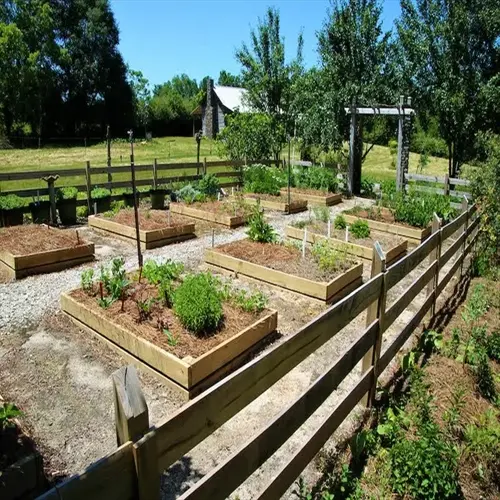
For the best results, plant sage at the ends of your veggie rows. Put it among your brassicas and carrots for direct protection. During peak pest season in early summer, crush a few sage leaves between your fingers near your most at-risk plants. This sends a burst of oils into the air right when you need it. One mature sage plant covers about a 6-foot area of scent protection.
Read the full article: Sage Plant: How to Grow, Use, and Care