
Knowing where not to plant sage saves you from watching this herb struggle and die. Skip low spots where water pools. Avoid heavy clay soil that hasn't been fixed with sand. Stay away from shaded areas. And don't put sage next to thirsty plants that need water every day.
I killed two sage plants in the same bed over two seasons before I figured this out. That bed sat right below a downspout. It caught runoff every time it rained. The soil stayed wet for days after each storm. Both plants got root rot and collapsed within 8 weeks of planting. When I moved my third sage to a raised bed across the garden, it thrived for three full years.
Each bad spot fails your sage for a clear reason. Learning these sage planting location mistakes helps you avoid repeating them in your own yard.
Low Areas With Standing Water
- Why it fails: Low spots catch rain runoff and hold moisture for days, creating the wet roots that cause fatal root rot in sage.
- Warning signs: Puddles after rain, soil that stays dark and damp for over 24 hours, and moss on the ground nearby.
- How common: This is the top killer of garden sage and the main reason most sage plants die in year one.
Heavy Clay Without Sand
- Why it fails: Clay packs together and traps water around sage roots, blocking the air flow the plant needs to stay alive.
- Warning signs: Soil that forms a sticky ball when you squeeze it and water that sits on top instead of soaking in.
- UMD Extension note: Very well-drained soil is a must for sage to survive winter. Clay soil gives you the opposite.
Shaded or Blocked Locations
- Why it fails: Sage needs 6 to 8 hours of direct sun each day. Less light means weak stems and bland leaves with no flavor.
- Warning signs: Thin stretched stems, pale leaves, weak scent when you rub the foliage, and more disease problems.
- Hidden traps: Fences, walls, and fast-growing plants can cast shade that wasn't there when you first planted your sage.
Next to Water-Hungry Plants
- Why it fails: Planting sage beside basil, lettuce, or cucumbers forces you to water the bed too often for sage to handle.
- The conflict: Those crops need water every 1 to 2 days while sage likes its soil to dry out over a 5 to 7 day period.
- Sprawl issue: Sage spreads outward and can crowd walkways or smother shorter plants as it matures in its second year.
These are the most common bad spots for sage that gardeners pick without thinking. But every bad choice has a good option right next to it.
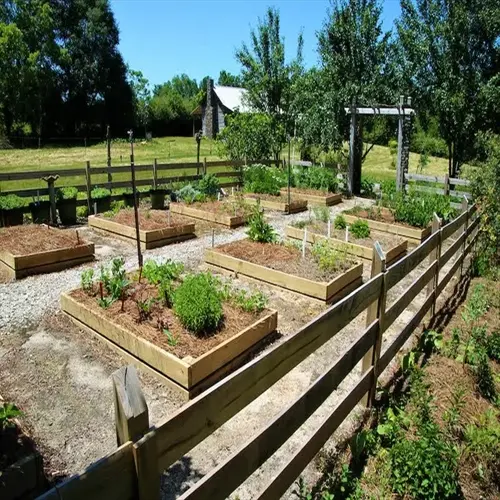
Plant your sage in raised beds with sandy well-drained soil. South-facing slopes work great because gravity pulls water away from roots. Group sage with rosemary and thyme since they all want the same dry conditions. If your yard is all clay or stays wet, grow sage in a 12-inch pot with potting soil and perlite on a sunny patio. You'll get great leaves for years with almost no effort.
Read the full article: Sage Plant: How to Grow, Use, and Care