
Sage isn't truly sage hard to grow on its own. It fails when you give it the opposite of what it wants. High humidity, wet soil, and heavy shade are the three killers. Fix those three things and sage becomes one of the easiest herbs in your garden.
My first sage plant died within six weeks because I made every rookie mistake at once. I put it in my richest compost bed and watered it every other day like my tomatoes. It sat behind a bean trellis with only 3 hours of sun. The leaves went yellow. The stems turned soft at the base. The whole plant fell apart. I had drowned it with too much care.
Most sage growing problems fall into three clear groups. Each one ties back to giving sage conditions it can't handle. Knowing these helps you avoid the mistakes that kill most sage plants.
Root Rot From Wet Soil
- The cause: Too much water or poor drainage keeps your sage roots sitting in moisture that breeds root rot fungus.
- What you see: Leaves turn yellow from the bottom up and stems feel soft and mushy right at the soil line.
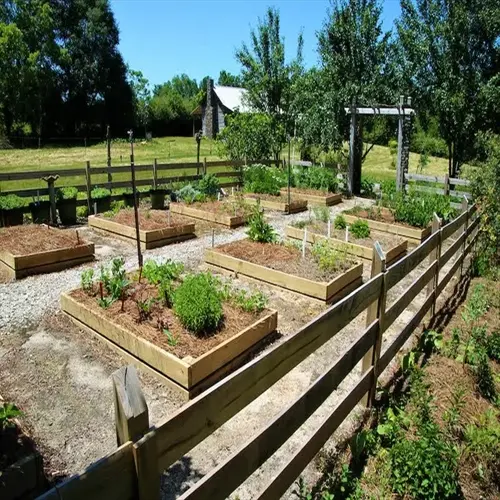
- The fix: Use raised beds or pots with a sandy mix and water only when the top inch of soil feels dry.
Mildew From Poor Airflow
- The cause: Plants too close together in humid air create the perfect setup for powdery mildew fungus to spread.
- What you see: White dusty patches cover your leaves and the plant looks dull and tired before leaves start dropping.
- The fix: Space your sage plants 18 to 24 inches (45 to 60 cm) apart and skip overhead watering.
Weak Growth From Low Light
- The cause: Sage needs at least 6 hours of direct sun per day or it grows thin and leggy with no flavor.
- What you see: Long thin stems that reach for light, pale leaves with weak smell, and a sparse open shape.
- The fix: Move your sage to the sunniest spot you have or grow it in a pot you can shift to follow the sun.
UMD Extension says very well-drained soil is key for sage to survive winter. Wet winter soil kills more sage than cold ever will. UW-Madison Extension adds that sage stems go woody in year two. You need to cut them back by about one-third each spring to keep fresh growth coming from the base.
If you see your sage plant dying, check the soil first. Push your finger 2 inches into the ground near the stem. If it feels damp, stop watering and let everything dry out. Look at the stem base for dark soft spots. If you catch root rot early you can trim the bad parts and replant in drier soil.
The secret to growing sage is treating it like the tough shrub it is. Give it lean well-drained soil, full sun, good airflow, and less water than you think it needs. Stop babying your sage and it will reward you with years of strong harvests.
Read the full article: Sage Plant: How to Grow, Use, and Care