
Introduction
The sedum plant comes from a huge family of over 400 species found across the Northern Hemisphere. Most gardeners call it stonecrop, a name that fits its tough nature. These succulents range from tiny ground covers to tall border plants reaching 2 feet high. You can fit sedum into almost any garden style you want.
In my experience growing sedum for about 8 years, nothing else in my garden matches its toughness. This succulent perennial kept thriving while my other plants wilted during a brutal August heat wave. NC State Extension rates sedum hardy across USDA Zones 3a through 9b. That means it works for gardeners across most of the country.
Sedum's drought tolerant nature comes down to how the plant breathes. Most plants open their pores during the day and lose water fast. Sedum breathes at night like a desert survival expert. It closes its pores during hot days to hold onto every drop of water. Scientists call this CAM photosynthesis. All you need to know is that sedum sips water instead of gulping it.
This guide covers the best sedum varieties for your garden. You'll find care tips, ways to spread your plants, and design ideas from years of growing. NC State rates sedum's growth as slow, so don't expect instant results. Give it time and this plant will reward you with color, texture, and a garden that runs on its own.
8 Best Sedum Varieties
Picking the right sedum varieties can turn your garden from good to great. I've grown over a dozen types and matching each one to the right spot matters most. Some work best as creeping sedum ground cover while tall sedum types shine in your borders.
You'll notice some of these plants carry two names. Several upright sedum types got a new science name. Your favorite Autumn Joy sedum and sedum spectabile now go by Hylotelephium in plant books. Don't worry about the name change because the care stays the same.
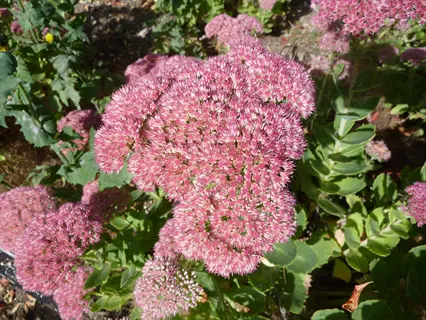
Autumn Joy (Hylotelephium)
- Mature Size: Grows 18 to 24 inches (45 to 60 centimeters) tall and 18 inches (45 centimeters) wide, forming a sturdy upright clump that holds its shape without staking.
- Bloom Season: Flower heads emerge pink in late summer and deepen to copper-red by fall, providing three months of changing color from August through October.
- Best Use: Ideal as a mid-border perennial paired with ornamental grasses, coneflowers, and black-eyed Susans in full sun beds and pollinator gardens.
- Hardiness: Thrives in USDA Zones 3 through 9, making it one of the most cold-hardy tall sedum cultivars available for northern gardeners.
- Wildlife Value: Late-season flowers provide critical nectar for migrating monarch butterflies, and dried seed heads feed songbirds through winter months.
- Care Notes: Prefers lean, well-drained soil and full sun; rich soil causes floppy stems that require pinching back in early June to promote compact growth.
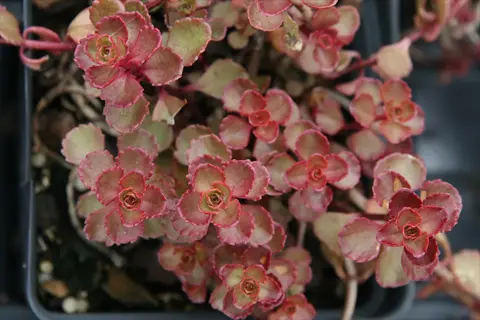
Dragon's Blood (S. spurium)
- Mature Size: Creeping ground cover reaching 3 to 6 inches (7.5 to 15 centimeters) tall and spreading 12 to 18 inches (30 to 45 centimeters) wide per plant.
- Bloom Season: Deep red star-shaped flowers appear from July through September above bronze-red foliage that intensifies in color during cooler months.
- Best Use: Excellent for rock gardens, stone walls, and pathway edges where its trailing habit creates a cascading carpet of deep red and green foliage.
- Hardiness: Hardy in USDA Zones 3 through 9 with exceptional cold tolerance, surviving harsh winters even in exposed rock garden positions without protection.
- Wildlife Value: Flowers attract bees and butterflies throughout summer, while the dense mat of foliage provides ground-level shelter for beneficial insects.
- Care Notes: Thrives in poor, rocky soil and tolerates drought once established; remove spent flower stems to encourage fresh growth and maintain tidy appearance.
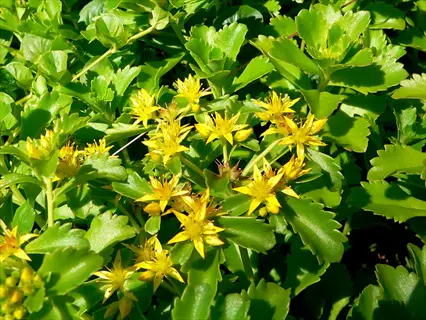
Weihenstephaner Gold (S. kamtschaticum)
- Mature Size: Low-growing species reaching 4 to 6 inches (10 to 15 centimeters) tall with a spreading width of 12 inches (30 centimeters) per plant.
- Bloom Season: Bright golden-yellow flowers bloom from June through August, creating a vivid carpet of color that stands out against dark green scalloped foliage.
- Best Use: Top-performing green roof species documented by NC State Extension research as the most reliable sedum on 9 of 11 tested extensive green roofs.
- Hardiness: Hardy in USDA Zones 3 through 8, performing reliably in both cold northern climates and warm southeastern conditions with adequate drainage.
- Wildlife Value: Yellow flowers attract a wide range of pollinators including honeybees, native bees, and small butterflies during the peak summer foraging season.
- Care Notes: Adaptable to clay, loam, or sandy soil as long as drainage is good; semi-evergreen foliage provides year-round green cover in mild winter regions.
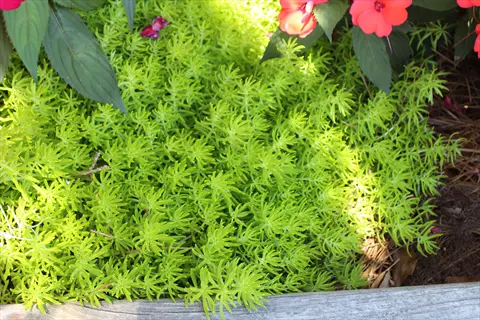
Lemon Coral (S. mexicanum)
- Mature Size: Trailing habit reaching 6 to 10 inches (15 to 25 centimeters) tall with a spread of 18 to 24 inches (45 to 60 centimeters), draping over edges with grace.
- Bloom Season: Chartreuse-yellow needle-like foliage provides color all season long; small yellow flowers appear in midsummer but the foliage is the primary attraction.
- Best Use: Perfect for containers, hanging baskets, and window boxes where the bright lime-green trailing stems create eye-catching spillover paired with darker plants.
- Hardiness: Treated as an annual in most zones but hardy in USDA Zones 7 through 11; bring containers indoors before first frost in colder areas.
- Wildlife Value: Dense foliage provides shelter for small garden insects, and the tiny summer flowers attract sweat bees and other tiny pollinators to containers.
- Care Notes: More heat tolerant than many sedum species, thriving in full sun to partial shade; responds well to occasional trimming to maintain a bushy shape.
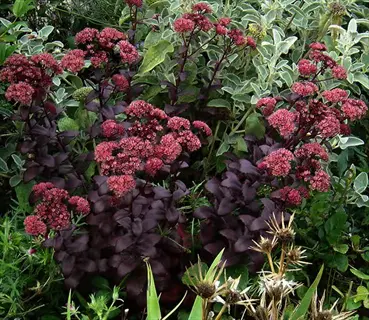
Purple Emperor (Hylotelephium)
- Mature Size: Upright clump-forming variety growing 12 to 15 inches (30 to 38 centimeters) tall and wide, with strong stems that resist flopping in the garden.
- Bloom Season: Deep pink to rose-red flower clusters bloom from August through October above striking dark purple-black foliage that holds color all season long.
- Best Use: Stunning contrast plant for mixed perennial borders where the dark foliage pairs dramatically with silver-leaved plants, light grasses, and pale-flowered companions.
- Hardiness: Hardy in USDA Zones 3 through 9, performing well across a wide range of climates from cold northern gardens to warm southern landscapes.
- Wildlife Value: Late-blooming flowers provide essential nectar for fall pollinators including butterflies, bees, and hover flies preparing for winter dormancy.
- Care Notes: Full sun brings out the deepest purple foliage color; partial shade causes leaves to turn more green and stems to stretch and lean toward light.
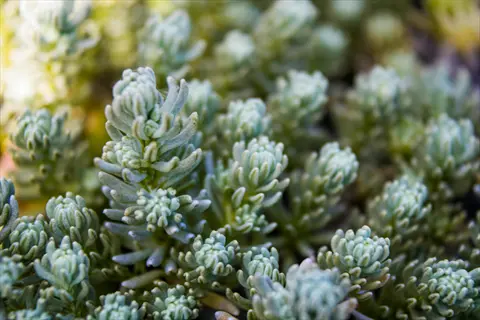
Blue Spruce (S. reflexum)
- Mature Size: Low-growing spreader reaching 6 to 8 inches (15 to 20 centimeters) tall with needle-like blue-gray foliage that resembles small spruce branches.
- Bloom Season: Yellow star-shaped flowers appear on tall stems from June through July, rising above the silvery blue mat of evergreen foliage for a striking display.
- Best Use: Ideal ground cover for rock gardens, green roofs, and dry slopes where the blue-gray foliage provides year-round texture and color contrast.
- Hardiness: Hardy in USDA Zones 3 through 9, with semi-evergreen to evergreen foliage that maintains its blue color even through mild winter conditions.
- Wildlife Value: Summer flowers attract bees and butterflies, while the dense evergreen mat provides winter habitat for ground-dwelling beneficial insects and spiders.
- Care Notes: Extremely drought tolerant once established and spreads at a steady pace to fill gaps between stepping stones, over rock walls, and along dry garden edges.
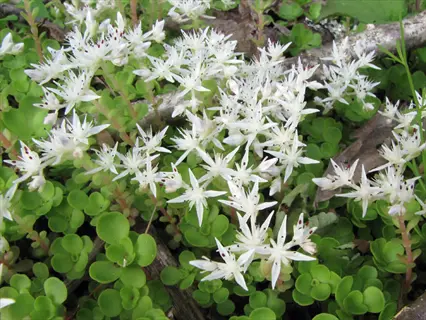
Woodland Stonecrop (S. ternatum)
- Mature Size: Native ground cover growing 4 to 6 inches (10 to 15 centimeters) tall with delicate whorled leaves spreading 12 inches (30 centimeters) wide per plant.
- Bloom Season: White star-shaped flowers bloom from April through May, making it one of the earliest sedum species to flower in the spring garden season.
- Best Use: The rare shade-tolerant sedum, making it perfect for woodland gardens, shaded rock gardens, and north-facing slopes where other sedums struggle.
- Hardiness: Native to eastern North America and hardy in USDA Zones 4 through 8, adapted to the humidity and rainfall patterns of eastern forests.
- Wildlife Value: Early spring flowers provide nectar when few other plants are blooming, supporting early-season pollinators like mason bees and mining bees.
- Care Notes: Unlike most sedum species, Woodland Stonecrop prefers partial to full shade with moist but well-drained soil rich in organic matter.
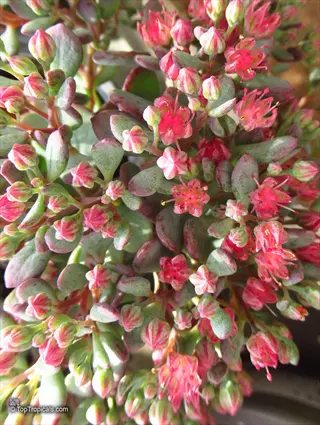
Dazzleberry (Hylotelephium)
- Mature Size: Compact mounding habit reaching 8 to 10 inches (20 to 25 centimeters) tall and 16 to 18 inches (40 to 45 centimeters) wide with blue-green foliage.
- Bloom Season: Vibrant raspberry-pink flower clusters bloom from midsummer through early fall, producing one of the most vivid displays among all sedum cultivars.
- Best Use: Excellent front-of-border plant and container specimen where its compact size and vivid color create focal points in small gardens and patio arrangements.
- Hardiness: Hardy in USDA Zones 4 through 9, providing reliable performance across most of the continental United States with minimal winter protection needed.
- Wildlife Value: Bright pink flowers draw in butterflies and bees, with a longer bloom period than many tall sedum types extending pollinator value.
- Care Notes: Strong stems resist the flopping common in larger sedum varieties; prefers full sun and lean soil to maintain compact habit and vivid flower color.
Each of these 8 varieties fills a different role in your garden. Mix creeping types with upright ones to build layers of color and texture that change through the seasons. I've found that planting at least 3 different sedum varieties gives you the best visual effect all year long.
Growing and Care Essentials
Good sedum plant care starts with getting the basics right from day one. Your full sun sedum needs at least 6 hours of direct light each day to stay compact and strong. If you garden in Zone 5 or colder, full sun becomes even more important because it helps your plants build the strength to survive winter.
The biggest mistake I see new growers make is using rich potting soil for their sedum. In my experience, rich soil pumps too much nitrogen into your stems and makes them grow tall, weak, and floppy. Sedum soil requirements are simple. Give yours well-drained soil sedum loves, like sandy, rocky, or loamy ground, and skip the sedum fertilizer. NC State Extension confirms that clay, loam, sand, or thin rocky soil all work for your plants as long as water drains fast.
Sedum watering is where most people go wrong. I tested this myself by tracking my watering schedule for a full season. You should water your new plants once a week for the first month to help roots settle in. After that, back off and let the rain do the work for you. Your mature sedum stores water in its thick leaves and only needs a drink during long dry spells past 2 to 3 weeks.
New gardeners often worry when their sedum doesn't fill in right away. There's a saying I love: first year they sleep, second year they creep, third year they leap. That pattern holds true for almost every sedum I've planted. Be patient through that first quiet season and you'll see big payoff in years 2 and 3.
Propagation Methods
Sedum propagation is one of the most fun parts of growing this plant. I've turned a single pot into over 30 plants using nothing but sedum cuttings and sedum division. You can also start sedum from seed or try transplanting sedum from a bare root sedum purchase at your local nursery.
What makes sedum so easy to spread is its wild ability to root from broken pieces. I once dropped a stem on dry ground and came back 3 weeks later to find it rooting into the gravel. NC State classifies sedum's growth rate as slow, so give your new starts time to settle in. You'll know roots have formed when your cutting resists a gentle tug after 2 to 3 weeks.
Stem Cuttings
- When to Start: Take stem cuttings from healthy growth in late spring through early summer when stems are actively growing and temperatures stay above 60°F (15.5°C).
- How to Cut: Snip 3 to 5 inch (7.5 to 12.5 centimeter) stems just below a leaf node using clean sharp scissors, then remove the bottom leaves to expose 1 to 2 inches of bare stem.
- Rooting Process: Let the cut end dry for 1 to 2 days to form a callus, then insert into a sandy well-drained mix and mist every few days until roots establish in 2 to 3 weeks.
- Success Rate: Stem cuttings have the highest success rate of all sedum propagation methods, often rooting in over 90% of attempts even for first-time gardeners.
Leaf Cuttings
- When to Start: Twist healthy leaves from the stem in spring or early summer, making sure each leaf breaks clean at the base without tearing the tissue.
- How to Place: Lay leaves flat on the surface of a sandy well-drained soil mix without burying them, spacing them 1 to 2 inches (2.5 to 5 centimeters) apart on the tray.
- Rooting Process: Keep the soil bare moist and in bright indirect light; tiny roots and a small plantlet will emerge from the leaf base within 3 to 4 weeks of placement.
- Success Rate: Works best with thick-leaved creeping species like Dragon's Blood and Blue Spruce; thinner-leaved types may not root as well from single leaves.
Division
- When to Start: Divide established clumps in early spring just as new growth appears, or in early fall at least 6 weeks before the first expected frost in your area.
- How to Divide: Dig up the entire clump and use a sharp spade or knife to separate it into sections, making sure each section has healthy roots and at least 3 to 4 growing stems.
- Replanting: Place divisions at the same soil depth as the original plant in prepared holes with well-drained soil, spacing upright types 18 to 24 inches (45 to 60 centimeters) apart.
- Success Rate: Division is the fastest way to get full-sized plants right away and works great for bringing life back to older clumps that have developed bare centers after several years.
Seed Starting
- When to Start: Sow sedum seeds indoors 6 to 8 weeks before the last frost date, or direct sow outdoors in fall to allow natural cold treatment over winter months.
- How to Sow: Scatter tiny seeds on the surface of a moist seed-starting mix without covering them, as sedum seeds need light to sprout and are too small to bury.
- Timeline: Seeds tend to sprout in 2 to 4 weeks at temperatures between 65°F and 75°F (18°C to 24°C) with consistent light and moisture.
- Success Rate: Seed propagation is the slowest method and produces mixed results since many cultivars do not come true from seed, but it works well for growing native species.
Landscape and Design Ideas
Your sedum landscape design options go far beyond a simple flower bed. I've used sedum in a sedum rock garden and a sedum wall garden. I've also stuffed it into sedum containers on my back patio. Sedum ground cover turns bare spots into living carpets of color within 2 to 3 seasons.
Think about where you have bare ground, hot slopes, or empty containers. Those problem spots are perfect for sedum. I planted Dragon's Blood on a bare slope behind my garage. By the third year it changed from dirt and gravel into a red and green carpet. Pair your sedum with the right sedum companion plants and you'll build a garden that looks like a pro designed it.
Rock Gardens and Stone Walls
- Design Approach: Tuck creeping sedum into crevices between stones and along rock edges where the trailing habit softens hard surfaces and fills gaps over time.
- Best Varieties: Dragon's Blood, Blue Spruce, and Weihenstephaner Gold thrive in rocky conditions with minimal soil, creating colorful patches of red, blue-gray, and golden-yellow foliage.
- Companion Plants: Pair with creeping thyme, hens and chicks, dianthus, and small ornamental grasses for a textured low-maintenance rock garden that blooms from spring through fall.
Green Roofs and Living Walls
- Design Approach: Install sedum mats or plugs on extensive sedum green roof setups with 2 to 6 inches (5 to 15 centimeters) of lightweight growing medium for the best coverage.
- Best Varieties: Weihenstephaner Gold, Dragon's Blood, and Blue Spruce are the most reliable green roof performers based on NC State Extension field research across 11 rooftop setups.
- Scale Examples: The Ford Dearborn truck plant features 10.4 acres (454,000 square feet) of sedum green roof, proving how the plant performs at massive commercial scale in full sun.
Containers and Hanging Baskets
- Design Approach: Use wide sedum containers with drainage holes and a fast-draining mix of equal parts potting soil, coarse sand, and perlite to stop water from pooling around roots.
- Best Varieties: Lemon Coral, Dazzleberry, and trailing types create stunning container displays with cascading foliage spilling over pot edges for seasonal interest.
- Companion Plants: Combine with other drought-tolerant container plants like echeveria, ornamental peppers, and dusty miller for a mixed succulent arrangement that needs minimal watering.
Ground Cover and Slope Planting
- Design Approach: Space creeping sedum plugs 6 to 12 inches (15 to 30 centimeters) apart on dry slopes, bare patches, or between stepping stones for complete coverage within 2 to 3 growing seasons.
- Best Varieties: Dragon's Blood, Blue Spruce, and Woodland Stonecrop form dense weed-blocking mats that reduce erosion on slopes while requiring no mowing or regular upkeep.
- Key Benefits: Sedum ground cover removes the need for mulch replacement, cuts down on mowing on tough slopes, and handles foot traffic better than most other ground cover plants.
NC State research found 53% plant cover on average across 11 tested green roofs. Cities now put sedum on public buildings and parking garages to manage stormwater. Your home garden gets the same benefit from that tough, spreading nature on a smaller scale.
Pollinator and Ecological Value
Most people grow sedum for its looks. But the sedum ecological benefits go far beyond your garden beds. In my experience, sedum attracts bees, sedum butterflies, and hoverflies in big numbers. I once counted over a dozen monarchs on my Autumn Joy plants in a single fall afternoon.
Sedum wildlife value stands out because of bloom timing. Your sedum pollinator garden fills a critical gap in late summer and fall when other flowers have quit. MU Extension says tall sedum works as a refueling stop for the sedum monarch butterfly migration south. Sedum pollinators range from mason bees in spring to bumblebees in summer.
Sedum butterflies and bees aren't the only creatures that use your plants. Leave dried seed heads up through winter and finches will pick at them for food. Dense creeping sedum mats also give ground beetles and spiders a safe spot to ride out the cold. Your sedum pollinator garden works as a year round wildlife home.
A University of Bologna study looked at sedum on green roofs for its nectar value. Your backyard sedum does that same job by feeding the insects your area needs for local crops. Every sedum plant you add builds a stronger ecosystem right where you live.
Pest and Disease Solutions
Most sedum pests and sedum diseases trace back to one root cause: too much water. I learned this the hard way when sedum root rot killed 3 of my best plants one rainy spring. NC State Extension lists sedum slugs, snails, deer, and Southern Blight as the main threats. The good news is that sedum is rabbit resistant and most problems are easy to fix.
Your best defense against sedum stem rot and sedum powdery mildew starts before you plant. Pick a spot with fast draining soil and good air flow around each plant. If you get the site right from the start, you'll avoid most sedum mealybugs and fungal issues that plague wet, crowded gardens. Fixing sedum leggy growth is just as simple once you know the cause.
Root Rot and Stem Rot
- Symptoms: Stems become soft, mushy, and brown at the base while lower leaves turn yellow and fall off; affected plants pull out of the soil with dark, slimy roots.
- Cause: Too much water and poor drainage create wet conditions where fungal germs attack the root system and spread upward through the stems.
- Solution: Remove affected plant sections right away, improve drainage by adding coarse sand or perlite to the planting area, and cut back on watering going forward.
Slugs and Snails
- Symptoms: Irregular holes chewed through leaves and slime trails on foliage and soil surface, with damage most visible in the morning after nighttime feeding.
- Cause: Slugs and snails target the thick succulent leaves of sedum, especially in moist shaded areas where these pests thrive and breed fast.
- Solution: Apply iron phosphate bait pellets around plants, set beer traps at soil level, or wrap copper tape around container edges to repel slugs without chemicals.
Mealybugs and Scale Insects
- Symptoms: White cottony clusters or small brown bumps on stems and leaf joints, along with sticky residue and leaf yellowing over time.
- Cause: These sap-feeding insects colonize sedum in warm sheltered spots, spreading between plants through contact and often arriving on new nursery stock.
- Solution: Wipe visible insects off with a cotton swab dipped in rubbing alcohol, spray with neem oil solution, and move affected plants away from healthy ones right away.
Powdery Mildew and Leaf Spots
- Symptoms: White powdery coating on leaves or dark brown circular spots with yellow halos, showing up most often during humid weather.
- Cause: Poor air flow combined with overhead watering creates humid conditions around foliage that favor fungal growth, especially in crowded plantings.
- Solution: Improve air flow by thinning crowded plantings, water at the soil level rather than from above, and remove affected leaves fast to prevent spread.
Leggy and Floppy Growth
- Symptoms: Stems stretch tall and thin with wide spaces between leaves, bending over and falling open in the center of the clump by midsummer.
- Cause: Too little sunlight, too much nitrogen, or rich soil causes rapid weak growth that can't support the weight of the flower heads.
- Solution: Move plants to a sunnier spot with at least 6 hours of direct light, stop all feeding, and pinch stems back by one third in early June for stocky growth.
5 Common Myths
Sedum needs frequent watering like other garden flowers because it grows quickly and spreads across beds and borders.
Sedum stores water in its thick succulent leaves and uses CAM photosynthesis to conserve moisture, requiring watering only during extended dry spells.
All sedum species are low-growing ground cover plants that stay under 6 inches (15 centimeters) tall in the garden.
Sedum species range from creeping ground covers at 3 inches (7.5 centimeters) to upright border plants reaching 2 feet (60 centimeters) tall with thick flower clusters.
Sedum and Sempervivum (hens and chicks) are the same type of plant and can be cared for in exactly the same way.
Sedum and Sempervivum belong to different genera within Crassulaceae, with different growth habits, cold hardiness ranges, and propagation methods.
Rich, fertile soil with plenty of compost and organic matter produces the healthiest and most attractive sedum plants possible.
Sedum actually performs best in lean, well-drained soil because rich soil causes weak, leggy stems that flop over and become prone to rot.
Sedum is purely ornamental and has no practical value beyond decoration in gardens, rock walls, and container arrangements.
Research shows certain sedum species can remove heavy metals from contaminated soil, provide wound healing compounds, and serve as critical pollinator food sources.
Conclusion
The sedum plant earns its place in any garden through pure toughness and beauty. With over 400 species to choose from, this stonecrop family gives you options for every spot. From ground covers that hug rocky slopes to tall border plants that feed monarch butterflies in fall, sedum does it all.
When I first started testing sedum in my own beds years ago, I was shocked by how little care it needed. This succulent perennial thrives across USDA Zones 3a through 9b. It uses CAM photosynthesis to survive drought that kills other plants. You don't need to fuss with watering schedules or fertilizers. Just plant it in lean, well-drained soil and let it grow.
Scientists are also finding new reasons to value this plant. Research shows certain sedum species can pull heavy metals from dirty soil. Others show promise for wound healing in medical studies. These drought tolerant garden plants will grow even more important as water-wise landscaping takes over.
If you're new to sedum, keep this old saying in mind: first year they sleep, second year they creep, third year they leap. I've watched this play out in my own garden time after time. Give your stonecrop that patience and you'll end up with a garden that looks better every single year.
External Sources
Frequently Asked Questions
Does sedum like sun or shade?
Sedum performs best in full sun with at least 6 hours of direct sunlight per day, though some species tolerate partial shade.
Will sedum come back every year?
Most sedum species are hardy perennials in USDA Zones 3 through 9 and reliably return each spring after winter dormancy.
What are the pros and cons of sedum?
Sedum offers drought tolerance, low maintenance, and pollinator support, but can suffer from root rot in wet soil and spread aggressively.
Is sedum an indoor plant?
Sedum can grow indoors on a bright windowsill with at least 6 hours of sunlight, but most species prefer outdoor conditions.
What are common problems with sedum plants?
Common sedum problems include root rot from overwatering, leggy growth from too little light, and pest damage from slugs and mealybugs.
Should I cover sedum in winter?
Most sedum species do not need winter cover in Zones 3 through 9, though a light mulch layer can protect plants in the coldest regions.
What is the lifespan of a sedum plant?
Sedum plants can live for decades when grown in proper conditions, with individual clumps expanding and renewing through division.
Does sedum grow well in pots?
Sedum grows very well in pots and containers as long as the container has drainage holes and uses a fast-draining soil mix.
What not to plant with sedum?
Avoid planting sedum with moisture-loving plants like hostas or ferns, as their watering needs conflict with sedum's dry soil preference.
Do you cut back sedum for winter in the fall?
You can leave sedum seed heads standing through winter for visual interest and bird food, then cut back in early spring.