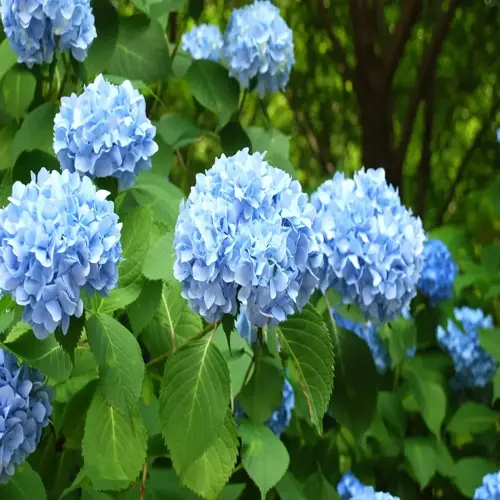

The best place to plant hydrangea tree is a spot that gets morning sun and afternoon shade with soil that drains well. This mix gives your tree enough light for big flower panicles. It also protects the leaves from heat stress during the hottest hours. An east-facing location checks both boxes in most yards.
I tested different spots in my own garden before picking the right one. One tree went on the south side of the house in full sun. The other went on the east side where it caught four to five hours of morning light and then sat in shade after noon. The east-facing tree grew fuller blooms with zero leaf scorch. The south-facing one wilted on hot days and the flower edges turned brown by August. That test showed me where to plant hydrangea tree for the best results without guessing.
Your hydrangea tree sun requirements depend on your growing zone. These trees handle full sun in cooler zones (3 through 5) but need afternoon shade in warmer areas (6 through 8). Research from the U of Minnesota backs this up. Morning sun with afternoon shade works best for blooms and leaf health. NC State Extension adds that they handle urban conditions and air pollution well. That makes them a solid pick for city yards where to plant hydrangea tree options are limited.
Soil matters just as much as sunlight for your tree. Hydrangea tree soil needs include a pH between 5.5 and 7.5, good drainage, and steady moisture around the upper root zone. These trees don't sit well in soggy ground. If water pools around the trunk after rain, the roots will rot within a season or two. A 3-inch layer of mulch around the base holds moisture without drowning the roots. It also keeps soil temperature stable through summer heat.
Before you dig, run a quick drainage test. Pour a bucket of water into the hole and watch how fast it drains. You want it empty within 30 to 60 minutes. If water still sits there after an hour, pick a different spot. You can also amend the soil with compost and coarse sand to improve flow. Stay away from planting right under large shade trees. Big maples and oaks send out dense root networks that steal water and nutrients from anything you plant nearby.
Wind protection matters more than most people think. Strong gusts snap heavy flower panicles right off the branches. Winter winds dry out bark on young trunks. Plant near a fence, wall, or building that blocks the main wind direction. Leave at least 4 feet (1.2 meters) between your tree and any structure so air still flows around the canopy. Good airflow keeps moisture off the leaves, which helps you avoid fungal problems that thrive in stale, humid conditions.
Also keep your tree away from spots where large roots compete for water. I planted one hydrangea too close to a silver maple and it struggled for two full years before I moved it. The maple's roots took every drop of water before my hydrangea could get any. Once I moved the tree to an open bed 10 feet from the nearest large trunk, it took off and doubled in size by the following summer.
You get the best long-term results by checking all three boxes: right light, good soil, and wind shelter. Spend an hour watching how sunlight moves across your yard before you commit to a planting spot. That small effort up front gives your hydrangea tree everything it needs to grow strong and bloom heavy for years to come.
Read the full article: Hydrangea Tree: Complete Growing Guide