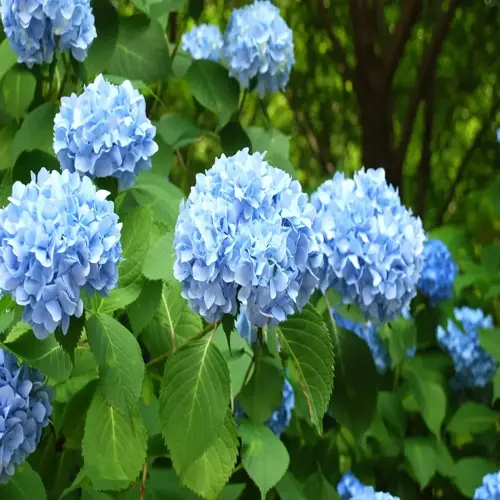

The lifespan of a hydrangea tree ranges from 20 to 50 years or even longer with proper care. These are not short-lived plants that fade after a decade. A panicle hydrangea in tree form will outlast most perennials in your garden when you give it the right soil, good pruning, and basic root care.
I've seen how long do hydrangea trees live during visits to old gardens and public parks. One estate in the Midwest had a row of Limelights planted over 25 years ago. They still put out massive bloom clusters every summer. The trunks were thick and the canopies were full. When people ask how long do hydrangea trees live, those trees give the best answer. This is a plant you buy once and enjoy for most of your life in the garden.
The biggest factor in hydrangea tree longevity is whether your tree was grafted or trained from a single stem. Grafted trees join two plants at a graft union. That junction can weaken over time as bark cracks and disease enters the seam. Strong winds put stress on a point that never grows as tough as natural wood. Trained trees avoid this risk since the trunk and roots come from the same plant. That gives you a stronger structure from day one.
Root health drives hydrangea tree longevity more than any other care factor. The Chicago Botanic Garden ran a 20-year trial on panicle hydrangea types. Plants with healthy roots in well-drained soil did well year after year. Trees with packed or soggy roots declined faster. They also made fewer blooms over time. Hydrangea tree life expectancy drops fast when roots sit in standing water or fight with nearby trees for food.
You can boost hydrangea tree life expectancy with a handful of easy habits. Prune in late winter to clear dead wood and shape the canopy before new growth starts. Spread 2 to 3 inches of compost around the drip line each spring. This feeds the soil life that keeps roots strong and active. Water deep and slow during dry spells instead of doing quick daily sprinkles that push roots toward the surface where they dry out fast.
One mistake I see too often is trunk damage from lawn mowers and string trimmers. A single gash in the bark opens the door to fungal infections and boring insects. Those pests can kill a tree in two to three seasons if you don't catch them early. Create a mulch ring at least 2 feet wide around the base so you never bring a mower close to the trunk. Check for Japanese beetles and aphids during summer and treat problems before they spread.
In my experience, the trees that last longest are the ones planted in a good spot and left alone except for basic yearly care. No fancy treatments or exotic soil mixes are needed. Just good drainage, yearly pruning, a layer of compost, and protection from trunk wounds. Follow those four rules and your hydrangea tree has every reason to thrive for 30 years or more right where you planted it. Few other flowering trees reward such basic care with decades of big, showy blooms every summer. That long return on a single planting is what makes hydrangea trees such a smart pick for any yard. The tree grows more beautiful with age as the trunk thickens and the canopy fills out into a rounded shape that anchors your whole garden bed.
Read the full article: Hydrangea Tree: Complete Growing Guide