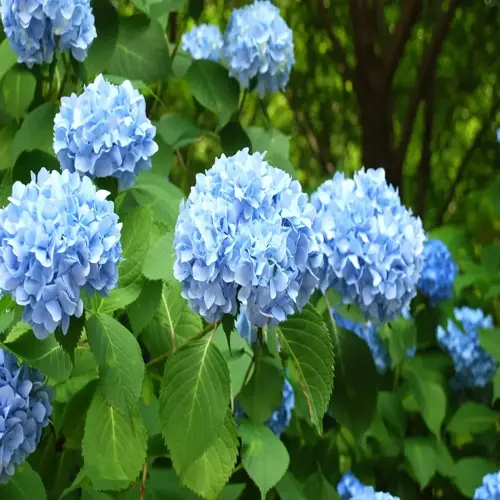

Yes, a hydrangea tree come back every year without fail. These plants are deciduous perennials that drop their leaves in fall, rest through winter, and push out fresh growth each spring. As long as you planted the right cultivar for your growing zone, you can count on your tree returning season after season for decades.
I felt mild panic during my first winter with a new hydrangea tree. Every leaf fell off by November and the bare gray branches looked dead against the snow. I was convinced something had gone wrong. Then March came, and tiny green buds started popping along every stem. By June the tree was covered in foot-long flower panicles bigger than anything it produced the year before. That experience taught me that is hydrangea tree perennial is a question with a very reassuring answer.
The answer to is hydrangea tree perennial ties back to how panicle hydrangeas grow. They bloom on new wood, meaning every flower you see formed on stems that grew during the current spring. The tree doesn't need to protect old flower buds through winter the way bigleaf hydrangeas do. This makes panicle types far more reliable in cold climates because a harsh freeze can't destroy next year's blooms. The buds haven't formed yet.
Hydrangea tree winter survival beats most other hydrangea types by a wide margin. NC State Extension calls panicle hydrangeas one of the hardiest you can grow. They thrive in zone 3 where winter lows hit -40°F (-40°C). Bigleaf and oakleaf types fail in those conditions. The hydrangea tree deciduous nature is what makes this possible. The plant shuts down, drops its leaves, and stores energy in the roots until the soil warms up in spring.
Hydrangea tree winter survival improves when you give the roots a little extra help before the ground freezes. Spread 3 to 4 inches (7.6 to 10 centimeters) of shredded bark mulch around the base of the tree in late fall. Keep mulch a few inches away from the trunk to prevent moisture buildup and bark rot. Stop fertilizing by mid-August so the tree doesn't push soft new growth that can't harden off before frost. Leave the dried flower heads on through winter since they add visual interest and protect the top buds from ice and wind.
Spring care kicks off when you see those first green buds swelling on the stems. That's your signal to prune, feed, and water. Cut back last year's stems by about one-third to encourage strong new growth. Apply a balanced slow-release fertilizer once the soil temperature hits 50°F (10°C). Your hydrangea tree deciduous cycle means it comes back a little bigger and stronger each year. By year five or six, you'll have a tree that looks like it's been in your garden forever.
I now look forward to that bare winter phase instead of worrying about it. Those gray branches against a snowy backdrop have their own kind of beauty. The dried flower heads catch frost and ice in ways that fresh blooms never do. When I see those first green buds in March, it feels like a reward for the patience. Your hydrangea tree will keep repeating this cycle for 20 to 50 years if you give it basic care and the right growing conditions. Few garden plants offer that kind of long-term return on a single planting.
Read the full article: Hydrangea Tree: Complete Growing Guide