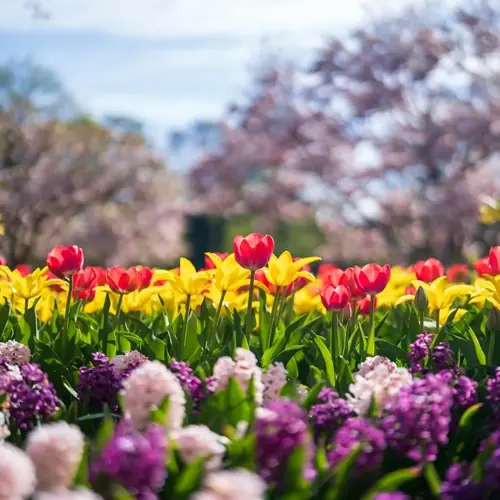

The short answer on Yoshino cherry edible fruit is no, you don't want to eat them. These tiny, pea-sized drupes taste bitter and sour. They won't poison you if you bite into one by accident, but nobody eats them on purpose. The tree was bred for its stunning spring flowers, not its fruit. Every part of the breeding process focused on blooms, and the fruit became an afterthought.
So can you eat yoshino cherries at all? I tried one out of sheer curiosity years ago and spit it out within seconds. The flesh is thin, the pit is huge, and the flavor hits you with a sharp bitter punch that lingers on your tongue. Birds love them and strip the tree clean each summer. But for humans, there's nothing enjoyable about these tiny fruits. When I first planted a Yoshino in my yard, I had a neighbor ask me when the sweet cherries would come in. I had to break the news that this tree grows flowers, not snacks.
The cherry tree fruit edibility question gets more serious when you look at the pits, leaves, and bark. These parts contain toxic compounds that release small amounts of cyanide when the tissue gets crushed or broken. The pits carry the highest dose. Cracking one open releases more toxin than the fruit flesh holds. This is why you should never let kids or pets chew on any part of the tree besides the petals.
NC State Extension confirms that Yoshino cherry trees are toxic to cats, dogs, and horses. Wilted leaves are the most dangerous part because cyanide levels go up as the tissue breaks down. A pile of fallen leaves after a storm can be a real hazard if your dog likes to chew on yard debris. Fresh green leaves carry less risk, but it's smart to keep pets away from the tree during leaf drop and after pruning. If you have horses that graze near the tree, fence off the area below the canopy to keep them safe.
The mess from these little fruits is another thing to keep in mind. Every summer, the drupes drop onto walkways and patios below the canopy. They stain concrete and make sidewalks slippery when crushed underfoot. I've had to pressure wash a client's patio twice in one season because of the purple stains left behind. Planting your Yoshino away from hard surfaces saves you a lot of cleanup each year. If you can't avoid paved areas, plan on sweeping the surface every few days. Fruit drop runs through June and July most years.
If you want both spring blossoms and summer fruit, plant a fruiting cherry variety like Bing or Rainier alongside your Yoshino. You get the best of both worlds that way. Sweet cherries need a second tree for cross-pollination, so plan on planting at least two fruiting varieties 15 to 20 feet apart. Sour cherries like Montmorency don't need a partner tree, which makes them easier for small yards.
In my experience, the smartest move is to keep your Yoshino for the spring show and add a separate fruit tree for eating. Rake up fallen leaves before your pets can get to them, and don't let kids snack on those little bitter drupes. Your Yoshino is meant for your eyes and nose, not your taste buds. Enjoy the spring show and leave the fruit for the birds.
Read the full article: Yoshino Cherry Tree Care and Growing Guide