

Introduction
The weeping fig has a reputation for being the most dramatic houseplant you can bring home. Move it to a new spot and it throws a fit by dropping leaves all over your floor. But that reaction tells you something important about this plant. It pays attention to its surroundings, and once you learn what it wants, it becomes one of the most rewarding indoor trees you can grow.
I've grown Ficus benjamina for over 12 years now, and my oldest plant stands just under 8 feet tall in the corner of my living room. This species comes from tropical Asia and Australia, where it reaches 40 to 60 feet in the wild. As a houseplant, it stays between 2 to 10 feet and thrives in USDA Zones 10 to 12. That same tropical background is what makes weeping fig care feel tricky at first. The plant expects warm, stable conditions and won't hesitate to let you know when something feels off.
What most care guides skip is the health angle. A 1998 study in the Hautarzt journal ranked weeping figs as the third most common indoor allergen. They come right after dust mites and pets on that list. The sap also cross reacts with natural rubber latex, so anyone with a latex allergy should think twice before bringing one home. I wish someone had told me that before I spent a week wondering why my eyes kept watering near my new plant.
This guide covers picking the right cultivar, handling seasonal changes, and troubleshooting leaf drop like a pro. Think of your weeping fig like a new roommate with strong opinions. Once you figure out its preferences, you'll have a gorgeous indoor tree that can live for 20 to 50 years with the right care.
8 Best Weeping Fig Varieties
You have 13 named Ficus benjamina cultivars to choose from according to NC State Extension. Your local garden center won't stock all of them, though. I've picked 8 types of weeping fig that you can track down without too much hunting. You'll find bold variegated weeping fig options and compact picks great for weeping fig bonsai projects.
Leaf sizes across these weeping fig varieties range from 2 to 5 inches long and 1 to 3 inches wide. Variegated types like Starlight need more light than solid green ones like Midnight. I've sorted each cultivar by skill level so you can match the right plant to your setup. Some also come as a braided trunk Ficus, which adds a striking look to any room. I've grown Wintergreen the longest and it handled my worst care mistakes with no fuss over 3 full years.
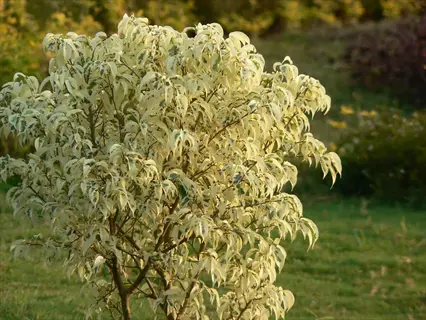
Starlight
- Leaf Pattern: Starlight features striking cream and white variegation on each leaf, making it one of the most decorative weeping fig cultivars available for indoor growing.
- Light Needs: Requires brighter light than solid green varieties to maintain its variegation, best placed within 3 feet (0.9 meters) of a south or east-facing window.
- Growth Habit: Grows at a slower pace than green varieties due to less chlorophyll in its variegated leaves, reaching about 6 feet (1.8 meters) indoors over several years.
- Best For: Experienced growers who can provide consistent bright indirect light and stable conditions, as variegated types are more sensitive to environmental changes.
- Care Tip: If new leaves emerge solid green, the plant is not receiving enough light and should be moved closer to a window for better variegation.
- Availability: Easy to find at garden centers and online nurseries, making it one of the easiest variegated cultivars to find for purchase.
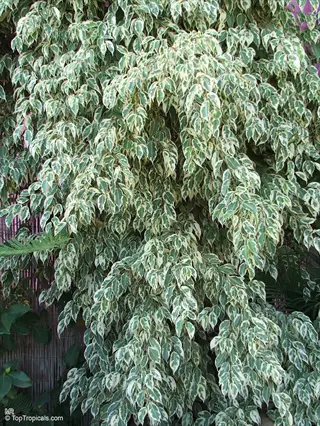
Golden King
- Leaf Pattern: Golden King displays deep green leaves with bright golden-yellow margins that add warmth and color to any room without needing flowers.
- Light Needs: Thrives in bright indirect light but tolerates moderate light better than Starlight, though variegation may fade in dim conditions.
- Growth Habit: Medium growth rate with an upright form that fills out well without heavy pruning, reaching 8 feet (2.4 meters) indoors.
- Best For: Intermediate growers who want a variegated look without the fussiness of pure white varieties like Starlight or De Gantel.
- Care Tip: Feed with a balanced liquid fertilizer diluted to half strength during spring and summer to support the energy demands of producing variegated foliage.
- Availability: Common in nurseries and often sold as a braided trunk specimen, which adds architectural interest to living rooms and offices.
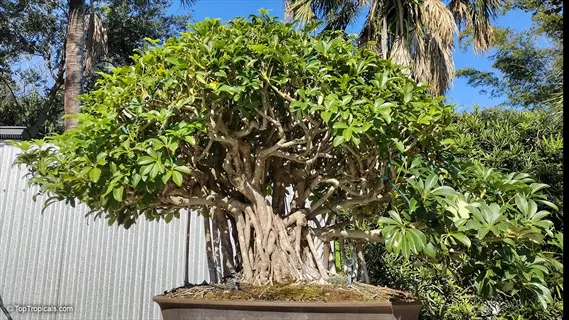
Too Little
- Leaf Pattern: Too Little has small, dense dark green leaves that create a dense, compact canopy perfect for smaller spaces and tabletops.
- Light Needs: Adapts well to moderate indirect light and handles lower light conditions better than most other weeping fig cultivars available today.
- Growth Habit: True dwarf variety that stays under 3 feet (0.9 meters) tall, making it ideal for bonsai styling or compact indoor displays.
- Best For: Beginners and apartment dwellers who want a weeping fig but lack space for a full-sized indoor tree in their home.
- Care Tip: Its small root system means it needs a matching small pot and less water than larger varieties, reducing the risk of overwatering.
- Availability: Less common than Starlight or Golden King but available through specialty nurseries and online plant retailers that stock unusual Ficus cultivars.
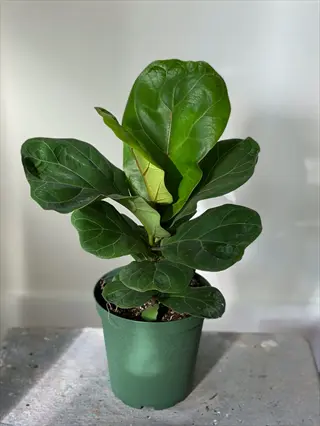
Midnight
- Leaf Pattern: Midnight produces even, deep, dark green leaves with a rich glossy finish that creates a dramatic, elegant statement in any interior setting.
- Light Needs: Tolerates lower light better than variegated types because its solid dark leaves contain more chlorophyll for efficient photosynthesis in dim conditions.
- Growth Habit: Vigorous grower that can reach 8 to 10 feet (2.4 to 3 meters) indoors with a full, weeping canopy that adds a tropical atmosphere.
- Best For: Growers with north-facing windows or rooms with moderate natural light who still want an impressive indoor tree for their space.
- Care Tip: Wipe the dark glossy leaves with a damp cloth monthly to remove dust, which helps the plant absorb light better for growth.
- Availability: Found at some garden centers and through online specialty houseplant shops that carry many Ficus selections.
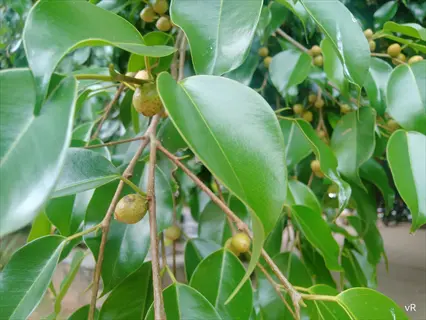
Wintergreen
- Leaf Pattern: Wintergreen features bright, rich green foliage that stays vibrant year-round, giving it the name that reflects its persistent color through all seasons.
- Light Needs: Performs well in a range of light conditions from moderate to bright indirect, making it one of the most adaptable cultivars for various rooms.
- Growth Habit: Develops a full, bushy canopy with graceful drooping branches, growing at a medium pace to about 6 to 8 feet (1.8 to 2.4 meters) indoors.
- Best For: Beginners looking for a forgiving weeping fig that handles occasional care inconsistencies better than more sensitive variegated varieties.
- Care Tip: Wintergreen holds its leaves better than most cultivars during minor environmental changes, making it a good choice for homes where conditions fluctuate.
- Availability: Stocked at most major garden centers and home improvement stores, making it one of the easiest weeping fig cultivars to locate and purchase.

Exotica
- Leaf Pattern: Exotica has elongated, twisted leaves with a subtle wave pattern that gives it a more dynamic, textured look compared to standard cultivars.
- Light Needs: Prefers bright indirect light to maintain its characteristic leaf shape, though it adapts well to moderate light situations indoors.
- Growth Habit: Grows fast with a tall, upright form that makes it popular for use as a natural room divider or hallway accent reaching 8 feet (2.4 meters).
- Best For: Intermediate growers who want a weeping fig with unique visual texture and a more sculptural appearance than standard smooth-leaved types.
- Care Tip: The twisted leaf shape can trap dust faster than flat-leaved varieties, so regular leaf cleaning helps maintain both appearance and plant health.
- Availability: Available at specialty garden centers and online nurseries, though not as common as Starlight or Wintergreen at major retail stores.
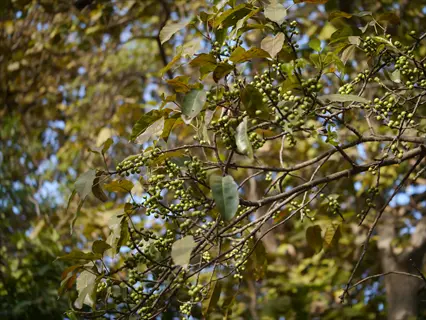
Monique
- Leaf Pattern: Monique has wavy-edged bright green leaves with pronounced undulation along the margins, creating a ruffled texture that catches light in a gorgeous way.
- Light Needs: Grows best in bright indirect light where its wavy leaf edges are most pronounced, but tolerates moderate light without significant quality loss.
- Growth Habit: Forms a graceful, open canopy with arching branches that show off the wavy foliage, reaching about 6 feet (1.8 meters) indoors.
- Best For: Plant collectors and design-conscious growers who appreciate subtle textural differences and want a weeping fig that stands apart from typical varieties.
- Care Tip: Monique is one of the most resilient cultivars for leaf retention, dropping fewer leaves than many other varieties during stress.
- Availability: Found at specialty nurseries and online retailers, with Golden Monique (a yellow-green sport of this cultivar) sometimes available as an alternative.
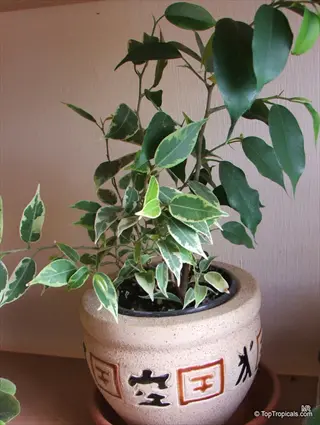
Bushy King
- Leaf Pattern: Bushy King produces compact clusters of small to medium green leaves with pale edges, creating a dense, full appearance that looks lush and healthy.
- Light Needs: Performs best in bright indirect light to maintain its pale leaf margins, though it handles moderate light conditions better than strong variegated types.
- Growth Habit: Compact and bushy rather than tall and tree shaped, staying under 4 feet (1.2 meters) and filling out sideways for a rounded look.
- Best For: Growers who prefer a bushier, more compact shape rather than a tall tree form and have limited vertical space in their home.
- Care Tip: Light pruning of the growing tips during spring encourages even denser branching, boosting the compact form that gives this cultivar its name.
- Availability: Available through specialty plant retailers and online shops, though it may require searching as it is harder to find than standard green varieties.
Essential Care Requirements
Good weeping fig care starts with getting 6 key factors right from day one. I've killed more Ficus plants by guessing at these basics than I care to admit. The table below gives you the quick version, and I'll break down the details that matter most after that.
Your weeping fig wants bright indirect light for at least 6 hours each day. An east or south facing window works best for most homes. Keep the temperature for weeping fig between 65 to 85°F and don't let it drop below 60°F in winter. Humidity for weeping fig should sit above 40%, which is drier than most people assume. A pebble tray under the pot or a room humidifier will get you there if your home runs dry.
Watering weeping fig plants trips up more growers than anything else. Stick your finger into the soil and water when the top inch feels dry to the touch. In summer that means every 5 to 7 days, while winter drops to every 2 to 3 weeks. The ideal soil for weeping fig drains fast and holds some moisture, like a wrung out sponge. A mix of standard potting soil with extra perlite at a pH of 6.0 to 6.5 per NC State Extension gives you the right balance.
Fertilizing weeping fig is simple once you know the schedule. Feed with a balanced liquid fertilizer at half strength once a month during spring and summer. Stop all feeding in fall and winter when the plant rests. I once burned the roots on a Ficus by feeding it at full strength, so don't skip the dilution step.
Leaf Drop Troubleshooting
If your weeping fig is dropping leaves, don't panic. Ficus benjamina leaf drop is the number one complaint I hear from growers, and it's almost never a death sentence. NC State Extension calls the plant "very sensitive to light changes." The good news? New leaves will grow back adapted to the new conditions. Your job is to find the trigger and fix it.
Think of troubleshooting leaf loss stress like solving a case. You need to check each suspect one at a time. Did you move the plant? Did the temperature change? Are you watering too much or too little? Look for yellowing leaves, brown crispy tips, or sticky residue on leaves. Each symptom points to a different cause, and the table below matches symptoms to fixes so you can act fast.
One thing most guides miss is the gap between normal seasonal shedding and real stress. Your weeping fig will lose some older leaves in winter as daylight drops. That's natural and nothing to worry about. But a sudden wave of green leaves on the floor means something shifted. You need to track down the cause right away.
I once moved a Ficus from my living room to the bedroom and lost half its leaves in 10 days. I almost tossed it, but I left it in that spot and it grew back fuller than before within 2 months. Patience is the best tool you have when dealing with weeping fig dropping leaves.
Propagation and Repotting
Learning how to propagate weeping fig gives you free plants from a single parent tree. Ficus benjamina propagation works best in spring when the plant puts out new growth. I've tried all 3 methods below and stem cuttings Ficus growers use most often gave me the best results. Each approach has trade offs in speed, effort, and success rate.
Repotting weeping fig is just as important as making new plants. A rootbound Ficus will stop growing and start dropping leaves because the roots can't pull enough water from the packed soil. The right pot size weeping fig growers should aim for is 1 to 2 inches larger than the current container. Go bigger than that and excess soil stays wet too long, which invites root rot.
Stem Cutting in Soil
- Method: Cut a 4 to 6 inch (10 to 15 centimeter) stem below a leaf node using clean pruners, remove the lower leaves, and dip the cut end in rooting hormone powder.
- Timeline: Roots develop in 3 to 6 weeks when kept in warm conditions between 70 and 80°F (21 to 27°C) with consistent moisture.
- Success Rate: The most reliable propagation method for weeping figs, with higher success rates than water propagation because roots develop stronger in soil from the start.
- Pro Tip: Cover the cutting with a clear plastic bag to create a humidity dome, and open it each day for air flow to prevent mold growth on the soil surface.
Water Propagation
- Method: Place a prepared stem cutting in a jar of clean water with just the stem submerged, keeping leaves above the waterline to prevent rotting in the container.
- Timeline: Visible root growth shows up within 2 to 4 weeks, though the cutting should stay in water until roots reach at least 2 inches (5 centimeters) long.
- Success Rate: A bit lower than soil propagation because water grown roots are more fragile and must transition to soil, which can cause some initial stress to the plant.
- Pro Tip: Change the water every 3 to 4 days to prevent bacterial growth, and use room temperature filtered water for the best results with sensitive Ficus cuttings.
Air Layering
- Method: Make a small upward cut on a branch, wedge it open with a toothpick, wrap the area with damp sphagnum moss, and cover with plastic wrap to hold moisture.
- Timeline: Roots grow through the moss in 6 to 10 weeks, after which you can cut the branch below the new roots and pot it as its own plant.
- Success Rate: The highest success rate of all 3 methods because the cutting stays attached to the parent plant and gets water and nutrients while rooting.
- Pro Tip: This advanced technique works best on mature plants with thick, woody stems and is ideal for creating a large new plant rather than starting from a small cutting.
Repotting Into Fresh Soil
- Method: Remove the plant from its current pot, loosen the outer roots, trim any brown or mushy roots, and place it in a new pot 1 to 2 inches (2.5 to 5 centimeters) larger with fresh well draining soil.
- Timeline: Repot every 2 to 3 years in spring when you see roots growing through drainage holes or circling the soil surface, as these signs show the plant has outgrown its container.
- Success Rate: Very high when done in spring during active growth, but expect some short term leaf drop as the plant adjusts to its new pot and fresh soil.
- Pro Tip: Water well after repotting and place the plant back in its original location to reduce stress, as combining repotting with a location change doubles the adjustment time.
If you summer your weeping fig outdoors, bring it back inside before temperatures drop below 60°F. Start by moving it to a shaded porch for a week, then to a bright indoor spot. I skipped this step once and my Ficus lost every single leaf within 2 weeks from the shock of sudden change.
Health, Safety, and Allergens
Most care guides gloss over the safety side of owning a weeping fig. As someone who dealt with itchy skin for weeks before figuring out the cause, I think this section matters more than most growers realize. Ficus benjamina toxicity is a real concern for pet owners. The truth about its air purifying plant claims needs an honest look as well.
The weeping fig toxic to pets warning is real and comes from NC State Extension. It's also listed in ASPCA toxic plants databases. The Ficus sap irritant can bother your skin if you handle broken branches without gloves. A latex allergy weeping fig combo is a bad match too. The plant's sap cross reacts with natural rubber, which can set off allergic reactions in sensitive people. Here's what you need to know about each risk.
Pet and Child Safety
- Toxicity Level: Weeping fig is toxic to cats, dogs, and horses per NC State Extension, with the milky latex sap being the main irritant in all parts of the plant.
- Symptoms in Pets: Eating the plant can cause oral irritation, drooling, vomiting, and trouble swallowing, though severe poisoning from weeping fig is rare in household pets.
- Prevention: Place the plant on a high shelf, in a hanging basket, or in a room that pets and small children cannot reach without supervision to cut the risk of contact.
- If Exposure Occurs: Wash affected skin with soap and water right away, and contact a vet or poison control center if a pet or child eats any part of the plant.
Latex Allergy Cross-Reactivity
- Research Finding: A 1998 study in the Hautarzt journal found that Ficus benjamina ranks as the third most common indoor allergen, right behind dust mites and pets.
- Cross-Reactivity: The plant makes latex based proteins that cross react with natural rubber latex allergens, so people with latex allergies may also react to weeping fig sap.
- Symptoms: Exposure can trigger itchy, watery eyes, runny nose, and allergic asthma in sensitive people, even without direct skin contact with the sap.
- Who Should Avoid: People with confirmed latex allergies, asthma, or atopic conditions should not keep weeping figs in their home or office based on the published research.
Air Purification Reality
- NASA Study: The 1989 NASA Clean Air Study found Ficus benjamina effective at removing formaldehyde, benzene, and trichloroethylene from sealed test chambers over 24 hours.
- Modern Research: A 2021 study in Frontiers in Built Environment showed weeping fig cut formaldehyde to 50% of starting levels in 123 minutes, working 5 times better in daylight.
- Real World Limit: Follow up research shows you would need 10 to 1,000 plants per square meter to match the air exchange rate in a normal home or office building.
- Honest Take: Your weeping fig does absorb some airborne chemicals, but counting on it as your main air purifier is not realistic. Good ventilation still works far better.
Safe Handling Practices
- Sap Protection: Wear gloves when you prune or handle broken branches because the milky white latex sap can cause skin irritation, redness, and itching on contact.
- Clean Up: Wipe any sap drips from floors and furniture right away with a damp cloth, as dried sap gets sticky and hard to remove from surfaces and fabrics.
- Tool Care: Clean your pruning shears with rubbing alcohol after cutting weeping fig branches to remove sap residue and stop the spread of plant diseases between plants.
- Placement Tip: Set the plant where branches won't get bumped or broken by foot traffic, which cuts down accidental sap exposure and keeps the plant in good shape.
Seasonal Care Calendar
Weeping fig seasonal care changes with the calendar just like your wardrobe does. Each season brings a new chapter in your plant's year. Spring kicks off the growing season with fresh leaves and fast growth. Winter slows things down to a quiet rest. I follow the same schedule below for all my Ficus trees, and it keeps them green and full year round.
The biggest mistake I see growers make is treating their weeping fig the same way in January as they do in July. Knowing when to fertilize weeping fig plants and when to prune weeping fig branches saves you from most common problems. The table below gives you a season by season plan so you always know what your plant needs next.
Spring pruning is your best window for shaping. Cut back any leggy growth and remove dead branches before the plant puts energy into new leaves. Winter care Ficus owners forget most often is keeping the pot away from cold window glass. That glass gets cold enough to chill the roots and trigger leaf drop even if your room feels warm.
5 Common Myths
Weeping figs are impossible to keep alive indoors because they always drop their leaves and die within months.
Leaf drop is a temporary stress response to environmental changes. Once a weeping fig acclimates to its new spot, it grows new leaves adapted to those conditions.
You should mist weeping fig leaves every day to provide the tropical humidity the plant needs to survive.
Misting provides only brief humidity increases that evaporate within minutes. A pebble tray or room humidifier is far more effective at maintaining steady moisture levels above 40 percent.
A single weeping fig plant can purify all the air in your living room and eliminate harmful toxins completely.
NASA tested air purification in small sealed chambers. Research suggests you would need hundreds of plants per room to meaningfully affect air quality in a typical home.
Weeping figs need to be repotted every year into a much larger container to stay healthy and keep growing.
Weeping figs actually prefer being slightly rootbound and should only be repotted every 2 to 3 years, moving up just 1 to 2 inches in pot diameter each time.
Heavy pruning makes weeping figs grow back thicker and stronger, so you should cut them back aggressively each season.
NC State Extension research shows heavy pruning actually decreases the longevity of weeping figs. Light, selective pruning during spring is safer and more effective for shaping.
Conclusion
Weeping fig care boils down to a few simple habits. Give your Ficus benjamina bright indirect light and steady warmth. Water when the top inch of soil dries out. Do those 3 things well and your indoor tree will reward you with decades of green, graceful growth. I've had my oldest plant for over 12 years, and it gets better looking every season.
Leaf drop used to stress me out until I learned it's just how the plant talks to you. A few fallen leaves after a move or a season change is normal. Your weeping fig isn't dying. It's adjusting. Once you accept that, this houseplant goes from frustrating to fun. New leaves grow back stronger and better suited to your exact conditions.
With 8 weeping fig varieties to pick from, you can match the right plant to your space. Too Little works great for small apartments and desks. Midnight fills a corner with drama. Wintergreen handles the mistakes most new growers make. Choose the cultivar that fits your light and your skill level instead of fighting what the plant wants.
Your weeping fig already knows how to grow. It just needs you to set up the right spot and stick with a care routine. Pick your favorite variety, find it a permanent home near a bright window, and let it do what it does best. You'll wonder why you ever thought this plant was hard to keep alive.
External Sources
Frequently Asked Questions
Is weeping fig a good indoor plant?
Yes, weeping fig is an excellent indoor plant valued for its graceful form, glossy leaves, and ability to grow as a small indoor tree reaching 2 to 10 feet tall.
Where should you place a weeping fig?
Place a weeping fig in bright indirect light near an east or south-facing window, away from drafts, vents, and doors that open frequently.
How often should I water a weeping fig?
Water when the top inch of soil feels dry, typically every 7 to 10 days in summer and every 2 to 3 weeks in winter.
What is weeping fig good for?
Weeping fig is good for adding greenery to indoor spaces, and NASA research found it can remove formaldehyde from sealed environments.
What's the lifespan of a weeping fig?
A well-cared-for weeping fig can live for 20 to 50 years indoors, and specimens in the wild can survive for over a century.
Do weeping figs like big pots?
No, weeping figs prefer slightly snug pots and should only be moved to a container 1 to 2 inches larger in diameter when roots fill the current pot.
What not to plant next to a fig tree?
Avoid planting sun-loving or drought-tolerant plants next to a fig tree, as its dense canopy creates deep shade and its roots compete aggressively for water.
How to care for weeping figs in winter?
In winter, reduce watering, stop fertilizing, keep the plant away from cold drafts, and maintain temperatures above 60 degrees Fahrenheit (16 degrees Celsius).
Are weeping figs low maintenance?
Weeping figs are moderate to high maintenance because they are sensitive to environmental changes and prone to leaf drop when moved or stressed.
Does weeping fig clean air?
NASA research showed Ficus benjamina removes formaldehyde and other volatile organic compounds in sealed chambers, but practical home benefits are limited.

