

Introduction
The kousa dogwood came to the United States from East Asia around 1875. It has since become one of the top landscape trees across USDA Zones 5 through 8. Gardeners love it for the white bracts in spring, vivid fall color, and bark that peels into patches of gray and tan all winter long.
I planted my first Cornus kousa about 8 years ago. Two of my native flowering dogwoods had just died from anthracnose. That loss showed me why a disease resistant dogwood matters so much in today's gardens. Since then I've grown 4 different varieties through drought, ice storms, and brutal heat.
This ornamental tree gives you a full package in one planting. NC State Extension data shows it grows 15 to 30 feet tall with equal spread. You get shade, flowers, fall color, and cool bark texture from a single tree. If flowering dogwood is the delicate artist of spring, kousa dogwood is its tougher sibling that brings snacks to the party. Those bumpy red fruits on the branches each fall taste sweet and pack a load of antioxidants.
This guide covers the best varieties, soil needs, seasonal care, and fruit nutrition. You'll learn how to pick and grow the right kousa dogwood for your yard.
10 Best Kousa Dogwood Varieties
Picking from the many kousa dogwood varieties can feel tough when you don't know what sets each one apart. I've grown 4 of the best dogwood cultivars on this list and watched others at local gardens over the years. Each one fills a different role in your yard based on its size, color, and shape.
You'll find options here for every space and taste. Pink kousa dogwood fans will love Scarlet Fire and Satomi for bold color. If you want a compact tree for a small yard, Wolf Eyes dogwood is hard to beat. The University of Tennessee breeding program also gave us 3 new picks that most guides skip over.
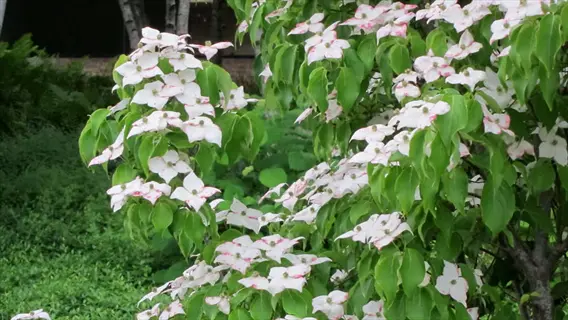
Milky Way
- Bloom: Produces an exceptionally heavy display of pure white bracts that cover the entire canopy in late spring, creating a dramatic snowfall effect visible from a distance.
- Size: Reaches 20 to 25 feet (6 to 7.5 meters) tall with a broad, spreading canopy of 15 to 25 feet (4.5 to 7.5 meters) wide at maturity.
- Fall Color: Foliage transitions to rich reddish-purple tones in autumn, followed by abundant raspberry-like edible fruit that attracts birds and wildlife.
- Growth Habit: Develops a rounded to vase-shaped form with horizontal branching layers that give the tree a distinctive tiered silhouette in winter.
- Disease Resistance: Exhibits strong resistance to dogwood anthracnose and shows good tolerance to powdery mildew under normal growing conditions in Zones 5 through 8.
- Best Use: Ideal as a specimen tree in open lawns or large borders where its full canopy and heavy bloom can be appreciated from all angles.
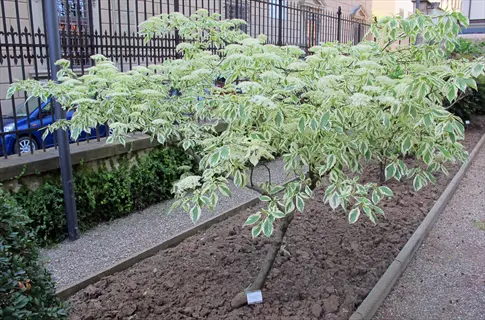
Wolf Eyes
- Foliage: Features striking variegated leaves with creamy white margins that provide season-long visual interest even when the tree is not in bloom.
- Size: A compact grower reaching 10 to 15 feet (3 to 4.5 meters) tall and wide, making it well suited for smaller yards and foundation plantings.
- Bloom: White bracts appear in late spring against the variegated foliage, creating a layered contrast of white on white-and-green that few trees can match.
- Fall Color: The variegated leaves turn pinkish-red to deep rose in autumn, offering a unique color display not found in solid-leaved cultivars.
- Growth Habit: Develops a dense, shrubby form that can be maintained as either a large multi-stemmed shrub or trained into a single-trunk small tree.
- Best Use: Perfect for small gardens, Japanese-style landscapes, and shaded courtyards where the variegated foliage brightens darker corners throughout the growing season.
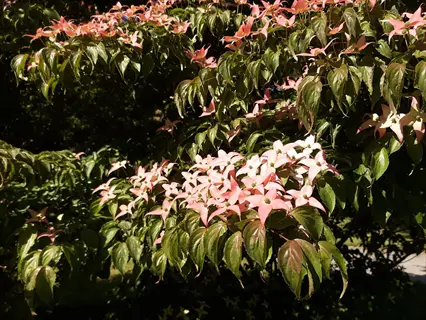
Scarlet Fire (Rutpink)
- Bloom: Produces vivid fuchsia-pink bracts that hold their color throughout the bloom period without fading, a trait rare among pink dogwood selections.
- Size: Grows 18 to 24 feet (5.5 to 7.3 meters) tall with an upright-spreading form that fills out to 15 to 20 feet (4.5 to 6 meters) wide.
- Breeding: Developed at Rutgers University from a cross between kousa and native flowering dogwood, combining ornamental color with enhanced disease resistance.
- Disease Resistance: Shows exceptional resistance to both dogwood anthracnose and powdery mildew, outperforming many pure kousa cultivars in field trials.
- Fall Color: Leaves turn deep burgundy-red in autumn, complementing the earlier pink bloom and extending the seasonal color calendar well into October.
- Best Use: Ideal as a focal-point tree in front yards or garden entrances where its bold pink color draws immediate attention and creates a strong first impression.
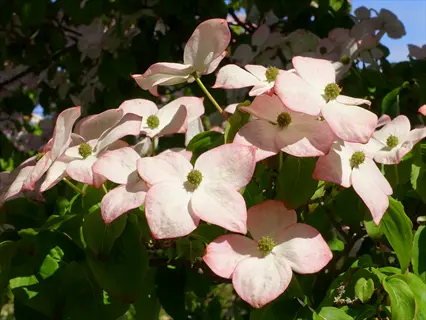
Satomi (Miss Satomi)
- Bloom: Bears soft rose-pink bracts in late spring that mature to a deeper pink, creating a gentle, romantic appearance unlike the bolder Scarlet Fire.
- Size: Reaches 15 to 20 feet (4.5 to 6 meters) tall and wide, forming a well-proportioned small tree suitable for residential landscapes and garden borders.
- Foliage: Dark green summer leaves provide strong contrast to the pink bracts, then shift to reddish-purple and scarlet tones as autumn temperatures drop.
- Fruit: Produces abundant raspberry-like fruit in late summer that holds well on the branches and provides food for songbirds heading into fall migration.
- Bark: Develops the characteristic kousa exfoliating bark with age, revealing patches of gray, tan, and brown that add winter interest after leaf drop.
- Best Use: Works beautifully as an understory tree beneath taller canopy trees or as a standalone specimen in cottage-style and English garden designs.
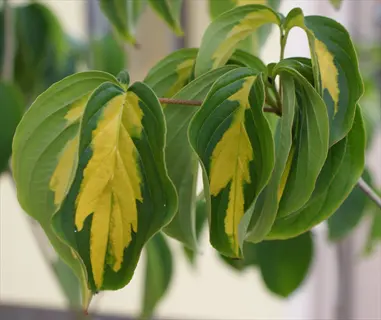
Gold Star
- Foliage: Each leaf features a bright golden-yellow center surrounded by green margins, creating a glowing effect that stands out in both sun and partial shade.
- Size: Grows to 15 to 20 feet (4.5 to 6 meters) tall and wide with a rounded form, offering a manageable scale for urban yards and foundation plantings.
- Bloom: White bracts appear in late spring and contrast beautifully with the gold-centered foliage, providing a two-toned display that lasts through early summer.
- Fall Color: The gold variegation shifts to warm tones of orange, red, and purple in autumn, making this one of the most colorful kousa varieties year-round.
- Growth Rate: Grows at a moderate pace for a kousa, adding about 12 to 18 inches (30 to 45 centimeters) per year under favorable soil and moisture conditions.
- Best Use: Excellent for brightening shaded garden areas and creating focal contrast when planted alongside darker-leaved evergreens or purple-foliage shrubs.
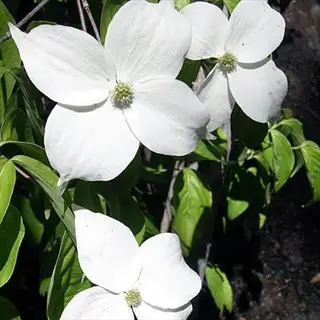
Moonbeam
- Bloom: Produces the largest bracts of any kousa cultivar, with individual bracts measuring up to 4 inches (10 centimeters) across for a spectacular white display.
- Size: Reaches 20 to 25 feet (6 to 7.5 meters) tall with a broadly spreading canopy that can extend 20 feet (6 meters) wide at maturity.
- Foliage: Dark green leaves provide a clean backdrop for the oversized white bracts in spring and turn rich burgundy-red when autumn arrives.
- Fruit: Bears large raspberry-like fruit in late summer that are among the most flavorful of all kousa varieties, making them desirable for fresh eating.
- Bark: With age, the trunk develops a mottled, peeling bark pattern in shades of gray and brown that provides excellent structural interest during winter months.
- Best Use: Best planted as a specimen tree in open areas where its large bracts and spreading form can be fully appreciated without crowding from neighboring plants.
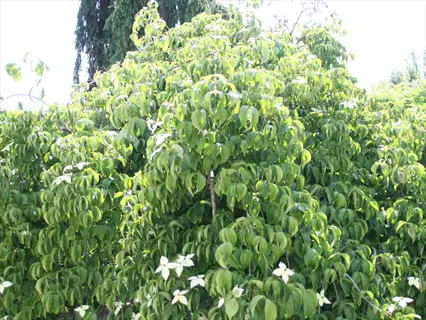
Lustgarten Weeping
- Growth Habit: Features dramatically pendulous branches that cascade downward, creating a graceful weeping silhouette unlike any other kousa dogwood form.
- Size: Typically reaches 8 to 15 feet (2.4 to 4.5 meters) tall with a spread that depends on staking and training during the first few years of growth.
- Bloom: White bracts cover the weeping branches in late spring, draping flowers along the cascading stems for an elegant curtain-like bloom display.
- Foliage: Medium green leaves follow the pendulous branch structure, creating layers of foliage that move gently in the wind throughout the growing season.
- Fall Color: Autumn foliage turns shades of reddish-purple, adding warm seasonal color to the weeping form before leaves drop to reveal the architectural branch pattern.
- Best Use: Perfect for water features, rock gardens, and Asian-inspired landscapes where its weeping form creates a contemplative focal point near paths or seating areas.
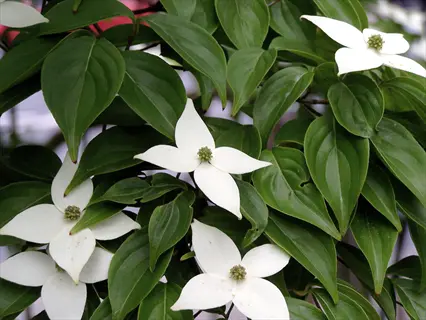
Pam's Mountain Bouquet
- Bloom: Displays a unique fused bract structure where the four bracts merge at the base, giving each flower cluster a solid, bowl-shaped appearance unlike any other cultivar.
- Origin: Released by the University of Tennessee breeding program as part of their effort to develop superior dogwood cultivars with unique ornamental traits.
- Size: Grows to approximately 15 to 20 feet (4.5 to 6 meters) tall with a rounded crown, fitting well in residential landscapes and botanical garden collections.
- Disease Resistance: Bred specifically for enhanced resistance to both dogwood anthracnose and powdery mildew, the two most damaging diseases affecting dogwood trees.
- Rarity: Rarely found in competitor gardening guides or mainstream nursery catalogs, making it a collector's choice for gardeners seeking something truly distinctive.
- Best Use: Ideal for gardeners who want a conversation-starting specimen tree with a bloom form that sets it apart from all other kousa and flowering dogwood varieties.
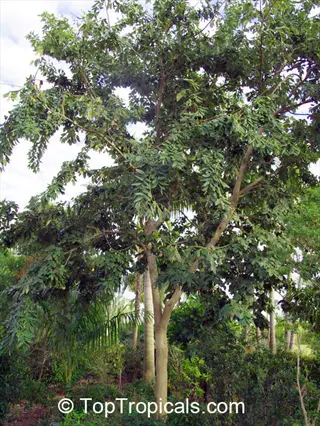
Empire
- Growth Habit: Features a strongly columnar or fastigiate form that grows upright and narrow, making it perfect for tight spaces and urban streetscapes.
- Size: Reaches 15 to 20 feet (4.5 to 6 meters) tall but stays only 6 to 8 feet (1.8 to 2.4 meters) wide, fitting easily beside driveways and walkways.
- Origin: Released by the University of Tennessee breeding program, specifically selected for its upright habit and improved disease resistance over standard kousa seedlings.
- Bloom: Produces classic white kousa bracts in late spring along the vertical branching structure, creating a tall column of white flowers that is visible from a distance.
- Disease Resistance: Carries enhanced resistance to dogwood anthracnose thanks to the UT breeding program's focus on genetics of disease resistance in dogwood species.
- Best Use: Excellent for narrow planting strips, formal garden borders, privacy screens, and any landscape situation where horizontal space is limited but vertical impact is desired.
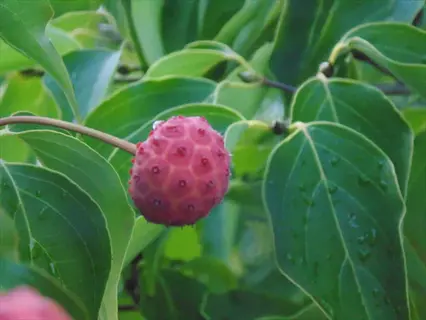
China Girl
- Bloom: One of the earliest kousa cultivars to flower each season, producing large white bracts several days before most other varieties begin their bloom cycle.
- Fruit: Bears exceptionally large fruit compared to other kousa selections, making it one of the top choices for gardeners interested in harvesting edible dogwood berries.
- Size: Grows 15 to 20 feet (4.5 to 6 meters) tall and wide with a rounded spreading form typical of the species, providing generous shade and garden presence.
- Foliage: Dark green summer foliage turns shades of reddish-purple in autumn, contributing reliable fall color in landscapes across USDA Zones 5 through 7.
- Availability: Listed by the University of Illinois Extension but rarely mentioned by other competitors, making it an underappreciated choice for edible landscaping enthusiasts.
- Best Use: Perfect for gardeners who want both early ornamental bloom and a productive harvest of large, sweet kousa fruit later in the growing season.
Your best pick depends on the space you have and the look you want. Milky Way dogwood and Moonbeam work great in open yards with room to spread. Wolf Eyes dogwood fits tight spots and shade gardens. Scarlet Fire adds bold pink color that few other trees can match.
Planting and Soil Needs
Getting your planting kousa dogwood site right makes all the difference in how well the tree grows. Choosing the right spot is like choosing a seat in a theater. Some shade is fine, but you still want enough light to see the show. Full sun gives you the best blooms, while afternoon shade helps in Zones 7 and 8 where summer heat can scorch the leaves.
Your soil matters more than most people think. This is an acidic soil dogwood that does best at a pH between 5.5 and 6.5. At that range the roots pull in iron and nutrients that fuel strong fall color. The University of Illinois found that kousa can handle slightly alkaline soil too. That fact surprises many gardeners who think acid is the only option.
The kousa dogwood sun requirements are simple. Give it at least 4 to 6 hours of direct light each day for the best flower display. Trees in deep shade will grow but they won't bloom much and the fall color stays dull.
You also don't need to worry about the dogwood root system causing damage. I've seen kousa roots up close when transplanting and they stay near the surface without spreading far. They won't crack your driveway, sidewalk, or foundation walls. Plant your tree in well-drained soil at least 10 to 15 feet from the house and you're all set.
Seasonal Care and Pruning
Good kousa dogwood care follows the seasons rather than a random checklist. I keep a simple calendar for my own trees and check off each task as the year moves along. This approach keeps dogwood maintenance on track without missing key steps that affect next year's bloom.
Pruning kousa dogwood at the wrong time can cut away the buds that would have given you flowers. The safest window is late winter before the buds swell. Watering dogwood trees matters most in the first 2 growing seasons when roots are still getting set. After that your tree handles dry spells on its own. Fertilizing dogwood in early spring with a balanced slow release mix gives the tree fuel right when it needs it most. Mulching around the base holds moisture and keeps roots cool through summer heat.
Spring Care Tasks
- Fertilize: Apply a balanced slow-release fertilizer with an even ratio around the drip line in early spring before new growth begins to support healthy bract development.
- Mulch: Refresh the organic mulch layer to 2 to 3 inches (5 to 7.5 centimeters) deep around the base, keeping mulch 4 inches (10 centimeters) away from the trunk to prevent rot.
- Inspect: Check for winter damage, broken branches, and signs of canker or borer entry holes, removing any damaged wood with clean, sharp pruning tools.
Summer Care Tasks
- Water: Provide deep watering during extended dry spells, especially for trees in their first two growing seasons, soaking the root zone rather than wetting the foliage overhead.
- Monitor: Watch for powdery mildew on leaves during humid stretches and for leaf scorch along the margins, which signals either drought stress or excessive afternoon sun exposure.
- Harvest: Collect ripe fruit when it turns deep red and feels slightly soft to the touch, typically from late August through September depending on your growing zone.
Fall Care Tasks
- Watering: Continue to water through dry autumn weeks until the ground freezes, as adequate fall moisture helps the root system prepare for winter dormancy and cold stress.
- Cleanup: Rake fallen fruit from beneath the tree to prevent fermentation that attracts yellow jackets, and remove leaf debris that can harbor fungal spores through winter.
- Planting: Fall is the ideal time to plant new kousa dogwood trees, allowing roots to establish in cool, moist soil before the demands of summer heat arrive.
Winter Care Tasks
- Prune: Perform structural pruning in late winter before buds swell, removing crossing branches, dead wood, and any suckers growing from the base of the trunk.
- Protect: In Zone 5 locations, wrap the trunk of young trees with tree wrap to prevent sunscald and frost cracks during temperature swings between freezing nights and sunny days.
- Appreciate: Enjoy the exfoliating bark that becomes most visible in winter, with mottled patches of gray, tan, and brown creating a natural camouflage pattern on the trunk.
Disease Resistance Explained
Most garden sites call kousa a disease resistant dogwood and leave it at that. But "resistant" does not mean "immune" and the gap between those two words can save or cost you a tree. I lost one kousa to crown canker years ago because I didn't understand that difference. The research tells a clear story when you look at the actual numbers.
A 1989 field study tested hundreds of kousa trees growing right next to dogwoods covered in dogwood anthracnose. The kousa trees with no overhead watering showed 0% infection rates. Their leaves were even touching sick branches and still stayed clean. Researchers tried to pull the Discula fungus from those kousa leaves and failed. They found the pathogen in 100% of the flowering dogwood samples instead.
Here's where it gets tricky. When the same researchers tested kousa trees under sprinkler systems that kept the leaves wet for long stretches, the results flipped. They found Discula in 66% of those stressed kousa samples. That means your watering method matters as much as the tree's genetics. Water at the root zone and your kousa stays safe. Blast the leaves from above and you can break right through its natural defenses.
Powdery mildew ranks high on the list of kousa dogwood problems to watch for. This fungus hit nurseries in Alabama and Tennessee so hard that some growers went out of business. The University of Tennessee then started a breeding program to fight both threats at once. Good air flow around your tree and proper spacing cut your mildew risk a lot.
Bacterial leaf scorch from the Xylella pathogen can also show up in stressed trees. You'll see brown edges on the leaves that won't bounce back with watering. Leafhoppers spread this disease so controlling those insects near your kousa helps keep this problem away. A healthy tree in the right soil with smart watering habits avoids most of these issues.
Edible Fruit and Nutrition
Most people don't realize you can eat kousa dogwood fruit right off the tree. I picked my first one about 6 years ago and the taste caught me off guard. The bumpy rind looks like a golf ball and feels grainy. But when you peel back the skin, the pulp inside is soft and sweet with a tropical custard flavor. You just scoop out the good stuff and enjoy it fresh.
These edible dogwood berries pack more dogwood fruit nutrition than you'd expect from a backyard tree. A 2022 study in the Foods journal found kousa produces the largest fruit in the entire Cornus genus. It also has the highest total sugar content with fructose as the main sugar. You get antioxidants and flavonoids in every bite. A compound called Cornuskoside A sits inside too. That compound exists in no other species on earth. Researchers called the fruit "understudied" for its health potential.
Flavonoids and Quercetin
- Composition: Contains quercetin, kaempferol, and myricetin derivatives that act as powerful antioxidants, scavenging free radicals and supporting cellular health.
- Significance: These flavonoid compounds have been studied for their anti-inflammatory effects, including the inhibition of COX enzymes that are involved in pain and swelling.
- Comparison: The flavonoid concentration in kousa fruit contributes to its higher bioactive potential compared to many common landscape fruits that go unharvested each year.
Anthocyanins and Color Pigments
- Composition: Cyanidin-based anthocyanins dominate the pigment profile, giving ripe fruit its deep red to crimson color and indicating high antioxidant activity.
- Health Link: Anthocyanin-rich foods have been linked to cardiovascular health support, and the concentration in kousa fruit rivals that of many commercially cultivated berries.
- Ripeness Indicator: The deepening red color as fruit ripens directly correlates with increasing anthocyanin content, making color an easy guide for harvesting at peak nutrition.
Cornuskoside A
- Uniqueness: This compound has been identified exclusively in Cornus kousa fruit, making it a phytochemical not found in any other species within the entire Cornus genus.
- Research Status: Scientists have noted that Cornuskoside A warrants further study for potential bioactive properties, as the compound's effects are not yet fully characterized.
- Significance: The presence of a species-unique compound underscores why researchers in the 2022 Foods journal concluded that kousa dogwood fruit is understudied relative to its potential.
Vitamins and Carotenoids
- Vitamin C: Kousa fruit contains ascorbic acid (vitamin C) that supports immune function, and its levels are comparable to other small fruits commonly grown in home gardens.
- Tocopherols: Vitamin E compounds are present in measurable amounts, providing additional antioxidant protection and supporting skin and cellular membrane health.
- Carotenoids: Beta-carotene and related pigments contribute to the fruit's nutritional profile, adding to the overall complex of protective plant compounds found in each berry.
You can turn your harvest into kousa dogwood fruit recipes like jams, pies, and muffins. I've made a batch of jam from my own trees and the flavor reminds you of mango mixed with persimmon. Just peel the rough skin off first since it's grainy and not great to eat. Pick the fruit when it turns deep red and gives a bit when you squeeze it.
Wildlife and Pollinator Value
You might not expect a tree from East Asia to feed native North American insects. But kousa dogwood pollinators include 3 Andrena bees that need its flowers for food. NC State Extension names these as Andrena bees that visit the blooms each spring. That's a twist that makes your kousa worth far more than just its looks.
I added my first kousa to a pollinator garden about 5 years ago. Within 2 seasons I noticed more ground bees nesting near the tree's drip line. If you want a wildlife garden that draws in helpful insects, your kousa plays a bigger role than most people think. It's also a deer resistant tree, which means you won't lose it to browsing like you might with other ornamental picks.
Specialized Native Bees
- Species: Three Andrena bee species (A. fragilis, A. integra, and A. platyparia) are specialized visitors to kousa dogwood flowers, relying on the tree for pollen and nectar.
- Significance: These native ground-nesting bees are important early-season pollinators that support the broader garden ecosystem by pollinating nearby fruit trees and wildflowers.
- Surprise Factor: Despite kousa dogwood being native to East Asia, it has become a food source for native North American bees, demonstrating ecological adaptability beyond its original range.
Songbirds and Fruit Feeders
- Attraction: Ripe kousa fruit draws songbirds including robins, cedar waxwings, and thrushes that feed on the berry-like drupes from late summer through early fall migration.
- Timing: Because kousa fruit ripens in late August through September, it provides a critical food source when many other landscape fruits have already been consumed.
- Placement: Planting kousa dogwood near bird feeders or birdbaths creates a natural feeding station that encourages longer bird visits and a wider range of species in your yard.
Squirrels and Small Mammals
- Feeding: Squirrels and chipmunks actively forage on fallen kousa fruit, often caching seeds for later consumption, which can inadvertently spread volunteer seedlings through the garden.
- Seed Dispersal: This natural seed dispersal by small mammals is one reason kousa dogwood can produce weedy seedlings in favorable conditions, a factor worth managing in tidy landscapes.
- Coexistence: Planting kousa dogwood in a naturalized garden area can provide wildlife food while keeping volunteer seedlings away from manicured beds and pathways.
Deer Resistance and Pests
- Deer: Kousa dogwood is rated as deer resistant by multiple university extensions, making it a reliable choice for landscapes in areas with heavy deer browsing pressure.
- Yellow Jackets: Fallen fruit that ferments on the ground can attract yellow jackets in late summer, so regular cleanup beneath the tree reduces the risk of unpleasant encounters.
- Pest Balance: While dogwood borers and sawflies can occasionally target kousa, healthy trees with proper soil and watering rarely suffer significant damage from insect pests.
The birds that eat dogwood fruit include robins, cedar waxwings, and thrushes. I've watched waxwings strip a full tree in under 2 days during fall migration. If you clean up the dropped fruit before it ferments you'll also keep yellow jackets away from your yard.
5 Common Myths
Kousa dogwood is completely immune to dogwood anthracnose and will never develop the disease under any conditions.
Research shows kousa dogwood is resistant but not immune; prolonged overhead irrigation can overcome its natural defenses and allow infection.
The fruit of a kousa dogwood tree is poisonous to humans and should never be consumed in any form.
Kousa dogwood fruit is entirely edible, with sweet pulp rich in antioxidants, flavonoids, and the unique compound Cornuskoside A found in no other species.
Kousa dogwood trees need full direct sunlight all day and cannot tolerate any amount of shade in the landscape.
Kousa dogwood thrives in full sun to partial shade and actually benefits from afternoon shade in hotter climates within USDA Zones 7 and 8.
All dogwood species have the same bloom timing and flower at the same point in spring regardless of variety.
Kousa dogwood blooms two to four weeks later than the native flowering dogwood, with flowers appearing in late spring after the leaves have already emerged.
Kousa dogwood roots are invasive and will damage house foundations, sidewalks, and underground plumbing systems.
Kousa dogwood has a shallow, non-invasive root system that is safe to plant near structures, pools, driveways, and walkways without foundation damage concerns.
Conclusion
Kousa dogwood gives you something rare in a single ornamental tree. You get disease resistant genetics that shrug off the anthracnose killing native dogwoods. You get edible fruit loaded with compounds no other tree on earth produces. And you get four seasons of beauty from white bracts to fall color to winter bark.
This Cornus kousa is more than a pretty stand-in for flowering dogwood. It feeds Andrena bees, songbirds, and even your own family if you harvest the fruit. I've watched my trees draw in more wildlife each year as they grow taller and produce more blooms and berries. Few other landscape picks can match that kind of value.
You can pick from columnar Empire, weeping Lustgarten, or bold pink Scarlet Fire. There's a kousa dogwood for every yard and taste. The best dogwood tree for a small garden is different from the best one for an open lawn. That's why the variety list matters when you're making your choice.
The University of Tennessee keeps breeding new kousa picks. The best kousa dogwood for your garden may not even be on the market yet. I'm excited to see what comes next from their work. Plant one now and you'll have a tough, beautiful tree that keeps giving back for decades to come.
External Sources
Frequently Asked Questions
Can you eat kousa dogwood berries?
Yes, kousa dogwood fruit is edible with sweet, tropical-flavored pulp inside a bumpy rind that is best peeled away before eating.
Is kousa dogwood a good tree?
Kousa dogwood is an excellent landscape tree offering four-season interest, disease resistance, and low maintenance once established.
What is the difference between a dogwood and a kousa dogwood?
The main differences are bloom timing, disease resistance, and fruit edibility, with kousa blooming later and resisting anthracnose.
Is kousa dogwood fruit toxic to dogs?
Kousa dogwood fruit is not considered toxic to dogs, but large amounts may cause digestive upset due to the rough rind and seeds.
What is the lifespan of a kousa dogwood tree?
A healthy kousa dogwood can live 50 to 150 years depending on growing conditions, soil quality, and disease management.
What is the problem with cornus kousa leaves?
Common leaf problems include leaf scorch from drought, powdery mildew in humid conditions, and septoria leaf spot during wet seasons.
Why are dogwood trees so hard to grow?
Dogwoods struggle when planted in alkaline soil, full afternoon sun, or compacted ground that retains too much moisture.
How close to a house can you plant a kousa dogwood?
Plant a kousa dogwood at least 10 to 15 feet (3 to 4.5 meters) from your house, as its non-invasive roots are safe near foundations.
What's the prettiest dogwood tree?
Beauty is subjective, but popular picks include Scarlet Fire for pink bracts, Wolf Eyes for variegated leaves, and Milky Way for heavy bloom coverage.
Do kousa dogwoods grow fast?
Kousa dogwoods are slow growers, adding about 12 to 24 inches (30 to 60 centimeters) per year and reaching maturity in 5 to 7 years.

