Vegetable · Asteraceae
Radicchio
Cichorium intybus
Give it cool fall weather and radicchio softens from harsh and green into a deep red, bittersweet head.
Full sun
Every 3–7 days
60–85 days
USDA 3–9
Overview
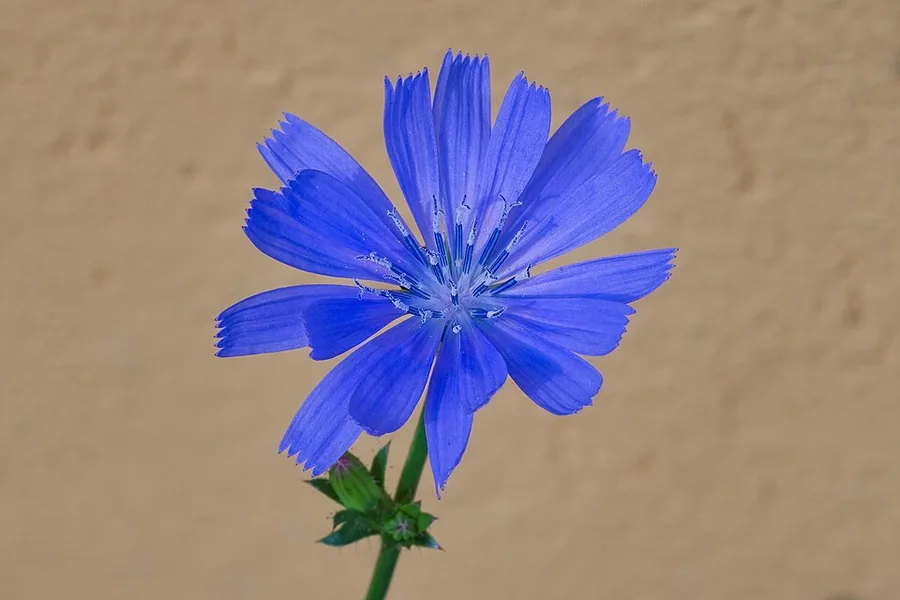
That deep red, bitter chicory in an Italian salad is radicchio, and it is far more forgiving than its reputation lets on. It sits in the Asteraceae family as a form of Cichorium intybus, a biennial most people grow as a fast fall crop. Every head firms up to resemble a compact red cabbage, though the flavor stays all chicory: bright and bittersweet, sweeter once a few frosty nights pass.
The thing that trips up new growers is timing, not fussiness. Radicchio wants to come of age in cool fall weather, when the chill deepens its red and gentles the bite. Rush it through summer heat and it will bolt and turn harshly bitter, but that is an easy mistake to avoid. Line the schedule up and the very same plant hands you firm, richly colored heads.
Be patient with it, because a finished head takes 60 to 85 days from seed. Steady water and reasonably good soil carry most of the load, and the cool weather finishes the job for you. Radicchio also brushes off the light frost that would wilt tender salad greens, so it keeps giving well into the cold months.
Care
The short version: full sun, even watering of 1 to 2 inches a week, and fertile soil that drains well, all planned so the heads mature as fall turns cool.
Light
Radicchio is happiest in full sun, but a little partial shade is fine where late summer still runs hot. All that light helps it grow sturdy and go on to make firm, richly colored heads, so a bright spot really pays you back.
Water
Aim to keep the soil evenly moist, roughly 1 to 2 inches of water each week. When it dries out or gets watered in fits and starts, the leaves lean bitter and the heads stay weak, so water a bit more often in fast-draining sandy ground. It forgives the occasional slip, as long as the pattern stays fairly steady.
Soil
Set it into fertile, well-drained soil with plenty of organic matter mixed in. A pH somewhere between 6.0 and 6.8 suits it nicely, just on the acidic side of neutral, and most decent garden beds already land close to that.
Temperature
This is a plant made for cool weather, comfortable anywhere from 19°F to 75°F (-7°C to 24°C). Young plants take a frost down to about 20°F (-7°C), and rather than harming them, that autumn chill is exactly what richens the color and softens the bitterness.
Humidity
Plain outdoor air is all radicchio asks for, so there is no humidity target to chase. What really counts is airflow, since leaves packed close together and left damp are the ones that invite trouble.
Feeding
Mix a complete fertilizer like 10-10-10 into the bed before you plant, then give a nitrogen side-dressing about 4 weeks after transplanting. Once the heads begin closing, back off the nitrogen, or you will grow lush leaves instead of the tight center you are after.
Pruning
There is really no pruning to do here. Just pull off the outer leaves when they get tattered or diseased, and tidy away old plant debris so pests and disease have nowhere to settle in.
Size & spacing
Radicchio stays compact, standing about 6 to 12 inches (15 to 30 cm) tall with a spread near 8 to 12 inch (20 to 30 cm). Give each plant that full width so the heads have room to fill out and air can slip between them.
When to plant
Think of radicchio as a fall crop first and foremost. Sow the seeds in summer, move the young plants out in late summer, and let the heads tighten as the air turns cool, since that cold snap is what draws out the color and the flavor.
Northern hemisphere
Southern hemisphere
Typical months for a temperate climate: start earlier in warm zones, later where spring frosts linger.
- Sow: Early to mid summer (start seeds indoors in July for transplanting in August for a late-season fall crop)
- Plant: Transplant in late summer (August) for fall harvest, or direct sow about 75-85 days before the anticipated maturity/harvest date
- Harvest: Fall (heads harvested as cool weather improves color and flavor)
Hardiness
USDA hardiness zones: 3–9
Temperature: down to -40°C
Troubleshooting
Nearly every radicchio hiccup comes back to heat at the wrong moment, so try not to worry too much. Bolting and loose heads follow a crop caught in summer warmth, while pests and disease turn up on the foliage. Find your symptom below and step in early, and most of it is fixable.
Yellowing, twisted leaves and stunted, misshapen shoots
This is aster yellows, a phytoplasma that leafhoppers move from plant to plant, and once it settles in there is no cure. The kind thing for the rest of your bed is to pull the sick plants and destroy them so it cannot spread. Holding down leafhopper numbers and clearing weedy hosts is really the only defense you have.
Fix:
- Remove and destroy infected plants
- Control leafhoppers
A tall flower stalk rises where a firm head should be
What you are seeing is bolting, and summer heat is nearly always behind it. Once a plant runs to seed it goes coarse and bitter, so harvest it right away rather than waiting. The lasting fix is gentler than it sounds: sow so the heads mature in cool fall air instead of midsummer heat.
Fix:
- Harvest promptly before quality declines further
- Replant timing so heads mature in cool fall weather
Heads never tighten and stay open
A loose head almost always traces to warmth that hung around during heading, or to soil that went dry and lean. Keep the water even and the feeding up to steady it, then aim the crop so it closes in the cool of fall, which is where radicchio truly shines.
Fix:
- Ensure consistent moisture and adequate fertility
- Adjust planting date so heading coincides with cool weather
Nibbled leaves, tiny holes, and seedlings toppled at soil level
A few pests take an interest in radicchio: cutworms clip young seedlings off at the base, slugs leave slime and ragged holes, and flea beetles stipple the foliage with pinprick shotholes. Handpick or trap the ones you can reach, and turn to insecticidal soap against aphids and caterpillars. A quick regular look-over and a weed-free bed stop most of them before they settle in.
Fix:
- Handpick or trap slugs and cutworms
- Use insecticidal soap or appropriate controls for aphids and caterpillars
Toxicity
You can relax completely here, because radicchio is simply a salad vegetable. Its leaves are grown to be eaten and carry no toxic risk to people, pets, or livestock. Even a pet that helps itself to a leaf will be perfectly fine.
Safe for
People · Cats · Dogs · Horses · Rabbits · Livestock · Birds
Cats None
Cats are in no danger near radicchio. A curious nibble will not poison one, though leafy greens like this are not really cat food.
Dogs None
Dogs have nothing to fear from these leaves. A swiped scrap of salad does them no harm whatsoever.
Horses Safe
Horses are perfectly safe with radicchio. Chicory greens are a well-known forage, and they carry no toxic risk for a horse.
Rabbits Safe
Rabbits can tuck into radicchio without worry, and plenty of them relish the bitter leaves. Serve it alongside a mix of other greens rather than by itself.
Livestock Safe
Cattle, goats, and sheep browse chicory with no ill effect, and it is even sown deliberately as a pasture forage.
Birds Safe
Backyard hens and other birds are welcome to peck the leaves as they like. Radicchio holds nothing that would harm them.
People Safe
For people, radicchio is a salad vegetable meant for the plate, whether raw or grilled. Its bitterness is the whole appeal, not a caution.
No special handling precautions; an ordinary edible salad green.
Varieties
Only a few radicchio types show up regularly in gardens, and they fall into two easy camps: the round-headed Verona kinds and the long, tapered Treviso kinds. These are the ones worth getting to know first.
Rossa di Treviso
An Italian heirloom that grows long, tapering heads marbled in white and deep red.
Rossa di Verona
This type forms the familiar round radicchio head, deep red and cut through with bright white ribs.
Giulio
A reliable round-header that fits home gardens nicely.
Firebird
A steady, trustworthy cultivar known for forming heads consistently.
How to propagate
Radicchio comes up from seed, and you can either sow it right where it will grow or start it under cover and move the seedlings out for a fall crop.
SeedModerate
Start indoors in summer (e.g., July) for transplanting in late summer, or direct sow; seeds germinate best at 65-70°F and germination drops above 80°F. · Roughly 60 to 85 days from sowing to a mature head depending on cultivar and conditions.
Radicchio starts easily from seed, and you get to pick between two paths. Sow it straight into the ground and it settles a single strong taproot, or start it under glass in summer and transplant for a fall crop. Give the seeds 65°F to 70°F (18°C to 21°C) to sprout their best, since germination tails off sharply once it climbs past 80°F (27°C), and plan on 60 to 85 days from sowing to a full head.
Myths
Radicchio is nothing more than a red lettuce.
It only wears the disguise. Radicchio is a chicory in the Asteraceae family, not a lettuce at all, and that is exactly where the bitterness comes from. It also asks for a longer season of about 60 to 85 days, and its color and flavor only come alive once cool fall weather sets in.