Tree · Moraceae
Osage Orange
Maclura pomifera
Plant it, then relax. The Osage orange is just about indestructible, thorns, hedge apples, and all.
Full sun
Every 7–21 days
2555–3650 days
USDA 4–9
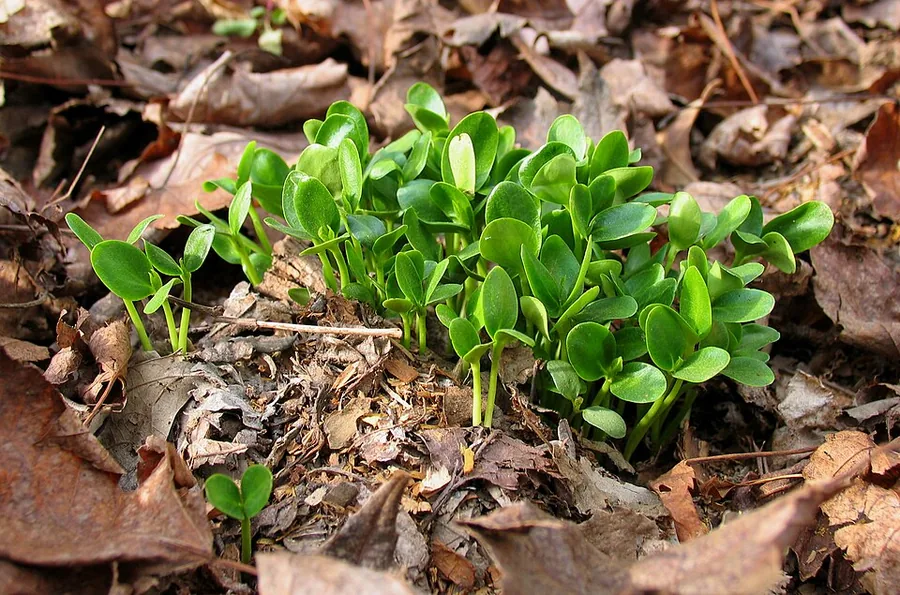
Overview
The Osage orange is the tree that fenced the prairie, and it's a forgiving one to grow. Long before barbed wire, farmers tucked the seedlings into tight rows and clipped them into a living wall that was, as the old saying went, horse-high, bull-strong, and hog-tight. It belongs to the mulberry family, and those same stout thorns that made such a good fence still guard its lower branches today.
Most people know it now for the fruit, and it's hard to miss. Each fall the female trees drop heavy, yellow-green, brain-textured globes about the size of a grapefruit, the beloved hedge apples. They aren't an orange and you wouldn't want to eat one, but you'll never forget the first time you step on one. The little green flowers that make them slip by almost unseen in early summer.
As a tree to tend, it truly asks for next to nothing, so a nervous first-timer can breathe easy. It shrugs off drought, poor ground, clay, salt, and hard cold, grows fast, and carries some of the most rot-resistant wood in North America. The only real trade-off is the thorns and the fruit litter, which is why most trees planted on purpose are thornless, fruitless male cultivars.
Care
The short version: give it full sun and just about any soil, keep it watered while it's young, and then let it look after itself. Once its roots go down, this is a tree that quietly thrives on being left alone.
Light
Give it full sun and you'll be rewarded with the best shape and the fullest growth. It will happily put up with partial sun or light shade, but a tree out in the open fills in nicely and, curiously, saves the worst of its thorns for its sunlit branches.
Water
Water young trees while they settle their roots, and then you can ease off. Once it's established it's deeply drought tolerant and handles dry and wet ground alike, so a long gap between waterings, anywhere from a week to three, won't trouble it at all.
Soil
This is where it truly shines and where you can relax. It accepts poor, dry, clay, sandy, shallow rocky, and even alkaline ground, coping with a pH from 6.0 to 8.5, though it grows fastest for you on rich, moist, well-drained bottomland.
Temperature
Cold and heat hardly faze it, which takes a lot of pressure off. The tree carries on through winters down to about -29°F (-34°C) and summers near 100°F (38°C), and that steady toughness is much of why it's so dependable across the middle of the country.
Humidity
Plain outdoor air suits it just fine, and there's no number for you to fuss over. It grows across a wide sweep of climates without any care at all for how moist the air is.
Feeding
It seldom asks to be fed, so you can skip the fertilizer with a clear conscience. Only reach for it if growth has clearly stalled, and then a single balanced slow-release feed in spring is all it needs.
Pruning
Prune from late winter into the dormant season to clear out dead, crossing, or low thorny limbs and to shape the crown. Wear gloves and eye protection each time, because the thorns are stout and the latex sap can irritate, and that small habit keeps the job easy.
Repotting
It rarely stays in a pot for long, so don't worry about repotting cycles. Move a nursery seedling on when roots start circling, escaping the container, or pushing water straight through, and settle it into the ground before it stalls.
Size & spacing
Plan for a big tree, 30 to 60 feet (9 to 18 m) tall with an even wider spread of 35 to 50 feet (11 to 15 m). Give it plenty of open room well clear of buildings, walks, and overhead lines, and it will thank you for the space.
When to plant
Osage orange is a patient project that rewards you for a lifetime, so there's no rush. Start seed in late winter after a soak or a chill, move young trees outside in spring once frost has passed, and enjoy the small greenish flowers in June and the heavy fruit on female trees through September and October.
Northern hemisphere
Southern hemisphere
Typical months for a temperate climate: start earlier in warm zones, later where spring frosts linger.
- Sow: Late winter, after soaking seed 48 hours or cold-stratifying about 30 days.
- Plant: Spring after the last frost, or fall in mild areas.
- Harvest: Insignificant greenish flowers late spring to early summer (June); fruit ripens September to October on female trees.
Hardiness
USDA hardiness zones: 4–9
Temperature: down to -34°C
Troubleshooting
Good news first: this tree hardly ever falls ill, so the little challenges come from the tree itself rather than any disease. Thorns, dropping fruit, and the irritating sap cover nearly every complaint you'll hear. Find what matches your situation below and sort it out early, and it stays a small thing.
Torn sleeves and scratched arms from the tree's stout thorns
The sunny branches wear stout woody thorns up to 1 inch (2.5 cm) long tucked into the leaf axils, and they can catch clothing or skin when you lean in close. There's an easy answer: reach for heavy gloves, eye protection, and thick sleeves before any pruning, and take the low thorny branches off so you brush against fewer of them. For a busy corner of the yard, a thornless male cultivar spares you the trouble.
Fix:
- Wear heavy gloves, eye protection, and thick clothing when pruning
- Prune off low thorny branches to reduce contact
- Use thornless male cultivars in high-traffic areas
Itchy, reddened skin showing up after touching stems or fruit
If your skin turns red or itchy after a session with this tree, the cause is the milky latex sap that seeps from broken stems, leaves, and cut fruit, and it clears up easily. Rinse the spot with soap and water, and try to keep clean hands away from your eyes for a while. A little planning helps too, since long sleeves and gloves keep the sap off your skin from the start.
Fix:
- Wash the area with soap and water
- Wear gloves and long sleeves when handling the plant or fruit
- Avoid touching the eyes or face until hands are washed
A carpet of fallen hedge apples under the tree each autumn
Come autumn, mature female trees let go of dozens of hard, grapefruit-sized fruits that gather under the canopy and can trip you up, so a little tidying keeps things safe. Rake them as they land, and give female trees a comfortable margin away from walks, drives, and parking. If the mess feels like too much, a fruitless male cultivar saves you the chore entirely.
Fix:
- Rake and remove fallen fruit promptly
- Site female trees away from walkways, drives, and parking
- Plant male (fruitless) cultivars where litter is a concern
Toxicity
You can set your worries down here. Osage orange doesn't appear on the ASPCA's toxic lists, and the bitter hedge apple, for all its scary reputation, won't poison a pet, a person, or livestock. The one thing to mind is the milky sap, which can redden and irritate skin or a chewed mouth, and a whole fruit big enough to choke a grazing animal.
Safe for
People · Cats · Dogs · Horses · Rabbits · Livestock · Birds
Cats Safe
Rest easy, because there's no poison here, and a curious cat that swats the fruit around is perfectly fine. The only thing worth a glance is the milky sap, which might leave a chewed mouth or paw a bit sore for a while.
Dogs Safe
Dogs have nothing toxic to fear from this tree at all. The fruit is tough and fibrous, so a whole one gulped by a small dog could get stuck as a blockage, and the sap may nip a mouth that keeps chewing.
Horses Safe
Feeding studies gave the fruit a clean bill of health, and for all the horse apple nickname it does horses no harm. The thing to watch is a whole fruit jamming in the throat, so choking, not poison, is the concern.
Rabbits Safe
Rabbits are safe around this one, since nothing in the leaves or fruit is toxic. The sticky sap can bother a tender mouth, though, so it really isn't a treat worth handing over.
Livestock Safe
The old worry that hedge apples killed cattle proved false once researchers looked into it. Nothing in the fruit poisons anything, yet a whole one can choke a cow that swallows it fast, and the latex may sting the mouth.
Birds Safe
Birds have no poison to worry about from this tree. Most simply leave the dense, hard fruit be.
People Safe
Nothing on this tree can poison you, and the bitter fruit isn't food anyway. Just keep an eye on the milky sap while you cut or handle it, since it can redden and irritate skin or the mouth on contact.
The milky latex sap can cause mild contact dermatitis in some people; wear gloves when pruning or handling fruit. Watch for sharp thorns.
Varieties
Most trees sold for yards are named male clones, chosen to skip the thorns and the fruit, and they make life so much easier. These are the ones to ask for.
White Shield
A male selection that never sets fruit and ranks among the most nearly thornless of the lot, which makes it a gentle, worry-free choice for a tidy yard.
Wichita
A male, thornless, fruitless tree loved as a clean shade tree when you want all the toughness with none of the litter or thorns.
Park
Another male, thornless, fruitless clone picked for planting where dropped fruit would only be a bother.
How to propagate
Few trees are kinder to a beginner who wants more of them. Osage orange grows from seed, cuttings, and root pieces with barely any fuss, though copying a named thornless male does call for grafting.
SeedEasy
Sow in spring after soaking seed in water about 48 hours or cold-stratifying 30 days; historically sown to grow dense hedgerow living fences. · 1-2 growing seasons to a transplantable seedling
Scoop the seeds from the soft fall fruit, then give them a 48 hour soak or chill them for about a month before you sow in spring. Set them in bright light on bare mineral soil and they come up willingly, just as settlers once raised whole living fences from them. Allow one to two seasons and your seedling will be sturdy enough to move.
Stem cuttingsModerate
Take softwood or greenwood cuttings in summer, or hardwood/dormant cuttings in winter. · One growing season to root
You can take soft greenwood cuttings in summer or hardwood cuttings while the tree rests in winter. That dormant winter wood roots with real energy and usually settles in across a single growing season, and a nice bonus is that cuttings from the upper, thornless growth give you thornless young trees.
DivisionModerate
Lift and separate root cuttings or root suckers in the dormant season. · One growing season
This tree sends up suckers and roots readily from pieces of root, so lift and split them while it's dormant. A separated root cutting or sucker will take hold in about one growing season, so patience pays off quickly here.
GraftingDemanding
Chip-bud or graft thornless male clones onto seedling rootstock in the growing season. · 1-2 seasons
Grafting asks the most of you, yet it's the one reliable way to copy a named thornless, fruitless male true to type. Chip-bud or graft the clone onto a seedling rootstock during the growing season, and the union knits over one to two seasons.
Myths
A few hedge apples set out in the house will chase away spiders and other bugs.
It's the most repeated story about the tree, and sadly it just doesn't pan out. Iowa State researchers did find that compounds taken from the fruit can repel insects, but only at concentrations far above what the fruit actually holds. Leave whole hedge apples on the floor and the bugs walk right past them.
The fruit will poison any person or pet who eats it.
The fruit tastes bitter and isn't something anyone eats, which is likely how the rumor got going, but it isn't a poison. Feeding experiments finally settled the old tale of hedge apples killing cattle. The only genuine danger is a whole fruit choking a grazing animal, not any toxin hiding inside it.