Houseplant · Moraceae
Fiddle-leaf Fig
Ficus lyrata
Offer it bright indirect light and one steady home, and your fiddle-leaf fig will thank you with bold, glossy leaves.
Bright indirect
USDA 10–12
2–10 ft · 0.6–3 m
Overview
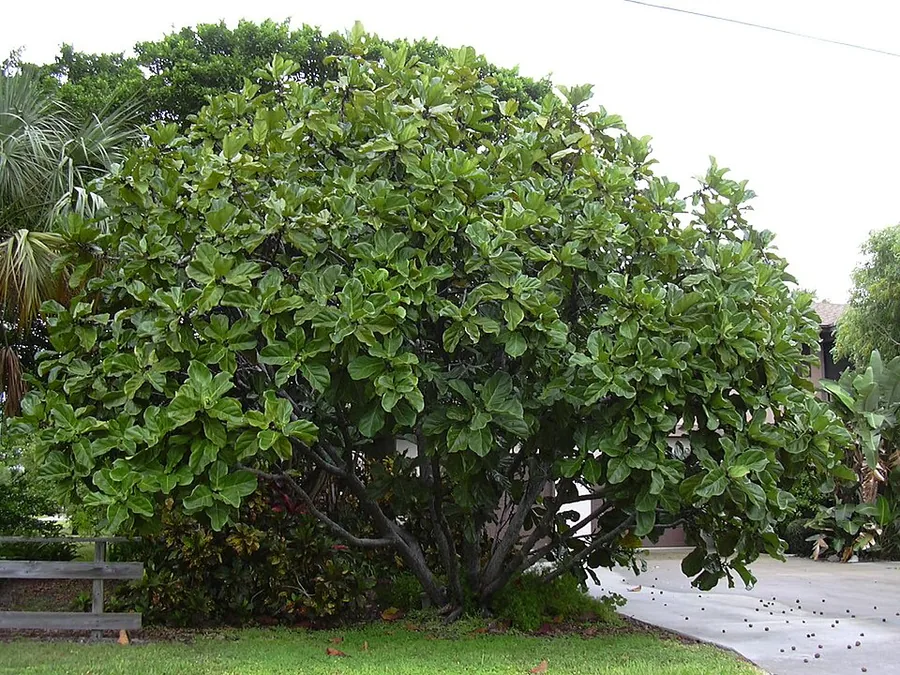
When someone wants one striking plant to anchor a room, the fiddle-leaf fig is often where they land, and it's a wonderful first big houseplant. A member of the fig family, it hails from the warm forests of western and west-central Africa, where it grows up into a genuine tree. Inside your home it stays a tall, upright specimen plant with wide, glossy leaves shaped like a violin.
Don't let the fussy reputation put you off, because the truth is far gentler. This plant asks for little, as long as you give it consistency: the same bright corner, a watering rhythm it can count on, and no surprise moves or cold drafts. Hit those notes and it forgives plenty of small slips. Shuffle it around or let watering go all over the place and it tells you with brown spots and a few dropped leaves, both of which you can put right.
Cared for well, it grows from a tabletop size toward the ceiling across a handful of years, reaching 2 to 10 feet (60 cm to 3 m) indoors. The one thing to mind alongside that lovely height is the milky sap, which can irritate skin and isn't safe for animals, so it does best in a spot that's out of reach of cats, dogs, and children.
Care
The short version: bright indirect light, a watering rhythm you keep even by letting the top few centimeters dry first, a fast-draining acidic potting mix, and one warm, draft-free corner where your plant can settle in and feel at home.
Light
Set it in bright indirect light, ideally close to a window where the sun isn't beating straight onto the leaves. It copes with part shade just fine, but strong direct afternoon sun can scorch the foliage, so soften that light or draw the plant back from its hottest reach.
Water
Reach for the watering can once the top few centimeters of soil feel dry, which you can test with a finger about 2 inches down. Your fig dislikes both extremes, so don't let the rootball go fully dry or shrink away from the pot, and don't leave it sitting in water either. Cut back gently as fall slides into winter.
Soil
Pot it in a fast-draining, loamy, acidic mix that holds a little moisture without turning soggy. Shoot for a pH of 6.0 or just below, and always pick a pot with drainage holes so water can pass right through.
Temperature
Keep your plant cozy and warm, above 55°F (12.8°C), and clear of cold windows and drafts. Quick temperature swings are a frequent reason leaves spot or drop, so a calm, steady indoor spot really is its happy place.
Humidity
Everyday household humidity is plenty, so there's no figure to fuss over. A simple wipe of those big leaves now and then helps far more than misting, since dust-free leaves soak up light better.
Feeding
Through spring and summer, treat it weekly to a diluted liquid fertilizer at a 3-1-2 (N-P-K) ratio, stirred into its watering. That extra nitrogen is just right for all those leaves. Once growth eases off for the year, you can stop feeding.
Pruning
Your fiddle-leaf fig handles pruning gracefully, so feel free to trim it for shape or to keep its size in check whenever it suits you. Just wear gloves, since the milky sap that weeps from cut stems can irritate skin.
Repotting
Move it to a bigger pot every 1 to 2 years once it outgrows the old one, though it's perfectly content a touch potbound. The cue to size up is roots peeking through the drainage holes, or soil that dries out fast and starts to pull from the pot's edge.
Size & spacing
24–120 in (61–305 cm) tall
Troubleshooting
Almost every fiddle-leaf fig hiccup turns up on the leaves, and most of it comes back to watering or a recent change around the plant. The good news is that catching the signs early lets you fix the root cause before it travels. Find what matches your plant below, then take it from there.
Brown patches creeping across the foliage
Take a breath, because brown patches almost always mean the roots have stayed too wet, not that your plant is parched. A chilly draft, a heat vent blowing nearby, or watering that lurches from flooded to bone dry can each add to it. Feel the soil, peek at the roots, shift the pot somewhere kinder, and settle on an even watering habit before you pour another drop.
Fix:
- Let the soil dry appropriately and confirm the pot drains freely
- Move the plant away from drafts, vents, and cold windows
- Re-establish a consistent watering routine; trim rotted roots if root rot is present
Leaves letting go and falling
When a fiddle-leaf fig loses leaves, it is simply reacting to a change it didn't like, and that is fixable. Uneven watering leads the list of reasons, though a cold draft, a quick chill, or even just shifting the pot to a fresh corner can set off a drop. Choose one comfortable home for it and water on a steady schedule, and you'll watch it calm right down.
Fix:
- Keep watering consistent
- Avoid moving the plant once it is settled
- Protect from cold drafts and hot/dry air from vents
Stickiness, fine webbing, or tiny insects on the leaves
Figs grown indoors sometimes attract little sap-feeding bugs, including scale, aphids, mealybugs, thrips, and spider mites, and that last one is fond of dusty leaves and dry rooms. Flip the foliage over and hunt for insects, delicate webbing, or a tacky honeydew sheen. None of this is the end of your plant: wipe and rinse the leaves, treat with insecticidal soap or horticultural oil, and keep this fig away from your other plants until things calm down.
Fix:
- Wipe leaves and rinse foliage
- Treat with insecticidal soap or horticultural oil as directed
- Isolate the plant until the infestation is controlled
Faded, sunburned marks on leaves facing the window
Washed-out, crisped marks are a sign of leaf scorch, which is just too much direct sun reaching the foliage. You can spot it easily: the harm sits on the side turned toward the glass and looks worst after a long blast of afternoon light. Ease the plant back into gentle, bright indirect light or block the fiercest rays, and the leaves that follow will arrive healthy.
Fix:
- Move to bright indirect light
- Shield from direct afternoon sun
Large leaves turning dull and grayish with dust
Those wide leaves gather dust easily, and a heavy coating gets in the way of the light your plant relies on and slows its breathing. The clue is a flat, grayish sheen where there used to be shine. Give the tops and undersides a gentle going-over with a damp cloth, and the gloss comes right back.
Fix:
- Wipe the top and bottom of the leaves with a damp cloth or paper towel
Toxicity
Keep this one happily out of reach of curious pets. Every part holds a milky sap carrying the enzyme ficin, which upsets the mouth and stomach of cats, dogs, and other animals and brings on drooling and vomiting if it's chewed. That same sap can sting human skin, and no part is meant to be eaten, so handle it with gloves and give it a home away from animals and little ones.
Toxic to
Cats · Dogs · Horses · Rabbits · Livestock · Birds · People
Cats Toxic
If a cat takes a bite of a leaf, its mouth turns sore and irritated, it drools a great deal, and vomiting tends to follow shortly. Where the milky sap touches the skin, it can leave a red, inflamed patch.
Dogs Toxic
After a dog chews the foliage, look for an upset mouth and stomach, plenty of drooling, and vomiting. Any sap left on the muzzle or paws can make the skin sore and inflamed.
Horses Toxic
That same ficin-rich latex bothers a horse's mouth and gut, leading to drooling and an unsettled stomach. The safest plan is to keep this plant somewhere a horse can't reach.
Rabbits Toxic
No part of this fig is right for a rabbit to chew. The irritating sap troubles the mouth and digestion, so think of the entire plant as something to keep away from them.
Livestock Toxic
Goats, sheep, and similar grazers can end up with a sore mouth and an upset stomach from the latex. Nothing on this plant is worth that, so keep it out of their reach.
Birds Toxic
The harsh sap isn't safe for pet birds, and even a small nibble can set off a reaction. Keep them well away from both the leaves and any freshly cut stems.
People Caution
There's nothing edible here, and the milky sap can leave skin red, itchy, and sore. Slip on gloves whenever you prune or handle cut stems, and give your hands a wash afterward.
The milky sap (latex) can irritate skin; wear gloves when pruning or handling cut stems
Helpline numbers

United States
ASPCA Animal Poison Control: (888) 426-4435 (fee applies)
Poison Control: (800) 222-1222



Canada
Poison Centres: 1-844-764-7669
Varieties
Most fiddle-leaf figs on the shelf are the plain species, but you'll sometimes meet a few named selections, usually smaller or variegated. These are the handful worth keeping an eye out for.
Bambino
This dwarf form keeps to a fraction of the species' size, so it's the friendly choice if all you have is a tabletop or a snug corner.
Compacta
Reaching about 5 feet with smaller leaves crowded more tightly together, it looks fuller and bushier than the tall, leggy species.
Little Sunshine
A small, variegated pick that growers love for its tidy size and beautifully patterned leaves.
Variegata
Its leaves are marked in green and cream, and because it's seldom stocked, coming across one feels like a lucky discovery.
How to propagate
Here's a happy thought: you can raise a whole new fiddle-leaf fig from the one already in your care, and a stem cutting is how you do it. All it really takes is a little patience and a pair of gloves.
Stem cuttingsModerate
Spring through summer during active growth · Roots over several weeks under warm, humid conditions
Making more fiddle-leaf figs is easier than you'd guess, and a stem cutting is the dependable route. Take one in spring or summer while fresh growth is coming on, keep it warm and humid, and give it time, since roots form over several weeks. Put your gloves on before you start, because the milky sap can sting bare skin.
Myths
Fiddle-leaf figs are nearly impossible houseplants to keep alive.
The scary stories are bigger than the plant deserves. It may look high-maintenance, yet steady light, gentle watering, and one home it can stay in cover most of what it needs. Offer those few things and it grows along happily, no drama required.
Brown spots on the leaves always mean the plant is thirsty.
Reaching for the watering can is usually a mistake here. Brown spots come much more often from soggy roots and rot, or from chilly drafts and shifting temperatures, than from a dry plant. Feel the soil and look at where it sits before you add any more water.