Vegetable · Brassicaceae
Collard Greens
Brassica oleracea (Viridis Group)
A patient, frost-loving leaf crop that goes on feeding you well past the point where everything else has quietly given up for the year.
Full sun
Every 3–7 days
60–80 days
USDA 2–11
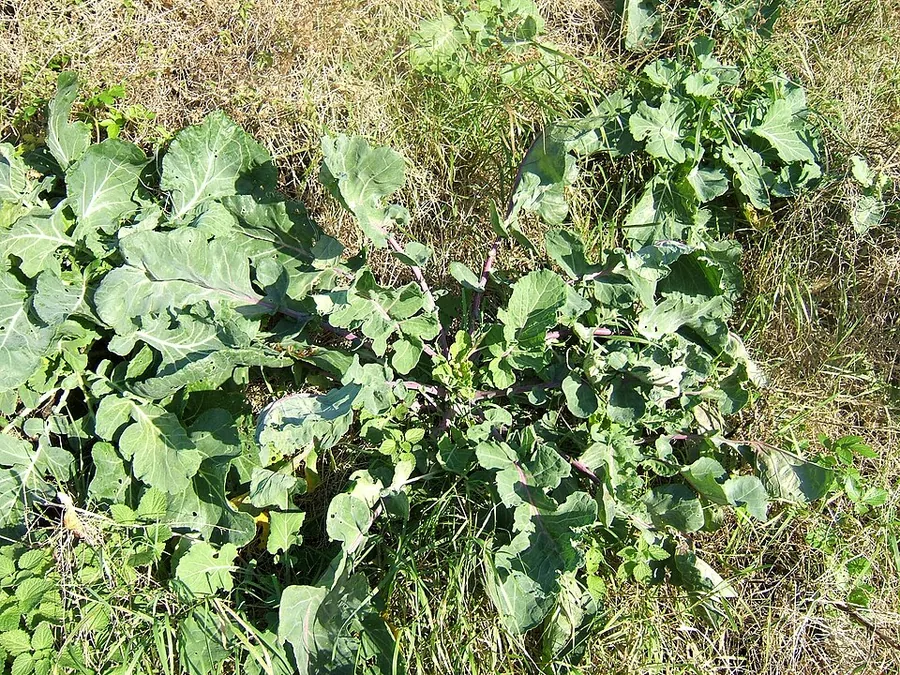
Overview
Picture a cabbage that never bothers to wrap itself into a ball, and you have a collard: broad, slate-toned foliage harvested one handful at a time. Southern cooks and growers have leaned on it for generations, yet a cold northern plot suits it every bit as well. No other member of this clan brushes aside a hard late-autumn chill the way a collard does, which is part of why it makes such a steadying first crop.
Their real gift to a beginner is patience. Bright sun is ideal, dappled shade is accepted, and clay, loam, or sand all become workable ground once a little compost goes in. Beyond even watering and a modest feed of nitrogen, they ask almost nothing. Take the older, lower leaves once each has grown big enough to bother with, and the crown keeps answering with fresh growth for month upon month.
Save the best for cold weather. Rather than wounding a grown plant, a frost draws a quiet sweetness up into the foliage and lifts its flavor higher. Long after the squash and beans have surrendered, you can still be carrying leaves indoors, and few things build a new gardener's nerve quite like a crop that keeps giving when winter has all but arrived.
Care
The short version: a sunny spot suits them best, but they forgive a little shade. Give rich soil that drains yet holds moisture, watering to about an inch each week, add some nitrogen as they grow, allow about 18 inches per plant, and harvest from the bottom up. Mistakes here are gentle ones.
Light
Open sky and full sun give you the fastest, fullest leaves, yet a partly shaded corner is no disaster, and in a sweltering climate that bit of relief actually suits a crop grown for its foliage. Offer the brightest spot you reasonably can, and let go of any worry that it has to be flawless.
Water
Aim for soil that stays steadily damp, the equivalent of about an inch a week, soaking down a good 6 inches rather than just wetting the surface. Run the hose in the morning so foliage dries off before dark and disease finds no opening. Quick-draining sandy beds will call for it more often, and the stretches that matter most are establishment and, later, the swelling of the mature crop.
Soil
They are happiest in crumbly, organic-rich ground that drains freely, though clay or sand will do the job once you have folded in compost. Keep the acidity moderate, ideally 6.0 to 7.5, sitting close to neutral, and you get a quiet bonus: that range makes clubroot far less likely to take.
Temperature
Few crops are this relaxed about the thermometer, settling in anywhere from roughly 23°F to 86°F (-5°C to 30°C). A grown plant meets frost, and even a light freeze, without flinching, and that nip of cold is the very thing that sugars the leaves, so a cold front in the forecast is genuinely good news rather than cause for alarm.
Humidity
No target to fuss over here, since whatever moisture the open air holds will serve them. The thing that really earns attention is the breeze: leaves crammed together in still, clammy air are the ones that fall to disease, which is exactly why spacing them out and watering low at the soil are worth the small effort.
Feeding
Begin by mixing a preplant fertilizer in, guided by a soil test, and then come back with a nitrogen side-dressing, calcium nitrate for instance, somewhere around 3 to 4 weeks past planting, repeating it a single time. Steady food means a steady run of leaves, though a gentle touch serves you well, because the tender flush that heavy feeding forces is precisely the kind of thing aphids find irresistible.
Pruning
You can skip the shears entirely; there is nothing here that needs trimming. Just take the lower leaves as they grow big enough to use, and a steady supply of new growth keeps rising from the center, or lift the entire thing once it matures. The one small chore is plucking off any leaf that yellows or sickens near the base, and doing it sooner rather than later.
Size & spacing
Expect a mature plant of 2 to 4 feet (60 to 120 cm) in height and 12 to 24 inches (30 to 60 cm) side to side. Allowing somewhere near 18 inches of room each gives the air a clear path through the row and starves leaf disease of the close, stagnant pockets it favors.
When to plant
Because this crop runs on cool weather, you get two unhurried windows each year. The first opens in early spring, as soon as a fork goes into the ground without a fight. The second comes in midsummer, setting you up for autumn and the first stretch of winter. That later sowing tends to be the favorite, since the cold that arrives behind it only deepens the flavor, so plant it knowing the weather is on your side.
Northern hemisphere
Southern hemisphere
Typical months for a temperate climate: start earlier in warm zones, later where spring frosts linger.
- Sow: 6-8 weeks before the spring transplant date; sow indoors again in early summer (June) for a fall crop
- Plant: early spring as soon as soil can be worked for a spring crop; mid- to late summer for a fall and early-winter crop
- Harvest: harvest leaves 60-80 days from seeding; flavor sweetens after light fall frosts, and mature plants withstand frosts and light to medium freezes
Hardiness
USDA hardiness zones: 2–11
Temperature: down to -46°C
Troubleshooting
Almost everything that goes sideways with a collard is one of two stories: chewing pests up top, or trouble brewing below ground among the roots. The encouraging part is that nearly all of it can be turned around. Lift a few leaves once a week, watch the posture of the plant, and you will spot trouble early. Read the matching entry below and act while it still counts.
Yellow wedges marching inward from the edge of the leaf
Yellow triangles edged with blackened veins are the calling card of black rot, a bacterial infection that no spray will reverse once it has settled in, though prompt action still spares the rest of the planting. Lift out every sick plant along with the litter around it, and stay clear of the planting whenever the foliage is wet so you are not ferrying it from plant to plant. Begin clean next round: certified disease-free seed, low morning watering, and a long break from brassicas in that ground for several years.
Fix:
- Remove and destroy infected plants and debris
- Avoid working among wet plants
- There is no cure once infection is established
Plants drooping under warm sun while the ground beneath stays soaked
If a plant flags and sulks while the soil around it is clearly wet, ease one out of the ground and study the roots; knobby, club-like swellings there confirm clubroot. Those mangled roots can no longer pull water up, which is why the top wilts. Take out the offender entirely, roots included, and bin it rather than letting it near the compost heap. Then give that ground a long rest from brassicas, at least four years, and nudge the pH toward neutral, since the trouble clings on in sour soil.
Fix:
- Remove and destroy infected plants including roots
- Do not compost infected material
- Do not replant brassicas in the affected bed
Holes torn through the foliage, with tiny green droppings scattered about
Spot ragged holes and specks of green frass, and you are looking at one of three green caterpillars: the imported cabbageworms, the cabbage loopers, or the diamondback moth larvae. Take comfort, because they yield easily. Squash or remove any you find, then mist Bacillus thuringiensis over the foliage to mop up the stragglers. Best of all is prevention: drape a floating row cover the day you plant, shutting out the white butterflies and little gray moths before a single egg gets laid.
Fix:
- Handpick caterpillars
- Apply Bacillus thuringiensis (Bt) to foliage
- Cover plants with floating row cover at planting to exclude egg-laying adults
New growth that has gone twisted, crinkled, and tacky underfoot
Twisted, gummy foliage with little soft insects packed along the leaf backs and into the crinkled new tips is the signature of aphids, busy drinking sap. They are among the easiest pests to be rid of. A firm spray of water dislodges the bulk of them, and a follow-up with insecticidal soap finishes the job, provided you wet those hidden undersides thoroughly. Hold off on heavy nitrogen as well, because the lush, hurried growth it triggers is the very thing that calls them in.
Fix:
- Dislodge with a strong stream of water
- Apply insecticidal soap, thoroughly covering leaf undersides
- Remove heavily infested leaves
A tall stalk rises and the flavor of the leaves drops away
What you are seeing is bolting: the crop has dropped leaf-making to rush into flower, and it says nothing about how well you tended it. Two things set it off: a young plant pushed through a drawn-out chill and then hit with warmth, or an overwintered one simply arriving at its natural second year. Once that stalk climbs there is no calling it back, so gather the leaves still worth eating and start a new sowing. For springtime, choose cultivars that resist bolting and hold transplants back until the lingering cold has truly broken.
Fix:
- Harvest remaining usable leaves promptly
- Remove the plant and resow for the next season
Toxicity
Here is a worry you can simply set down. This is food, plain and wholesome, with no toxic principle to speak of, and pet poison authorities such as the ASPCA leave it off their danger lists entirely. A bed of collards is fine company for kids, for the dog and cat, and for whatever creatures share the yard. The single asterisk is the goitrogens every cabbage relative carries, and those only register at enormous raw doses, fading away the moment the leaves meet heat.
Safe for
People · Cats · Dogs · Horses · Rabbits · Livestock · Birds
Cats Safe
Nothing in a collard will poison a cat; it sits firmly on the safe side of the ASPCA's lists. A curious nibble does no harm whatsoever, although, as with any pile of greens, an overgenerous mouthful might leave a tummy briefly unsettled.
Dogs Safe
Dogs face no toxin in these leaves at all. Cooked simply, they even find their way into a few home-prepared dog dinners. The lone caveat is a touch of wind or a looser-than-usual stool should a dog bolt down a big serving of the raw stuff.
Horses Safe
A horse comes to no harm grazing collards. Echoing the rest of the cabbage clan, the sensible course is to keep portions moderate, sparing the animal the gassy discomfort that a heavy helping of these greens can bring.
Rabbits Safe
These leaves agree beautifully with rabbits and feature regularly in a balanced spread of fresh greens for them. As always with anything unfamiliar, work it in gradually and serve it as one item among several rather than the whole meal.
Livestock Safe
Cattle, sheep, and goats take to collards as a grazing crop with no poisoning to fear. The one wrinkle is that a sudden glut of rich brassica can leave them bloated, so bring them onto it by degrees.
Birds Safe
Poultry and other birds will set to work on collard foliage with real enthusiasm, and it stands in as a wholesome snack. Dangle a whole leaf or scatter it in small pieces and let them pick away across the day.
People Safe
For people this is simply dinner, fine eaten raw or cooked and harmless to the whole household. The familiar brassica goitrogens ride along, but they only come into play at enormous raw volumes and dissolve away with cooking.
No special handling precautions. Like other brassicas, collards contain goitrogenic compounds, a minor dietary note at very high raw intake rather than a poisoning risk.
Varieties
What you find offered ranges from time-tested Southern heirlooms to fresh hybrids selected for holding up to cold and resisting bolt. None of them will punish a first-time grower. Below are the ones most likely to greet you from a seed rack.
Georgia Southern
An old, heat-shrugging Southern favorite that skips heading altogether and simply pours out big, open, loose-leaved growth.
Vates
A neat, dependable heirloom that resists running to seed, valued for its tidy form and smooth, blue-green foliage.
Morris Heading
A cabbage-collard heirloom whose tender leaves bunch themselves into a soft, loose head instead of fanning out flat.
Champion
A refined take on the Vates line, selected for tougher cold endurance and a firmer hold against bolting.
Blue Max
A heavy cropper of a hybrid, its blue-green leaves deeply puckered with savoy.
Top Bunch
A quick, uniform hybrid shaped for picking leaf by leaf, again and again, across the whole season.
Companions
Collards do best kept well away from their cabbage-family relatives, which trade the same pests and soil diseases back and forth.
Keep apart
other brassicas (cabbage, broccoli, kale, Brussels sprouts): They share the same pests and soilborne diseases such as clubroot; extension guidance is to avoid planting collards where any brassica-family crop has grown within the past four years
How to propagate
There is one route here, and it could hardly be friendlier: start from seed. Drop it right where the plants will live, or nurse a handful along indoors before moving them out. Either way works, and both are kind to a beginner.
SeedEasy
Direct sow in early spring or in midsummer for a fall crop; or start indoors 6-8 weeks before transplanting · Germinates in about 5-10 days in cool soil; transplant-ready in 4-6 weeks
Seed is the whole story, and it forgives a beginner readily. Scatter it directly where the row will stand, in early spring or in the heat of summer for an autumn picking, or coax seedlings along indoors a good 6 to 8 weeks ahead of setting them out. Bury each one shallowly, somewhere around a quarter to half an inch, and in cool ground green tips break the surface in 5 to 10 days, fit to move on in 4 to 6 weeks. Start them close, near 6 inches apart, and as they jostle, harvest the surplus young plants for the kitchen until the keepers stand roughly 18 inches from one another.
Myths
Collards belong to the South alone and stand no chance up north.
Of the whole cabbage tribe, this is the one that endures the deepest late-autumn cold, so a northern plot is no barrier in the slightest. Growers up in Illinois and Minnesota raise fine crops, plucking leaves well after the season's earliest frosts have shut everything else down.
Frost ruins collard greens.
The truth runs the other way, which is a happy thing to learn early on. A grown plant takes frost, and even moderate freezes, in good order, and the arrival of real cold draws out a sweeter, finer taste in the leaves.