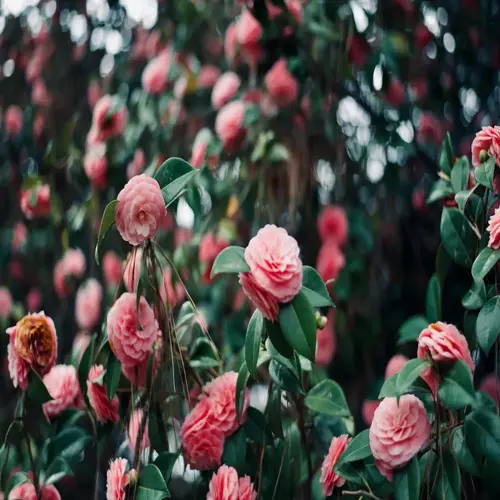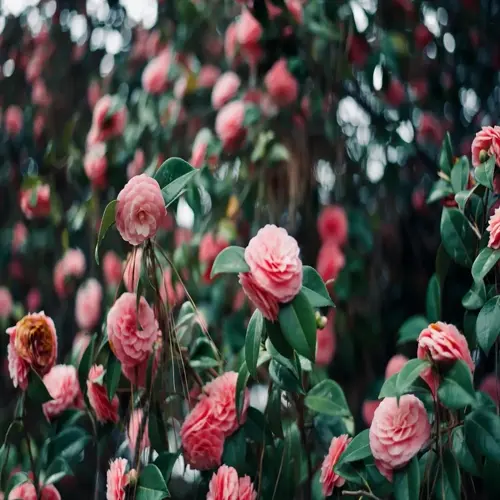

The true catawba rhododendron color falls in the lilac-purple to magenta range. You will also see green or yellow-orange speckles inside the throat of each flower. This bold purple tone makes Catawba one of the showiest native shrubs in all of North America when it blooms in late May and early June.
I saw my first big drift of purple rhododendron flowers on a hike along the Blue Ridge Parkway one June morning. The plants covered a whole slope in waves of purple. Some leaned toward deep magenta in the shade. Others showed a cooler blue-lilac tone where sun hit the petals. No two plants looked the same shade. I also noticed the flowers changed as they aged. They opened dark and faded lighter over the course of a week.
Each bloom on your plant runs about 2.5 inches (6.4 cm) across with a funnel shape that flares open at the mouth. These flowers form tight round clusters called trusses. Each truss reaches 5 to 6 inches wide per UConn's Plant Database. A single truss can pack 15 to 20 blooms into one ball of color. The petals feel waxy and hold up well in rain. That gives you a longer show than most thin-petaled types.
Breeders have pushed the rhododendron bloom colors well past the original purple. Here is how the most popular types compare so you can pick the right shade for your garden.
The light around your plant changes how the flowers look more than you might think. Morning sun brings out the cool blue tones in the purple petals. Warm afternoon light shifts the same flower toward magenta or red. Cloudy days make the color look deeper and richer. A friend of mine planted one Catawba in morning shade and another in afternoon sun. The same exact type looked like two different colors depending on which plant you stood next to.
If you want to see true colors before you buy, visit a nursery or garden during bloom season in late May. Photos on screens and in catalogs often get the shade wrong. Buy your plant in bloom if you can so you know the exact hue you are bringing home. Ask the staff which direction the display plants face since that affects how the color reads to your eye.
You can create a richer display by mixing 2 to 3 color types in one bed. A deep purple next to a lavender-pink creates contrast that makes both pop. Add a white Album for a cool accent that ties the warmer tones together. Play with spacing so the colors blend at the edges where the canopies meet. Your whole bed will look more alive than a single block of one color ever could.
I tested this myself by planting Roseum Elegans next to the straight purple species in my front border. The warm pink-lilac of Roseum plays off the cooler true purple in a way that draws the eye across the bed. Visitors always comment on how the two shades work together during peak bloom in late May. You get that same effect with any two types that sit on opposite ends of the catawba rhododendron color range.
One last thing to keep in mind is that your soil can shift flower color by a small amount. Plants in more acidic soil tend to show slightly bluer tones in their purple blooms. Those in less acidic ground may lean a touch more pink. The shift is subtle but real. Test your soil pH and you will know which way your flower color may lean once your plant settles in and starts blooming.
Read the full article: Catawba Rhododendron Care Guide