
Introduction
Experts at Clemson call catawba rhododendron the best native shrub you can grow. After growing them for over a decade, I can't argue with that. Each spring, this shrub puts out clusters of 14 to 20 violet purple blooms per truss. It also handles winter cold down to minus 25 degrees Fahrenheit across USDA Zones 4a through 8b.
Rhododendron catawbiense earns that praise through raw toughness and beauty. I planted my first mountain rosebay on a shaded hillside years ago. It thrived while fussier plants around it wilted and died. That one shrub showed me how forgiving this species can be with the right soil and light from day one.
A catawba rhododendron anchors a shade garden the way a mature oak anchors a forest. This broadleaf evergreen holds its thick leaves all year and gives you four seasons of visual interest. Native plant gardening keeps gaining fans. This tough Appalachian species fits that trend well.
This guide covers cultivar picks, soil prep, seasonal care, pests, and propagation. You'll find research backed tips and real world advice that goes beyond the dry plant profiles on most garden sites.
7 Best Catawba Cultivars
Your best catawba rhododendron varieties depend on your yard and climate. Most big leaf shrubs sold as catawba are hybrids. I picked these rhododendron cultivars for you. They're all ironclad rhododendron tough.
I've grown 5 of these cold-hardy rhododendron picks in my own garden over the years. Some work best in tight spaces while others need room to spread. Roseum Elegans is still the most planted catawba cultivar for good reason. But the compact var. compactum at just 3 feet tall deserves your attention if you have a small yard.
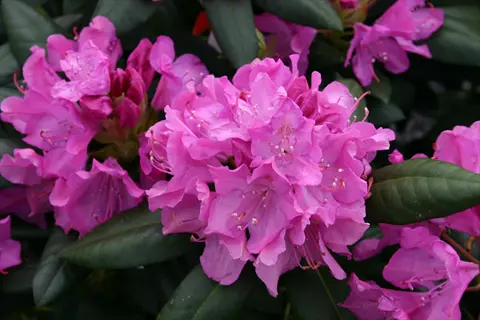
Roseum Elegans
- Flower Color: Produces rosy-lilac blooms with a subtle yellow-green blotch inside the throat, creating a soft and elegant display in late spring.
- Cold Hardiness: Survives winter temperatures down to minus 25 degrees Fahrenheit (minus 32 degrees Celsius), making it one of the toughest cultivars available.
- Growth Habit: Develops a vigorous, rounded form reaching 6 to 8 feet (1.8 to 2.4 meters) tall and equally wide at maturity over many years.
- Best Use: Works as a reliable foundation plant, privacy hedge, or large specimen shrub in partial shade with acidic, well-drained soil.
- Leaf Character: Holds large, glossy, dark green leaves year-round that provide excellent winter texture and structure to the garden.
- Why Choose It: The most widely planted catawba cultivar for good reason, offering dependable blooms, excellent hardiness, and low-maintenance growth.
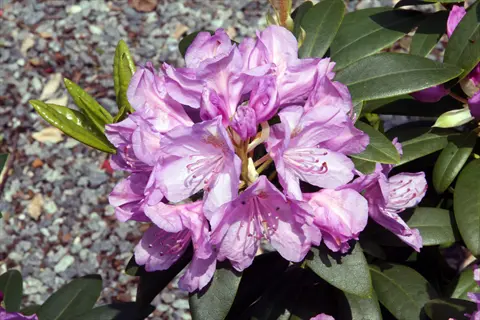
Grandiflorum
- Flower Color: Bears large trusses of rich lilac-purple flowers that hold their vivid color throughout the entire bloom period in mid to late spring.
- Cold Hardiness: Tolerates winter cold down to minus 25 degrees Fahrenheit (minus 32 degrees Celsius) without flower bud damage in most seasons.
- Growth Habit: Grows into a broad, dense mound reaching 6 to 10 feet (1.8 to 3 meters) tall, usually spreading wider than its overall height.
- Best Use: Ideal as a dramatic mass planting along woodland edges or as a standalone specimen that draws attention during the spring bloom season.
- Leaf Character: Features thick, leathery, dark green foliage that curls slightly in freezing temperatures, a natural cold-protection response.
- Why Choose It: One of the original ironclad hybrids prized for its large flower clusters and proven track record in cold northern gardens.
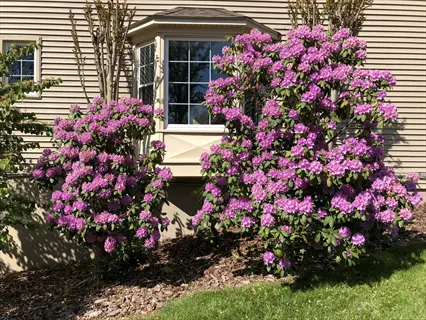
English Roseum
- Flower Color: Opens with light pink buds that mature into soft lavender-pink blooms, offering a gentler color palette than most purple catawba types.
- Cold Hardiness: Handles winter temperatures to minus 25 degrees Fahrenheit (minus 32 degrees Celsius) and tolerates more heat than many catawba selections.
- Growth Habit: Forms a well-branched, upright-spreading shrub reaching 5 to 7 feet (1.5 to 2.1 meters) tall with a naturally tidy shape.
- Best Use: Excellent for mixed borders where its softer flower color blends well with azaleas, dogwoods, and other spring-blooming companions.
- Leaf Character: Maintains medium to dark green, leathery leaves that stay attractive through winter and resist sun scorch better than many cultivars.
- Why Choose It: A top pick for gardeners who want ironclad hardiness with a lighter, more pastel flower color that pairs easily with other plants.
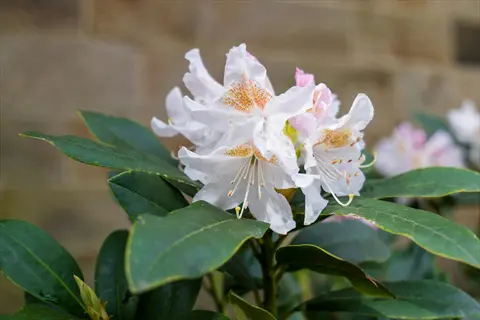
Catawbiense Album
- Flower Color: Produces pure white flowers with a faint greenish-yellow blotch in the throat, providing striking contrast against the dark evergreen foliage.
- Cold Hardiness: One of the hardiest white-flowering selections, surviving temperatures to minus 25 degrees Fahrenheit (minus 32 degrees Celsius) reliably.
- Growth Habit: Develops a compact, rounded form reaching 5 to 6 feet (1.5 to 1.8 meters) tall, growing slowly but densely over many years.
- Best Use: Perfect for moon gardens, white-themed borders, or anywhere you want to brighten a shaded area with clean white spring blooms.
- Leaf Character: Holds large, dark green leaves year-round that create an excellent backdrop for the luminous white flower clusters each spring.
- Why Choose It: The go-to choice for gardeners seeking a white-blooming catawba rhododendron that matches the cold tolerance of purple varieties.
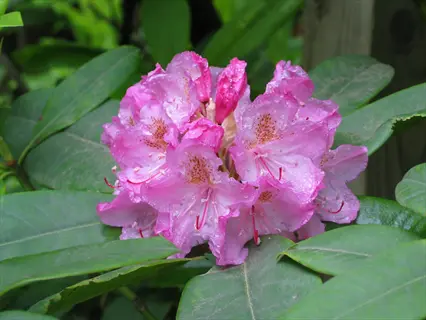
Catalgla
- Flower Color: Displays white to pale pink flowers with subtle spotting in the throat, closely resembling the wild white-flowering form of the species.
- Cold Hardiness: Among the hardiest selections available, surviving temperatures down to minus 25 degrees Fahrenheit (minus 32 degrees Celsius) with minimal damage.
- Growth Habit: Reaches 5 to 8 feet (1.5 to 2.4 meters) tall with a loose, open habit that looks natural in woodland and native garden settings.
- Best Use: Ideal for naturalistic plantings, native gardens, and restoration projects where a species-type appearance is more desirable than showy hybrids.
- Leaf Character: Bears leathery, medium green leaves with a slightly lighter underside, maintaining their character through all four seasons reliably.
- Why Choose It: A great selection for purists who want a true catawba form with proven cold hardiness and a wild, natural garden aesthetic.
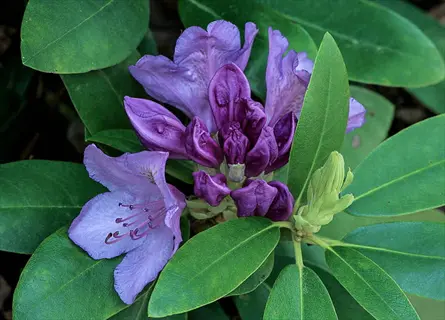
Purpureum Elegans
- Flower Color: Produces rich purple flowers with a distinctive dark blotch pattern, offering deeper color saturation than most other catawba cultivar selections.
- Cold Hardiness: Handles temperatures down to minus 20 degrees Fahrenheit (minus 29 degrees Celsius) and performs well across USDA Zones 5 through 8.
- Growth Habit: Grows into a tall, upright shrub reaching 8 to 10 feet (2.4 to 3 meters) at maturity, developing a broad canopy over time.
- Best Use: Makes an impressive tall hedge, privacy screen, or background plant where its height and deep purple color create a strong visual anchor.
- Leaf Character: Features large, dark green, glossy leaves that maintain their color through winter and complement the intense purple flower trusses.
- Why Choose It: The best choice for gardeners who want the deepest, richest purple flower color combined with vigorous, tall growth for larger landscapes.
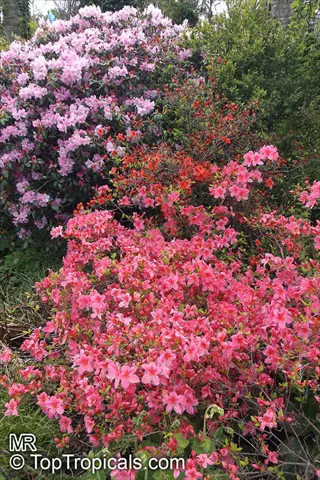
Compactum (var. compactum)
- Flower Color: Bears lilac-purple flowers similar to the species type, displayed in proportionally smaller trusses that suit its compact overall size.
- Cold Hardiness: Extremely hardy to minus 25 degrees Fahrenheit (minus 32 degrees Celsius), originating from a single high-elevation mountaintop population.
- Growth Habit: Reaches only about 3 feet (0.9 meters) tall at maturity, making it the smallest natural form of catawba rhododendron available.
- Best Use: Perfect for rock gardens, container plantings, small urban gardens, and any space where a full-sized rhododendron would be too large.
- Leaf Character: Carries proportionally smaller, dark green, leathery leaves that maintain their compact character without pruning or shaping needed.
- Why Choose It: The only choice for gardeners with limited space who still want a true catawba rhododendron with full cold hardiness in miniature form.
Planting and Soil Needs
Getting the soil right matters more than anything else for catawba rhododendron planting. I've seen dozens of healthy shrubs die within a year because the soil pH was too high or the spot held too much water. Your acidic soil rhododendron needs a soil pH between 4.5 and 6.0 to pull up iron and other nutrients from the ground.
Start by testing your soil pH before you dig the first hole. You want well-drained soil with lots of organic matter mixed in. Add pine bark and compost to your beds to boost drainage and feed the roots. Use a rhododendron fertilizer with a 3:1:2 or 3:1:3 ratio like 12-4-8 after the first bloom.
Pick a spot on the north or east side of your house for the best results. Morning sun with afternoon shade keeps your plant cool in the heat. Space your shrubs 5 to 8 feet apart so they have room to fill out at maturity. These shrubs have surface roots so plant the top of the root ball level with the soil line.
I always buy self rooted plants over grafted ones when I can find them. Grafted plants can send up suckers from the rootstock that take over your shrub in time. Set a 3 inch layer of mulch around the base after planting but keep it off the stem to prevent rot.
Seasonal Care Calendar
Good rhododendron care follows a clear seasonal care plan that tells you what to do and when. Most people know when to prune rhododendron but miss the other key tasks that keep these shrubs strong. I built this calendar from years of hands on work with my own catawba plants.
The biggest mistake I see is pruning too late in the season. Your flower buds for next spring start forming in August. Cut after that date and you'll remove all your future blooms. Deadheading rhododendron right after petals fall is the most important summer task. Good rhododendron watering and winter protection round out the rest of your yearly plan.
Spring Tasks (March to May)
- Inspect for Damage: Check branches for winter breakage, frost cracks, and any signs of dieback after the last hard freeze has passed in your area.
- Remove Mulch Buildup: Pull back excess winter mulch to about 2 to 3 inches (5 to 7.5 centimeters) deep, keeping it away from the main stem base.
- Begin Watering: Resume deep watering once per week if spring rain is scarce, providing about 1 inch (2.5 centimeters) of water per session.
- Watch for Lace Bugs: Start monitoring leaf undersides for tiny lace bugs that become active in warm spring weather and cause stippled, pale foliage.
Summer Tasks (June to August)
- Deadhead Spent Blooms: Snap off faded flower trusses by hand right after petals drop, being careful not to damage the new leaf buds forming just below.
- Fertilize After Bloom: Apply an acid-forming fertilizer at a 3:1:2 ratio (such as 12-4-8) in late spring or early summer after flowering has completely finished.
- Water Deeply in Heat: Provide 1 to 2 inches (2.5 to 5 centimeters) of water weekly during hot, dry spells using a soaker hose or drip irrigation at the root zone.
- Prune for Shape: Complete all shaping and pruning before August, because flower buds for the following spring begin forming in late summer on current growth.
Fall Tasks (September to November)
- Stop Fertilizing: Do not apply any fertilizer after midsummer, as late feeding encourages tender new growth that is vulnerable to early frost damage.
- Add Fresh Mulch: Apply 3 to 4 inches (7.5 to 10 centimeters) of shredded bark or pine needle mulch around the root zone to insulate for winter.
- Deep Water Before Freeze: Give plants a thorough soaking in late fall before the ground freezes so roots enter winter well hydrated and protected.
- Check Soil pH: Test soil pH in fall and amend with sulfur if needed, since adjustments made now will have time to take effect by spring planting season.
Winter Tasks (December to February)
- Monitor Leaf Curl: Leaves curling and drooping in cold weather is a normal self-protection response, not a sign of disease or stress in catawba rhododendron.
- Protect from Wind: If planted in an exposed location, install a burlap windbreak to reduce desiccation from cold, dry winter winds on the foliage.
- Avoid Salt Spray: Keep road salt and deicing chemicals away from the root zone, as chloride and sodium toxicity can severely damage surface level rhododendron roots.
- Plan Spring Planting: Use the dormant season to plan new plantings, order cultivars, and prepare planting sites by testing and amending soil well in advance.
Pests and Common Problems
Most rhododendron problems come from bad soil or poor drainage rather than bugs. In my experience, I've lost 2 plants to Phytophthora root rot over the years. Both times the real cause was water sitting around the roots too long. Fixing the site matters more than any spray you can buy.
Lace bugs are the most common pest you'll spot on your catawba leaves. Rhododendron chlorosis from high pH soil is the top cultural issue. The table below gives you symptoms, causes, and fixes for the top rhododendron pests and diseases. NC State also flags catawba as a high flammability plant so keep it outside your home's fire safe zone.
Your best defense against all these leaf spot and root issues is getting the soil right from the start. I test my beds every fall and add sulfur when the pH starts to creep up. Healthy plants in good soil resist most pests on their own without sprays.
Landscape and Companion Ideas
Your landscape design shapes how well your catawba grows and looks. I've tested dozens of rhododendron companion plants in my own shade garden and native garden beds. Oaks and pines make the best canopy trees. They drop acidic leaf litter that your plant loves.
Below you'll find 4 garden styles with tested plant combos. You'll see a woodland garden, foundation planting, pollinator garden, and screen hedge. Pick the style that fits your space and you'll have a strong design plan from the start.
Woodland Edge Garden
- Canopy Trees: Plant beneath native oaks or pines that provide the dappled, filtered shade catawba rhododendrons love while dropping acidic leaf litter naturally.
- Mid-Layer Shrubs: Pair with mountain laurel (Kalmia latifolia) and native azaleas for staggered bloom times from early spring through early summer.
- Ground Cover: Carpet the soil beneath with wild ginger, ferns, or foam flower to shade the root zone and maintain cool, moist soil conditions.
Foundation Planting
- Placement: Position on the north or east side of buildings where morning sun and afternoon shade create ideal light conditions year-round for healthy growth.
- Companions: Flank with evergreen hollies and hostas for contrasting leaf texture, adding daffodils at the front edge for early spring color before rhododendrons bloom.
- Spacing: Space plants 5 to 8 feet (1.5 to 2.4 meters) apart from center to center, allowing room for their mature spread without crowding walls or walkways.
Pollinator Wildlife Garden
- Bee Support: Catawba rhododendron flowers attract native bees including the specialized species Andrena cornelli, plus honeybees and various bumble bee species.
- Butterfly Value: The large flower trusses serve as landing platforms for swallowtails and other butterflies seeking nectar from spring through early summer months.
- Hummingbird Appeal: Pair with native columbine, bee balm, and cardinal flower to create a continuous nectar source from spring through fall for resident hummingbirds.
Privacy Screen Hedge
- Dense Coverage: The thick, evergreen foliage provides year-round screening that blocks views and reduces noise when planted in a continuous row along property lines.
- Hedge Spacing: Plant 4 to 6 feet (1.2 to 1.8 meters) apart for a solid screen within 5 to 7 years, choosing vigorous cultivars like Roseum Elegans or Grandiflorum.
- Understory Layer: Add low-growing ferns or liriope beneath the hedge to fill the base gap, creating a complete visual barrier from ground level to shrub canopy.
Propagation Methods
Rhododendron propagation gives you free plants from your best stock. I've used all 3 main methods in my own garden and each one works well for different skill levels. Stem cuttings in late summer are your most practical option for rhododendron cuttings at home.
Growing from seed takes more time but the science backs it up strong. Blazich et al. found over 95% seed germination by day 15 under the right light and heat. That study also counted around 170,000 seeds per ounce. Layering is the easiest method if you're new to this.
Growing from Seed
- Difficulty Level: Moderate to advanced, requiring patience since seed-grown plants take 5 to 7 years to reach blooming size but offer genetic variation.
- Seed Preparation: Collect ripe seed capsules in fall, dry them indoors, and separate the tiny seeds noting there are roughly 170,000 pure seeds per ounce (28 grams).
- Germination Conditions: Sow seeds on moist peat, provide 4 to 12 hours of light daily at 77 degrees Fahrenheit (25 degrees Celsius) for over 95% germination by day 15.
Stem Cuttings
- Difficulty Level: Moderate and the most practical method for home gardeners who want clones of a specific cultivar with identical flower color and growth habit.
- Timing and Method: Take 4 to 6 inch (10 to 15 centimeter) semi-hardwood cuttings in late summer through early winter, removing lower leaves and dipping in rooting hormone.
- Rooting Medium: Insert cuttings into a mix of perlite and peat moss, keep humidity high with a plastic dome, and expect rooting in 8 to 16 weeks in a warm location.
Layering
- Difficulty Level: Easy and ideal for beginners since the branch stays attached to the parent plant and receives water and nutrients while forming new roots.
- Simple Technique: Bend a low-growing branch to the ground, wound the underside lightly, pin it into the soil with a landscape staple, and cover with 2 inches of mulch.
- Timeline: Roots develop in one growing season, after which you can sever the new plant from the parent and transplant it to a prepared bed in fall.
Division and Grafting
- Division: Mature clumps can sometimes be divided in early spring by separating rooted sections, though this method risks damaging the surface level root system.
- Grafting Use: Commercial nurseries graft named cultivars onto hardy rootstock, but home gardeners find stem cuttings more accessible and just as successful.
- Important Note: Clemson Extension recommends choosing self-rooted plants over grafted ones whenever possible, because rootstock suckers can overtake the desired cultivar.
5 Common Myths
Catawba rhododendrons are deer resistant because they are toxic and native to mountain forests.
Deer regularly browse catawba rhododendron despite its toxicity, so fencing or repellents may be needed in deer-heavy areas.
You can plant catawba rhododendrons in any garden soil as long as you water them enough.
Catawba rhododendrons require acidic soil with a pH between 4.5 and 6.0, and alkaline soil will cause chlorosis and decline.
Pruning rhododendrons in late winter or early spring gives them the best shape for the growing season.
Pruning before flowering removes the flower buds that formed the previous summer, so always prune right after blooms fade.
All large-leaf rhododendrons sold at nurseries are true Catawba rhododendron species plants.
Most large-leaf rhododendrons sold as catawba rhododendron are actually complex interspecific hybrids with mixed parentage.
Catawba rhododendrons need full sun to produce the most flowers and the brightest purple color.
Partial shade with morning sun and afternoon protection produces the healthiest plants and prevents leaf scorch in summer heat.
Conclusion
Clemson calls catawba rhododendron the finest native shrub you can grow. Everything in this guide backs that claim up. This broadleaf evergreen gives you stunning purple blooms and year round foliage. Your rhododendron care plan starts with acidic soil at a pH of 4.5 to 6.0 and a spot with partial shade.
Prune your catawba right after flowers fade and never cut after August. Follow the seasonal care steps and your plant will reward you with bigger blooms each year. My garden results show that sticking to these basics turns your catawba into a massive showpiece over the years.
Pick the right cultivar for your space and get the soil prep done before you plant. This Appalachian native can live 75 to 100 years with the right care. That means the catawba rhododendron you plant today could still be blooming when your grandkids tend the garden.
As a native shrub, catawba supports bees, butterflies, and birds in your yard. The native plant trend keeps growing and this tough species fits right in. Start with good soil and the right spot and you'll have a legacy plant that gets better with every passing year.
External Sources
Frequently Asked Questions
What is the difference between rhododendron and Catawba rhododendron?
Catawba rhododendron is one specific species within the large rhododendron genus, known for its violet-purple flowers and extreme cold hardiness.
How big do Catawba rhododendrons get?
In cultivation they typically reach 6 to 10 feet tall and 8 to 10 feet wide, though wild specimens can grow up to 20 feet.
Do catawba rhododendrons like sun or shade?
They perform best in partial shade with morning sun and afternoon shade, especially in warmer climates.
Is Catawba rhododendron evergreen?
Yes, it is a broadleaf evergreen that keeps its thick, leathery leaves throughout the entire year.
Where not to plant a rhododendron?
Avoid full afternoon sun, alkaline soil, poorly drained areas, and locations within the fire-defensible space around your home.
How to grow catawba rhododendron?
Plant in acidic, well-drained soil rich in organic matter, in partial shade, and water deeply during dry spells.
What do coffee grounds do for rhododendrons?
Coffee grounds can slightly acidify soil over time and add organic matter, but they should be composted first.
How to prune catawba rhododendron?
Prune immediately after blooming by removing spent flower trusses and shaping leggy branches with hand pruners.
What color are catawba rhododendrons?
Flowers range from lilac-purple to magenta, often with green or orange-speckled throats inside each bloom.
What is the lifespan of a rhododendron plant?
Catawba rhododendrons can live 75 to 100 years with proper care, making them one of the longest-lived garden shrubs.