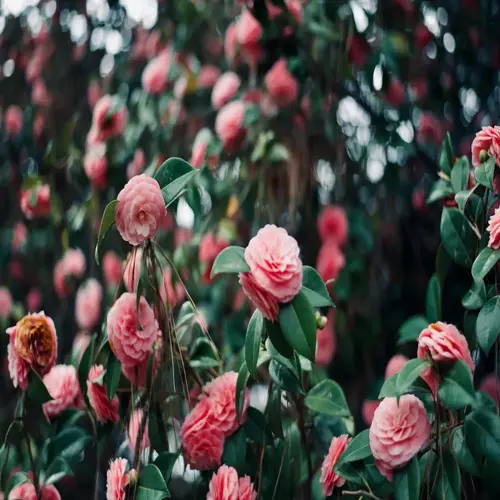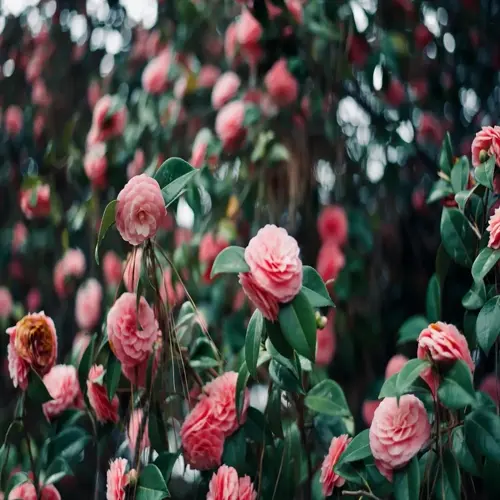

The lifespan of a rhododendron plant varies by type, but Catawba species can live 75 to 100 years with proper care. Some wild plants in the Appalachian coves have made it well past that mark. You are planting something that could outlast your house if you treat it right.
I got a real sense of this age during a trip to a garden in the Blue Ridge region a few years back. The guide showed us Catawba plants put in the ground in the 1940s. They stood over 12 feet tall with trunks as thick as my forearm. Those plants had bloomed every spring for more than 80 years straight. When I first saw them, it hit me that a plant you buy today could still be flowering for the next family who lives in your home.
So how long do rhododendrons live across the different types? Smaller, fast-growing azaleas tend to last 20 to 40 years before they fade. Medium evergreen hybrids often reach 40 to 60 years in good garden soil. Large-leaved species like Catawba and R. maximum push past 100 years. Their slow growth builds dense, tough wood that fights off disease and storm damage. The rule holds true across the plant world: the slower it grows, the longer it lasts.
Clemson data backs this up. Catawba plants reach just 4 to 6 feet after 10 full years of growth. They add only a few inches per season at most. That slow pace means your plant puts energy into building strong cells and deep root networks. It does not waste effort racing upward with soft, weak wood. This trade-off pays off over decades as the plant shrugs off storms and pests that kill faster shrubs.
Four key factors shape rhododendron longevity in your yard. Soil pH tops the list because a reading above 6.0 causes iron shortage that weakens your plant year after year. Drainage ranks second since root rot can kill even a mature plant in one wet season. Light exposure matters because full afternoon sun in warm zones burns leaves and stresses your plant over time. Root zone peace is the fourth factor since digging or heavy foot traffic near the base harms the roots your plant depends on.
Three habits will give your plant its best shot at a long life. First, test your soil pH every 2 to 3 years and add sulfur if it creeps above 5.5. Soil shifts over time from rain and mulch breakdown. Second, keep a 3-inch mulch layer of pine bark or oak leaves over the root zone at all times. This holds moisture in and keeps the roots safe. Third, never dig or till under the canopy once your plant is set in its spot.
I have a rule in my own yard that no one digs within 4 feet of any of my Catawba plants. One year a utility crew trenched too close to a 15-year-old specimen and it took two full seasons to bounce back from the root damage. That one mistake taught me to mark the drip line with small stones so everyone knows where to stop digging.
Think of your plant as a long-term bet on your property. A shrub that costs you $30 to $60 at the nursery today can become a star feature of your yard for the rest of your life. Give it the right soil, protect its roots, and let it grow at its own speed. That patience gives you a plant that looks better with each passing decade instead of fading away like most garden shrubs do.
Read the full article: Catawba Rhododendron Care Guide