Tree · Rutaceae
Mandarin Orange
Citrus reticulata
Give it full sun, free-draining soil, and shelter from hard frost, and this forgiving little tree will thank you with sweet blossom and easy-peel fruit.
Full sun
Every 5–10 days
55–100°F · 13–38°C
USDA 8–11
Overview
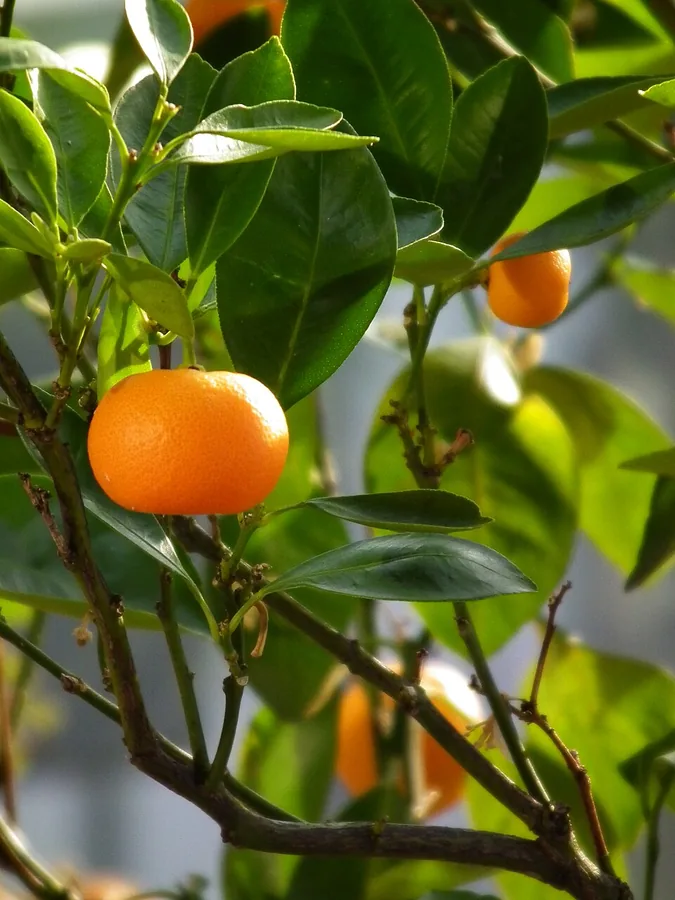
The mandarin is the easy-peel, loose-skinned cousin in the citrus family, and the parent of clementines, satsumas, tangerines, and a long line of hybrids. It came to us from southeast Asia and grows as a small evergreen tree, glossy-leaved all year and covered in fragrant white blossom come early spring. Best of all, the fruit sweetens through fall and winter, so it brightens the garden just when everything else has gone quiet.
You don't need a green thumb to keep one happy, only a little steady attention. Mandarins ask for full sun, well-drained soil, and even moisture, and they'll settle in the ground where winters are mild or in a big pot you can wheel under cover when the cold arrives. Most fruiting mandarins are grafted, which means the variety on the label sits on a tough rootstock that copes with the soil and fends off disease for you.
Cold is the one thing a mandarin truly minds, and just how much depends on the type you choose. Satsuma leads the pack for cold hardiness, riding out brief dips that would floor most citrus, while clementines and the hybrids prefer a warmer, sheltered corner. Match the variety to your winters and you'll find the rest of the growing wonderfully straightforward.
Care
The short version: give it full sun, free-draining soil rich in organic matter, and water that keeps the roots moist without ever leaving them soggy. Feed with a citrus fertilizer through the growing season, prune only a little, and tuck young trees away from hard frost, and you'll do just fine.
Light
Give your mandarin full sun, ideally 8 or more hours a day, and it'll ripen sweet fruit and hold a dense, healthy shape. A little partial sun is fine, but too much shade thins the canopy and shrinks the crop, so err toward the bright spot.
Water
Let the top inch (3 cm) of soil dry before you water again, then water deeply, roughly every 5 to 10 days depending on heat and pot size. Young and container trees drink more often, while settled in-ground trees ride out dry spells but fruit best with even moisture. The one thing to steer clear of is soggy roots, which citrus really can't stand.
Soil
Plant into well-drained sandy loam with plenty of organic matter mixed through. A slightly acidic pH of 6.0 to 6.5 keeps the micronutrients within reach, and good drainage counts for even more than richness, since standing water is what rots the roots.
Temperature
Mandarins are comfortable across a generous range, from about 55°F to 100°F (13°C to 38°C). They do their best growing in warm weather, and hard frost is the real thing to guard against, so choose a cold-hardy type or simply be ready to wrap the tree when the temperature drops.
Humidity
Ordinary household humidity of around 40% to 60% suits them nicely, and there's no need to fuss with misting. Steady airflow through the canopy does far more good than chasing a number, since moving air keeps pests and mold from settling in.
Feeding
Feed from spring through late summer while the tree is putting on active growth, reaching for a citrus fertilizer that carries micronutrients. The magnesium, manganese, iron, and zinc in a citrus blend head off the yellow, blotchy leaves that a plain diet tends to bring on.
Pruning
Keep your pruning light and simple. In late winter to early spring, take out any dead, damaged, or crossing branches along with suckers popping up below the graft union, since those suckers belong to the rootstock rather than your chosen fruit.
Repotting
Shift container trees into a roomier pot every 2 to 3 years, or sooner if roots circle the inside, poke out the drainage holes, or water rushes straight through. Freshen the potting mix while you're at it, and you'll keep growth steady and the leaves a happy green.
Size & spacing
Left to grow, a mandarin becomes a small tree of about 10 to 20 feet (3 to 6 m) tall with a spread of 8 to 15 feet (2.4 to 4.5 m). Give it that open room if you can, or keep it neat and compact in a large container instead.
When to plant
A mandarin lives at an unhurried pace, and that's part of the charm. Set it out in spring once frost is safely past, enjoy the fragrant blossom in early spring, and let the fruit slowly color and sweeten from fall into winter, roughly November through January.
Northern hemisphere
Southern hemisphere
Typical months for a temperate climate: start earlier in warm zones, later where spring frosts linger.
- Plant: Spring after danger of frost has passed
- Harvest: Blooms in early spring; fruit ripens fall to winter (about November to January)
Hardiness
USDA hardiness zones: 8–11
Temperature: down to -12°C
Troubleshooting
Most mandarin troubles show up in the leaves first, whether from a missing nutrient, a cold snap, or insects tucked underneath. The good news is that learning to read those early signs lets you step in before the tree loses much ground. Find what matches below, then act gently while it still helps.
Leaves fading to yellow while the veins stay green
Take heart, because this look almost always means a micronutrient shortfall, usually iron, manganese, or zinc, rather than anything you have done wrong. Most often the soil has drifted too alkaline for the roots to draw those nutrients up. Check the pH and ease it back toward 6.0 to 6.5, and while the soil settles you can green the leaves up with a chelated micronutrient spray.
Fix:
- Apply a chelated micronutrient foliar spray
- Adjust soil pH toward 6.0 to 6.5
Dropped leaves and dying twigs after a cold spell
This is frost or freeze injury, and it shows up after a hard cold event as tissue that browns or wilts and starts to let go. Try not to reach for the pruners in a panic, because wood that looks finished will often push fresh growth once warmth returns, and waiting until spring shows you what truly needs cutting. Covering young trees on freezing nights and leaning on cold-hardy types like satsuma will spare you most of this worry.
Fix:
- Wait until spring to prune out clearly dead wood
- Provide cold protection during freezes
A sticky film and black mold across the leaves
The black coating looks alarming but does no real harm, because it simply grows on the honeydew that sap-sucking insects like aphids, scale, or whitefly leave behind. Turn a few leaves over and check the stems to find them, then wash the foliage clean and treat with horticultural oil or insecticidal soap. Watch for ants as well, since they tend these pests for the sweet honeydew and chase off the helpers that would otherwise thin them for you.
Fix:
- Wash foliage to remove mold and honeydew
- Apply horticultural oil or insecticidal soap
Toxicity
The peeled flesh is a healthy, juicy snack for people, but the rest of the plant is a different matter for animals. The peel, leaves, stems, and seeds hold essential oils and psoralens that can irritate the gut and the skin. Keep peelings and prunings out of reach of pets and grazing animals, and call a vet if a large amount gets eaten.
Toxic to
Cats · Dogs · Horses · Rabbits · Livestock · Birds
Safe for
People
Cats Mild
If a curious cat nibbles the peel or a leaf, the usual result is a queasy stomach, so watch for vomiting, loose stool, and a subdued, sulky mood. The oils can also leave a red, itchy patch wherever they touch the skin.
Dogs Mild
A dog that gets into the peel, leaves, or seeds tends to have a rough stomach for a while, mostly vomiting and diarrhea with a bit of tiredness. The oils may bother the skin as well, though most dogs bounce back from a small taste.
Horses Mild
Those same oils and psoralens in the peel and foliage can hand a horse an upset gut and a dull, off-feed patch. Horses rarely go looking for citrus, so the trouble usually comes from trimmings left within reach.
Rabbits Caution
Since the peel, leaves, and seeds carry the same irritating oils, the kindest move is to keep them out of the hutch. A small piece of the flesh now and then makes a perfectly nice treat.
Livestock Caution
Goats, sheep, and cattle can go a little sour on the oils in the peel and prunings, and a dip in appetite is usually the first hint. Toss clippings somewhere out of the pasture rather than letting the animals browse them.
Birds Caution
The strong oils packed into the peel and leaves don't agree with birds, so it's best to offer just a little of the flesh and skip the rind altogether.
People Flesh safe
Good news here: the juicy segments are a wholesome, safe snack to enjoy. Working through a lot of peel can leave sensitive skin tingling or a touch sun-sensitive from the oils, so a quick wash after a big batch keeps you comfortable.
The fruit flesh is generally low risk, but peels, leaves, and seeds contain irritating essential oils
Helpline numbers

United States
ASPCA Animal Poison Control: (888) 426-4435 (fee applies)
Poison Control: (800) 222-1222



Canada
Poison Centres: 1-844-764-7669
Varieties
Mandarin spans a broad and welcoming family of easy-peel citrus, from the cold-hardy satsumas to sweet little clementines and a run of tempting hybrids. These are the ones worth getting to know by name.
Satsuma (Citrus unshiu)
If winter worries you, this is your friend, the toughest mandarin for cold with easy-peel, nearly seedless fruit and the grit to weather brief dips near 15°F (-9°C).
Owari
A dependable choice, the top satsuma cultivar and the one grown commercially across northern Florida for its steady crops.
Clementine
This small, sweet, easy-peel mandarin from the Mediterranean group is the one that became everyone's lunchbox favorite.
Tangelo
A friendly cross of mandarin with grapefruit or pummelo, it pairs sweet citrus with a lively tangy edge.
Tangor
Born from a mandarin crossed with a sweet orange, it comes out richer and fuller in flavor than either parent.
How to propagate
There are two ways to make more mandarins, and the choice really comes down to whether you want the very same fruit you started with or fancy a slow, low-stakes experiment.
GraftingModerate
Spring or late summer · Bears fruit in about 2 to 4 years
Grafting is the way the pros do it, and it's worth the effort. Carried out in spring or late summer, it unites the variety you want with a sturdy, disease-resistant rootstock, so the young tree comes up strong and gives you true-to-type fruit in about 2 to 4 years. It does ask for a careful hand, but nothing else pays back with such a sure result.
SeedEasy
Spring · Several years and may not be true to type
Starting from seed in spring is simple and forgiving, as long as you're happy to wait and take a small gamble. Mandarin seeds are often polyembryonic, yet the seedlings rise slow and uneven and can take several years to fruit, often not true to the parent. Think of it as a fun little project rather than the way to copy a variety you already love.
Myths
Citrus is completely safe to share with cats and dogs.
It's an easy assumption to make, but the ASPCA lists orange and citrus as toxic to pets, since the peel, leaves, and seeds hold essential oils and psoralens that upset the stomach. The juicy flesh is low risk in small amounts, so the rind and foliage are the parts to keep well away from cats and dogs.
All mandarins are equally tender in the cold.
Happily, that isn't so, and hardiness ranges widely across the group. Satsuma mandarins are the standout, taking brief temperatures near 15°F (-9°C), colder than most citrus will bear, which makes them the reassuring pick if your winters sit on the edge.