Ornamental · Fabaceae
Hyacinth Bean
Lablab purpureus
Give it heat, full sun, and a tall trellis, and hyacinth bean will reward you with purple flowers and glossy pods well into fall.
Full sun
Every 5–7 days
50–95°F · 10–35°C
90–120 days
Overview
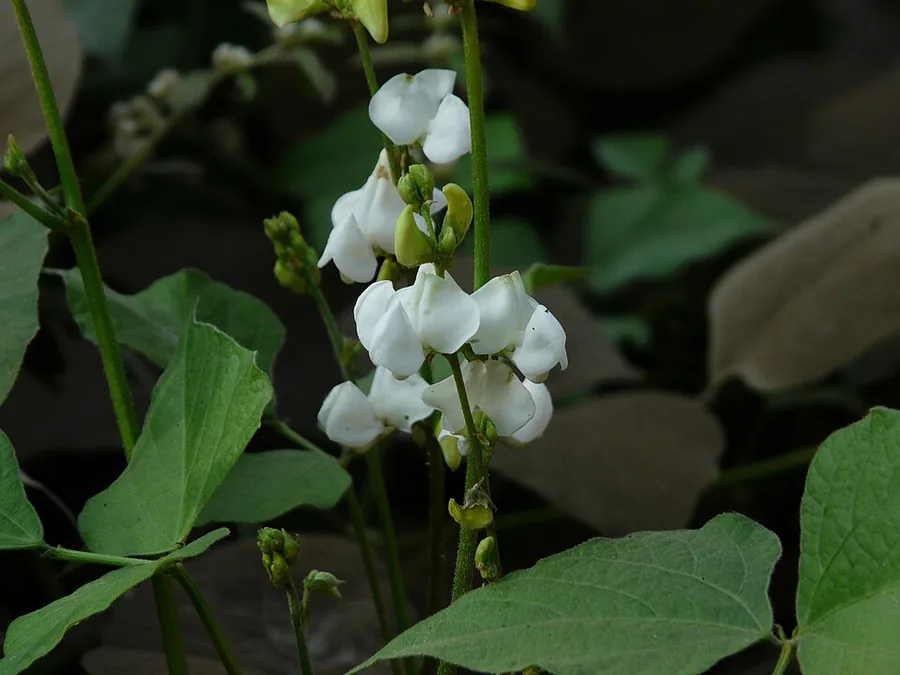
Hyacinth bean is a friendly, fast climbing vine grown for the show it puts on, sending up spikes of purple or white flowers that give way to glossy reddish-purple pods holding their color until frost. It sits in the pea and bean family, and where winters stay warm it lives for years, though most gardeners simply enjoy it as a summer annual started from seed. Give it a tall trellis and it will happily climb well past head height in one season, so you can relax and let it run.
The beauty really is the whole reason to grow it. The pods look every bit as good as the flowers, and few things you can sow will cover an arbor or fence as quickly. Because it loves heat, it keeps going strong through the dog days when other climbers begin to flag, and that makes it a forgiving choice for a first try.
There is just one thing that sets it apart from an ordinary garden bean, and it is worth knowing up front. The raw mature seeds and pods carry cyanogenic compounds and are toxic eaten raw, safe only once thoroughly cooked, so treat this as a plant to enjoy with your eyes rather than at the table.
Care
The short version: give it full sun and genuine warmth, light well-drained soil kept evenly moist while it settles in, a balanced feed that stays gentle on nitrogen, and a sturdy trellis to carry all that fast, heavy growth.
Light
Hyacinth bean loves full sun, so aim for 6 or more hours a day and it will flower freely and keep its rich pod color. A little afternoon shade is fine, but too much and it trades blooms for leggy stems, so brighter is better.
Water
Keep the soil evenly moist while the young vine is finding its feet, then you can ease off, because a settled plant handles some drought without complaint. Give it a deep drink in hot, dry weather, and lean toward light, well-drained ground rather than anything soggy.
Soil
It is happy in average, fertile, well-drained loam, with a pH anywhere from 6.0 to 7.5, so most garden beds will do. It really isn't fussy about richness, so good drainage matters far more than piling on the feed.
Temperature
This is a warmth lover that does its best between 50°F and 95°F (10°C to 35°C) and simply slows down when things turn cool. Frost will finish it, so wait to plant out until the cold is behind you for the season and you'll be fine.
Humidity
Ordinary outdoor humidity suits it perfectly, so there is no number to chase here. What really helps is good airflow, since crowded, damp leaves are the ones that invite leaf spot.
Feeding
Feed once a month through summer with a balanced fertilizer and it will thank you. As a legume it makes its own nitrogen, so go easy on high-nitrogen feeds, which push out leaves at the cost of the flowers you want.
Pruning
Pinch the growing tips early on to coax the vine into branching, and after that it asks for almost no cutting. Remove spent pods to keep fresh blooms coming, then simply cut the frost-killed vine back once the season winds down.
Repotting
not typically grown in containers; grown as an annual from seed each year
Size & spacing
Look forward to an eager climber reaching 10 to 20 feet (3 to 6 m) tall and spreading 3 to 6 feet (91 to 183 cm) wide. Set it up with a sturdy trellis or arbor and plenty of room to roam so all that heavy growth has something solid to lean on.
When to plant
Hyacinth bean lives on warmth and lets go at the first frost, so there is no rush. Sow it outdoors only once the cold has passed and the soil has warmed, or give it a head start indoors 6 to 8 weeks ahead, and it will flower from summer right through to fall frost.
Northern hemisphere
Southern hemisphere
Typical months for a temperate climate: start earlier in warm zones, later where spring frosts linger.
- Sow: 6 to 8 weeks before the last spring frost
- Plant: after danger of frost has passed and soil is warm
- Harvest: summer to frost (roughly June until first fall frost)
Hardiness
USDA hardiness zones: 10–11
Temperature: down to -1°C
Troubleshooting
Hyacinth bean is a tough, forgiving vine that shrugs off most trouble, and when something does turn up it is far more likely a pest than a disease. Keep a friendly eye on the leaves and new growth for the early signs below, and a small nudge now will spare you a bigger fuss later.
Pale speckled leaves with a hint of webbing in the heat
In a long hot, dry stretch, spider mites may settle in and dust the leaves with tiny pale flecks. Hold a leaf over white paper and tap it, and you will see the specks stir, with faint webbing tucked underneath. A good rinse of the foliage knocks them loose and lifts the humidity, and insecticidal soap or horticultural oil will finish the job if a few linger.
Fix:
- Hose down foliage to dislodge mites and raise humidity
- Apply insecticidal soap or horticultural oil if infestation persists
Short vines and shy flowering while it stays cool out
This plant simply adores warmth, so cool weather can leave it sitting still with stubby vines and few blooms, and that is nothing you did wrong. The same slow start shows up when seedlings go out before the ground has warmed and frost has truly passed. Give it warm soil and a snug, full-sun corner, and you will watch it surge the moment the temperatures rise.
Fix:
- Wait to plant until soil is warm and frost danger has passed
- Provide a full-sun, sheltered, warm site
Foliage nibbled down to a lacy, see-through web
If the leaves look like fine lace, you are almost certainly seeing Japanese beetle work, and it peaks in summer as the shiny green-and-copper beetles gather on the vine. They graze the soft tissue between the veins and leave the skeleton standing. Pluck them off by hand in the cool of the early morning, and take heart, because a vine this fast simply grows new leaves and carries on.
Fix:
- Hand-pick beetles in early morning and drop them into soapy water
- Tolerate light damage, since vines push out fresh foliage and survive well
New shoots curling and turning tacky underneath
When fresh shoots and buds pucker up and feel sticky, gentle aphids are usually the answer, and they are an easy fix. Turn a young leaf over and you will find little green or black clusters along with the shiny honeydew they leave. A firm blast from the hose sends most of them packing, and insecticidal soap is there for you if a colony ever gets ahead.
Fix:
- Spray colonies off with a strong jet of water
- Apply insecticidal soap to heavy infestations
Dark leaf spots, now and then ringed with yellow
Rounded brown marks that widen through wet, muggy weather usually mean fungal leaf spot, and it looks worse than it is. Early on the spots stay fairly circular, though they can join up as more leaves are touched. Simply pick off the worst leaves, water down at the base rather than over the top, and give the vine a little breathing room so the leaves dry quickly.
Fix:
- Remove and discard badly affected leaves
- Improve air circulation and avoid overhead watering
Toxicity
The kindest way to think of these colorful pods is look, don't eat. The raw mature seeds and pods hold cyanogenic glycosides that are toxic to people and animals alike, and only thorough cooking makes the young pods safe to enjoy. Keep the glossy pods and seeds out of reach of children, pets, and grazing animals, and everyone stays happy.
Toxic to
Cats · Dogs · Horses · Rabbits · Livestock · Birds
Safe for
People
Cats Caution
A curious cat that gnaws the raw seeds or pods may drool, be sick, and nurse a tender tummy from the cyanogenic compounds, so it helps to keep the glossy pods somewhere out of paw's reach.
Dogs Caution
Dogs are the pets most tempted to crunch the bright pods, and the raw beans can leave one queasy, retching, and a bit flat, so gather up any pods that drop where a nosy dog wanders.
Horses Caution
Those same cyanide-releasing compounds in the raw beans and leaves can leave a horse weak, breathing hard, and uninterested in food, so it is kindest to fence the vine off from grazing.
Rabbits Caution
Raw seeds and pods are not safe browse for a rabbit and can upset its gut and leave it sluggish, so please don't pass along any trimmings from the vine.
Livestock Caution
Cattle, goats, and sheep can take in enough cyanide from a big helping of raw beans to stagger, breathe hard, and even collapse in bad cases, so keep them clear of plantings gone to pod.
Birds Caution
Pet and backyard birds are better off not pecking the raw mature seeds, which hold the very same cyanogenic glycosides, so stick with feed you already trust.
People Young cooked pods safe
The good news is that young pods are enjoyed in many countries once they have been cooked through. The raw mature beans are another matter and need boiling in several changes of water before eating, since raw they release cyanide that can bring on nausea, dizziness, and worse. Please never eat the raw beans or pods.
Keep the colorful pods and seeds away from children and curious pets; never eat raw mature beans or pods. Only thoroughly cooked beans are safe.
Helpline numbers

United States
ASPCA Animal Poison Control: (888) 426-4435 (fee applies)
Poison Control: (800) 222-1222



Canada
Poison Centres: 1-844-764-7669
Varieties
A handful of named forms show up in gardens, told apart mostly by the color of their flowers and pods. These are the two worth getting to know.
Ruby Moon
This is the ornamental form you will meet most often, loved for its deep purple stems and shiny reddish-purple flat pods that hold your eye through the whole season.
Alba (white-flowered form)
A softer, white-flowered and white-seeded form with plain green pods, so it sets aside the purple tones that the usual type wears.
How to propagate
Hyacinth bean is grown from seed, and it comes up fast and climbs faster, so even a single packet will happily cover a good stretch of trellis in one warm season.
SeedEasy
Sow outdoors after frost when soil is warm, or start indoors 6 to 8 weeks before the last frost. · Germinates in roughly 1 to 3 weeks; grows rapidly to cover a trellis in a single season
Starting hyacinth bean is refreshingly simple, since it grows from fresh seed every year, sown outdoors after frost once the ground is warm or started indoors 6 to 8 weeks before the last frost. Soaking or lightly nicking the tough seed coat gives you a quicker 1 to 3 week sprout, and after that the vine happily races up a trellis in a single season. Have a sturdy trellis or arbor ready before it takes off, and save a few seeds in fall so you can do it all again next spring.
Myths
Because it is a bean, the pods and seeds are fine to eat raw right off the vine.
It is a natural mix-up, but the raw mature seeds and pods hold cyanogenic glycosides and are toxic eaten raw. Mature beans are safe only after thorough cooking, boiled in several changes of water, which is why in the US the plant is grown for its looks rather than for the kitchen.