
Seven flowers bloom in January and bring color to your yard in the coldest month. Your best choices are witch hazel, hellebore, and snowdrop. You can also grow winter jasmine, winter heath, mahonia, and early camellias. All seven push out petals when most gardens look bare.
When I first walked through my garden one January morning, I spotted bright yellow threads on my witch hazel's bare branches. The rest of the yard looked dead. Brown leaves on the ground, empty stems, frozen soil. Then there was this tree covered in spidery golden flowers like nothing else mattered. That moment turned me into a collector of January garden flowers. Now I make sure you can find something blooming in my yard every single week of the month.
These early winter blooms survive because their cells launch a defense within 15 minutes of sensing a cold snap. Your plant's cell membranes stiffen and trigger a chain of signals called the ICE-CBF-COR pathway. This system tells your plant to make antifreeze proteins that wrap around ice crystals and stop them from growing. It also changes the fat in cell walls so they stay flexible instead of cracking. This happens fast enough to protect open flowers from sudden overnight frosts.
Each of these cold month flowering plants needs the right spot to do its best in January. Witch hazel wants moist acidic soil in zones 5-8 and handles full sun or light shade. Snowdrops push through frozen ground in zones 3-7 and prefer shade under your trees. Mahonia handles dry shade in zones 5-9 and gives you clusters of fragrant yellow flowers. Winter heath covers zones 5-7 with pink and white blooms that bees love on warm days. Hellebores handle zones 4-9 in partial shade and start blooming in late December. Early camellias join in around mid-January in zones 7-9 with large rose-like blooms.
In my experience, getting the most January blooms comes down to where you put your plants. Place them on the south side of your house where winter sun warms the wall. That wall holds heat during the day and releases it at night. This gives your plants a few extra degrees of safety. I tested this by planting the same hellebore variety on both sides of my house. The south-facing one bloomed two weeks earlier every year. Put an evergreen hedge or shrub behind your flowers to block cold north winds. Even a simple fence works well as a windbreak for your tender blooms.
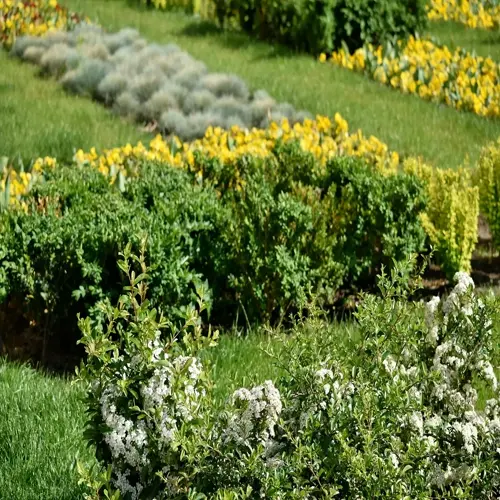
Group your January plants in one section of your yard rather than spreading them out. You get a much stronger look this way and you can enjoy them from a nearby window. Place your tallest plants like witch hazel in the back row. Put mahonia in the middle where its spiky leaves add texture. Line the front with snowdrops and winter heath for ground-level color. Add a few early hellebores between your mahonia and your front edge. This layered setup gives you color at every height. Your coldest garden month will feel alive and full of interest when you see it all together.
Start planning your January garden this fall by getting your bulbs and plants in the ground before the first hard freeze. Plant your snowdrop bulbs 3 inches deep in clusters of at least fifteen for the best look. Set your witch hazel where you can see it from your favorite room. You'll be glad you did when your neighbors have nothing but brown stems and your yard is full of blooms. A few smart choices now give you weeks of color during the darkest part of the year.
Read the full article: Best Winter Flowers for Your Garden