
Plenty of flowers belong nowhere near your plate. Colorado State University Extension keeps a table of 27 poisonous plants, and that table is where an honest answer has to start. The poisonous flowers to avoid include foxglove, oleander, monkshood and daffodil. Castor bean, calla lily and death camas sit there too. The same sheet says outright that its list is not complete, so treat it as a floor rather than a ceiling. A flower goes in your mouth only when you are sure of what it is.
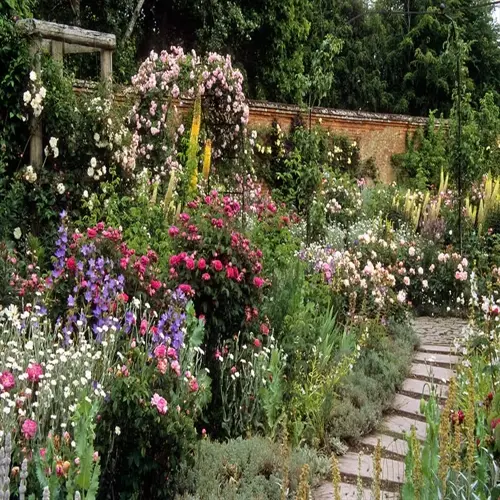
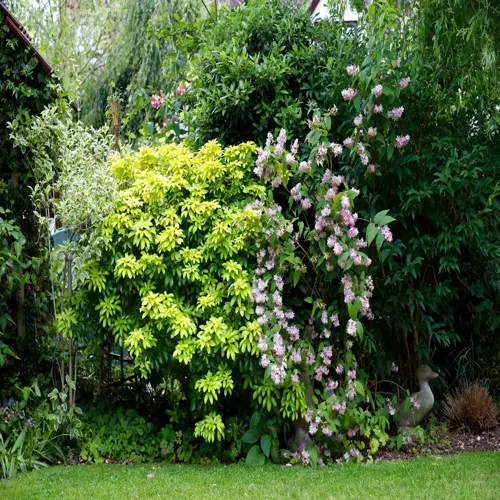
The toxic flowers list reads like a walk through an ordinary yard. Foxglove is a standard border perennial. Daffodils come up every spring in lawns nobody tends, and lily of the valley spreads under shade trees on its own. Calla lilies turn up in bouquets and wedding photos. None of them are safe to eat. The plants worth worrying about are rarely exotic. They are the ones by your back door, so ordinary that they stop registering as things that could hurt you.
A table can never be the whole answer, and that one admits it. Common names are the reason. The same common name gets attached to more than one plant, so two gardeners can say a single word and mean two different species. One of them might be a salad ingredient, and the other sits in the poisonous column. The scientific name is the only test that holds up, because a Latin name points at one plant and stays put across countries, catalogs and seed packets. Search the Latin name when you look a plant up, never the nickname.
Yarrow shows how messy the edges get. Achillea millefolium sits in that poisonous plant table, and it also turns up on plenty of cheerful edible flower lists. One plant, two sources, opposite advice. Begonias split along a finer line, since only Begonia x tuberhybrida hybrids count as edible. Fruit trees are no exception either. Apple and crabapple seeds are poisonous, and so are plum pits, even though nobody thinks twice about the fruit around them.
A flower arriving on the rim of a plate is not proof of anything. Kitchens use garnish for color, and the hand that set it there may know less about the plant than you do. A safe flower and a poisonous one can share a tray without anyone noticing. The same goes for blossoms from a florist or a garden center, which get grown to look good rather than to be eaten. Ask what the plant is by name, and if nobody can tell you, eat around it.
If you cannot name a flower by its scientific name, do not eat it. Common names are shared between different plants, and a blossom served beside your food is no promise that it is edible.
The flowers to avoid eating are the ones you cannot name. Not the strange ones, and not the ones somebody warned you about at a party. If you cannot put a scientific name to the plant in your hand, it stays off the plate. Buy from a grower who labels by species, or raise the flower yourself from seed with the Latin name printed on the packet. That one habit clears all 27 entries in a single move, along with the poisonous plants that never made it onto the sheet.
Read the full article: Edible Flowers: What to Eat, What to Skip