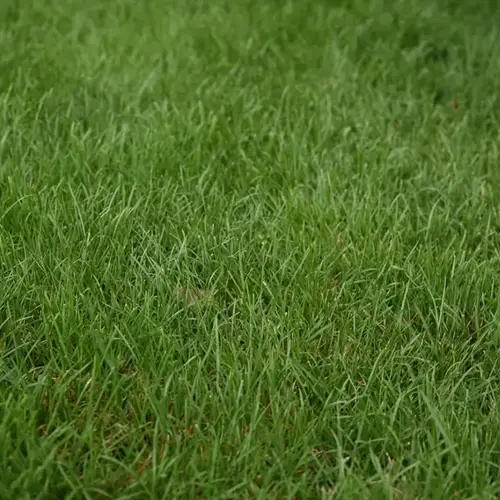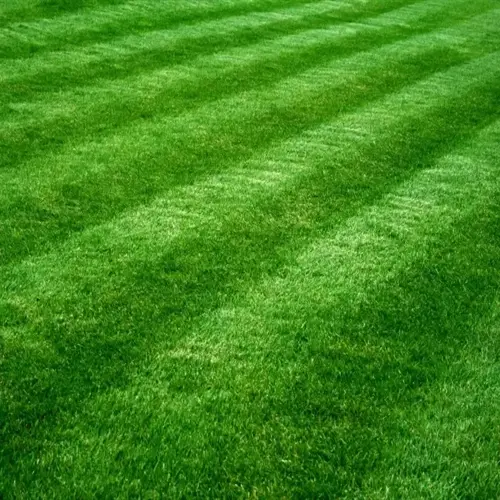

The main difference between rye and rye grass is that they are two completely separate plants. Rye (Secale cereale) is a cereal grain related to wheat and barley that people grow for food. Ryegrass (Lolium) is a turf and forage grass used for lawns, pastures, and athletic fields. Despite the similar names, these plants sit in different branches of the grass family tree.
I watched this confusion play out at a farm supply store last spring. A homeowner grabbed a bag of cereal rye thinking it was ryegrass for his lawn. The bags sat right next to each other on the shelf with names that sounded almost identical. If the store clerk hadn't caught it at checkout, that guy would have planted a 5-foot-tall grain crop in his front yard instead of a smooth lawn. This mix-up happens more often than you'd expect.
The science behind cereal rye vs ryegrass shows just how different these plants are. Cereal rye belongs to the genus Secale in the wheat tribe called Triticeae. It shares close relatives with wheat, barley, and triticale. Ryegrass belongs to the genus Lolium in a separate grass tribe with no close connection to grain crops. They split apart on the family tree long ago. Each one evolved for a very different purpose.
The rye grain versus ryegrass split shows up most in what each plant produces. Cereal rye grows tall stalks topped with seed heads full of edible grain. Farmers harvest that grain to make rye flour for bread, rye whiskey, and animal feed. Ryegrass never produces edible grain at all. Its value comes from the dense, low-growing turf it creates and the high-protein forage livestock eat straight from the field.
Cereal rye also handles extreme cold that would kill ryegrass outright. Rye grain crops survive winter temperatures down to -30°F in the northern Great Plains, making it the hardiest cereal grain you can grow. Perennial ryegrass starts suffering damage below 30°F and dies in truly cold winters. This cold tolerance gap is another quick way to tell the two apart if you find them growing in a field.
In my experience, telling them apart by sight takes just a few seconds. Cereal rye has broader, coarser leaves on single upright stalks that reach your chest or taller. Ryegrass has fine, glossy leaves in tight bunches that stay low. At seed stage, rye produces a thick grain head like wheat. Ryegrass puts out a thin spike with tiny seeds on one side.
I keep a photo of each plant on my phone for quick reference when I'm at the store. You can also check the seed bag label for the Latin name to clear up any confusion. If you see Secale cereale, that's the grain. If you see Lolium, that's your lawn grass. This one step saves you from planting the wrong crop in your yard.
When you shop for cover crops, pay close attention to your goals. If you want to build soil health and add organic matter, cereal rye is your best pick. It grows tall and produces a thick mat of plant material you can turn into the soil come spring. If you need green turf or livestock forage, choose ryegrass instead. Knowing the difference between rye and rye grass before you buy keeps your garden and lawn plans on track all year long.
Read the full article: Rye Grass: Types, Uses, and Care