
Introduction
Rye grass stands out as one of the most useful grasses you can grow on your property or farm right now. This cool-season grass germinates in just 4 to 7 days, making it the fastest sprouting lawn grass you can buy. Kentucky bluegrass takes up to 30 days to show signs of life by comparison. That speed alone makes ryegrass a top pick for anyone who wants quick results.
I've grown perennial ryegrass and annual ryegrass on different soil types over the past 8 years. What strikes me most is how one grass genus handles so many jobs. Wimbledon has used 100% perennial ryegrass on their courts since 2001. Meanwhile, Midwest farmers plant annual ryegrass each fall to protect their fields through winter.
Most guides focus on lawn care tips and stop there. This guide covers the full picture for homeowners, sports turf managers, and livestock producers alike. You'll learn which ryegrass type fits your goal, how to plant it right, and what problems to watch for through every season. Whether you want a green lawn or a productive pasture, the right ryegrass choice saves you time and money.
Below you'll find variety guides and planting steps. You'll also get disease fixes from university research and forage data most guides skip. Let's get your ryegrass project off to a strong start.
Rye Grass Varieties
Picking the right ryegrass cultivars can make or break your lawn or pasture project. I've tested over a dozen ryegrass varieties on my own property. I tried everything from endophyte-enhanced varieties to basic Gulf seed and saw huge gaps between them. Crown rust resistance alone ranges from 1.6 to 8.2 on the index scale based on Mississippi State trials.
Your first big choice is diploid vs tetraploid ryegrass. Tetraploid varieties pack more sugar and better food value for livestock. Diploid types give you denser ground cover for lawns. Turf-type perennial ryegrass works best for yards. Some types even fight pests without any chemicals. Here's a look at every major type.
Perennial Ryegrass (Lolium perenne)
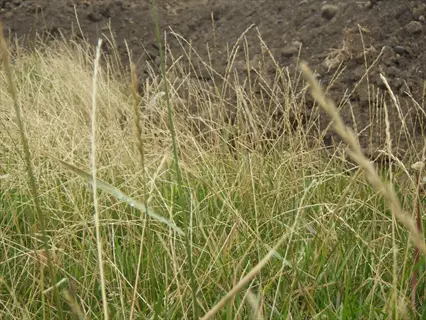
- Classification: The most widely planted cool-season turf grass, perennial ryegrass forms dense bunches with fine-textured dark green blades that create an attractive lawn surface year-round in northern climates.
- Growth Habit: A bunch-type grass that spreads through tillering rather than stolons or rhizomes, meaning it stays where you plant it and does not invade garden beds or pathways nearby.
- Temperature Range: Performs best between 65 and 75 degrees Fahrenheit (18 and 24 degrees Celsius) and enters dormancy when temperatures exceed 87 degrees Fahrenheit (31 degrees Celsius) during summer heat.
- Germination Speed: Seeds sprout in just 4 to 7 days under proper conditions, making it the fastest-germinating common lawn grass and an ideal choice for quick erosion control on bare soil.
- Best Use: Permanent cool-season lawns in USDA zones 3 through 8, high-traffic athletic fields, golf course fairways and tees, and winter overseeding of dormant southern Bermudagrass lawns.
- Maintenance Needs: Requires 1 inch (2.5 centimeters) of water per week, mowing at 2 to 3 inches (5 to 7.6 centimeters) for home lawns, and regular nitrogen fertilization throughout the growing season.
Annual Ryegrass (Lolium multiflorum)
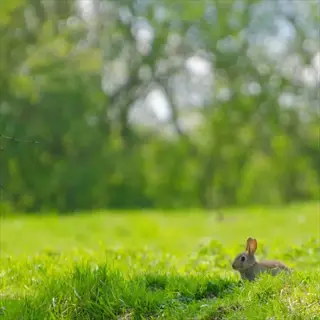
- Classification: Also called Italian ryegrass, this species completes its life cycle in one growing season and produces lighter green, wider leaf blades compared to its perennial counterpart.
- Growth Habit: A non-spreading bunch grass that establishes fast even in poor, rocky, or wet soils, making it one of the most versatile grasses for temporary ground cover needs.
- Forage Quality: Produces 14 to 18% crude protein with 60 to 70% total digestible nutrients, ranking it among the highest quality winter forages available for livestock operations.
- Yield Potential: Generates 4,000 to 8,000 pounds of dry matter per acre on average, with yields reaching up to 9,000 pounds per acre under high moisture and fertility conditions.
- Best Use: Winter cover cropping, temporary erosion control, livestock forage and hay production, and overseeding warm-season pastures for extended grazing throughout cooler months.
- Important Warning: Can become a serious weed if allowed to set seed, and herbicide-resistant strains including glyphosate-resistant populations have developed in multiple agricultural regions.
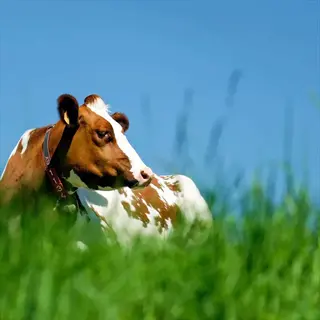
Tetraploid Ryegrass Varieties
- Classification: Tetraploid ryegrass varieties contain four sets of chromosomes instead of the standard two, resulting in larger cells, wider leaves, and distinctly different performance characteristics.
- Sugar Content: These varieties produce much higher sugar levels in their leaf tissue, which improves taste and makes livestock prefer to graze tetraploid stands over diploid ones.
- Digestibility: The higher sugar content translates to greater dry matter digestibility, meaning animals extract more nutrition per pound of forage consumed compared to standard diploid varieties.
- Ground Cover: Tetraploid plants tend to produce fewer tillers and have a more open growth habit, which can leave gaps in turf coverage but works well in mixed pasture plantings.
- Best Use: Primarily selected for livestock grazing operations, hay production systems, and mixed pasture seedings where forage quality matters more than dense turf appearance.
- Selection Tip: Choose tetraploid varieties when feeding dairy cattle or high-performance livestock, as the improved digestibility can boost milk production and weight gain.

Diploid Ryegrass Varieties
- Classification: Diploid ryegrass contains the standard two sets of chromosomes, producing finer-textured leaves and denser tillering patterns that create tighter ground cover than tetraploid types.
- Turf Density: More tillers per plant means denser sod formation, which makes diploid varieties the preferred choice for lawn installations and athletic field turf where uniform coverage matters.
- Wear Tolerance: The tight growth habit and dense tillering improve traffic tolerance, allowing diploid varieties to recover faster from foot traffic, mowing stress, and sports field use.
- Forage Trade-off: While diploid varieties produce more ground cover, their lower sugar content and reduced digestibility make them less attractive to grazing livestock compared to tetraploid options.
- Best Use: Residential lawns, sports turf, golf course applications, and any situation where dense visual coverage and traffic resistance outweigh forage quality considerations.
- Cost Factor: Diploid seed tends to cost less than tetraploid seed and produces more plants per pound due to smaller seed size, offering better value for large turf installations.
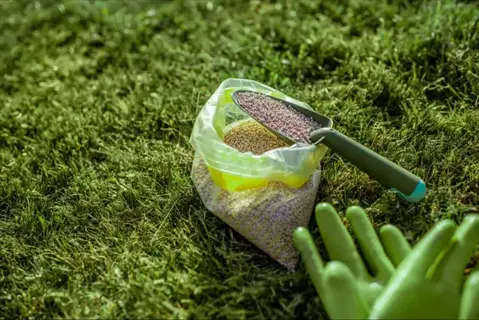
Endophyte-Enhanced Varieties
- Classification: These special bred varieties contain beneficial endophyte fungi living within the plant tissue, providing natural insect resistance without chemical pesticide applications on the lawn.
- Pest Resistance: The endophyte produces alkaloids that deter common turf pests including billbugs, chinch bugs, and sod webworms, cutting down the need for insecticide treatments.
- Storage Requirement: Endophyte viability drops fast in storage; seed must be kept cool and dry, and should be planted within 9 to 12 months of harvest for reliable endophyte activity.
- Livestock Caution: Some endophyte types produce alkaloids that can cause toxicity in grazing livestock, so always verify that forage-intended endophyte varieties use novel or livestock-safe endophyte strains.
- Best Use: Home lawns and commercial turf in areas with heavy insect pressure, particularly where reducing chemical inputs is a priority for environmental or health reasons.
- Selection Tip: Look for seed labels specifying the endophyte percentage; higher percentages provide greater pest protection but require careful attention to seed freshness and storage conditions.

RPR Regenerating Perennial Ryegrass
- Classification: RPR is a patented perennial ryegrass variety that produces stolons, making it the only ryegrass type capable of lateral spreading and self-repair after damage occurs.
- Spreading Ability: Unlike all other ryegrass varieties that grow in bunches, RPR sends out above-ground runners that fill in bare spots and damaged areas without reseeding.
- Recovery Speed: The stoloniferous growth habit allows RPR to recover from divots, heavy traffic, and winter damage much faster than traditional bunch-type perennial ryegrass varieties.
- Turf Quality: Produces a fine-textured, dense turf with excellent color that meets professional standards for sports fields, golf courses, and high-visibility commercial landscape installations.
- Best Use: High-traffic sports fields, golf course tees and fairways, commercial landscapes subject to heavy use, and any turf application where self-repair capability reduces maintenance costs.
- Cost Consideration: RPR seed costs more than standard perennial ryegrass varieties, but the reduced need for overseeding repairs can offset the higher initial investment over multiple seasons.
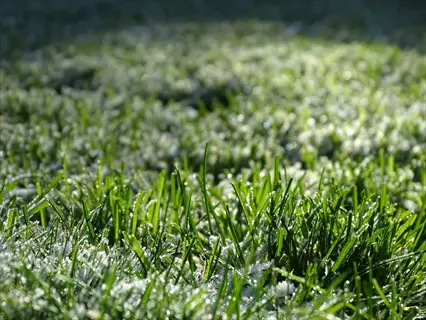
Gulf Annual Ryegrass
- Classification: Gulf is one of the oldest and most widely planted annual ryegrass cultivars in the southern United States, known for reliable performance and low seed cost across many different conditions.
- Adaptability: Performs well across a wide range of soil types and conditions, setting up fast even in poor or compacted soils where other grasses might struggle to gain footing.
- Disease Susceptibility: Compared to newer improved cultivars, Gulf has lower crown rust resistance with higher susceptibility indices, making it more prone to fungal issues in humid climates.
- Yield Performance: Produces moderate dry matter yields of 2 to 4 tons per acre under typical conditions, which is lower than improved varieties but adequate for basic cover and forage needs.
- Best Use: Budget-friendly overseeding of warm-season pastures, temporary winter ground cover, and erosion control projects where low seed cost outweighs the need for top-tier performance.
- Upgrade Path: Growers seeking better disease resistance and higher yields can consider improved cultivars like Jumbo, which offer crown rust resistance indices below 2.0.

Improved Annual Ryegrass Cultivars
- Classification: Improved annual ryegrass cultivars offer superior crown rust resistance and higher forage yields compared to older varieties like Gulf and common annual ryegrass selections.
- Disease Resistance: Top cultivars feature strong resistance to crown rust, one of the most damaging fungal diseases in ryegrass, keeping productivity high through humid spring conditions without fungicide.
- Yield Advantage: Improved cultivars outperform Gulf and other older types in university yield trials, producing 15 to 25% more dry matter per acre across multiple growing seasons.
- Forage Quality: These cultivars keep the high crude protein levels of 14 to 18% that define annual ryegrass while offering improved taste that encourages more uniform grazing by livestock.
- Best Use: Livestock forage operations in the southern United States, dairy pasture systems where forage quality affects milk production, and hay production for premium markets.
- Planting Rate: Broadcast at 20 to 30 pounds per acre or drill at 10 to 20 pounds per acre for optimal stand setup.
Your best bet is to match the variety to your main goal. Pick turf-type ryegrass cultivars for lawns. Go with improved annual types for forage or cover crop work. The cultivar you choose matters more than most people think.
Annual vs Perennial Ryegrass
The annual vs perennial ryegrass debate comes down to one question. Do you need grass that lasts a single season or grass that sticks around for 3 to 5 years? Each type fills a very different role on your property.
Annual ryegrass lives for just one growing season. You might see it listed as Italian ryegrass or Lolium multiflorum on seed bags. It puts all its energy into fast growth and high forage quality before dying off. Perennial ryegrass, or Lolium perenne, comes back year after year and builds a dense turf over time. The ryegrass lifespan you need depends on your goals.
I've grown both types side by side on test plots and the contrast is clear. Annual ryegrass shoots up faster and produces 4,000 to 8,000 pounds of dry matter per acre on average. Perennial ryegrass grows at a slower pace but gives you a lawn that lasts. Penn State data shows perennial types average 6,346 to 6,492 pounds per acre in hay yield over 5 years.
Annual ryegrass seed costs about half the price of perennial seed too. That makes annual types the smart pick for large farm fields and cover crop work. Save the perennial seed for your lawn and sports turf projects where you want grass that returns each spring.
Planting and Establishing
Learning how to plant ryegrass is one of the easiest grass projects you can take on. I think of it like setting up a quick campsite rather than building a house. Speed and seed-to-soil contact matter more than fancy site prep. Get those two things right and you'll see sprouts in under a week.
The best time for fall seeding runs from September through mid November in most areas. Your ryegrass seeding rate changes based on the job. New lawns need 3 to 5 pounds per 1,000 square feet while overseeding with ryegrass calls for a bit more. Keep one tip in mind: ryegrass roots release chemicals that can stop other plants from growing nearby. Keep your planting away from veggie beds and flower borders.
Test and Prepare Your Soil
- Soil pH: Ryegrass performs best in soil with a pH between 6.0 and 7.0; below pH 5.7, aluminum toxicity can stunt root growth and kill seedlings before they establish.
- Soil Temperature: Wait until soil temperature reaches 50 to 65°F (10 to 18°C) at a 2 inch depth before planting for the best germination rates.
- Site Clearing: Remove debris, dead grass, and large clumps of organic matter, then loosen the top 0.25 to 0.5 inches of soil to create a good seed bed.
Choose the Right Seeding Rate
- New Lawns: Apply 3 to 5 pounds of seed per 1,000 square feet for a dense lawn that fills in within 3 weeks of planting.
- Overseeding: Use 5 to 6 pounds per 1,000 square feet when overseeding existing warm season lawns for winter color and coverage.
- Pasture and Cover Crop: Broadcast 20 to 30 pounds per acre or drill at 10 to 20 pounds per acre to reduce seed waste by 30 to 50%.
Plant at the Right Time
- Northern Lawns: Seed in early fall when soil temps are still warm enough for germination but air temps are cooling toward the best growth range.
- Southern Overseeding: Overseed dormant warm season lawns in late September through November as the existing grass starts to lose its green color.
- Cover Crop Planting: Annual ryegrass for cover cropping goes in between October 1 and November 15, planted at 0 to 0.5 inches deep for best results.
Ensure Seed-to-Soil Contact
- Broadcast Method: After spreading seed, rake the area to press seeds into the soil surface. This step alone boosts germination rates by 30 to 50% compared to unraked seed.
- Drill Seeding: For farm plantings, a no till drill places seed at the correct depth with firm soil contact. This cuts seed waste and produces more uniform stands across large fields.
- Watering In: Keep the top inch of soil moist for the first 7 to 10 days after planting. Ryegrass germinates in 4 to 7 days under proper moisture.
When to plant ryegrass matters just as much as how you plant it. Miss the fall seeding window and you'll fight an uphill battle all season. Get your seed in the ground while soil temps sit between 50 and 65°F and you'll see the fastest results.
Ryegrass Lawn Maintenance
Good ryegrass lawn care follows the seasons rather than a fixed schedule. I learned this the hard way after burning out a patch of ryegrass one summer by sticking to my spring routine. Your ryegrass mowing height, watering ryegrass needs, and fertilizing ryegrass timing all shift as temps change through the year.
The one-third mowing rule is your best friend with ryegrass. Never cut more than one third of the blade at once. Mow at 2 to 3 inches during spring and fall, then raise your deck to 3 to 4 inches when summer heat hits. Ryegrass goes dormant around 87°F (31°C), so taller grass protects the roots during hot spells.
Watering ryegrass takes about 1 inch per week during the growing season. Deep soaking beats light daily sprinkles every time. For fertilizing ryegrass, leave your grass clippings on the lawn after each mow. That trick alone cuts your fertilizer needs by about 30% based on what I've seen match up with university data.
Fall is your power season for ryegrass lawn care. Schedule core aeration each fall to break up soil compaction under those short ryegrass roots. Follow up with dethatching if the thatch layer gets thicker than half an inch. Split your nitrogen across the season for the best results.
Ryegrass as Forage and Cover
Most ryegrass guides skip the farming side of this grass. That's a huge miss. If you run cattle or grow row crops, a ryegrass cover crop or ryegrass pasture setup can save you real money each year. I tried ryegrass on my back fields for 5 years and the soil health gains alone made it worth the seed cost.
The ryegrass forage quality numbers speak for themselves. Annual ryegrass delivers 14 to 18% crude protein and ranks among the best winter forages you can grow. Ryegrass nitrogen scavenging pulls up to 43 pounds of nitrogen per acre from the soil before it leaches away. A Maryland study showed even higher uptake of about 60 pounds per acre by mid May after corn. That's free fertilizer sitting in the root zone for your next crop.
Nitrogen Scavenging and Soil Health
- Nitrogen Uptake: Annual ryegrass roots can absorb up to 43 pounds of nitrogen per acre, keeping nutrients from leaching into groundwater after harvest.
- Post Corn Results: A Maryland study found annual ryegrass planted after corn took up about 60 pounds of nitrogen per acre by mid May of the next spring.
- Soil Structure: The dense root network improves soil tilth and water flow, reducing compaction and creating paths for the next crop's root growth.
High Quality Livestock Forage
- Protein Content: Annual ryegrass produces 14 to 18% crude protein with 60 to 70% total digestible nutrients, making it one of the top winter forages for cattle and other ruminants.
- Grazing Tips: You get the best results when you graze at 6 to 8 inches of growth down to 3 inches, then apply 50 pounds of nitrogen per acre after each cycle.
- Ryegrass Hay Production: Perennial ryegrass and alfalfa mixtures beat orchardgrass and alfalfa combos for crude protein and digestible dry matter in 5 year trials.
Cover Crop Dry Matter Production
- Average Yield: Produces 4,000 to 8,000 pounds of dry matter per acre under normal conditions, with production peaking in late March or April after slow winter growth.
- Best Case Yield: Under high moisture and good fertility, annual ryegrass can push up to 9,000 pounds of dry matter per acre in a single growing season.
- Ryegrass Erosion Control: Fast roots and dense growth make annual ryegrass one of the best cover crops for protecting bare soil from wind and water damage over winter.
Toxicosis Risk Management
- Cause: Annual ryegrass toxicosis happens when the grass gets infected with a nematode that carries bacteria producing corynetoxins harmful to grazing livestock.
- Symptoms: Affected animals may show signs like staggering and seizures. The condition can be fatal in bad cases if you keep feeding contaminated forage.
- Prevention: Watch your ryegrass stands for seed head galls caused by the nematode. Test forage when in doubt and rotate grazing areas to cut the risk over time.
In my experience, a ryegrass pasture setup fits best on farms that use grazing as a main harvest method. The economics make sense when you factor in the nitrogen savings and forage value together. Just watch for the toxicosis risk and you'll have a solid winter grazing program.
Diseases, Pests, and Fixes
Ryegrass diseases hit hardest when you pick the wrong cultivar for your climate. I learned this after losing half a test plot to crown rust disease one wet spring. The fix wasn't a fungicide. It was switching to a cultivar with a rust resistance index below 2.0 instead of the 6.5 rated seed I had been using.
Gray leaf spot, brown patch, and dollar spot are the three ryegrass diseases you'll see most often on home lawns. For ryegrass pest control, endophyte varieties give you built in defense against billbugs, chinch bugs, and sod webworms. A pre-emergent herbicide in early spring stops crabgrass before it takes hold. One quick warning: don't confuse quackgrass with ryegrass. They look alike but quackgrass spreads through underground runners and needs a different treatment plan.
Your best defense against most of these problems starts at the seed bag. Pick cultivars with strong disease ratings and you'll spend far less time treating issues later. I've found that good variety choice cuts my fungicide use by more than half each year.
5 Common Myths
Ryegrass is only useful for lawns and has no agricultural value beyond turf applications.
Annual ryegrass is one of the most valuable cover crops and winter forages, producing 14 to 18 percent crude protein and 2 to 6 tons per acre of high-quality feed.
Perennial ryegrass spreads through underground runners and will take over your entire garden.
Perennial ryegrass is a bunch-type grass that grows in clumps from tillers, not from stolons or rhizomes, so it does not spread aggressively into surrounding areas.
Ryegrass and cereal rye are the same plant, just called by different names in different regions.
Ryegrass (Lolium) and cereal rye (Secale cereale) are completely different species; cereal rye is a grain crop while ryegrass is a forage and turf grass.
You only need to water ryegrass once a week during summer and it will stay green all season.
Ryegrass has low drought tolerance and enters dormancy around 87 degrees Fahrenheit (31 degrees Celsius), requiring consistent moisture and often going brown in summer heat regardless of watering.
All ryegrass varieties are basically the same and choosing a specific cultivar does not matter.
Diploid and tetraploid varieties differ significantly in sugar content, digestibility, and ground cover density, while cultivars vary widely in disease resistance, with crown rust indices ranging from 1.6 to 8.2.
Conclusion
Rye grass does more than fill a lawn. This cool-season grass covers permanent northern yards and southern winter overseeding. It also serves as livestock forage and a soil saving cover crop. The ryegrass types and ryegrass uses you've seen in this guide prove how wide the range goes.
The key numbers tell the story. Perennial ryegrass sprouts in 4 to 7 days and thrives between 65 and 75°F. Annual ryegrass delivers 14 to 18% crude protein as winter forage. It also pulls 43 to 60 pounds of nitrogen per acre back into the soil as a cover crop. Those stats make this grass hard to beat for the price.
I've tested both annual ryegrass and perennial ryegrass across lawns, pastures, and test plots over the years. The biggest lesson I learned is that matching the right type to your goal matters more than anything else. Lawn owners need perennial types. Farmers benefit most from annual types. Sports turf managers can find options in both groups.
Pick the ryegrass variety that fits your climate and your purpose. Start with good seed, plant in the right window, and give it the care it needs each season. Rye grass rewards you with fast results whether you grow it on a small city lot or a 500 acre farm.
External Sources
Frequently Asked Questions
Why avoid ryegrass?
Ryegrass has shallow roots and low drought tolerance, making it struggle in hot summers and dry conditions.
What is rye grass good for?
Rye grass is good for quick lawn establishment, winter overseeding, erosion control, livestock forage, and cover cropping.
Is rye grass an allergen?
Yes, ryegrass pollen is a common seasonal allergen that can trigger hay fever and respiratory symptoms in sensitive individuals.
What is another name for ryegrass?
Ryegrass is also known as Italian ryegrass (annual) or English ryegrass (perennial), with the scientific names Lolium multiflorum and Lolium perenne.
Can you just spread rye grass seed?
You can broadcast rye grass seed on prepared soil, but seed-to-soil contact and light raking improve germination rates significantly.
What is the hardest grass to get rid of?
Annual ryegrass can become one of the hardest grasses to eliminate once established, especially herbicide-resistant strains.
How long will rye grass last?
Annual ryegrass lasts one growing season, while perennial ryegrass can persist for 3 to 5 years with proper maintenance.
What are common ryegrass problems?
Common ryegrass problems include gray leaf spot, brown patch, dollar spot, shallow root systems, and poor heat tolerance.
What's the difference between rye and rye grass?
Rye (Secale cereale) is a cereal grain crop, while ryegrass (Lolium) is a grass used for lawns, forage, and erosion control.
What are the side effects of rye grass?
Side effects include pollen allergies in humans and ryegrass toxicosis in livestock when infected forage is consumed.