
Introduction
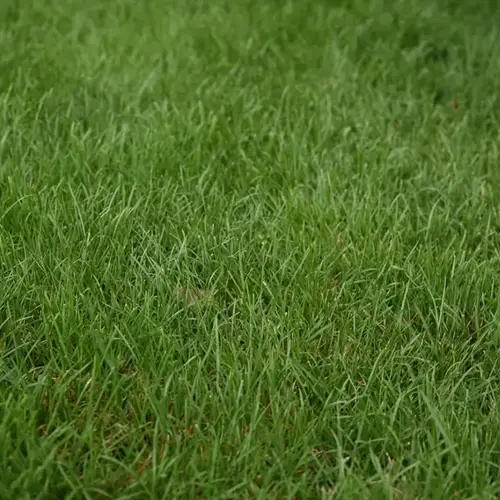
Centipede grass gives you a green lawn without eating up your weekends with yard work. This warm-season grass came to the southeastern United States from China back in 1916. It earned a loyal following for one simple reason. It grows well on its own while other grasses need constant care.
I spent years caring for bermuda and St. Augustine lawns before I made the switch. The difference shocked me. My fertilizer costs dropped by more than 50% because this grass needs about half the nitrogen of other warm-season types. I went from mowing twice a week to once every 10 days during summer.
A true low maintenance lawn saves you real money over time. Bermuda owners often spend $200 to $400 per year on fertilizer alone. Centipede owners get by on $50 to $100 worth of product. You also save 3 to 5 hours per month on mowing and feeding tasks.
This guide covers picking the right variety for your region all the way to handling pests and disease. You will learn the exact mowing heights and watering schedules that keep your lawn healthy. We also break down the fertilizer rates that work best without the fuss.
6 Centipede Grass Varieties
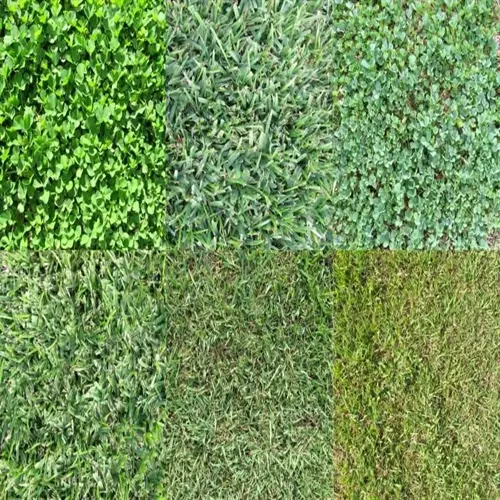
Most homeowners think Common centipedegrass is the only option at the store. The truth is you have 6 centipede grass varieties to pick from, and each one fits a different climate and yard. TifBlair gives you cold-tolerant centipede grass for the upper South. Covington holds a deeper green color all season long.
I tested 3 of these varieties in my own yard over 4 growing seasons. The differences in color and cold survival were hard to miss once winter hit. Santee filled in bare spots faster than Common did in side by side plots. Your best bet is to match the variety below to your local weather and soil.
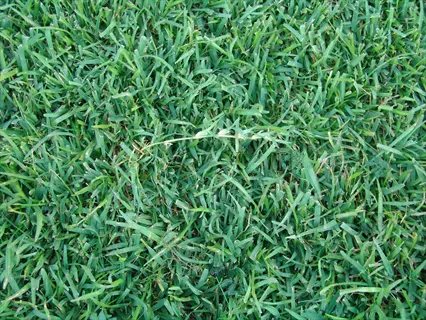
Common Centipede Grass
- Origin: Common centipede grass is the original variety brought from China to the United States in 1916 and remains the most affordable option for homeowners.
- Growth Habit: This variety spreads through above ground stolons at a moderate pace and produces a medium textured, apple green lawn close to the ground.
- Soil Needs: Common centipede grass performs best in acidic soils with a pH between 4.5 and 6.0 and struggles in alkaline conditions where iron chlorosis causes visible yellowing.
- Cold Tolerance: This is the least cold hardy variety and is best suited for USDA zones 7 through 10, where winter temperatures stay above 5°F.
- Maintenance Level: Common centipede grass needs only 1 to 2 pounds of nitrogen per 1,000 square feet per year, making it one of the lowest input lawn options available.
- Best For: Homeowners in the deep Southeast who want an affordable, easy to establish lawn from seed at a rate of 4 ounces per 1,000 square feet.
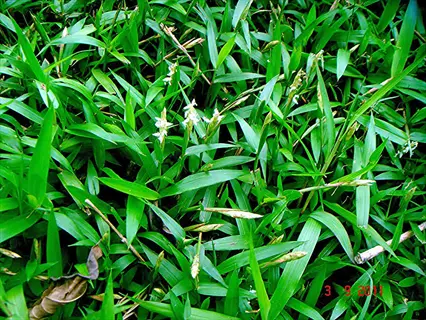
TifBlair Centipede Grass
- Origin: TifBlair was developed and released by the University of Georgia in 1997 to address the cold sensitivity that limits Common centipede grass in northern growing zones.
- Cold Tolerance: This cultivar offers improved cold hardiness compared to Common, making it viable in upper USDA zone 7 areas where winter freezes are more frequent and severe.
- Growth Habit: TifBlair produces a slightly coarser texture than Common but maintains the same low growing, stolon based spreading pattern typical of the species.
- Establishment: Available as seed, TifBlair germinates in 21 to 28 days and takes about 3 years to reach full establishment, similar to Common varieties.
- Maintenance Level: Like all centipede cultivars, TifBlair thrives on minimal fertilizer input and should receive no more than 2 pounds of nitrogen per 1,000 square feet each year.
- Best For: Homeowners in the upper Southeast and transition zone areas who experience colder winters but still want a low maintenance centipede lawn.
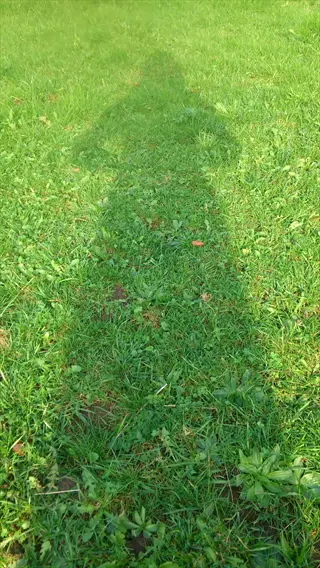
Covington Centipede Grass
- Origin: Covington was developed to improve the visual appeal of centipede grass, offering deeper green color retention throughout the growing season.
- Color Quality: This cultivar maintains a darker green color than Common centipede grass, which tends toward a lighter apple green that some homeowners find less attractive.
- Growth Habit: Covington spreads through stolons like all centipede cultivars and produces a dense, low growing turf that resists weed invasion once established.
- Maintenance Level: Despite its improved color, Covington still requires the same minimal fertilizer inputs at 1 to 2 pounds of nitrogen per 1,000 square feet per year.
- Availability: Covington is available through specialty sod farms and seed suppliers in the Southeast, though it may cost more than Common centipede grass seed.
- Best For: Homeowners who want the low maintenance advantages of centipede grass but prefer a darker green lawn without increasing their fertilizer use.
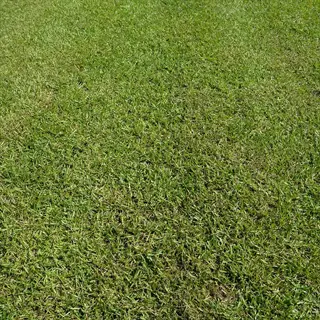
Santee Centipede Grass
- Origin: Santee is a named cultivar selected for its improved turf quality characteristics including better density and overall lawn appearance in the Southeast.
- Growth Habit: This cultivar produces a denser stolon network than Common centipede grass. It fills in bare spots faster during the active growing season.
- Soil Needs: Santee performs best in the same acidic soil conditions as other varieties, requiring a pH between 4.5 and 6.0 for optimal nutrient uptake.
- Cold Tolerance: Santee offers moderate cold tolerance, performing well in USDA zones 7 through 9 but lacking the enhanced cold hardiness of the TifBlair cultivar.
- Maintenance Level: This variety follows the standard centipede grass fertilization guidelines of 1 to 2 pounds of nitrogen per 1,000 square feet per year.
- Best For: Homeowners in the central Southeast looking for a cultivar with improved density and turf quality over Common varieties.
Hammock Centipede Grass
- Origin: Hammock is a cultivar available through Texas suppliers and was selected for its performance along the western edge of the centipede grass growing range.
- Growth Habit: This variety produces a medium textured, low growing turf that adapts well to the sandy, acidic soils found along the Texas Gulf Coast region.
- Heat Tolerance: Hammock handles the intense summer heat of Texas and the western Gulf Coast, maintaining acceptable turf quality through the hottest months.
- Availability: This cultivar is less available than Common or TifBlair and is most common through Texas based sod farms and specialty seed suppliers.
- Maintenance Level: Hammock follows the same low input fertilization requirements as all centipede varieties, needing minimal nitrogen to maintain healthy growth.
- Best For: Homeowners in Texas and the western Gulf Coast region who want a centipede variety adapted to their specific climate and soil conditions.
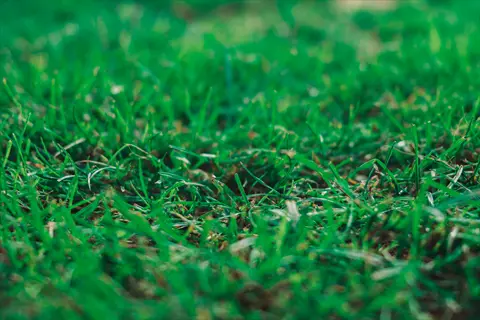
Oklawn Centipede Grass
- Origin: Oklawn is a less common cultivar selected for its ability to perform in the northern margins of the centipede grass adaptation zone.
- Growth Habit: This variety spreads through stolons and produces a turf similar in texture and density to Common centipede grass, with a typical apple green color.
- Cold Tolerance: Oklawn offers some improvement in cold tolerance over Common, though it does not match the cold hardiness of TifBlair in rigorous testing.
- Soil Needs: Like all centipede cultivars, Oklawn requires acidic soil with a pH between 4.5 and 6.0 and will develop iron chlorosis if soil pH rises above 6.5.
- Availability: This cultivar has limited commercial availability and is found through specialized turf suppliers rather than mainstream garden centers.
- Best For: Homeowners in the upper portions of the growing zone who want an alternative to Common but cannot source TifBlair seed or sod.
Planting Centipede Grass
Planting centipede grass takes some patience because this lawn grows at its own pace. Your centipede grass seed won't sprout overnight. The germination time runs about 21 to 28 days thanks to a natural wax coating on each seed. Full establishment from seed takes close to 3 years based on Clemson research.
I planted my first centipede lawn from seed in May and almost gave up after 3 weeks of seeing bare dirt. Then tiny green shoots started popping up everywhere. The best seeding rate is 4 ounces per 1,000 square feet spread with a broadcast spreader. You can also go the centipede grass sod route for an instant lawn if you don't want to wait.
Start by testing your soil pH before you put anything in the ground. You want a reading between 4.5 and 6.0 for the best results. If your soil pH is too high, add sulfur to bring it down before planting. The window for planting runs from April through July when soil temps stay above 65°F.
Seeding Centipede Grass
- Rate: Spread 4 ounces of centipede grass seed per 1,000 square feet across prepared soil using a broadcast or drop spreader for consistent coverage.
- Timing: Plant centipede grass seed between April and July when soil temperatures are above 65°F for reliable germination.
- Germination: Expect seeds to take 21 to 28 days to germinate due to a natural wax coating on the seed that acts as a barrier until moisture and warmth break it down.
- Establishment: Full establishment from seed takes about 3 years according to Clemson, so patience and consistent watering during this period are essential.
- Cost: Seeding is the most affordable method and works well for large areas, though the long establishment period means more time managing weeds.
Sodding Centipede Grass
- Speed: Sod provides an instant lawn that is ready for light foot traffic within 2 to 3 weeks once roots anchor into the soil below.
- Installation: Lay sod on prepared, moist soil with edges pressed tight together. Stagger joints like bricks to prevent visible seams as the lawn matures.
- Watering: Water new sod daily for the first 2 weeks to keep the soil beneath moist, then reduce to encourage deeper root growth.
- Cost: Sodding costs more than seeding but eliminates the 3 year establishment wait and provides immediate erosion control on slopes and bare areas.
- Best Season: Install centipede grass sod during the active growing season from late spring through mid summer for the fastest root establishment.
Plugging Centipede Grass
- Method: Plant 2 to 3 inch plugs on 6 to 12 inch centers across prepared soil for gradual lawn establishment.
- Spacing: Closer plug spacing fills in faster but requires more plugs and higher cost. Wider spacing is cheaper but takes longer to achieve full coverage.
- Watering: Keep plugs moist for the first 3 to 4 weeks until they begin sending out stolons, then transition to a deep and less frequent watering schedule.
- Timeline: Plugged centipede grass lawns fill in within 1 to 2 growing seasons depending on spacing. That is faster than seed but slower than sod.
- Advantage: Plugging lets you establish centipede grass from a small amount of source material, making it a cost effective option for medium sized lawn areas.
Sprigging Centipede Grass
- Method: Plant individual centipede grass stolons into prepared soil at regular intervals. Press them firm to ensure good soil contact for rooting.
- Timing: Sprig centipede grass during the active growing season from May through July when warm temperatures encourage rapid stolon growth and root development.
- Watering: Keep sprigged areas moist for the first month to prevent stolons from drying out before they establish roots in the soil.
- Coverage: Sprigging is common for renovation of damaged areas or to fill in thin spots within an existing lawn that needs thickening.
- Cost: This method falls between seeding and sodding in cost. It works well when you have access to a healthy centipede grass lawn for stolon harvest.
Mowing and Watering Schedule
Mowing centipede grass at the right mowing height makes or breaks your lawn. Cut too low and you weaken the root system. Leave it too tall and you invite thatch buildup. The sweet spot is 1 to 2 inches during the growing season. Bump that up to 2 inches in shaded areas where the grass needs more leaf blade to capture light.
The mowing frequency changes with the seasons. You will mow every 7 to 10 days during peak summer growth. In spring and fall, that slows to every 10 to 14 days as the grass slows down. Never remove more than one third of the blade in a single pass. If you skip a week, raise your deck first and bring it back down over 2 cuts.
Watering centipede grass the right way depends on your soil type. The roots sit in the top 4 inches of soil per USDA data, so deep irrigation sessions work better than light sprinkles. Your irrigation schedule should deliver about 1 inch of water per week during summer. Sandy soil dries faster, so split that into 0.5 inches every 3 days instead. This builds drought tolerance by forcing roots to reach down for moisture.
Fertilization and Soil Care
The biggest mistake I see people make is dumping too much fertilizer on their centipede lawn. Over-fertilization triggers a chain reaction that will ruin your grass. Extra nitrogen causes rapid thatch buildup on top of the soil. That thatch traps moisture and creates the perfect home for fungal disease. Before you know it, you have centipede grass decline on your hands.
You need to fertilize centipede grass with a light touch. Clemson warns that more than 2 pounds of nitrogen per 1,000 square feet per year can harm the turf. A good 15 0 15 formula gives you the right balance without overdoing it. Always start with a soil test so you know what your lawn actually needs. Your acidic soil should have a pH between 5.0 and 6.0 for the best nutrient uptake.
If your lawn turns yellow but you know the soil pH is fine, iron chlorosis from high pH is not the issue. Try an iron sulfate spray at 2 ounces in 5 gallons per 1,000 square feet before you reach for more nitrogen. This greens up the lawn within 24 hours without adding the nitrogen that causes thatch and disease. I use this trick every spring and it works like magic on pale centipede turf.
Pests and Disease Management
Your centipede lawn can fall victim to a handful of pests and diseases if you don't know what to watch for. The good news is most problems trace back to over-fertilization or wrong soil pH rather than bugs. I lost a section of my lawn to centipede grass decline before I figured out my nitrogen rates were too high.
The key to pest control is catching problems early. Walk your lawn once a week and look for yellow patches, brown rings, or spongy turf that feels loose underfoot. Each of those symptoms points to a different cause. The guide below helps you match what you see in your yard to the right fix.
Centipede Grass Decline Disease
- Cause: Centipede grass decline comes from the fungus Gaeumannomyces graminis and ties to over-fertilization with nitrogen and soil pH above 6.5.
- Symptoms: Look for large irregular patches of dead grass that fail to green up in spring. These spots often spread outward from the center over multiple seasons.
- Prevention: Keep nitrogen below 2 pounds per 1,000 square feet per year and maintain acidic soil pH between 5.0 and 6.0 to reduce disease pressure.
- Treatment: Cut fertilizer inputs right away, correct soil pH with sulfur if needed, and improve drainage in affected areas to make conditions less favorable for the fungus.
Ground Pearl Infestations
- Cause: Ground pearls are scale insects that attach to grass roots underground, feeding on root sap and creating small pearl like cysts in the soil.
- Symptoms: Affected areas show gradual thinning and yellowing that does not respond to fertilizer or water. Bare patches expand over time with no clear cause.
- Reality: According to UF/IFAS, there are no effective chemical control products available for ground pearls. Prevention and lawn health are your only real defense.
- Management: Maintain optimal growing conditions with proper pH, minimal fertilizer, and adequate water to help your lawn tolerate the damage and recover on its own.
Mole Crickets and White Grubs
- Mole Crickets: These tunneling insects damage centipede grass by burrowing through the root zone. They uproot grass and create visible raised tunnels across the lawn surface.
- White Grubs: Grub larvae feed on roots below the soil surface. Patches of turf feel spongy underfoot and can be peeled back like a carpet when damage is severe.
- Threshold: Clemson recommends grub treatment when you find more than 6 grubs per square foot. Cut a 1 foot square section of turf and count the larvae to check.
- Timing: Apply insecticide treatments for grubs and mole crickets during late spring to early summer when larvae are small and close to the soil surface.
Large Patch Fungal Disease
- Cause: Large patch is a fungal disease that attacks centipede grass during cool, wet weather in fall and spring when the grass enters or exits dormancy.
- Symptoms: Circular patches of orange brown grass appear with a dark ring at the outer edge where the fungus spreads into healthy turf tissue.
- Prevention: Avoid late season nitrogen applications. Improve air circulation and reduce irrigation during cool weather to keep foliage dry.
- Treatment: Apply a labeled fungicide in early fall before symptoms appear. Treating after visible damage shows up is far less effective at controlling spread.
Nematode Damage
- Cause: Ring nematodes and sting nematodes are microscopic worms in the soil that feed on roots. UF/IFAS notes centipede grass is the most susceptible turfgrass.
- Symptoms: Nematode damage causes general thinning, poor color, and slow growth that mimics nutrient deficiency. Visual clues alone won't confirm the problem.
- Diagnosis: Submit a soil sample to your county extension office for nematode assay testing. This is the only way to confirm nematode populations in the root zone.
- Management: No home use nematicides are available. Maintaining healthy growing conditions and proper soil pH gives your lawn the best chance to tolerate nematode pressure.
Centipede Grass vs Other Grasses
Choosing the right warm-season grass comparison for your yard comes down to how much work you want to do. In the centipede grass vs bermuda debate, bermuda handles foot traffic better. But it demands 3 to 5 pounds of nitrogen per year. Centipede gets by on 1 to 2 pounds and still looks great for a fraction of the effort.
The centipede grass vs st augustine choice depends on your shade situation and budget. St. Augustine gives you a thick, dark lawn but needs more water, mowing, and feeding to stay healthy. Centipede is the most shade tolerant grass among warm-season types. USDA research from Louisiana shows it handles 47% to 63% shade well. That makes it a strong pick for yards with partial tree cover.
When you look at centipede grass vs zoysia, zoysia offers better cold and drought tolerance but grows much slower to fill in. I tested both in my yard and the centipede side needed half the fertilizer of the zoysia side each season. Your wallet will thank you over a 5 year period with centipede. The table below lays out the key differences so you can match each grass to your yard.
5 Common Myths
Centipede grass needs as much fertilizer as bermuda grass to maintain a thick, green, healthy-looking lawn throughout the growing season.
Centipede grass requires only 1 to 2 pounds of nitrogen per 1,000 square feet (93 square meters) per year, roughly half of what bermuda grass needs, and over-fertilizing actually causes decline.
Centipede grass can only grow in full sun and will die quickly if planted in any area that receives partial shade during the day.
Research from southeastern Louisiana shows centipede grass is the most shade-tolerant warm-season grass, performing well at 47 to 63 percent shade levels.
Adding lime to your centipede grass lawn every year will keep the soil healthy and promote stronger growth and a greener color.
Centipede grass prefers acidic soil with a pH of 4.5 to 6.0, and adding lime raises pH, which can trigger severe iron chlorosis and yellowing.
Centipede grass spreads through underground rhizomes like bermuda grass and will quickly take over neighboring flower beds and garden areas.
Centipede grass spreads only through above-ground stolons and does not produce rhizomes, making it slower to spread and easier to contain than bermuda grass.
Mowing centipede grass as short as possible encourages thicker growth and helps the lawn fill in bare spots faster during summer.
Mowing too low weakens centipede grass by removing too much leaf blade, and the recommended height is 1 to 2 inches (2.5 to 5 centimeters) to maintain healthy growth.
Conclusion
Good centipede grass care comes down to doing less, not more. Too much nitrogen in your centipede grass fertilizer causes decline disease and thatch buildup. It also invites more insect pressure to your yard. Keep nitrogen under 2 pounds per 1,000 square feet each year and you avoid the most common problems.
I said at the start that this is the set it and forget it warm-season grass. In my experience after years of testing, that still holds true. Your low maintenance lawn saves you $100 to $300 per year on fertilizer compared to bermuda or St. Augustine. You also cut mowing time in half each month during the summer.
Southeastern homeowners keep picking this grass for good reason. Less water and fewer chemicals matter more now than in past years. Test your soil pH every spring. Mow at 1 to 2 inches. Water deep instead of often. Use iron sulfate for a quick green up rather than adding more nitrogen.
Give your centipede lawn acidic soil, light feeding, and proper mowing and it pays you back with a clean green yard. This grass lets you enjoy weekends instead of spending them behind a mower. That is the real value of the easiest warm-season grass you can grow.
External Sources
Frequently Asked Questions
Where does centipede grass grow best?
Centipede grass grows best in the southeastern United States, from the Carolinas through Georgia, Alabama, Mississippi, and into the Texas Gulf Coast, where acidic sandy soils and mild winters support its growth.
Which is better, St. Augustine or centipede grass?
Centipede grass requires far less maintenance and fertilizer, while St. Augustine offers a thicker, darker lawn but demands more water, mowing, and feeding to stay healthy.
How do you treat centipede grass?
Treat centipede grass with minimal nitrogen fertilizer, regular mowing at 1 to 2 inches, deep infrequent watering, and targeted weed and pest control as needed.
Does centipede grass spread?
Centipede grass spreads exclusively through above-ground stolons, not rhizomes, and fills in slowly compared to bermuda grass or zoysia.
Does centipede grass have a lifespan?
Centipede grass does not have a fixed lifespan and can persist indefinitely with proper care, though decline disease and poor maintenance can shorten its productive life.
What kills weeds in centipede grass?
Pre-emergent herbicides applied in early spring prevent crabgrass and goosegrass, while targeted post-emergent products handle broadleaf weeds without harming centipede grass.
What is the hardest grass to get rid of?
Bermuda grass is widely considered the hardest grass to get rid of because it spreads aggressively through both stolons and rhizomes and regrows from tiny root fragments.
What fertilizer helps centipede grass grow?
A low-nitrogen fertilizer with a ratio like 15-0-15 works best for centipede grass, applied at no more than 1 pound of nitrogen per 1,000 square feet (93 square meters) per application.
Why is my centipede grass dying?
Common causes include over-fertilization, soil pH above 6.5, centipede grass decline disease, ground pearl infestations, and improper mowing height.
What is the problem with centipede grass?
The main problems with centipede grass include its shallow root system, sensitivity to over-fertilization, susceptibility to decline disease, and slow recovery from damage.