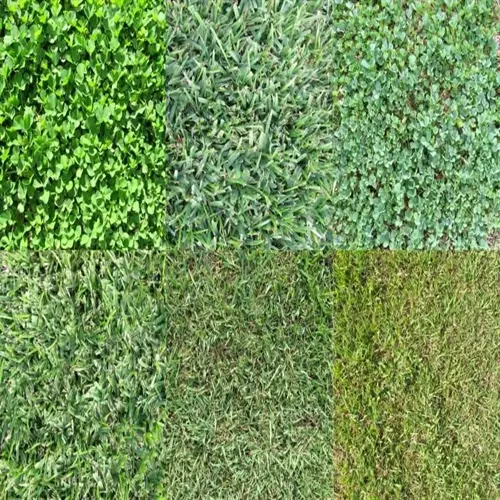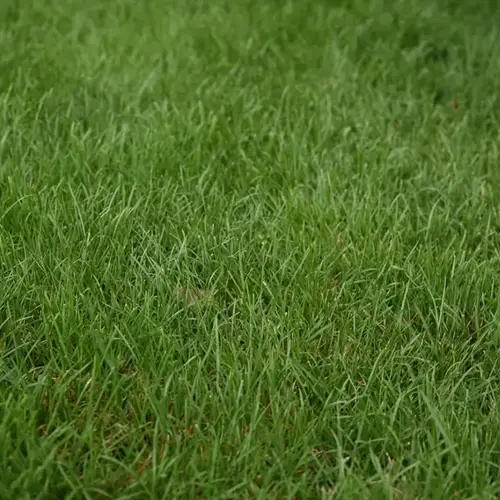

The best fertilizer for centipede grass is a low-nitrogen formula like 15-0-15 that feeds without pushing too much top growth. This grass needs less food than almost any other lawn type. Too much nitrogen does more harm than good, so a light touch goes a long way with centipede turf.
I learned this lesson from two sections of my own yard. One side got the right amount of fertilizer twice a year. The other side got the same treatment I used on my old bermuda lawn, which was way too much. Within one season, the over-fed side had thick spongy thatch that you could feel bounce under your feet. The color turned a dark green that looked great at first but masked a serious problem building underneath.
Centipede grass needs far less nitrogen than most lawns because of how its stolons break down. Extra nitrogen pushes rapid stolon growth on the surface. Those stolons contain tough lignin fibers that decay very slowly. The dead material stacks up into a thatch layer that blocks water and air from your soil. That thatch then invites fungal disease and insect problems into your lawn.
When you shop for the best fertilizer centipede grass responds to, look for a low first number on the bag. A 15-0-15 or 5-0-20 formula gives your lawn potassium for strong roots without too much nitrogen. Skip any bag where the first number sits above 15. Your soil test will tell you if your yard needs more nitrogen than the standard amount.
This centipede grass fertilizer schedule works for most yards in the Southeast. Your first feeding should come after the lawn reaches full green-up, which is usually around mid-May. Don't rush this step. Feeding too early forces new growth that a late frost can damage. If your lawn needs a boost in August, keep the second dose at 0.5 lbs of nitrogen or less to stay under the yearly limit.
When I want my centipede grass to look greener without adding more nitrogen, I reach for iron sulfate instead. Mix 2 oz in 5 gallons of water and spray it on your lawn in mid-summer. The grass turns a deeper green within 48 hours without any of the thatch risk that comes from nitrogen. This trick saves me from over-feeding while still getting the color I want in my yard.
Always start with a soil test before you buy any fertilizer bags for your centipede lawn. A $10-15 test from your county extension office tells you exactly what your soil has and what it lacks. You might find out your lawn only needs potassium and iron, not nitrogen at all. Apply potash 4-6 weeks before your first expected frost in fall to harden up the roots for winter. This late-season feeding helps your grass survive cold months and come back stronger the following spring.
Read the full article: Centipede Grass Care and Growing Guide