
Introduction
Tall fescue ranks as the top cool-season grass for yards that face brutal summers. Iowa State research confirms it has the highest heat and drought ratings in its class. If your property sits in the transition zone where heat turns other lawns brown, this grass keeps on growing strong.
I've grown this drought tolerant grass on my own lot for over 8 years now. During one rough summer, I watered just 3 to 5 times total for the whole season. My neighbor's bluegrass went dormant and turned the color of cardboard. The secret sits underground, where roots reach 2 to 3 feet deep to pull moisture other grasses can't touch.
Think of tall fescue as the all terrain vehicle of lawn grasses. It powers through clay soil, handles partial shade, and shrugs off heat that stalls other options. This grass first came to the United States from Europe in the early 1800s. UC Davis now calls it the most common lawn grass in California.
This guide shows you how to grow a thick, green lawn from scratch or improve what you have. You'll learn the best varieties to pick, when to plant, how to care for each season, and how to prevent problems that trip up most homeowners.
8 Best Tall Fescue Varieties
Your tall fescue seed choice matters more than any other lawn decision you'll make. Modern turf type tall fescue varieties produce fine blades and dense growth that rival bluegrass for looks. Older forage types like Kentucky 31 grow coarse and clumpy, which is why Purdue scientists now call KY 31 a weed in residential lawns.
Think of Kentucky 31 as the old pickup truck of fescue cultivars. It gets the job done but looks rough doing it. The upgraded turf type models below give you a refined, attractive lawn that still keeps all the toughness you want. Penn State research shows that endophyte enhanced varieties also fight off insects on their own, so you spend less on pest control.
Alabama Extension tested dozens of tall fescue varieties and picked these as the best. I've used several on my own yard and on projects for friends. The results beat Kentucky 31 by a wide margin. Pick your tall fescue seed based on your biggest need, whether that's shade, traffic, or drought survival.
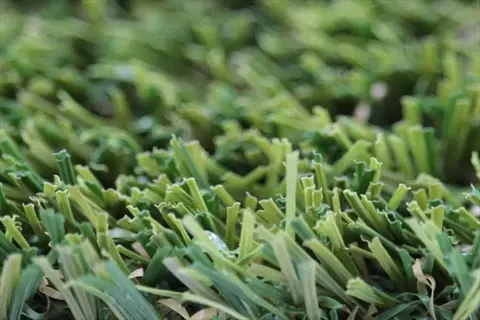
Firenza II Tall Fescue
- Blade texture: Firenza II produces fine-textured blades that create a dense, uniform lawn appearance comparable to Kentucky bluegrass in visual quality and softness underfoot.
- Heat performance: This variety performs very well in the transition zone where summer temperatures often exceed 90°F (32°C) during peak months.
- Disease resistance: Firenza II shows strong resistance to brown patch and gray leaf spot, the two most common fungal threats to tall fescue lawns across humid regions.
- Shade tolerance: Performs well in partial shade areas under trees where other lawn grasses struggle to maintain density and green color throughout the growing season.
- Root depth: Develops an extensive root system that reaches deeper than older varieties, improving drought survival during extended dry periods without supplemental irrigation.
- Best suited for: Homeowners in USDA Zones 4 through 7 who want a fine-bladed lawn with minimal fungicide needs and strong summer performance in mixed sun conditions.
Bonfire Tall Fescue
- Blade color: Bonfire produces a deep, dark green color that holds well into late fall and greens up earlier than many other tall fescue varieties in spring.
- Traffic tolerance: Stands up well to moderate foot traffic from children and pets, making it a practical choice for active family yards and backyard play areas.
- Growth density: Forms a thick, tight canopy that suppresses weeds on its own when maintained at the recommended 3-inch (7.6 centimeter) mowing height year-round.
- Water efficiency: Requires less supplemental irrigation than older tall fescue selections thanks to improved root architecture that pulls moisture from deeper soil layers.
- Establishment speed: Germinates within 7 to 10 days under favorable fall planting conditions, establishing a visible lawn faster than many competing turf-type cultivars.
- Best suited for: Yards with moderate to heavy family use in Zones 5 through 7 where a dark green, traffic-resistant lawn is the primary goal for homeowners.

Zion Tall Fescue
- Drought survival: Zion ranks among the top performers in drought trials, maintaining green color longer than standard varieties during extended summer dry spells without watering.
- Blade width: Features medium-fine blade texture that balances visual appeal with durability, offering a softer feel than coarse forage types while resisting wear.
- Adaptability: Thrives across a wide range of soil types including heavy clay, sandy loam, and acidic soils with pH levels as low as 5.5 without amendments.
- Mowing response: Recovers fast from mowing stress and maintains a clean cut appearance without excessive clipping production that would require frequent raking or bagging.
- Endophyte status: Contains beneficial endophyte fungi that deter surface-feeding insects like armyworms and sod webworms, reducing the need for chemical pest treatments.
- Best suited for: Properties with challenging soil conditions in Zones 4 through 8 where drought tolerance and low-input management are top priorities for the homeowner.
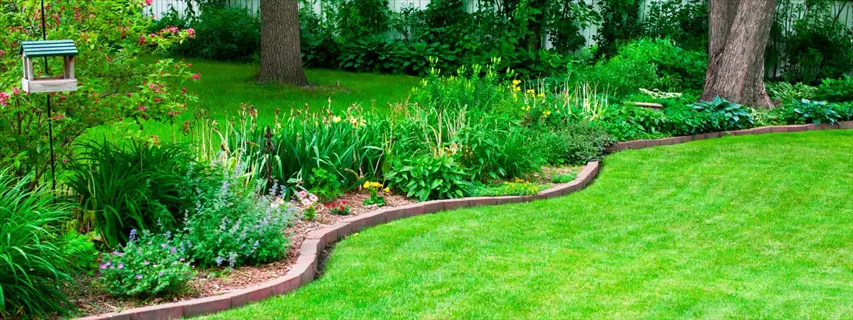
Avenger III Tall Fescue
- Wear recovery: Avenger III rebounds fast from heavy foot traffic damage, making it an excellent choice for sports practice areas, dog runs, and high-activity backyard zones.
- Summer color: Maintains rich green color through peak summer heat better than many turf-type varieties, staying in active growth when temperatures reach 90°F (32°C) and above.
- Overseeding compatibility: Blends well with existing tall fescue stands when overseeding, filling in thin patches without creating noticeable color or texture differences in the lawn.
- Disease profile: Shows improved resistance to net blotch and Rhizoctonia brown patch compared to first-generation turf-type varieties released in earlier decades.
- Cold tolerance: Handles winter temperatures in USDA Zone 4 without significant crown damage, expanding the useful range of tall fescue into colder northern regions.
- Best suited for: High-traffic residential lawns and pet owners in Zones 4 through 7 who need a variety that recovers fast from wear and maintains dense coverage.

Symphony Tall Fescue
- Visual quality: Symphony scores high each year in National Turfgrass Evaluation Program trials for overall turf quality, color, and density among tall fescue entries.
- Fine blade texture: Produces some of the finest leaf blades available in turf-type tall fescue, creating a lawn that looks close to the texture of Kentucky bluegrass sod.
- Low growth rate: Grows a bit slower than other varieties, which means less frequent mowing and reduced clipping volume during the peak spring and fall growing seasons.
- Heat stress response: Maintains active growth and green color during moderate heat stress periods, reducing the brown-out risk common with less heat-adapted cool-season varieties.
- Fertilizer efficiency: Responds well to low-input fertilization programs, producing quality turf with as little as 2 pounds of nitrogen per 1,000 square feet per year.
- Best suited for: Homeowners who prioritize visual appearance and want a low-mowing, fine-textured tall fescue lawn in Zones 5 through 7 with moderate maintenance commitment.

Degas Tall Fescue
- Shade performance: Degas performs better than most tall fescue varieties in shaded conditions, maintaining acceptable density under tree canopies that filter 40% to 60% of sunlight.
- Root development: Develops a deep, fibrous root system fast after establishment, reaching functional drought-survival depth within the first full growing season after planting.
- Spring green-up: Greens up earlier in spring than many tall fescue varieties, providing color and active growth weeks before warm-season grasses break winter dormancy.
- Insect deterrence: Contains endophyte fungi that produce natural compounds deterring above-ground feeding insects, offering built-in pest protection without chemical applications on the lawn.
- Soil erosion control: The dense root network makes Degas effective for slope stabilization and erosion-prone areas where other grasses fail to hold soil during heavy rainfall.
- Best suited for: Partially shaded properties with slopes or erosion concerns in Zones 4 through 7, particularly yards surrounded by mature trees that limit direct sunlight hours.

Xanadu Tall Fescue
- Density rating: Xanadu produces one of the densest canopies among turf-type tall fescue varieties, which crowds out weed seedlings and reduces herbicide dependency.
- Brown patch tolerance: Shows above-average tolerance to Rhizoctonia brown patch compared to many competitors, holding up better during humid summer nights above 70°F (21°C).
- Establishment vigor: Seeds germinate fast and produce aggressive seedling growth, filling in seeded areas faster than slower-establishing varieties during the fall planting window.
- Transition zone fit: Performs very well in the mid-Atlantic and upper South regions where summer heat and winter cold test the limits of both cool and warm season grasses.
- Mowing height range: Tolerates a wider mowing height range from 2.5 to 4 inches (6.4 to 10.2 centimeters) without quality loss, giving homeowners flexibility in lawn appearance.
- Best suited for: Transition zone homeowners in Zones 6 through 7 who want maximum turf density for weed suppression with improved brown patch tolerance during humid summers.
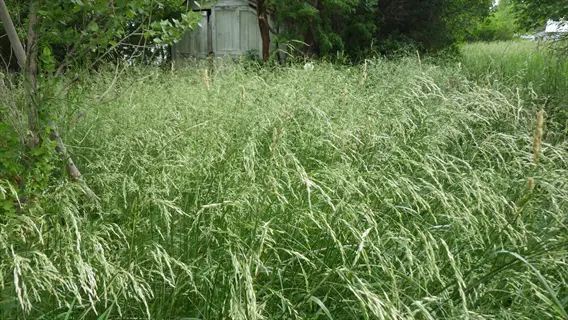
Kentucky 31 (Avoid for Lawns)
- Historical context: Kentucky 31 was the original tall fescue variety planted all across the United States starting in the 1940s, built for livestock pastures and roadside erosion control.
- Blade appearance: Produces wide, coarse blades that stand out from surrounding turf grasses, creating an uneven, patchy look that many homeowners find unattractive in residential settings.
- Clumping habit: Grows in distinct clumps with wide spacing between plants, leaving bare soil exposed that invites weed colonization and requires frequent overseeding to maintain coverage.
- Endophyte concern: Contains a toxic endophyte fungus that produces alkaloids harmful to grazing livestock, which is why Penn State research led to development of novel endophyte replacements.
- Seed cost appeal: Often sold at much lower prices than improved varieties, which attracts budget-conscious buyers who may not realize the long-term maintenance costs are higher.
- Why to avoid: Purdue University turfgrass scientists classify Kentucky 31 as a weed in lawns because its coarse texture and clumping growth cannot match modern turf-type variety performance.
Planting Tall Fescue
Planting tall fescue the right way saves you months of frustration and wasted seed. The best time to plant falls in September through October when soil temps sit between 50 and 65°F. I've tried spring seeding twice, and both times weeds choked out half my new grass before it could take hold.
Good soil preparation makes or breaks your results. Start with a soil test 4 to 6 weeks before your seeding date so you have time to fix any pH issues. Tall fescue seed grows best in soil with a pH between 5.5 and 6.5. Iowa State recommends a seeding rate of 7 to 9 pounds per 1,000 square feet for new lawns. That gives you full coverage without wasting seed.
For overseeding tall fescue on thin spots, drop your rate to 5 to 7 pounds per 1,000 square feet. You'll need to do this every 3 to 5 years because tall fescue is a bunch type grass that won't spread to fill gaps on its own. Mix in 5% to 10% Kentucky bluegrass seed, as Iowa State suggests, and those bluegrass plants will creep into bare spots over time.
Test and Prepare Your Soil
- Soil test first: Send a soil sample to your local cooperative extension office 4 to 6 weeks before planting to determine pH level, nutrient deficiencies, and amendment needs specific to tall fescue.
- Target pH range: Adjust soil pH to 5.5 through 6.5 using lime for acidic soil or sulfur for alkaline soil, since tall fescue produces its best growth within this range according to Alabama Extension.
- Loosen the surface: Till or rake the top 4 to 6 inches (10 to 15 centimeters) of soil to break up compaction, which allows new roots to penetrate deep and access water during dry periods.
Choose Your Seed Blend
- Recommended mix: Iowa State Extension recommends a blend of 90% to 95% turf-type tall fescue with 5% to 10% Kentucky bluegrass to fill gaps between fescue clumps over time.
- Avoid Kentucky 31: Select improved turf-type varieties like Firenza II, Bonfire, or Zion rather than forage-type Kentucky 31, which Purdue classifies as a weed in residential lawns.
- Check endophyte levels: Look for seed labels that indicate endophyte-enhanced varieties, which provide natural resistance to surface-feeding insects like armyworms and sod webworms.
Seed at the Right Time and Rate
- Fall planting window: Sow seed in September through October when soil temperatures range between 50 and 65°F (10 and 18°C), which Alabama Extension identifies as the best time to plant.
- Seeding rate: Spread 7 to 9 pounds of seed per 1,000 square feet for new lawns, or 5 to 7 pounds per 1,000 square feet when overseeding an existing thin stand of tall fescue.
- Seed depth: Press seeds into the top 0.25 inch (0.6 centimeters) of soil using a roller or by light raking, since tall fescue seeds need soil contact but should not be buried deep.
Water and Monitor Germination
- Initial watering: Keep the top 1 inch (2.5 centimeters) of soil moist with light, frequent watering 2 to 3 times per day for the first 10 to 14 days after seeding.
- Germination timeline: Expect visible sprouts within 5 to 10 days under good conditions, with a usable lawn filling in over 4 to 6 weeks as seedlings grow and strengthen.
- First mowing: Wait until new grass reaches 4 inches (10 centimeters) tall before the first cut, then mow down to 3 inches (7.6 centimeters) to encourage root growth.
Seasonal Maintenance Calendar
Good tall fescue maintenance follows the seasons, not the calendar on your wall. Each season brings different tasks based on what your grass needs at that point in its growth cycle. I keep a simple checklist for each season, and it takes the guesswork out of when to mow, water, and feed my lawn.
The table below breaks down your mowing height, watering tall fescue needs, and fertilizing tall fescue schedule. Alabama Extension says to apply 2 to 4 pounds of nitrogen per 1,000 square feet each year. Put most of that down in fall. If you want a low input approach, Iowa State says a single late October dose of 1 pound per 1,000 square feet does the job. In my experience, that single fall feeding keeps my lawn green enough to look great.
Fall is your power season for overseeding and aeration. Core aerate in September before you drop seed so the plugs open up the soil for roots. Summer is when you back off and let the grass rest. Skip the fertilizer and raise your mowing height to 3.5 or 4 inches to shade the root zone from heat stress.
Soil Health and Fertilization
Your soil test results tell you more about your lawn's future than any bag of fertilizer ever will. I skipped soil testing my first year and dumped nitrogen on soil that was too acidic to use it. That mistake cost me a whole season of growth. A simple $15 soil test from your local extension office shows you the soil pH tall fescue needs. It also tells you what soil amendments to add before you waste money on wrong products.
Tall fescue handles a wider pH range than most grasses, which is one reason it grows on clay soils, wet ground, and even old mine sites. Penn State research shows it beats other cool season grasses on soils with pH below 5.5. Still, it hits peak growth between pH 6.0 and 7.0 based on that same data. Here's your simple plan for a lime application or sulfur fix based on your soil test results.
If your soil pH sits below 5.5, add lime to raise it. If it reads above 7.0, use sulfur to bring it down. If you land between 5.5 and 6.5, skip the amendments and go straight to fertilizing tall fescue on the schedule that fits your goals. The table below shows the nitrogen requirements for three levels of care.
Disease and Pest Prevention
Brown patch tall fescue problems show up as circles of dead grass that can ruin your lawn in just a few days. Alabama Extension calls brown patch the most destructive disease for this grass type. I lost a 10 foot section of my front lawn to it one July before I learned how to spot the warning signs early.
The key to weed control tall fescue success starts with a pre-emergent herbicide in early spring before soil temps hit 55°F. For disease and pest issues, watch for the visual clues your lawn gives you. Brown circles mean fungal trouble. Chewed blade tips point to armyworms or sod webworms. Patches that peel up like carpet mean grubs are eating roots below the surface.
Your best defense is good cultural practice. Mow at 3 inches, water in the morning so blades dry before dark, and skip summer fertilizer. For gray leaf spot, watch new seedlings in late summer since young plants are most at risk. A well timed fungicide application when nighttime lows first reach 60°F stops brown patch before it takes hold. Penn State research also shows that endophyte enhanced varieties fight off surface pests on their own, so your seed choice matters too.
Brown Patch Disease
- Visual symptoms: Circular patches of brown, wilted grass ranging from 6 inches to several feet wide appear during hot, humid weather, often with a darker smoke ring at the edges.
- Trigger conditions: Brown patch kicks in when nighttime low temperatures stay above 60°F (16°C) and humidity is high, most often between June and September.
- Prevention strategy: Mow at 3 inches (7.6 centimeters), avoid evening watering that keeps blades wet overnight, and reduce nitrogen fertilizer during summer months to lower infection risk.
- Treatment timing: Apply fungicide when nighttime lows first reach 60°F (16°C) rather than waiting for visible symptoms, repeating every 14 to 28 days through summer.
Gray Leaf Spot
- Visual symptoms: Small olive green to brown spots with purple borders appear on individual grass blades, causing entire leaves to wither and die during severe infections.
- Risk factors: Young seedlings and areas you just overseeded face the highest risk, most often during warm, humid late summer conditions when new fall plantings are getting started.
- Cultural prevention: Avoid heavy nitrogen before or during hot weather, and improve air flow by clearing debris or thinning tree branches that hang over the lawn.
- Fungicide options: You may need preventive sprays on new seeded lawns in high risk areas, starting when conditions favor disease growth in late summer.
Surface-Feeding Insects
- Common pests: Armyworms, sod webworms, and cutworms feed on tall fescue leaf blades, creating ragged brown patches that spread fast during warm weather outbreaks.
- Detection method: Look for small caterpillars in the thatch layer at dusk, or pour soapy water over a damaged area to force larvae to the surface for identification.
- Endophyte advantage: Tall fescue varieties with beneficial endophyte fungi deter these surface feeders, which cuts down or removes the need for chemical insecticide treatments.
- Treatment approach: Spot treat active problems in the evening when larvae are feeding, and consider switching to endophyte enhanced seed when overseeding to build long term resistance.
White Grubs
- Damage pattern: White grubs feed on tall fescue roots below the soil surface, causing brown patches that pull up like loose carpet because the root system is gone.
- Peak damage period: Most grub damage appears in late summer through early fall when larvae are feeding hard before they move deeper into soil for winter.
- Threshold level: A few grubs per square foot are normal and harmless, but populations above 8 to 10 grubs per square foot of soil need treatment to prevent lawn loss.
- Control timing: Apply preventive grub control products in late spring to early summer before eggs hatch, or use curative treatments in early fall when feeding damage first appears.
Tall Fescue vs Other Grasses
Picking the right grass comes down to your climate, how much work you want to do, and what your yard faces each day. When I first chose tall fescue vs Kentucky bluegrass for my property, the drought factor sealed the deal. Purdue data shows tall fescue greens up faster in spring and stays green during summer droughts when bluegrass goes dormant.
The tall fescue vs bermuda debate depends on where you live. Bermuda handles extreme heat and heavy traffic tolerance better in Zones 7 through 10. But tall fescue wins in cooler regions and needs far less water during mild summers. For tall fescue vs ryegrass, fescue takes the crown on heat and drought while ryegrass beats it on quick setup speed.
What about tall fescue vs fine fescue for shade? Fine fescue handles deep shade tolerance better, but it can't take heat or foot traffic the way tall fescue does. Iowa State calls tall fescue the low maintenance alternative to Kentucky bluegrass. UC Davis rates it excellent for heat and drought with low care needs. The table below puts these grasses side by side on the traits that matter most.
If your yard gets 4 or more hours of sun each day and you don't want to fuss over a high maintenance lawn, tall fescue is the smart pick. It fills the gap between warm season toughness and cool season green better than any other grass on this list.
5 Common Myths
Tall fescue is a weed grass that does not belong in a proper lawn and should be removed from residential yards.
Modern turf-type tall fescue varieties have fine blades and dense growth that rival Kentucky bluegrass in appearance and lawn quality.
Tall fescue will spread across your yard and take over flower beds and garden areas like an invasive grass species.
Tall fescue is a bunch-type grass that grows in clumps and does not spread aggressively through runners or underground stems.
You only need to water tall fescue once a month because it is drought tolerant and can survive on rainfall alone.
While tall fescue has excellent drought tolerance, it still needs 1 to 1.5 inches (2.5 to 3.8 centimeters) of water per week for a healthy green lawn.
Tall fescue goes completely dormant and turns brown every summer just like Kentucky bluegrass and other cool-season grasses.
Tall fescue has the best heat tolerance among cool-season grasses and stays green through summer when Kentucky bluegrass enters dormancy.
All tall fescue seed varieties are the same, so buying the cheapest bag at the store will give you identical lawn results.
Forage types like Kentucky 31 produce coarse, clumpy lawns, while improved turf-type varieties offer finer blades and denser, more attractive growth.
Conclusion
Tall fescue gives you the best shot at a green lawn that survives summer heat without breaking your budget on lawn care. Iowa State data backs this up: it has the highest heat and drought tolerance of all cool-season grasses. That single fact explains why it beats every other option in the transition zone.
I've spent years testing this grass, and three things matter most: variety choice, timing, and mowing height. Pick a turf type variety instead of Kentucky 31. Plant your seed in September through October at the right rate. Mow at 3 inches and follow a seasonal tall fescue maintenance plan. Those steps alone put you ahead of most homeowners.
Yes, tall fescue is a bunch type grass that won't spread to fill gaps on its own. But overseeding every 3 to 5 years is a simple 30 minute task that keeps your drought tolerant grass thick and green. Think of it as a quick tune up rather than a flaw. UC Davis reports that this grass is now the most common lawn choice in all of California for good reason.
Pick the right variety and stick to a basic seasonal plan for tall fescue. It turns into a tough, low cost cool-season grass that looks great year after year. Your neighbors will wonder how your lawn stays green while theirs turns brown every July.
External Sources
Frequently Asked Questions
What are the downsides of tall fescue?
Tall fescue grows in clumps rather than spreading, which creates thin patches over time that require overseeding every 3 to 5 years.
Is tall fescue a good lawn?
Yes, tall fescue makes an excellent lawn for homeowners who want a low-maintenance, drought-tolerant grass that stays green through summer heat.
Where does tall fescue grow best?
Tall fescue grows best in USDA Hardiness Zones 3 through 8, particularly in the transition zone where summers are too hot for other cool-season grasses.
What is the difference between fescue and tall fescue grass?
Fescue is a broad group of grasses that includes fine fescue, hard fescue, and tall fescue, while tall fescue is one specific species with wider blades and deeper roots.
What is the hardest grass to get rid of?
Tall fescue is considered one of the hardest grasses to eliminate because its deep root system can reach 2 to 3 feet into the soil.
Will fescue choke out other grass?
Tall fescue will not choke out other grasses because it is a bunch-type grass that grows in clumps rather than spreading through stolons or rhizomes.
How many days does it take tall fescue to grow?
Tall fescue seeds germinate in 5 to 10 days under favorable conditions, with visible lawn coverage appearing within 4 to 6 weeks.
What's better, rye grass or tall fescue?
Tall fescue is better for long-term lawns due to superior drought and heat tolerance, while ryegrass establishes faster but lacks durability in warm summers.
What is the common name for tall fescue?
The common name for Schedonorus arundinaceus is simply tall fescue, though it was previously classified under the scientific name Festuca arundinacea.
Which grass is better, bermuda or fescue?
Bermuda grass handles extreme heat and heavy traffic better, while tall fescue thrives in cooler climates and requires less water during mild summers.