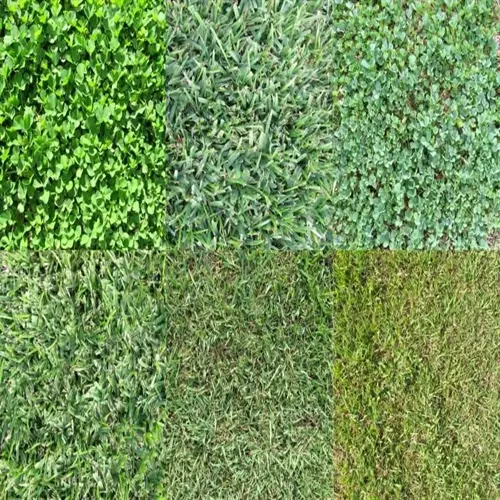

When choosing between rye grass or tall fescue for a permanent lawn, tall fescue wins for most homeowners. It handles heat and drought far better than ryegrass, stays green through tough summers, and builds a deeper root system that keeps it alive when rainfall drops off. Ryegrass has its strengths, but long-term lawn performance isn't one of them.
I learned this firsthand when I patched a bare section of my yard with perennial ryegrass one spring because I wanted fast results. The ryegrass sprouted in 5 days and looked fantastic by May. Then July arrived with three straight weeks above 95°F and the ryegrass patch turned brown and died. The tall fescue surrounding it stayed green the entire time. That one summer taught me which grass belongs in a permanent lawn and which one works for temporary fixes.
The root systems tell the whole story when comparing tall fescue vs ryegrass. Tall fescue pushes roots down 2 to 3 feet into the soil, tapping into water reserves that surface grasses never reach. Ryegrass roots stay in the top 6 to 8 inches, which means any dry stretch lasting more than a week or two leaves ryegrass without a water source. Deep roots are the reason tall fescue survives conditions that kill ryegrass every summer.
Iowa State Extension gives tall fescue the highest heat and drought rating of all cool-season grasses. UC Davis rates ryegrass as poor for heat tolerance, putting it at the bottom for warm-summer zones. If your area gets hot between June and September, the data makes this choice simple for you. Tall fescue wins on heat by a wide margin.
Perennial ryegrass compared to fescue does have a few real strengths worth knowing. Ryegrass sprouts in just 3 to 7 days, making it the fastest cool-season grass you can plant. It bounces back from wear damage fast because it tillers hard after foot traffic. You also get a fine, dark green look that many people find more attractive in the cooler months.
Ryegrass makes sense in two situations for your yard. First, use it as quick temporary cover when you need to stop erosion or fill a bare spot fast. You can overseed with tall fescue later for long-term results. Second, southern homeowners seed ryegrass over dormant bermuda lawns each fall. This keeps your lawn showing green color through winter months. In both cases, ryegrass does its short-term job well.
For any permanent lawn in your transition zone or drought-prone yard, plant tall fescue as your main grass. You can mix in 10 to 15% perennial ryegrass for faster green-up during the first few weeks. The fescue should make up the bulk of your seed blend though. You get fast early color from the ryegrass and long-term heat survival from the tall fescue. That combo covers both your short-term and long-term needs in one seeding.
Read the full article: Tall Fescue Grass Guide for Homeowners