
Introduction
The first rays of sunlight hit your garden fence and dozens of fresh blooms twist open in a slow spiral of color. The morning glory flower is the alarm clock of your garden. These plants unfurl trumpet-shaped flowers each sunrise and fold them away before dinner. No other climbing vine puts on this kind of daily show with so little effort from you.
I grew my first morning glories on a rusty chain link fence about 8 years ago. What started as a single packet of seeds turned into a wall of blue and purple blooms. My neighbors kept stopping to ask what I planted. The genus Ipomoea holds more than 600 species and scientists have studied these plants for over 80 years. Even the sweet potato sits in this same genus, producing 170 million tons of food each year.
Japanese gardeners have grown morning glories since the eighth century. Tokyo still hosts the Iriya Morning Glory Festival each summer. Ipomoea purpurea is the species you'll find most at garden centers. But dozens of other varieties offer different colors and growth habits. Whether you want a fast climbing vine for privacy or a splash of color on a post, this guide has you covered.
Below you'll find the best varieties to grow and planting tips that save you time. You'll also get care advice I learned through trial and error. I added design ideas to help make your morning glories the star of your yard this season.
8 Morning Glory Varieties
Morning glory varieties come in far more than the classic blue you see on seed packets. Some species produce flowers up to 8 inches across while others stay small enough for a hanging basket. Each morning glory color carries its own meaning too. Blue stands for trust, white for purity, red for passion, and purple for royalty.
I've grown 6 of these 8 types in my own garden over the years. Heavenly Blue and Grandpa Ott are the most common picks. But Scarlett O'Hara and the cardinal climber deserve more attention too. If you have limited space, the dwarf morning glory works great in pots. The moonflower is the odd one out since it blooms at night instead of dawn. Here are the best morning glory varieties to match your garden and goals.
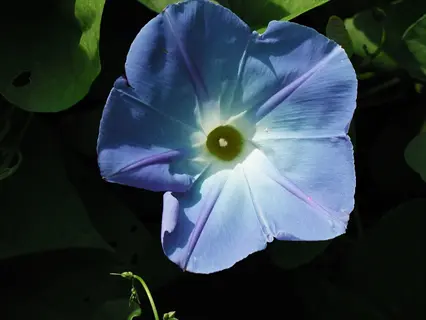
Heavenly Blue
- Color: Vivid sky-blue blooms measuring 3 to 5 inches (7.6 to 12.7 centimeters) across with a bright white throat at the center.
- Growth: Reaches heights of 10 to 15 feet (3 to 4.5 meters) on a trellis or fence and covers structures fast in warm weather.
- Best For: Classic cottage garden displays, fence coverage, and creating a cool-toned vertical backdrop behind shorter perennials.
- Bloom Time: Flowers open at dawn from midsummer through the first fall frost, with peak production during warm stretches.
- Care Note: Thrives in full sun with lean soil and benefits from deadheading to prolong the flowering season into autumn.
- Fun Fact: This is the most recognized morning glory cultivar and appears in every major gardening guide as the go-to variety.
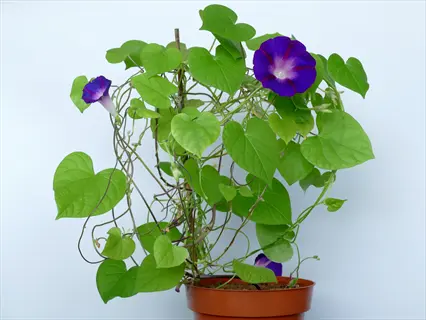
Grandpa Ott
- Color: Deep royal purple petals with a magenta-red star pattern radiating from the center throat of each bloom.
- Heritage: An heirloom variety brought from Bavaria by John Ott and preserved through the Seed Savers Exchange organization.
- Growth: Climbs 10 to 15 feet (3 to 4.5 meters) with vigorous twining stems and dense heart-shaped foliage cover.
- Best For: Heritage gardens, pollinator plantings, and gardeners who want to save seeds and maintain heirloom genetics each year.
- Bloom Time: Produces abundant flowers from midsummer through fall, with blooms appearing each day in clusters along the vine.
- Care Note: Self-seeds with ease so deadhead spent flowers or remove vines before pods dry to control volunteer seedlings.
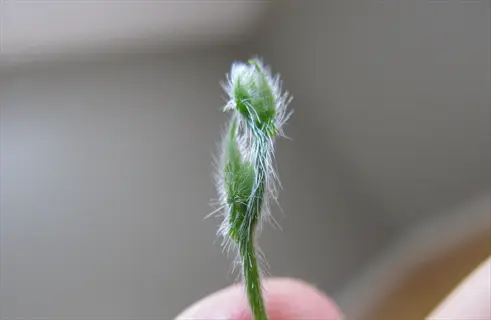
Scarlett O'Hara
- Color: Rich crimson-red blooms with a darker throat, adding warm tones that stand out against green foliage.
- Growth: Reaches 8 to 12 feet (2.4 to 3.6 meters) and has a more compact habit than blue varieties.
- Best For: Adding bold color contrast to garden structures, mixing with blue or white varieties for a patriotic display.
- Bloom Time: Flowers appear from midsummer through early fall, opening each morning with reliable production.
- Award: This cultivar won an All-America Selections award, recognizing its superior garden performance and color impact.
- Care Note: Performs best in full sun with moderate watering and benefits from a trellis or string support for climbing.
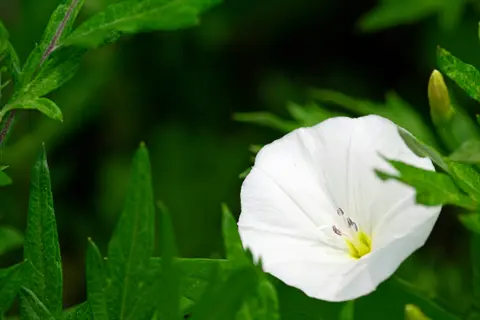
Moonflower (Ipomoea alba)
- Color: Pure white, fragrant blooms that can reach up to 6 inches (15.2 centimeters) across, glowing soft in moonlight.
- Unique Trait: Unlike other morning glories, moonflower opens at dusk and stays open through the night, closing by midmorning.
- Growth: Vigorous climber reaching 10 to 15 feet (3 to 4.5 meters) with large, heart-shaped leaves that create dense coverage.
- Best For: Evening gardens, patios used for nighttime entertaining, and pairing with day-blooming morning glories for all day flowers.
- Bloom Time: Flowers from midsummer through fall, with buds expanding from closed to full open in about 60 seconds.
- Care Note: Soak seeds for 24 hours or nick the seed coat before planting because the hard shell slows germination a great deal.
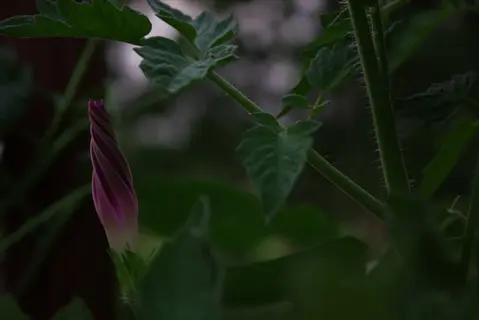
Flying Saucers
- Color: Striking blue and white marbled or striped petals that create a unique pinwheel pattern on each bloom.
- Growth: Reaches 8 to 10 feet (2.4 to 3 meters) with a moderate climbing habit on trellises and fences.
- Best For: Gardeners looking for unusual two-color patterns, container trellises, and adding visual range to morning glory collections.
- Bloom Time: Flowers from midsummer through early fall, with each bloom showing a different stripe pattern.
- Visual Impact: The marbled effect means no two flowers look the same, providing a display that starts conversations every morning.
- Care Note: Grows best in full sun with average soil and consistent moisture during the first weeks after transplanting.
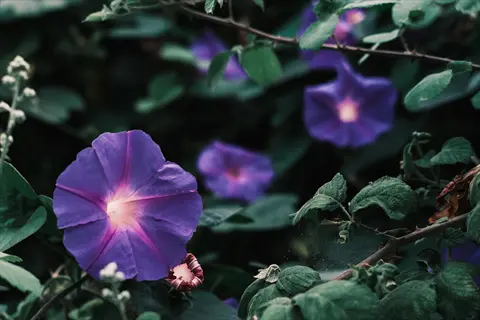
Kniola's Black
- Color: The deepest purple blooms of any morning glory variety, appearing near black in certain lighting conditions and angles.
- Growth: Climbs 6 to 10 feet (1.8 to 3 meters) with a less vigorous habit than Heavenly Blue, suiting smaller spaces.
- Best For: Gothic garden themes, dramatic container displays, and creating high-contrast combos with white or pink flowering plants.
- Bloom Time: Produces flowers from midsummer through fall, with the darkest color appearing during cooler morning temperatures.
- Rarity: Less common than mainstream varieties, making it a sought-after cultivar for collectors and niche gardeners.
- Care Note: Provide full sun for the deepest flower color because shade causes the blooms to appear lighter purple instead.
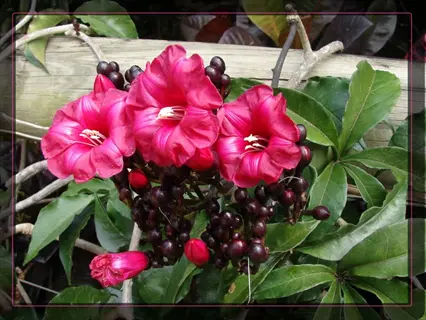
Cardinal Climber
- Color: Small, bright red tubular flowers about 1 inch (2.5 centimeters) across, produced in clusters along the vine stems.
- Foliage: Features cut, feathery leaves that look very different from the heart-shaped leaves of other morning glories.
- Growth: Reaches 10 to 15 feet (3 to 4.5 meters) fast and creates a lighter, more airy screen than broad-leafed varieties.
- Best For: Attracting hummingbirds, as the tubular red flowers are shaped just right for hummingbird feeding habits.
- Bloom Time: Flowers from midsummer through first frost, with nonstop production that keeps hummingbirds coming back each day.
- Care Note: A hybrid cross between cypress vine and morning glory, this variety prefers full sun and does well on string trellises.
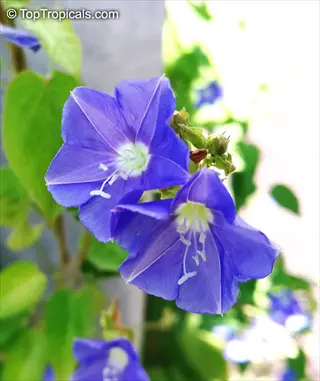
Dwarf Morning Glory (Evolvulus)
- Color: Compact clusters of true blue flowers about 1 inch (2.5 centimeters) wide on a low, mounding, non-climbing plant form.
- Growth: Stays under 12 inches (30.5 centimeters) tall and spreads 1 to 2 feet (30.5 to 61 centimeters) wide without climbing.
- Best For: Hanging baskets, container edges, ground cover, and gardeners who want morning glory flowers without aggressive vining.
- Bloom Time: Flowers stay open longer through the day than climbing morning glories, often lasting into the afternoon hours.
- Low Maintenance: Does not self-seed like its climbing relatives, making it much easier to control in small gardens.
- Care Note: The variety Blue My Mind is the most popular dwarf cultivar, thriving in heat and humidity with minimal watering needs.
Each of these morning glory colors brings something different to the table. Pick one that fits your garden size and the look you want. You can also mix 2 or 3 types on the same trellis for a multi-color display that changes every morning.
Growing Morning Glories
Growing morning glory from seed is one of the easiest projects I've taken on in my garden. These vines can cover a trellis in about 6 weeks from seed when the weather stays warm. The trick is getting the timing and seed prep right from the start.
Morning glory seeds have a tough outer coat that evolved to survive animal digestion. You need to break through that shell before planting morning glories. Pick one of two methods for seed scarification and stick with it. Soaking seeds in warm water for 24 hours works great until they swell up. Or you can nick each seed with a small file to crack the coat. Both methods cut your germination time from 5 to 21 days down to the faster end of that range.
Wait until after your last frost date to direct sow seeds outside. Soil needs to reach at least 65°F (18°C) before morning glories will sprout. In the Southeast, that means late March or April. Northern states should wait until May or even early June. Pacific Northwest gardeners do best planting in late May once the soil warms up after spring rains pass.
In USDA zones 9 through 11, morning glories grow as perennials and come back each year on their own. Everywhere else they grow as annuals and die at the first frost. If you live in a colder zone, start seeds indoors 3 to 4 weeks before your last frost date to get a head start on the season.
Morning Glory Care Tips
Morning glory care is simpler than most people think, but a few common mistakes can ruin your blooms. I learned most of these lessons the hard way in my first two seasons of growing them. The biggest errors happen with water, soil, and fertilizer.
Your morning glories need full sun for at least 6 hours each day. Less light means fewer flowers and more leaves. I moved a pot from my east patio to the south side one summer and the bloom count tripled within 2 weeks. Plant them where the sun hits hardest and you'll get the best show.
Watering morning glory vines is where new growers go wrong most often. These plants need well-drained soil that dries out a bit between drinks. Overwatering drowns the roots and causes yellow leaves. Cold snaps can also turn leaves yellow, so don't assume it's a water problem right away. Give them about an inch of water per week and let the soil dry between sessions.
Fertilizing morning glory plants is the most backwards part of growing them. Too much nitrogen gives you a big green vine with zero flowers on it. Morning glories evolved in poor tropical soil so rich garden beds work against them. Skip the heavy fertilizer and use a low nitrogen blend once at planting time. A light layer of mulching around the base keeps weeds down and holds moisture without adding too many nutrients.
Deadheading spent blooms each week keeps new flowers coming all season long. Just pinch off the faded trumpets before they form seed pods. This simple step also stops the vines from self-seeding all over your yard. Morning glories attract butterflies and hummingbirds to your yard. That makes them a great pick for any pollinator garden setup. You get beauty and wildlife support from the same plant with almost no extra work.
Symbolism and History
Morning glory meaning goes back thousands of years. Ancient people in Central America used the sap from these vines to produce rubber. That makes morning glories one of the oldest plants people grew on purpose in the Americas. I find the morning glory history behind these blooms just as stunning as the flowers.
Japanese culture gave morning glory symbolism its deepest roots. Gardeners in Japan started growing these flowers in the eighth century. By 1934, Japanese scientists used Ipomoea nil color variants to build one of the first plant genetic maps ever made. The morning glory is also the September birth flower. That ties it to the turn of seasons from summer into fall.
The Victorian language of flowers added a bittersweet twist to morning glory color meaning. A fresh bloom could show love and affection for someone close to you. But each flower dies by afternoon. Victorians carved morning glory vines into gravestones to show the short nature of life. I planted white morning glories near my grandmother's memorial garden bench for this exact reason.
Each color carries its own message too. Blue stands for trust and respect between close friends. White means purity and fresh starts in life. Red speaks of passion and deep emotion. Purple stands for royalty and change. Knowing these meanings helps you pick the right color for gifts or special gardens.
Blue Morning Glory
- Symbolism: Blue morning glories represent trust, respect, and deep emotional connection, making them a thoughtful gift between close friends and partners.
- Cultural Use: In the Victorian language of flowers, blue blooms conveyed faithfulness and were often included in bouquets meant to show lasting devotion.
- Garden Mood: Planting blue varieties like Heavenly Blue creates a calm, serene atmosphere in garden spaces used for relaxation and reflection.
White Morning Glory
- Symbolism: White morning glories symbolize purity, innocence, and new beginnings, which made them popular in memorial gardens and bridal arrangements.
- Cultural Use: Victorian gravestone carvings often featured morning glory vines to represent the brief nature of life and the hope of renewal.
- Garden Mood: Moonflower and other white varieties glow beautifully at dusk, creating peaceful evening gardens that feel contemplative and serene.
Red Morning Glory
- Symbolism: Red morning glories represent passion, strong emotion, and heartfelt love, carrying the boldest meaning of all morning glory colors.
- Cultural Use: Red varieties like Scarlett O'Hara make dramatic statements in gardens and symbolize intense romantic feelings in flower arrangements.
- Garden Mood: Pairing red morning glories with cardinal climbers creates a warm, energetic garden corner that also attracts hummingbirds for feeding.
Purple Morning Glory
- Symbolism: Purple morning glories are associated with royalty, spiritual awareness, and transformation, reflecting the flower's daily cycle of opening and closing.
- Cultural Use: Deep purple varieties like Grandpa Ott and Kniola's Black carry an air of mystery and are prized in both heritage and gothic gardens.
- Garden Mood: Purple blooms create depth and drama in mixed plantings, pairing especially well with yellow or orange companion flowers for contrast.
Pests, Diseases, and Fixes
Morning glory pests and morning glory diseases are less common than you might expect. These plants produce ergot alkaloids from fungi that live inside them. Those compounds give the vines some natural pest resistance but they don't stop everything. In my experience, aphids and leaf spot show up on vines more than anything else.
Aphids are the number one pest you'll run into on your morning glories. They cluster on new growth and leave sticky residue on your leaves. A good blast of neem oil mixed with water knocks them right off. You can also release ladybugs and other beneficial insects near your vines. These natural predators eat aphids faster than any spray can kill them.
Leaf miners leave white trails inside your leaves that look like tiny worm tunnels. Pick off any leaf you see with trails and throw it in the trash. Don't compost it or the problem comes back. Fusarium wilt is the worst morning glory disease because the plant wilts even when the soil stays wet. You need to pull the whole plant and avoid planting morning glories in that spot for 2 to 3 years.
Leaf spot shows up as brown or black marks on your leaves. Better air flow around your vines fixes most cases on its own. For bad outbreaks, a copper spray works well. Self-seeding control matters just as much as pest control with these plants. Morning glories can drop hundreds of seeds per vine each season. About 30 morning glory species count as noxious weeds in North America. Infestations have cut crop yields by 80% to 88% in cotton fields. Deadhead your spent blooms and pull vines in fall to keep them from taking over your yard.
Trellis and Landscape Ideas
A good morning glory trellis can change the look of your whole yard in a single season. These vines cover a structure in about 6 weeks from seed, making them one of the fastest privacy screens you can grow. I turned a bare chain link fence into a wall of blue blooms by midsummer using nothing but a $3 seed packet.
Your morning glory landscape design depends on the space you have. A small balcony works best with container gardening and an obelisk or small trellis in the pot. Large fences and walls call for vigorous climbers like Heavenly Blue. Pergola or arbor setups let you train the vines overhead for dappled shade during hot months. Vertical gardening with morning glories gives you flowers and a privacy screen at the same time.
Companion planting matters more than most growers realize with these vines. Marigolds, zinnias, and sunflowers all grow well next to morning glories without competing for light. Avoid planting them near tomatoes or other crops because the dense vine growth blocks sunlight from reaching shorter plants. In my garden, I pair morning glories with black eyed Susans along a fence and the combo draws tons of butterflies all summer.
Trellis or Lattice Panel
- Setup: Install a trellis at least 6 feet (1.8 meters) tall against a wall or fence, leaving 3 to 4 inches (7.6 to 10 centimeters) of gap for air circulation behind the vines.
- Best Varieties: Heavenly Blue, Grandpa Ott, and Scarlett O'Hara all thrive on trellis supports and produce dense, colorful coverage within weeks.
- Design Tip: Position the trellis on the south or west side of a patio to create a living shade screen that blocks afternoon sun during summer months.
Pergola or Arbor
- Setup: Train morning glory vines up pergola posts by tying young stems loosely with soft garden twine until the natural twining habit takes over.
- Best Varieties: Moonflower and Heavenly Blue create a dramatic overhead canopy that provides dappled shade and daily blooms over seating areas.
- Design Tip: Pair morning glories on a pergola with outdoor string lights for a garden room that looks beautiful from sunrise through evening hours.
Container with Obelisk
- Setup: Use a large pot at least 12 inches (30.5 centimeters) wide with a 4 to 5 foot (1.2 to 1.5 meter) obelisk inserted into the center for climbing support.
- Best Varieties: Smaller varieties or cardinal climbers work well in containers because their lighter growth does not overwhelm the support structure.
- Design Tip: Place container arrangements on balconies, patios, or flanking doorways to bring vertical color to spaces without permanent garden beds.
Fence or Mailbox Post
- Setup: Plant seeds 6 inches (15 centimeters) from the fence base and guide seedlings toward the structure with short sticks until they start climbing on their own.
- Best Varieties: Any vigorous climbing variety works on fences; mix Heavenly Blue with Grandpa Ott for a blue and purple color combination display.
- Design Tip: Morning glories on a chain-link fence transform an unattractive barrier into a flowering wall, providing both beauty and partial privacy screening.
If you don't want vines at all, the dwarf morning glory Blue My Mind works great in hanging baskets and along container edges. It stays under 12 inches tall and won't climb or take over your space.
5 Common Myths
Morning glories only come in blue and are all the same species with identical growing requirements.
Morning glories span over 600 species in the Ipomoea genus and produce blooms in blue, purple, pink, red, white, and bi-color patterns.
Morning glory vines need rich, heavily fertilized soil to produce the most flowers and grow quickly.
Morning glories actually prefer lean, average soil because too much nitrogen encourages leaf growth at the expense of blooms.
Morning glories and bindweed are the same plant, so all morning glories are invasive perennial weeds.
True morning glories are annuals with heart-shaped leaves, while bindweed is a perennial weed with narrow, arrow-shaped leaves and a different genus.
Morning glory flowers stay open all day long just like other common garden annuals in the flower bed.
Most morning glory blooms open at dawn and close by midafternoon, giving them their name and making morning the best time to enjoy them.
All parts of the morning glory plant are completely safe for children and household pets to handle.
Morning glory seeds contain indole alkaloids and are toxic to humans, cats, dogs, and horses, causing nausea, dilated pupils, and other symptoms if ingested.
Conclusion
The morning glory flower gives you more bang for your effort than almost any other plant in the garden. With over 600 species to choose from, there's a morning glory variety for every yard size and style. These vines grow in USDA zones 2a through 11b and bloom in just 75 to 120 days from seed. That's tough to beat for a climbing vine you can start from a cheap seed packet.
I keep coming back to morning glories year after year because they do triple duty in my garden. They cover a trellis in about 6 weeks and turn bare walls into a living display of trumpet-shaped flowers. They pull in bees, butterflies, and hummingbirds to boost my whole pollinator garden. And they offer a story that stretches back thousands of years across cultures around the globe.
Your first step is picking the right morning glory varieties for the space you have. Match your favorite colors and growth style to the support structure you want to use. A single packet of seeds can give you a full summer of blooms with very little work along the way.
Grab your seeds and prep your soil. Get ready to watch your fence or trellis come alive with fresh color every morning this season.
External Sources
Frequently Asked Questions
What is special about the morning glory flower?
Morning glories open fresh each morning with trumpet-shaped blooms, attract pollinators, and belong to a genus of over 600 species studied by scientists for more than 80 years.
Where is the best place to plant morning glories?
Plant morning glories in a spot with full sun and well-drained soil near a trellis, fence, or arbor they can climb.
Is morning glory a winter flower?
Morning glories are warm-season annuals that bloom from summer through early fall and do not survive frost.
Why is morning glory so hard to get rid of?
Morning glories self-seed heavily, and each vine produces hundreds of seeds that can remain viable in soil for years.
What flower is called the poor man's rose?
Morning glory is sometimes called the poor man's rose because it produces abundant, showy blooms with minimal care or cost.
What is the morning glory flower myth?
In Chinese folklore, morning glories represent two lovers who could only meet once a year, symbolizing brief but deep love.
What kills morning glory the best?
Hand-pulling young vines before they set seed, combined with mulching and persistent removal over multiple seasons, is the most effective control.
Are morning glories easy to grow?
Morning glories are very easy to grow from seed, needing only full sun, average soil, and a support structure to climb.
Are morning glories toxic to pets?
Yes, morning glory seeds contain indole alkaloids that are toxic to cats, dogs, and horses if ingested.
What are the disadvantages of morning glories?
Morning glories can self-seed aggressively, are toxic to pets, and some species are classified as noxious weeds in certain states.