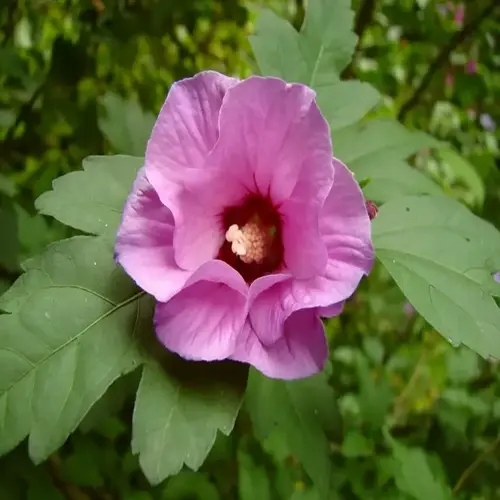

What is special about morning glory flowers is the daily bloom-and-fade cycle. Each flower opens fresh at sunrise and wilts by afternoon. No other common garden vine puts on this kind of show. You get a brand new set of blooms every single morning all summer long. Yesterday's spent flowers get replaced overnight by fresh buds.
Among the top morning glory unique traits is how these blooms draw in pollinators during a tight window. The trumpet shape unfurls in bold purples, blues, pinks, and whites that attract bees right at dawn. I grow Heavenly Blue morning glories along my back fence and sit outside with coffee to watch them open. The petals shift from tight buds to wide-open trumpets in under 30 minutes. By 2 PM those same blooms have curled shut, and the show is over until tomorrow.
The science behind morning glory daily blooming comes down to water pressure in the petal cells. Sunlight triggers cells on the inner petal wall to absorb water and swell. This force is called turgor pressure, and it pushes the petals outward into that trumpet shape you see each morning. Once afternoon heat kicks in, those cells lose water fast. The petals then fold inward and the bloom is done for good. Temperature shifts and changing light restart this cycle with fresh buds the next day.
The Ipomoea genus holds over 600 species of morning glories spread across the globe. Scientists have studied these flowers for more than 80 years to learn about plant genetics. Darwin ran his self-pollination tests on morning glories back in the 1870s. He proved that cross-pollinated plants grew taller and made more seeds. That work helped show why mixing genes matters so much for plant health.
My neighbor once asked me why her morning glories never looked as good as mine. I walked over to her yard and found them planted on the north side of her house in shade. Morning glories need full sun to trigger proper blooming. We moved them to her south-facing fence, and within three weeks she had dozens of blooms opening every single morning. The right spot makes all the difference with these vines.
I once tried to snap photos of my morning glories around noon on a hot day in July. Every bloom had already wilted, and the shots looked awful. The next day I set my alarm for 6:30 AM and caught them at their peak. The colors were so vivid in the soft early light that the photos looked almost fake. If you want to enjoy or capture these flowers, you need to be outside between 6 and 9 AM before the heat starts closing them down.
Beyond the daily drama, your morning glory vines grow fast enough to cover a bare trellis in just a few weeks. They self-seed with ease, so you often get vines for years from a single planting. You can train them up a mailbox post, a porch rail, or a garden arch. They ask for nothing but sun and something to climb. You will get hundreds of blooms over the course of a season without spending much time or money on care.
If you want a flower that surprises you every morning with fresh color, morning glories are your best pick. That one-day bloom cycle is what keeps you coming back to the garden before breakfast. You won't find that same magic in any other vine. Give them a sunny spot, a place to climb, and they will put on a show from midsummer right up until the first frost hits your garden.
Read the full article: Morning Glory Flower Guide