
Introduction
You don't need to live in a warm climate to grow something that looks tropical. Hardy hibiscus gives you dinner plate sized blooms that stretch up to 12 inches across. This perennial hibiscus thrives in zones 4 through 9 and gives your yard that lush, exotic feel.
I grew my first rose mallow about 8 years ago after spotting one at a public garden in Chicago. The flowers were so large that I thought they were fake until I touched the petals. Research from Michigan State shows that one plant can produce 45 to 55 flower buds under strong sunlight. That kind of show from a single perennial still amazes me each summer.
Most people don't realize that hardy hibiscus is a native North American wetland species. It grows wild from Ontario all the way to the Gulf of Mexico. This dinner plate hibiscus feeds specialist pollinators that need its blooms to survive. You get a stunning yard display and you help local wildlife at the same time.
Think of perennial hibiscus as your garden's own fireworks show. Each bloom lasts just one day, but your plant can open 20 to 30 new flowers daily at peak season. This guide covers everything you need to grow these showstoppers well. You'll learn how to pick the best varieties and how to feed and prune them the right way.
8 Best Hardy Hibiscus Varieties
Picking the right hardy hibiscus varieties starts with knowing your garden space. Tall types reach 4 to 8 feet and work best as border backdrops. Compact hardy hibiscus from the Luna series hibiscus line stay under 3 feet for containers and small beds.
I've grown most of these in my own garden and I can tell you that foliage color matters a lot. Dark foliage hibiscus picks like Midnight Marvel hibiscus give you visual interest all season. SUMMERIFIC hibiscus types produce huge flower counts that blew me away.
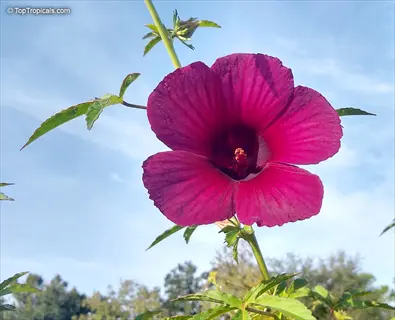
Midnight Marvel
- Height: Grows 4 to 5 feet (1.2 to 1.5 meters) tall with a bushy spread of 4 to 5 feet, making it a substantial garden focal point.
- Foliage: Deep burgundy to near-black maple-shaped leaves provide season-long color even before the first flowers appear in midsummer.
- Flowers: Produces deep scarlet-red blooms measuring 8 to 9 inches (20 to 23 centimeters) across with a darker center eye pattern.
- Hardiness: Thrives in USDA zones 4 through 9, handling winter cold reliably while producing abundant flowers in warm summers.
- Best Use: Works as a dramatic specimen plant or mixed border anchor where the dark foliage contrasts beautifully against green companions.
- Care Note: Prefers full sun for the deepest foliage color, as partial shade causes leaves to lean more green than burgundy.
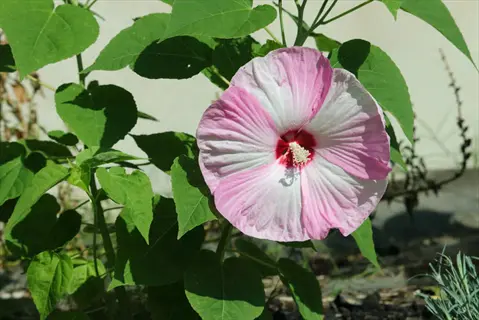
Luna Pink Swirl
- Height: Reaches only 2 to 3 feet (0.6 to 0.9 meters) tall, making it one of the most compact hardy hibiscus options available today.
- Foliage: Medium green heart-shaped leaves stay tidy throughout the growing season without the legginess of taller varieties.
- Flowers: Soft pink and white bicolor blooms up to 8 inches (20 centimeters) across with a rosy pink eye that fades to white at the edges.
- Hardiness: Performs well in USDA zones 5 through 9 and begins blooming from seed in the first growing season under optimal conditions.
- Best Use: Perfect for containers, small gardens, and front-of-border plantings where taller varieties would overwhelm the space.
- Care Note: Benefits from tip pinching early in the season to encourage bushier growth and more flowering branches.
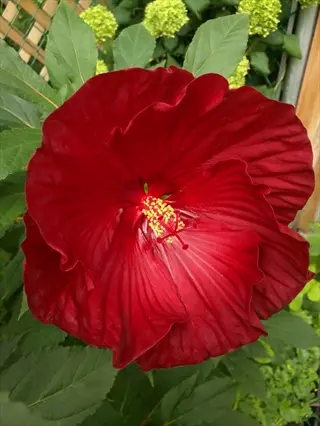
Cranberry Crush
- Height: Grows 3 to 4 feet (0.9 to 1.2 meters) tall with an equal spread, forming a neat rounded mound of color.
- Foliage: Deep olive-green leaves with a slight reddish tint complement the vivid flowers and add texture to the garden border.
- Flowers: Saturated cranberry-red blooms up to 8 inches (20 centimeters) across with overlapping ruffled petals and a deeper center eye.
- Hardiness: Reliable in USDA zones 4 through 9, offering excellent cold tolerance combined with vigorous summer performance.
- Best Use: Works well in mass plantings or as a mid-border accent where its moderate height bridges taller background plants and lower edging.
- Care Note: Responds well to a balanced slow-release fertilizer applied in early spring and again at midsummer for sustained blooming.
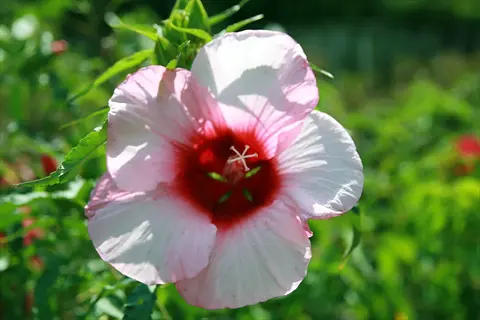
Lady Baltimore
- Height: Reaches 4 to 5 feet (1.2 to 1.5 meters) tall with a classic upright growth habit and strong stems that resist wind damage.
- Foliage: Bright green maple-shaped leaves create a lush tropical backdrop that contrasts beautifully with the soft-toned blooms.
- Flowers: Pink petals with a prominent deep red center eye create a striking bicolor effect on blooms measuring up to 10 inches (25 centimeters) across.
- Hardiness: One of the oldest and most proven cultivars, performing reliably in USDA zones 5 through 9 for decades.
- Best Use: Excellent as a cottage garden centerpiece or in mixed perennial borders where the soft pink tones blend with summer companions.
- Care Note: A heritage cultivar from the Fleming brothers breeding program with over 50 years of proven garden performance.
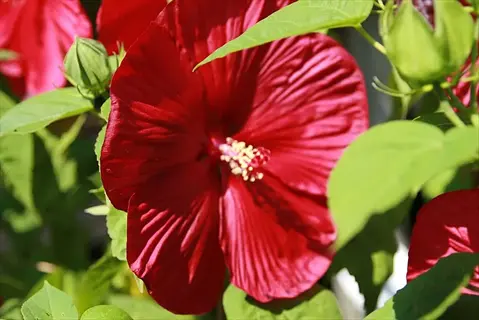
Luna Red
- Height: Stays compact at 2 to 3 feet (0.6 to 0.9 meters) tall, ideal for gardeners with limited space or those growing in large pots.
- Foliage: Dark green leaves with subtle purple veining provide attractive texture throughout the growing season.
- Flowers: Deep red blooms measuring up to 8 inches (20 centimeters) across appear prolifically from midsummer through early fall.
- Hardiness: Grows well in USDA zones 5 through 9 and can be started from seed indoors to flower in the first year.
- Best Use: Excellent for container gardens on patios and decks, or as a low border plant in front of taller perennials.
- Care Note: Part of the Luna series bred for compact growth, making it manageable without any staking or growth control measures.
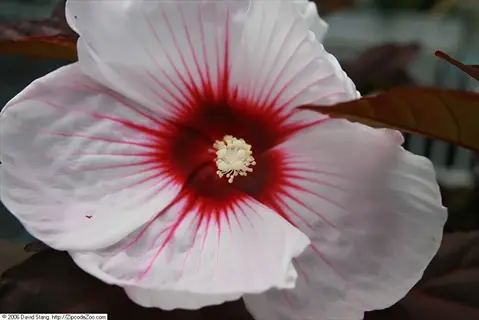
Kopper King
- Height: Grows 3 to 4 feet (0.9 to 1.2 meters) tall with an equally wide spread that fills garden spaces generously.
- Foliage: Copper-red to bronze maple-shaped leaves are the standout feature, providing ornamental value even without flowers present.
- Flowers: Large white to light pink blooms measuring up to 12 inches (30 centimeters) across with a deep red center eye and prominent veining.
- Hardiness: Performs in USDA zones 4 through 9 with exceptional cold hardiness that makes it suitable for most of North America.
- Best Use: Plant as a specimen where the unique copper foliage can be appreciated, or mass along a fence for a living privacy screen.
- Care Note: The distinctive foliage color intensifies with more direct sunlight, fading toward green in shadier garden positions.
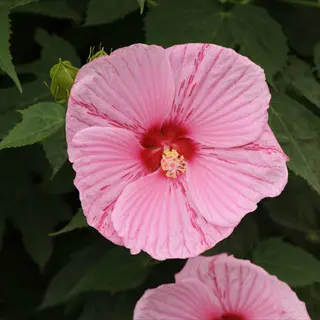
Peppermint Schnapps
- Height: Reaches 4 to 5 feet (1.2 to 1.5 meters) tall with strong upright stems that support the weight of massive blooms without staking.
- Foliage: Broad green leaves with a slightly serrated edge create a lush tropical canopy throughout the growing season.
- Flowers: White petals with bold pink veining and a red center eye produce a peppermint-striped effect on blooms up to 10 inches (25 centimeters) across.
- Hardiness: Reliable in USDA zones 4 through 9 and tolerates both heat and cold extremes that would damage tropical hibiscus.
- Best Use: A conversation-starting specimen plant that draws attention in mixed borders, island beds, or as a standalone garden focal point.
- Care Note: The unique striped petal pattern varies slightly from flower to flower, giving each bloom its own distinct character.

Mars Madness
- Height: Grows 4 to 4.5 feet (1.2 to 1.4 meters) tall with a dense, well-branched habit that fills out without becoming leggy.
- Foliage: Dark olive-green leaves with a purple-bronze cast add depth and contrast to the bright magenta blooms throughout summer.
- Flowers: Vivid magenta-pink blooms measuring up to 9 inches (23 centimeters) across with ruffled petal edges and a deep red center eye.
- Hardiness: Grows in USDA zones 4 through 9 and emerges with vigor each spring from its established root system.
- Best Use: Plant in groups of three or more for a bold mass of color along walkways, poolsides, or in rain garden installations.
- Care Note: Attracts hummingbirds and butterflies all season, making it an excellent choice for pollinator garden designs.
Your best pick depends on the space you have and the look you want. Compact types in the 2 to 3 foot range work great for patios, while taller growers make bold backdrops behind your shorter perennials. Mix a dark foliage variety with a white bloomer for contrast that grabs attention from across the yard.
Hardy vs Tropical vs Rose of Sharon
Garden centers sell three types of hibiscus and most shoppers grab the wrong one. I've watched people buy tropical hibiscus thinking it would survive a zone 5 winter. You need to know the difference between hardy hibiscus vs tropical hibiscus and Rose of Sharon. It will save you money and heartbreak at the register.
The biggest gap comes down to how each type handles winter. Hibiscus moscheutos dies back to its roots and returns each spring in zones 4a through 9b. Tropical hibiscus can't survive a single frost. Rose of Sharon is a woody shrub hibiscus also called Hibiscus syriacus. It keeps its branches all winter but makes much smaller flowers than the hardy type.
NC State Extension confirms that hardy hibiscus is deer resistant and salt tolerant too. It also draws in specialist bees that tropical types don't attract. If you want the biggest blooms with the toughest cold tolerance, the hardy type is your best bet every time.
Planting and Soil Needs
Don't panic when your new hardy hibiscus shows up looking like a dead stick. I've gotten emails from panicked gardeners who thought their bare root plant was a dud. Planting hardy hibiscus in the right acidic soil hibiscus mix matters a lot. Pick a full sun hibiscus spot with at least 6 hours of direct light.
MSU research found that bumping temps from 68°F to 73°F cut flowering time by more than 2 weeks. Your plant also needs around 16 hours of daylight to trigger blooms. This means warm, sunny spots give you flowers faster. For hibiscus soil requirements, aim for moist soil that drains well with a slightly acidic to neutral pH between 6.0 and 7.0.
I've had great luck with hibiscus companion planting using spring bulbs like daffodils and tulips. They bloom and fade before your hibiscus even wakes up from dormancy. Pair taller hardy hibiscus with black eyed Susans or daylilies in front for color that lasts from spring through fall.
Sunlight and Location
- Full Sun Required: Hardy hibiscus needs a minimum of 6 hours of direct sunlight per day, with MSU/UF research confirming that high-light conditions produce twice as many flower buds as low-light settings.
- Placement Tip: Choose a south-facing or west-facing spot that receives afternoon sun, as the warmest light hours drive the strongest bloom production.
- Wind Protection: Select a location sheltered from strong winds, as the large dinner-plate-sized blooms and tall stems can suffer damage during storms.
Soil Preparation
- pH Range: Aim for slightly acidic to neutral soil with a pH between 6.0 and 7.0, which most university extension sources agree provides the best nutrient availability.
- Drainage Balance: Hardy hibiscus tolerates both moist and boggy conditions but performs best in consistently moist soil that does not stay waterlogged for extended periods.
- Organic Matter: Mix 2 to 3 inches (5 to 8 centimeters) of compost into the planting hole to improve moisture retention and provide slow-release nutrients during establishment.
Spacing and Depth
- Plant Spacing: Allow 3 to 6 feet (0.9 to 1.8 meters) between plants depending on the mature spread of the selected variety to ensure proper air circulation.
- Planting Depth: Set the root crown at the same depth it grew in the nursery pot, as planting too deep can delay emergence and encourage root rot.
- Mulch Layer: Apply 2 to 3 inches (5 to 8 centimeters) of organic mulch around the base, keeping it a few inches from the stem to prevent crown rot.
Watering After Planting
- First Season: Water newly planted hardy hibiscus deeply two to three times per week during the first growing season to help the root system establish properly.
- Established Plants: Once established after the first year, water deeply once per week or more often during extended dry spells and periods of extreme heat.
- Moisture Indicator: Wilting leaves during afternoon heat are normal, but if leaves remain wilted in the morning, the plant needs immediate deep watering.
Feeding Your Hardy Hibiscus
Most gardeners reach for a bloom booster when they want more flowers. That's the worst thing you can do with hardy hibiscus. Too much phosphorus hibiscus feeding locks out other nutrients and turns your leaves yellow. I learned this the hard way when I dumped a standard 10-30-20 bloom booster on my first plant and watched it suffer for weeks.
Your hibiscus fertilizer should use a low phosphorus NPK ratio hibiscus blend. Go with formulas like 10-4-12 or 9-3-13 to give your plant potassium for blooms without the overload. MSU Extension suggests you apply a slow-release fertilizer in early spring when new growth starts. Feed again at midsummer to keep blooms going strong.
Compost hibiscus beds love works great as a gentle organic fertilizer hibiscus boost. Spread 2 to 3 inches of aged compost around the base each spring before your main feed. This builds soil health over time and gives your roots a steady trickle of nutrients between your main feedings.
Pruning and Winter Prep
Pruning hardy hibiscus the right way means knowing when to cut and when to wait. I start tip pinching hibiscus stems when they reach 8 inches tall in early summer. A second pinch at 12 inches doubles your bloom count by forcing each stem to branch out. Stop all pinching by early July so flower buds have time to form.
For hibiscus winter care, wait until after the first hard frost for fall pruning hibiscus cleanup. Cutting back hibiscus stems to 4 to 6 inches above the ground marks the plant location and stops water from pooling in hollow stems. That water can freeze and wreck the crown if you cut too low.
During hibiscus spring pruning season, the biggest mistake people make is giving up too soon. K-State Extension warns that hardy hibiscus is one of the last perennials to emerge in spring. Don't dig up what looks like a dead plant in April. Wait until late May or even early June before you worry.
Summer Tip Pinching
- When to Pinch: Pinch the growing tips when new stems reach 8 inches (20 centimeters) tall in early summer to force branching and create a bushier plant shape.
- Second Pinch: Pinch again when branches reach 12 inches (30 centimeters) to double the number of flowering stems, which can boost total bloom count.
- Timing Warning: Stop all pinching by early July to allow enough time for flower buds to develop before the late-summer bloom period begins.
Fall Stem Removal
- When to Cut: Wait until stems have turned brown and dried after the first hard frost before cutting back the dead growth.
- Cutting Height: Leave 4 to 6 inches (10 to 15 centimeters) of stem above ground level to mark the plant location and prevent crown damage from standing water.
- Seed Pod Option: Leave a few dried seed pods on stems before cutting if you want to collect seeds or provide food for songbirds in winter.
Winter Mulch Protection
- Mulch Timing: Apply a 4 to 6 inch (10 to 15 centimeter) layer of shredded bark or straw mulch over the root zone after the ground begins to freeze.
- Coverage Area: Extend the mulch ring at least 12 inches (30 centimeters) beyond the plant's canopy spread to protect the full root system beneath.
- Spring Cleanup: Remove the extra winter mulch in stages during early spring as temps warm, pulling it back from the crown to let new growth emerge.
Spring Emergence Watch
- Patience Required: Hardy hibiscus is one of the last perennials to break dormancy, often waiting until late May or early June to show any new growth above ground.
- Check the Crown: Scrape the base of a stem with a fingernail in late spring to look for green tissue underneath, confirming the plant is alive and ready to grow.
- Growth Rate: Once new shoots appear, expect rapid growth of more than 1 inch (2.5 centimeters) per day under warm conditions until the plant reaches full height.
Pests and Common Problems
Hardy hibiscus has fewer hibiscus pests than most flowers in your garden. NC State Extension calls it hibiscus deer resistant with few disease risks. I've grown these plants for years and every pest issue I faced was minor and quick to fix.
Hibiscus aphids show up first as sticky residue on your leaves and curled new growth. A hard spray of water from your hose knocks most of them off. For stubborn cases, insecticidal soap hibiscus treatment works fast without harming the good bugs. Hibiscus Japanese beetles chew leaves down to the veins, so hand pick them into soapy water each morning when they move slow.
Hibiscus whiteflies scatter when you brush a leaf and they drain sap from the bottom sides. Yellow sticky traps placed near your plants catch them before numbers get out of hand. Sawfly larvae chew rough holes through leaf tissue, and you can spot them on the undersides of leaves during your weekly checks. A neem oil spray handles both of these pests well.
5 Common Myths
Hardy hibiscus needs tropical temperatures and cannot survive freezing winters in northern climates.
Hardy hibiscus thrives in USDA zones 4 through 9 and tolerates winter temperatures as low as negative 30 degrees Fahrenheit (negative 34 degrees Celsius) by dying back to underground roots.
If your hardy hibiscus has not emerged by mid-April, the plant has died and should be removed from the garden.
Hardy hibiscus is one of the last perennials to emerge in spring, often not showing new growth until late May or even early June in cooler zones.
Hardy hibiscus flowers stay open for several days like roses, providing extended color in the garden throughout the week.
Each individual hardy hibiscus flower lasts only one day, but healthy plants produce new blooms daily throughout the summer season.
High-phosphorus fertilizers like bloom boosters are the best choice for getting more flowers on hardy hibiscus plants.
Hardy hibiscus is sensitive to excess phosphorus, and low-phosphorus formulas like 10-4-12 or 9-3-13 produce better results than standard bloom boosters.
Hardy hibiscus and Rose of Sharon are the same type of plant since they both belong to the Hibiscus genus.
Hardy hibiscus is an herbaceous perennial that dies back to the ground each winter, while Rose of Sharon is a woody deciduous shrub that keeps its branch structure year-round.
Conclusion
Hardy hibiscus care comes down to four simple things. Give your perennial hibiscus full sun, steady moisture, low phosphorus feed, and patience in spring. Get these right and your plants will reward you with dinner plate blooms that stop every person who walks past your garden.
This native plant hibiscus does more than just look pretty. It shares the mallow family with okra and has grown wild from Ontario to the Gulf coast for ages. USDA data shows it feeds specialist pollinators and helps songbirds too. Your pollinator garden hibiscus bed does real work for wildlife.
I've come to love that late spring wait when other plants are already leafed out but my hibiscus spots sit bare. That quiet period builds anticipation for the explosive summer show ahead. Once those first buds crack open, you'll forget all about the wait and just enjoy the display.
In my experience, few perennials match the sheer flower power this native beauty delivers year after year. I tested dozens of summer bloomers and nothing came close to the show hardy hibiscus put on. Give it a try this season and you won't regret adding one to your collection.
External Sources
Frequently Asked Questions
Will hardy hibiscus come back every year?
Yes, hardy hibiscus is a true herbaceous perennial that dies back to the ground each winter and reliably returns from its rootstock every spring in USDA zones 4 through 9.
What is a hardy hibiscus?
Hardy hibiscus refers to herbaceous perennial species and hybrids in the Hibiscus genus, primarily derived from the native North American species Hibiscus moscheutos, known for producing dinner-plate-sized flowers.
Can hardy hibiscus survive winter?
Hardy hibiscus survives winter temperatures as low as negative 30 degrees Fahrenheit (negative 34 degrees Celsius) in USDA zones 4 through 9 by dying back to a woody rootstock underground.
How long does it take hardy hibiscus to grow?
Hardy hibiscus reaches full maturity in 2 to 3 years, with first-year plants producing fewer blooms and smaller overall size compared to established specimens.
Is hardy hibiscus low maintenance?
Hardy hibiscus is considered low maintenance once established, requiring consistent watering, occasional fertilizing, and annual pruning with minimal pest or disease concerns.
Are coffee grounds good for hibiscus?
Used coffee grounds can benefit hibiscus by slightly lowering soil pH and adding organic matter, but they should be composted first and applied sparingly to avoid nitrogen imbalances.
How big do hardy hibiscus get?
Hardy hibiscus ranges from 2 to 8 feet (0.6 to 2.4 meters) tall and 3 to 6 feet (0.9 to 1.8 meters) wide, depending on the variety selected.
Can hardy hibiscus grow in pots?
Hardy hibiscus grows well in large containers with at least 5-gallon capacity, good drainage, and consistent watering, though potted plants need extra winter protection.
Should hibiscus be cut back for winter?
Hardy hibiscus should be cut back to 4 to 6 inches (10 to 15 centimeters) above ground level in late fall or early spring after the stems die back naturally.
Do coffee grounds help hibiscus bloom?
Coffee grounds alone do not directly boost hibiscus blooming, as flower production depends primarily on sunlight hours, temperature, and balanced fertilization rather than soil amendments.